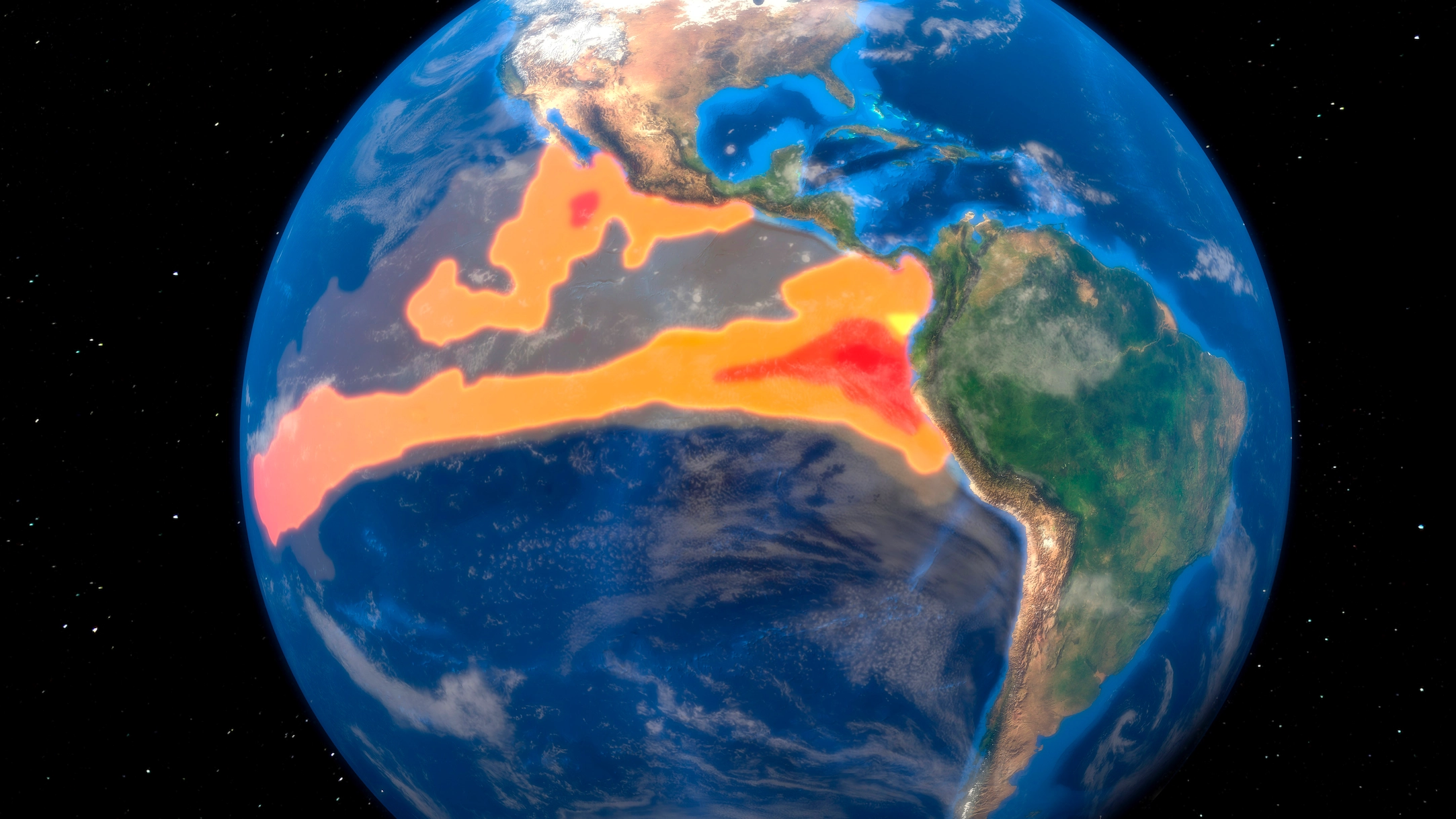
'Super El Niño' threatens millions as scientists warn of extreme weather disasters

Back in June the El Niño is said to have begun, threatening extreme weather to many parts of the globe.
Of course, you might be used to referring to it as the ‘super El Niño’ as it's suggested by some scientists that this could be one of the strongest ever recorded.
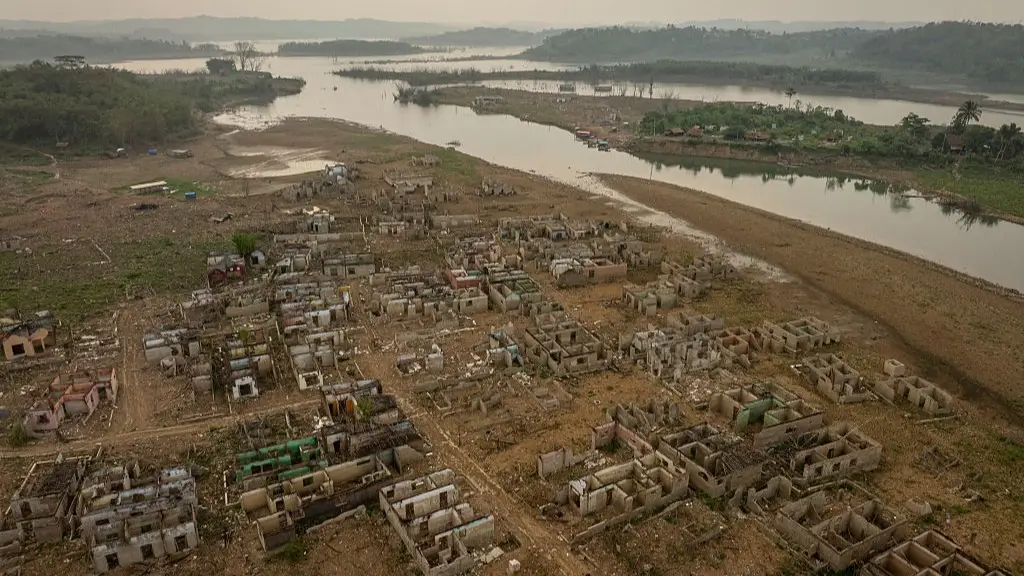
The natural but warping global weather patterns have already contributed to the likes of wildfires and droughts around the world.
And now, it’s warned that millions of people are threatened with becoming displaced.
Advert
The United Nations high commissioner for refugees (UNHCR) predicts there will be as many as three million people forced to move across Kenya, Somalia, South Sudan and Uganda.
This is as the intensified drought in east Africa causes food shortages and other problems.
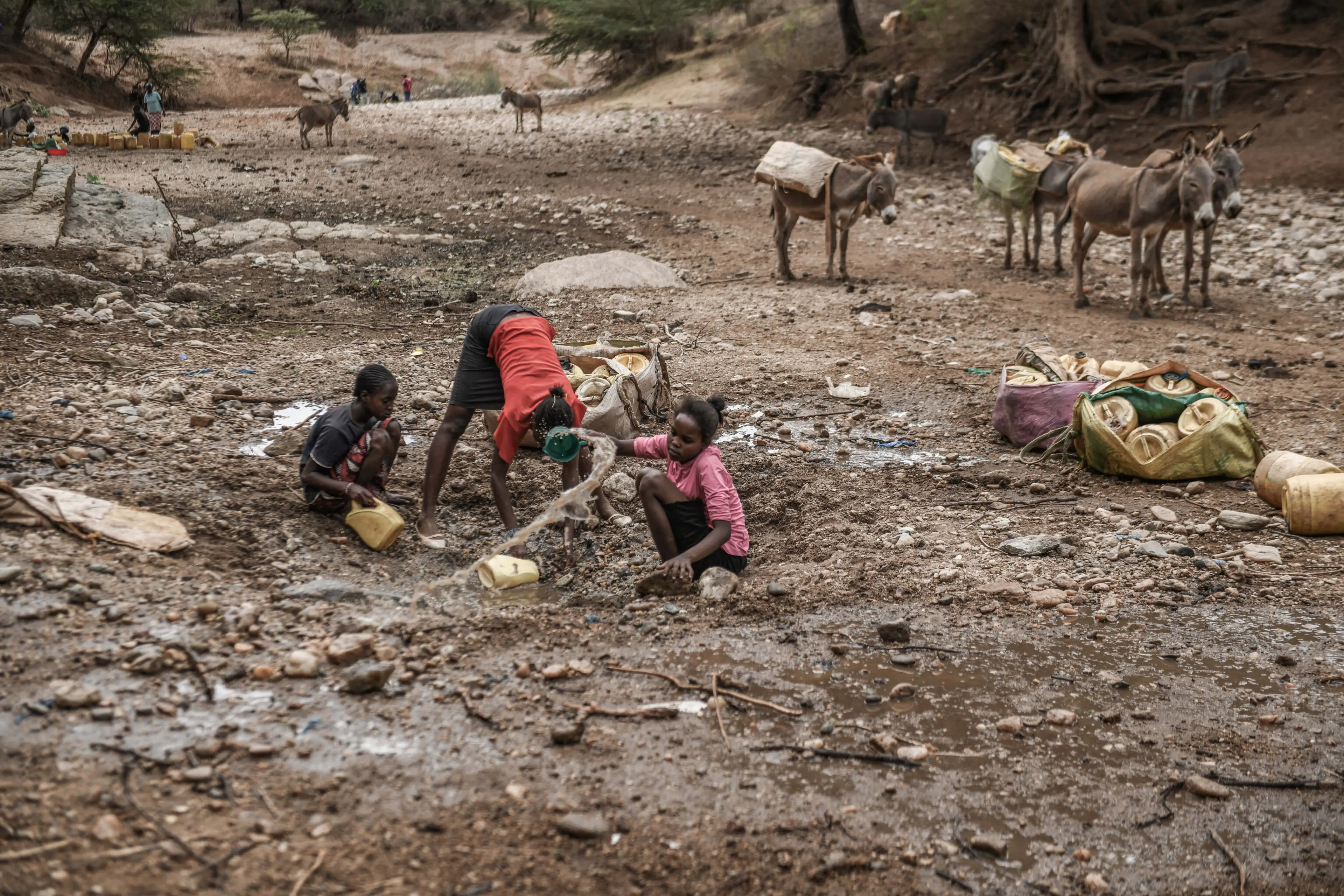
“We are very concerned as the forecast for El Niño this year is the worst one ever,” said Antón Leis García, assistant high commissioner of UNHCR, during the COP31 UN climate talks, per The Guardian.
“There are so many places around the world where forced displacement is prevalent but if you were to zoom into just one area it would be the eastern horn of Africa.”
He added that in Kenya, maize crop production is already dropping by 40 percent and therefore there’s ‘less food for the refugees moving there and less capacity for Kenya to absorb more of them’.
Campaigners at the climate talks said countries need to act quickly with Mohamed Adow, founder of Kenya-based thinktank Power Shift Africa, saying: “People living with the climate crisis cannot afford to wait for another round of diplomatic promises.”
The El Niño is said to peak in December, with next year predicted to end up being the hottest ever recorded.
This means more heatwaves, crop shortages and either too much or not enough rain.
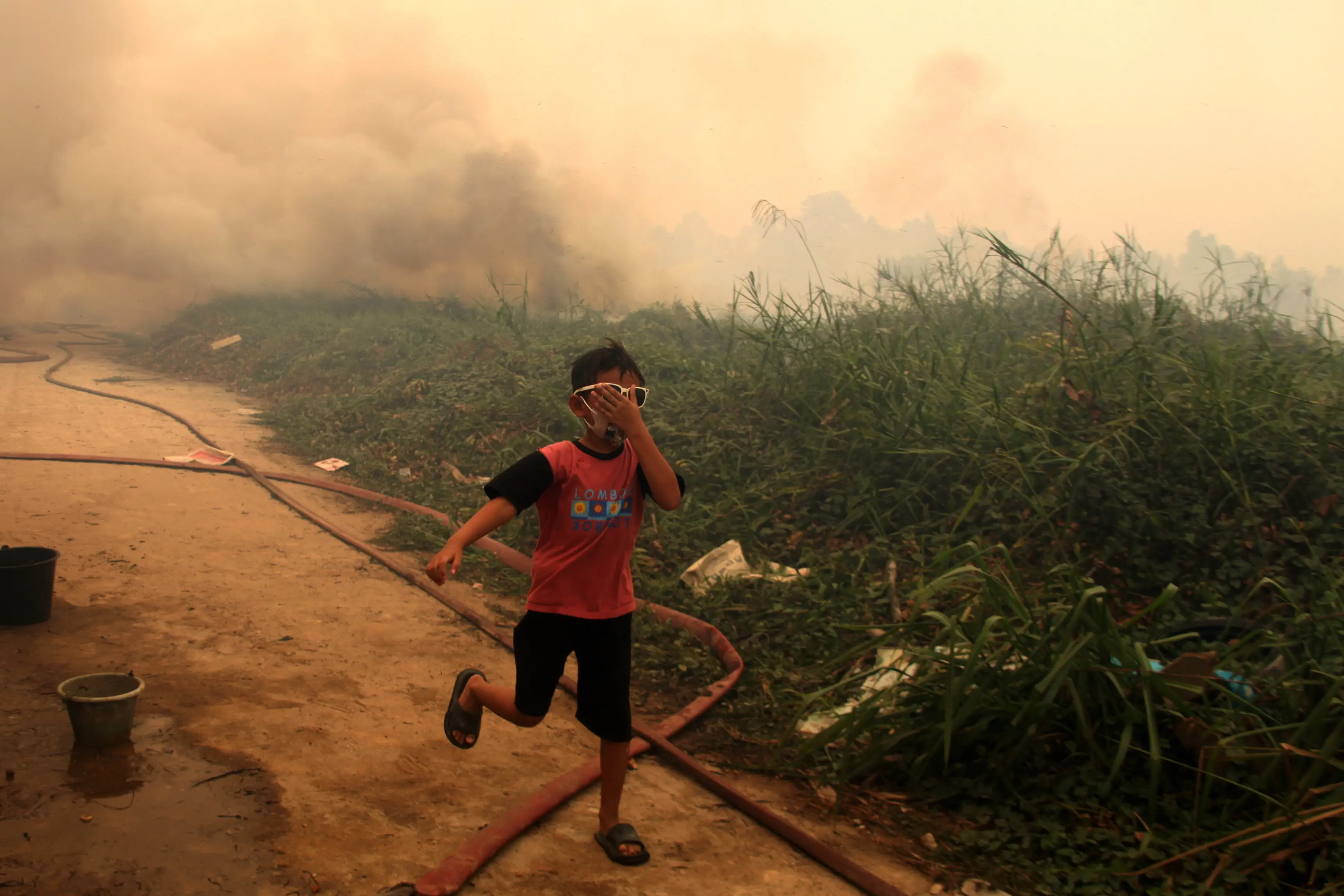
Bill Hare, climate scientist and chief executive of Climate Analytics says it will ‘feel like accelerated global warming’.
“We can fully expect there will be more humanitarian disasters linked to food, water, drought and in some places extreme floods,” he added, saying it’s no ‘joke’.
“There doesn’t seem to be the right recognition of the scale of the threats.”
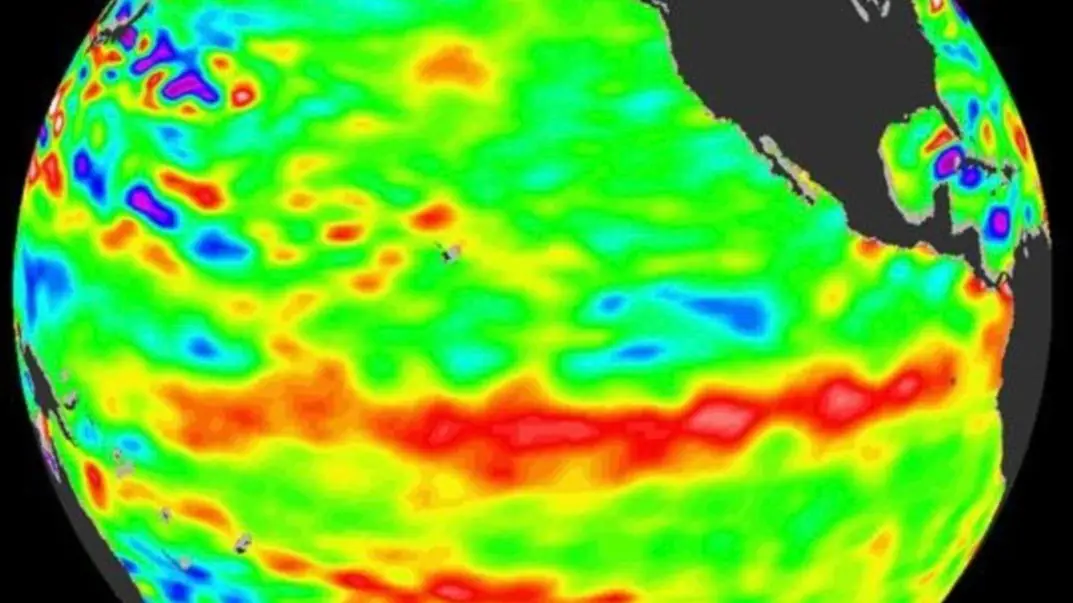
An El Niño ends up being described as ‘super’ when the warming of the central tropical Pacific Ocean surface reaches 2C or more over an extended time. And waters have been unusually warm, with sea level to be its highest on record this year.
WMO Secretary-General Celeste Saulo said: “El Niño and indeed the state of the global climate in 2026 gives new meaning to the phrase off the charts. El Niño doesn't add new heat to the planet. It releases heat from the ocean, which is the warmest ever measured. There is simply more heat available to release.
“We are supercharging our weather and El Niño will be a risk multiplier. Heatwaves, tropical cyclones, and rainstorms are intensifying faster than our historical baselines prepared us for.
"Hundreds of millions of people this year have been exposed to unbearable extreme heat, whilst the catastrophic ice and rock collapse and flash floods in Nepal highlighted the compound risks facing communities in fragile, warming high-mountain terrain.”
Topics: El Niño, Global Warming, Weather
 Jess Battison