
Football journalist severely beaten to death and set on fire in gruesome attack

The sporting world has been left shocked after the horrific death of a renowned football journalist in Italy.
Luigi 'Luca' Esposito's charred remains were discovered by police in a remote field near Cioffi, Eboli, on Sunday 19 July, shortly after his friends had become concerned when they lost contact with him on the Saturday night.
The 53-year-old, who was the editor-in-chief of football website TuttoSalernitana and a long-time fan of US Salernitana, was attacked and set on fire, with police only able to identify his remains after his car was discovered close by.
His body was so badly burned that police were initially unable to tell if it was male or female, Sky tg24 reports,
Advert
Firefighters had been called to the blaze in the early hours of the morning and police later discovered bullet casings close to his body, with an autopsy set to reveal the true cause of his death, with police treating it as a murder case.
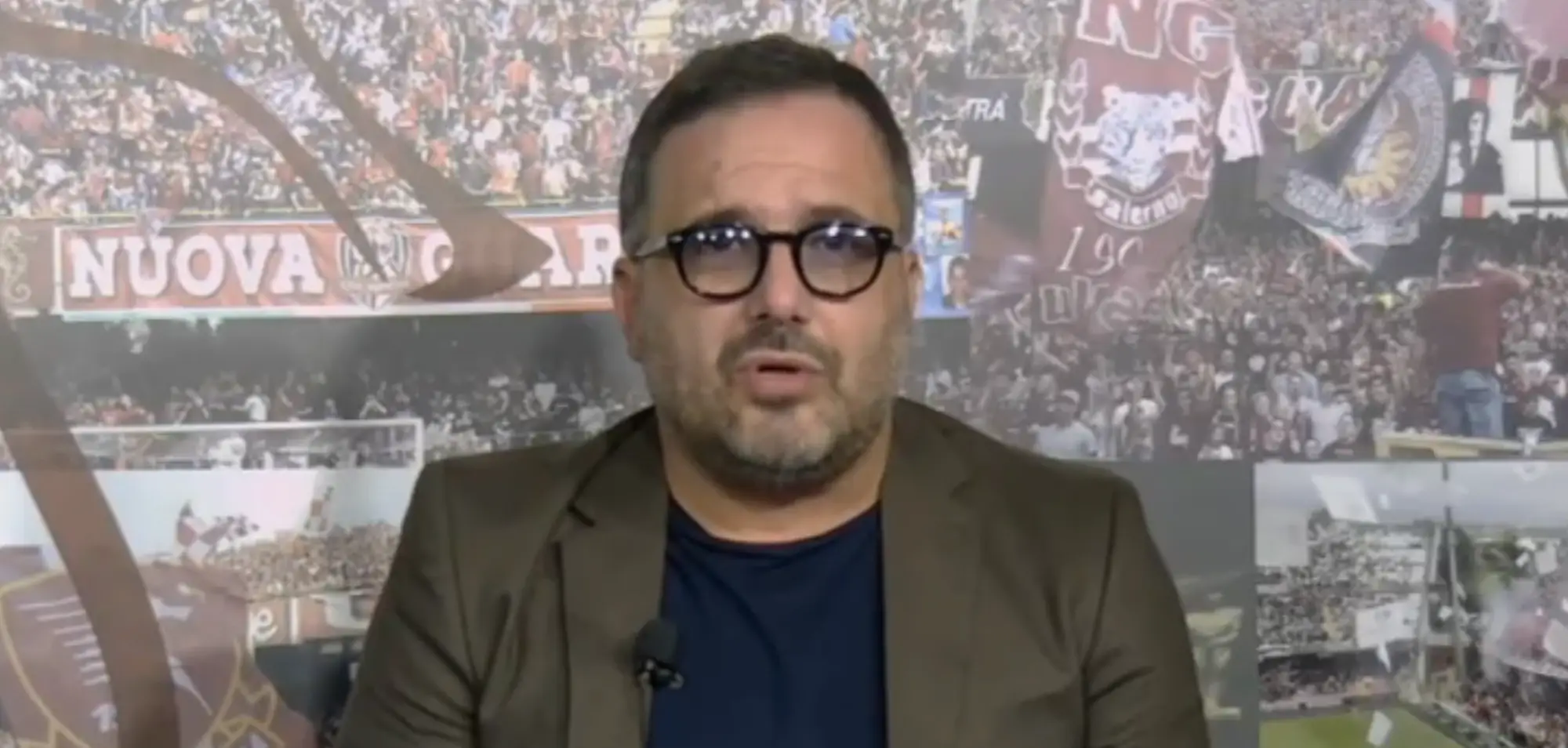
Investigation overseen by anti-mafia chief
The prosecution in Salerno is being overseen by anti-mafia chief Raffaele Cantone and authorities are yet to rule out any potential motives for his death, including monetary or romantic conflicts, and whether his work as a sports journalist could have been a factor.
Esposito was unmarried and didn't have children. He is also said to have no ties to Eboli, the region where he was found.
Authorities will continue to look into his personal circumstances but the journalist's sister has since emphasised that he was a 'calm' man with no known enemies, which makes the brutal nature of his death even more shocking.
OttoChannel director Pierluigi Melillo said: "Luca was a precious collaborator – awkward but never banal, always brave in defending his opinions on football. He was due to be one of our star pundits next season."
Meanwhile, the International Federation of Journalists and the European Federation of Journalists have both called on Italian authorities to conduct a thorough investigation in order to establish whether the crime is linked to the victim’s journalistic activities.
The organisations also expressed their 'deepest condolences' to Esposito's family and friends after their tragic loss.
Bullet casings but no identifiable gunshot wounds
According to Italian publication Corriere della Sera, the CT scan which was performed before the autopsy also revealed fractures in various parts of the body, from the skull to the pelvis, suggesting that he may have suffered a severe beating before his death.
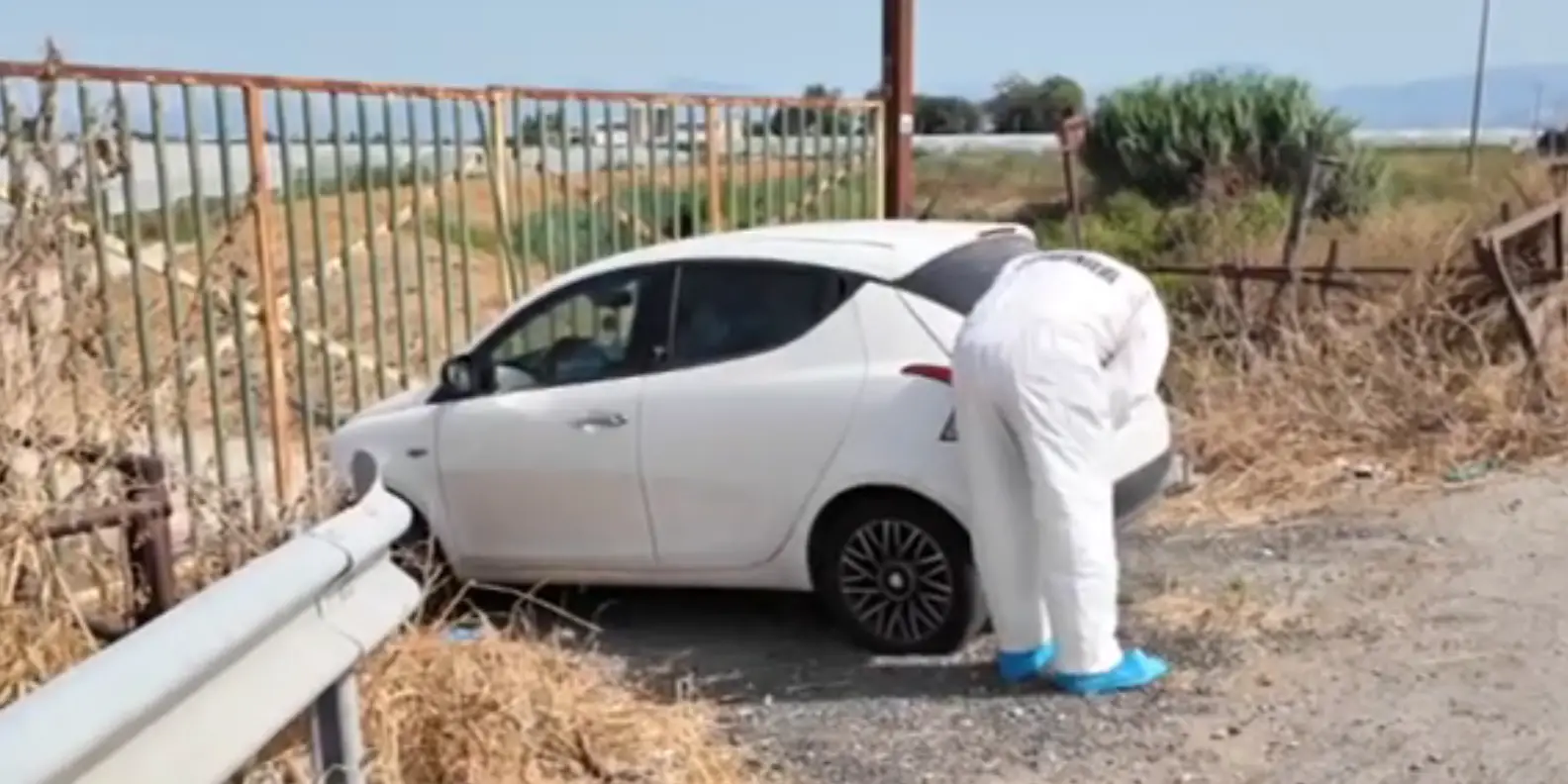
Although there were bullet casings found close to his body, the CT scan could not confirm with certainty if he had any wounds which would have been caused by a bullet.
La Repubblica also made the point that Esposito's car was locked and his keys were still in his pocket at the time of death, which suggests that he may have voluntarily got out of his car before he was attacked, which may well lead investigators to think that he might have been familiar with his attacker.
An alleged involvement with an environmental agency
Italian journalist Barbara Pelle also highlighted on social media that investigators were looking into Esposito's alleged links to ARPAC, Campania's Regional Agency for Environmental Protection.
But ARPAC deny that Esposito was ever an employee there, while Esposito's sister told TG1 he had told her he used to work for ARPAC, but didn't anymore.
It only adds more confusion to the case, with lots of details remaining unclear as police look to solve the murder.
Topics: World News
 James Moorhouse