
Hantavirus survivor shared horrific reality of being infected as WHO warn it has 40% death rate

A woman who survived Hantavirus Pulmonary Syndrome (HPS) after just 'five minutes' of exposure opened up about three key symptoms.
Hantavirus is a group of viruses carried by mice and rats, and is transmitted by their droppings and urine.
The WHO says symptoms of hantavirus typically start presenting between two and four weeks after infection, though they can show as early as one week and as late as eight.
American strains of the hantavirus often cause HCPS, which affects the lungs and heart. The WHO says the death rate in these cases is between 20 and 40 percent.
Advert
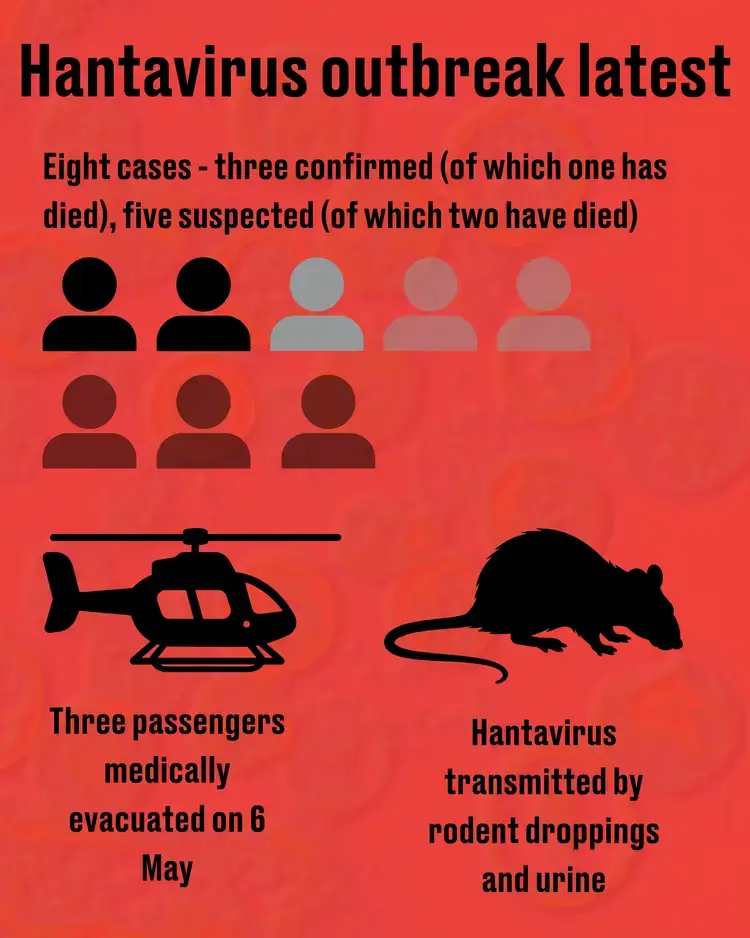
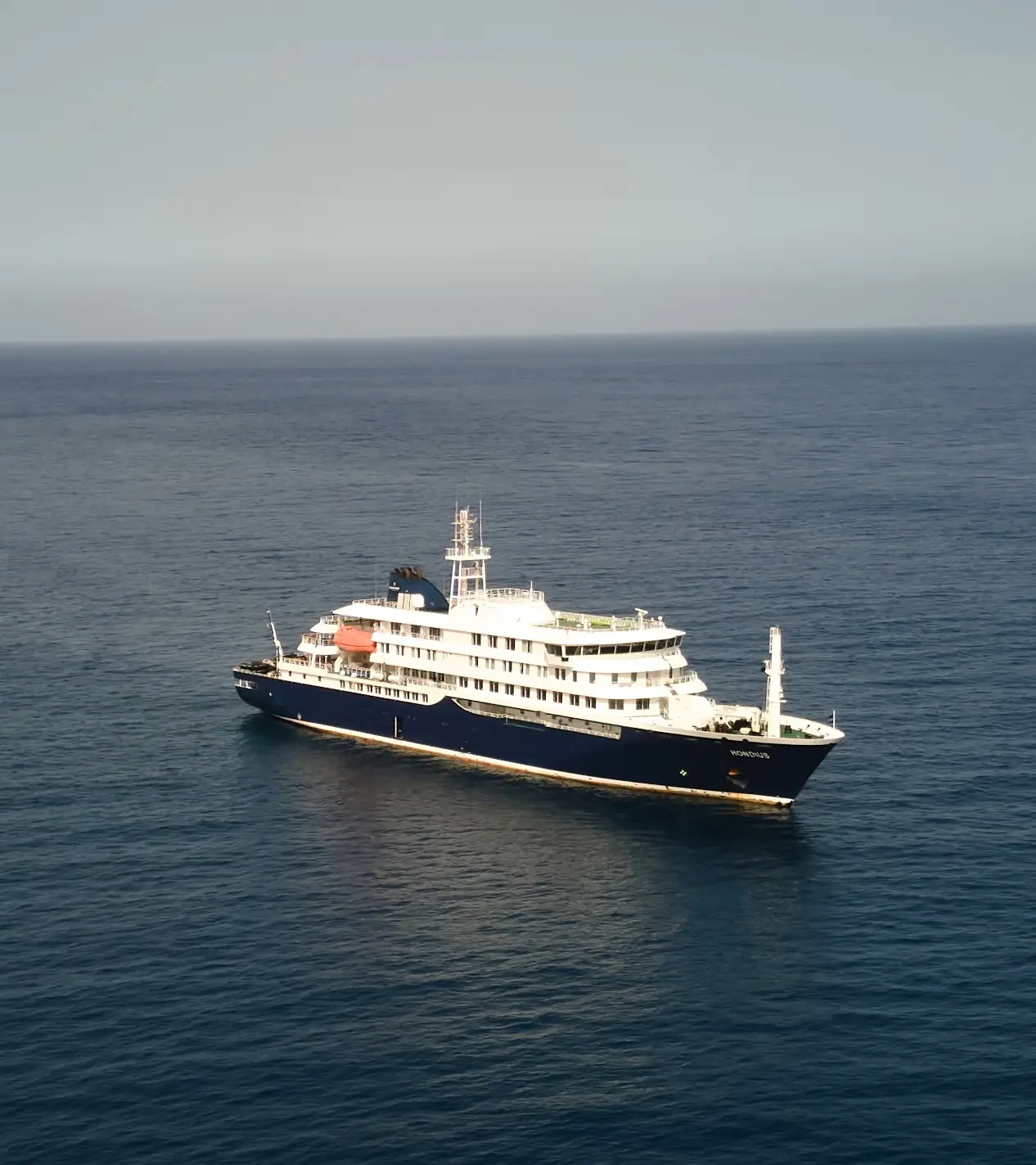
It comes after three deaths have been reported in connection with the outbreak linked to a Dutch cruise ship.
The ship arrived in waters off Cape Verde on 3 May, with a number of British nationals on board.
Montana Hantavirus survivor
Debbie Zipperian, from Montana, entered an old chicken coop on her ranch to collect her cat's food dishes in 2011.
The task took less than five minutes, but that was long enough for her to inhale dust contaminated with rodent droppings carrying hantavirus.
“My face was this close to it,” she recalled to KPAX-TV in 2018.

About a week later, Debbie started to suffer from three key symptoms:
- Extreme fatigue
- Severe neck pain
- Backaches
It took multiple hospital visits before medics finally diagnosed her with HPS.
By then, Debbie’s condition had become critical, experiencing hallucinations, confusion, and respiratory failure while hospitalised.
“I flat-lined twice,” she said, explaining doctors struggled to place her on a ventilator because she was stressed and difficult to sedate.
Her late husband later told her she had to be restrained because she became 'hysterical like a rabid bobcat'.
Debbie eventually regained consciousness after a week in hospital, crediting thoughts of her son Wyatt for helping her survive.
The virus, however, left lasting spinal and neurological damage. She had to relearn how to walk and, at the time of the interview, still struggled with memory and concentration.
British crew member evacuated from ship
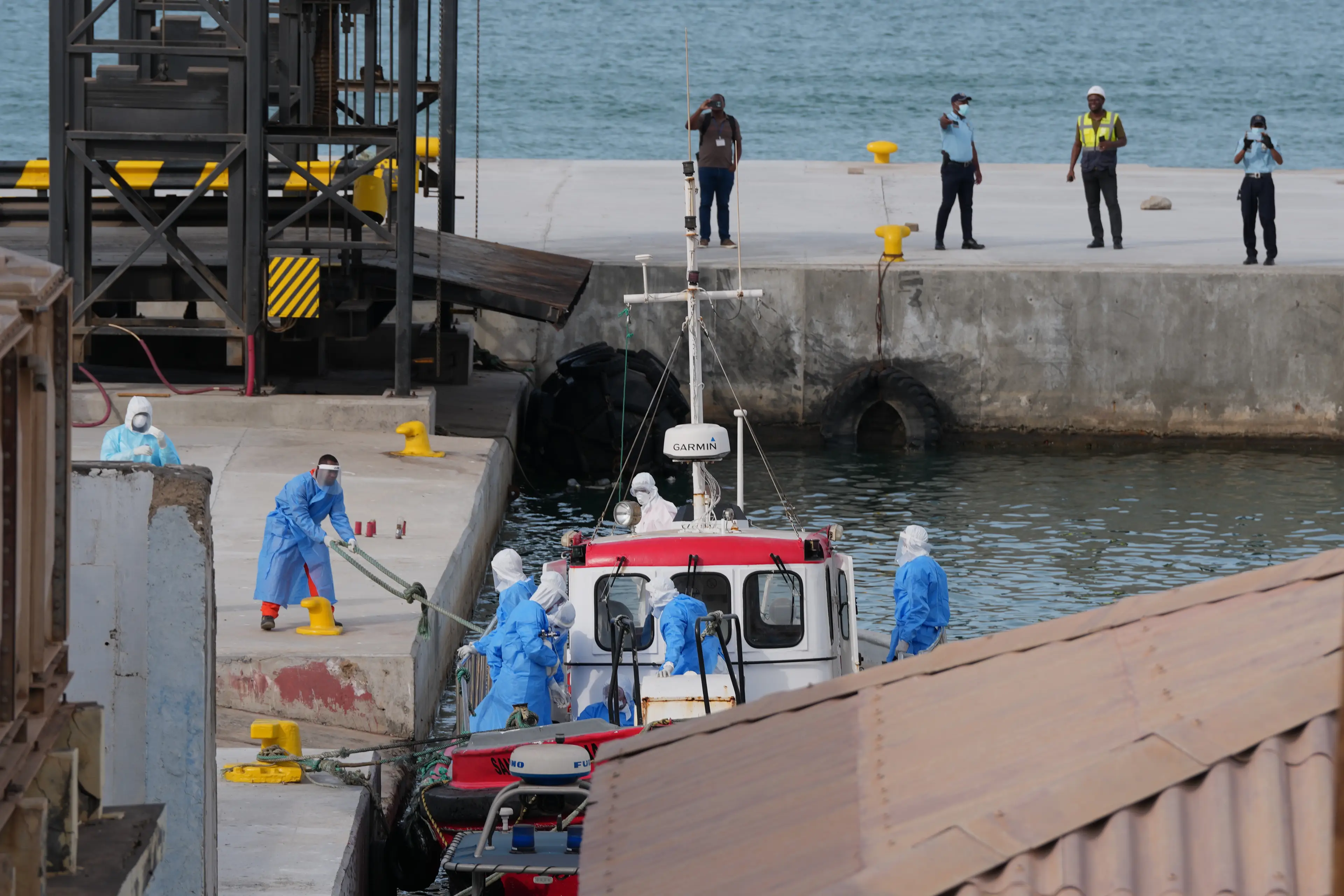
The WHO has confirmed that a British crew member with suspected hantavirus has been medically evacuated from the cruise ship linked to the outbreak.
Dr Tedros Adhanom Ghebreyesus, director-general of the WHO, said on X: “Three suspected hantavirus case patients have just been evacuated from the ship and are on their way to receive medical care in the Netherlands in co-ordination with WHO, the ship’s operator and national authorities from Cabo Verde, the United Kingdom, Spain and the Netherlands.
“WHO continues to work with the ship’s operators to closely monitor the health of passengers and crew, working with countries to support appropriate medical follow-up and evacuation where needed.
“Monitoring and follow-up for passengers on board and for those who have already disembarked has been initiated in collaboration with the ship’s operators and national health authorities.
“At this stage, the overall public health risk remains low.”
The symptoms of hantavirus
Hantavirus can cause two life-threatening syndromes, according to the WHO: hantavirus cardiopulmonary syndrome (HCPS) and haemorrhagic fever with renal syndrome (HFRS).
The early symptoms of HCPS, which attacks the lungs, start one to eight weeks after infection, and include:
- Fatigue
- Fever
- Muscles aches
- Headaches
- Dizziness
- Chills
- Nausea and vomiting
- Diarrhoea
Later symptoms include:
- Coughing
- Shortness of breath
- Tightness in the chest
Early symptoms of HFRS, which affects the kidneys, start one to two weeks after infection, and include:
- Intense headaches
- Back pain
- Abdominal pain
- Fever/chills
- Nausea
- Blurred vision
Later symptoms include:
- Low blood pressure
- Internal bleeding
- Acute kidney failure
 Anish Vij