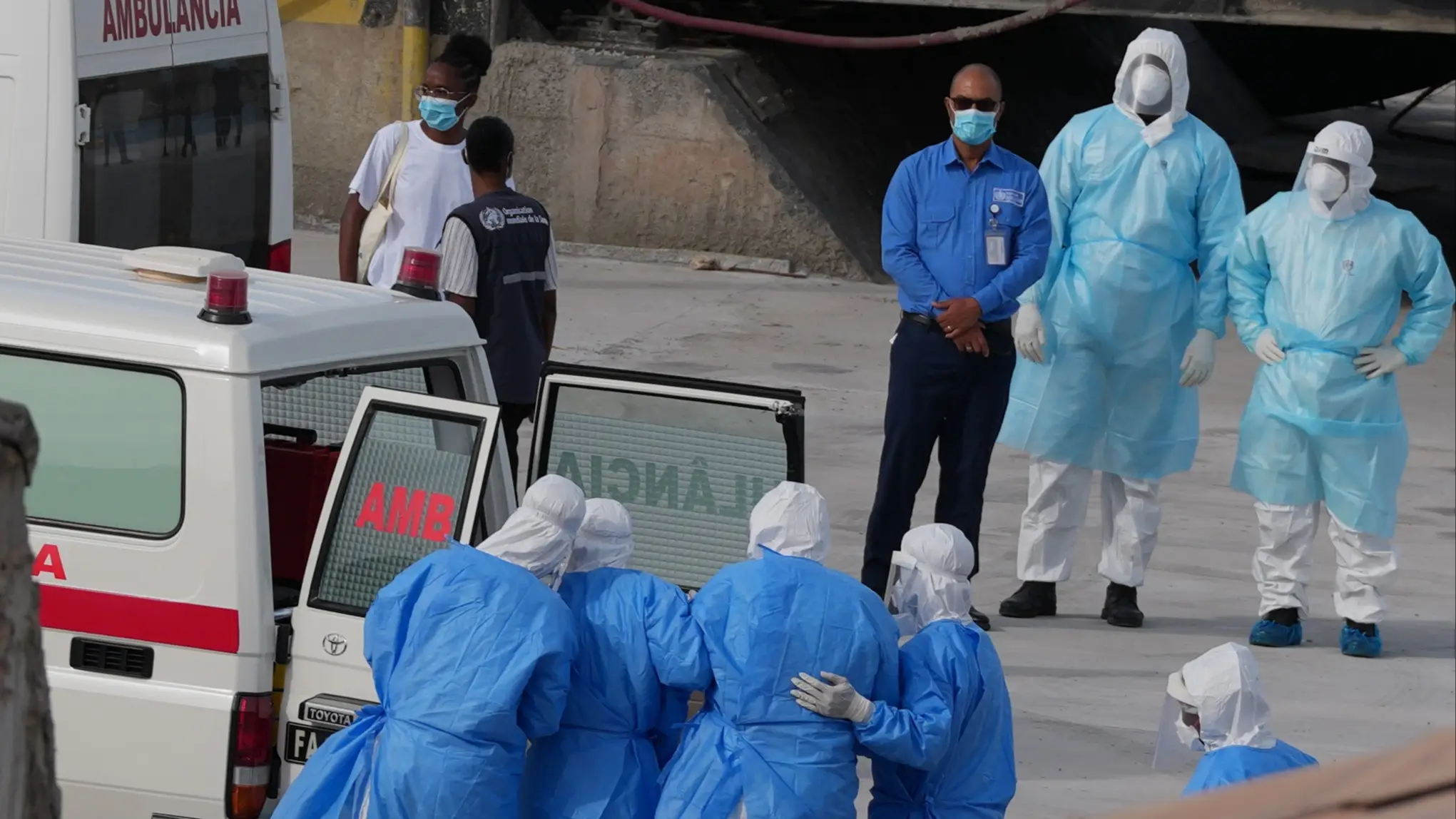
Hantavirus spreads to Europe in alarming update after cruise deaths

The number of hantavirus cases linked to the cruise ship MV Hondius has jumped to eight, after a man who left the ship later tested positive for the deadly disease.
The unnamed man had returned from a trip to South America with his wife and received an email from the ship's operator informing him of the ongoing outbreak.
After noticing symptoms himself, he was immediately placed in quarantine and is now receiving care at the University Hospital Zurich (USZ). His wife is self-isolating too, though she isn't showing any symptoms.
Switzerland's Federal Office of Public Health (FOPH) said it 'considers the occurrence of further cases in Switzerland unlikely' and 'the risk to the public in Switzerland is low'.
Advert
That said, contact tracing is underway, while separately, the World Health Organisation is trying to track down more than 80 passengers and six crew who shared a flight with a Dutchwoman from the MV Hondius who tested positive for hantavirus and sadly died.
Meanwhile, around 150 passengers are stuck on the MV Hondius, left in limbo after Cape Verde and then Tenerife refused to allow the ship to dock.
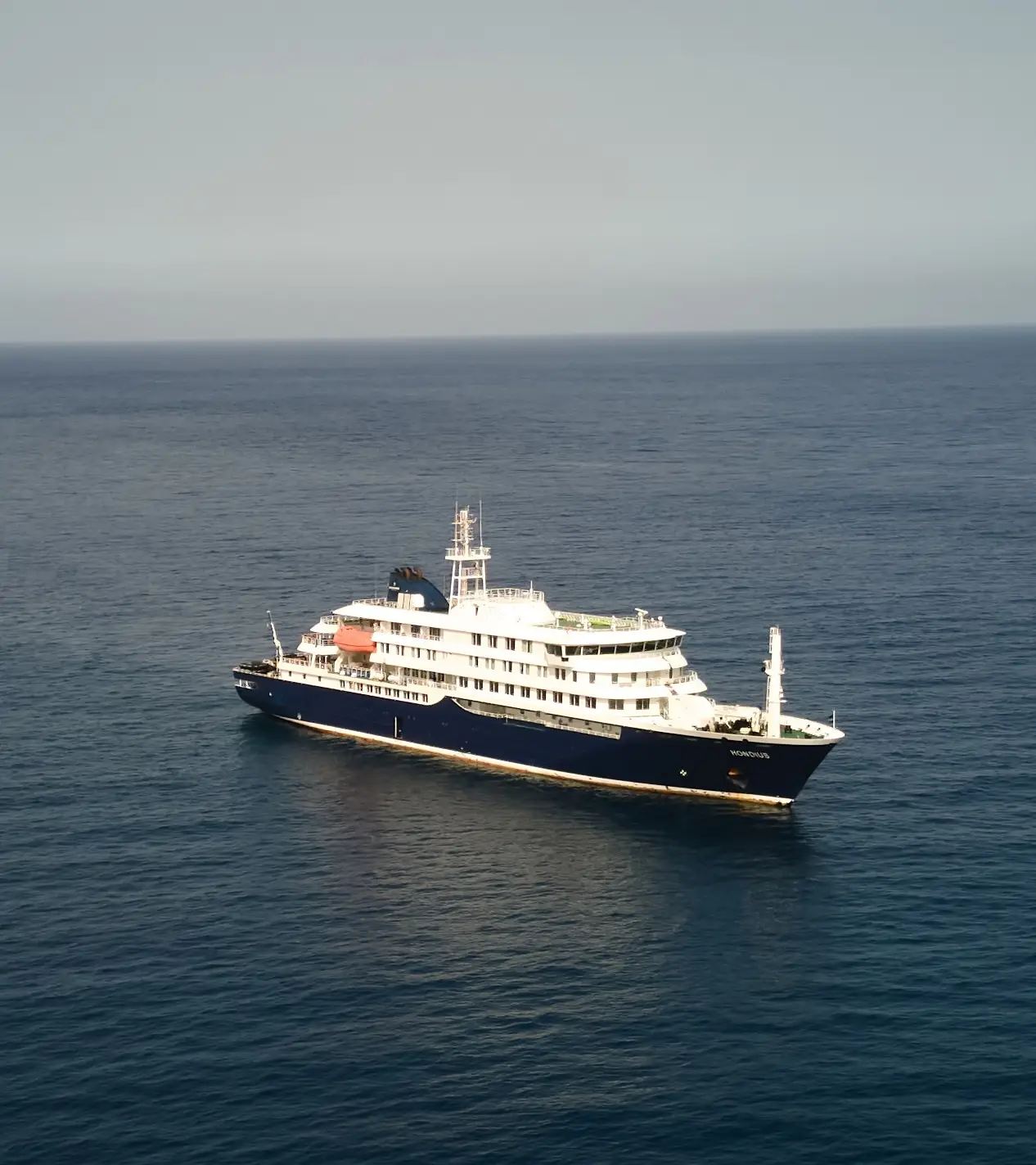
The strain of hantavirus involved in the outbreak, which affects the lungs and heart, has a 20 to 40 percent fatality rate, with the WHO calling it 'a disease of major public health concern'.
The health body said: "In line with the International Health Regulations (IHR), WHO is working with relevant countries to support international contact tracing, to ensure that those potentially exposed are monitored and that any further disease spread is limited.
"The outbreak has caused growing concern because the virus can stay hidden in the body for up to eight weeks before symptoms appear."
Health experts are especially worried because the virus may be spreading from person to person — something that is rare for hantavirus.
Hantavirus is typically a group of viruses carried by mice and rats, and is transmitted by their droppings and urine.
Three deaths linked to hantavirus outbreak
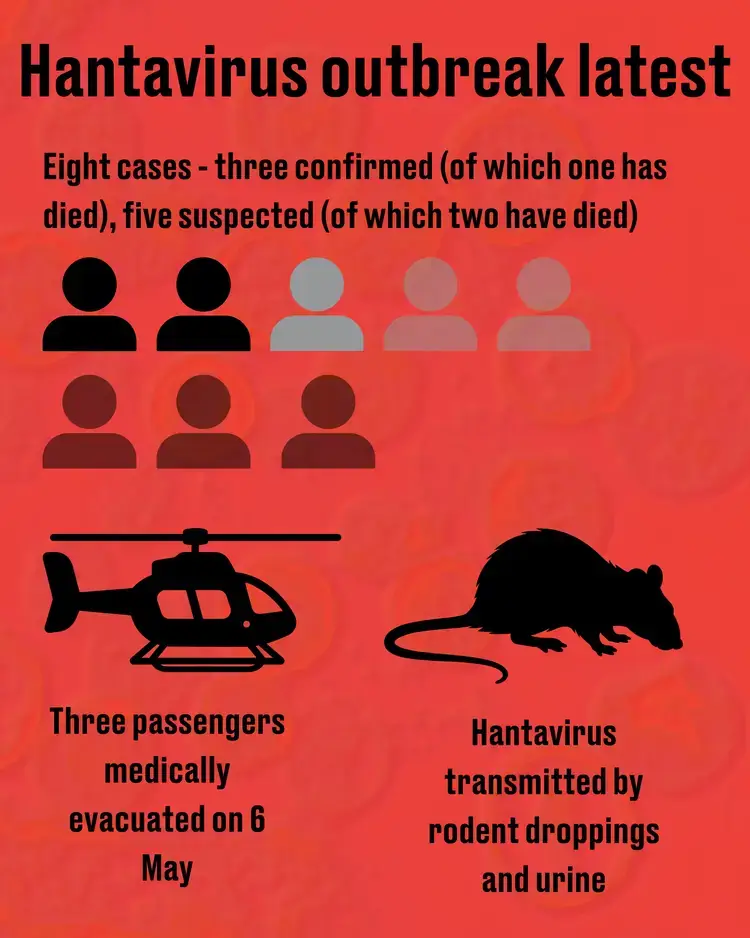
The WHO said at least five people connected to the cruise have become sick and three have died.
Experts believe the outbreak may involve the Andes strain of hantavirus, a rare version that can spread between humans and has a death rate of around 40 percent.
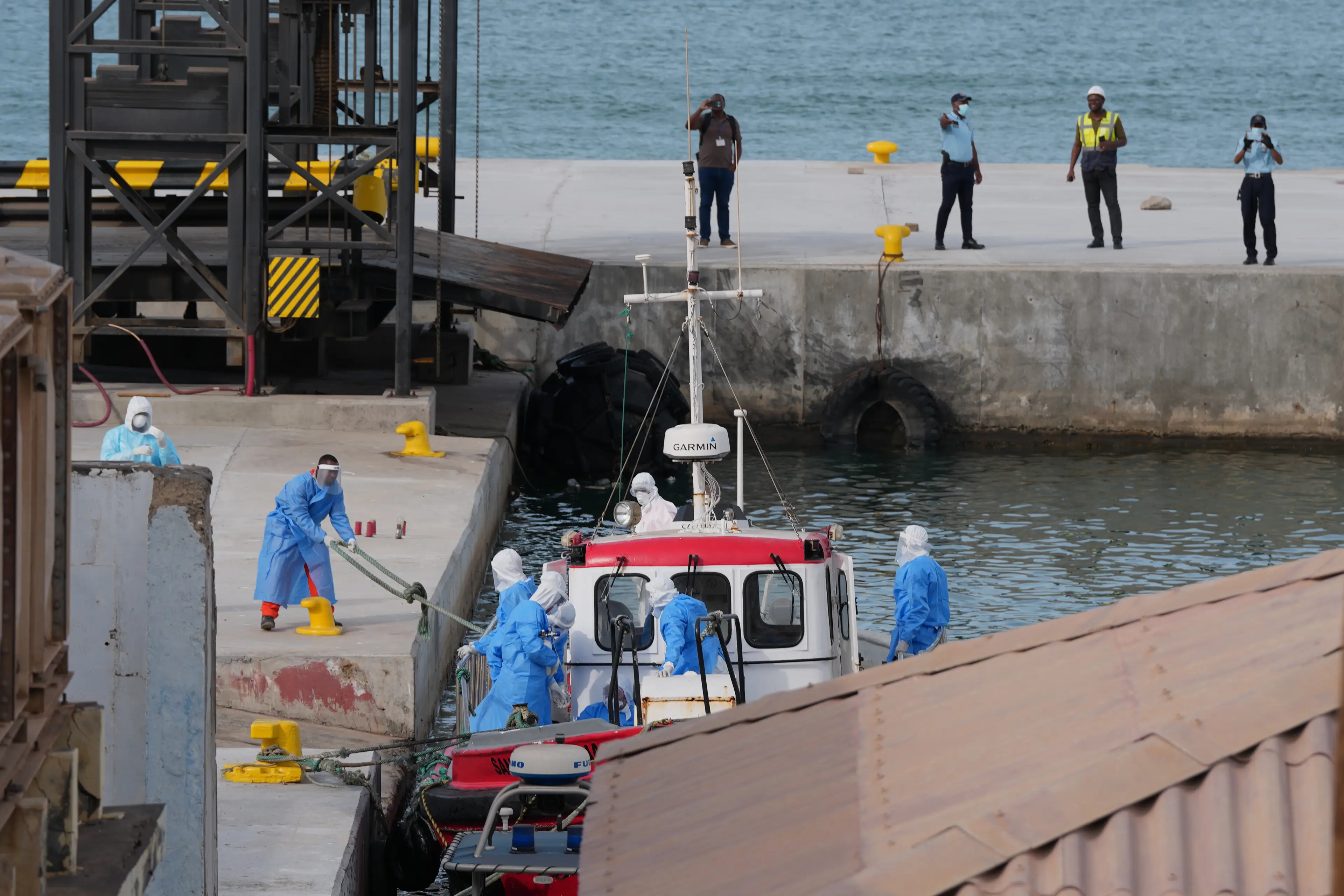
The ship arrived in waters off Cape Verde on 3 May, with a number of British nationals on board.
Today (6 May), three suspected hantavirus patients were medically evacuated from the cruise ship to receive medical care in the Netherlands.
Dr Tedros Adhanom Ghebreyesus, director-general of the WHO, said on X: “WHO continues to work with the ship’s operators to closely monitor the health of passengers and crew, working with countries to support appropriate medical follow-up and evacuation where needed.
“Monitoring and follow-up for passengers on board and for those who have already disembarked has been initiated in collaboration with the ship’s operators and national health authorities.
“At this stage, the overall public health risk remains low.”
Spreading from person to person
Andes virus, Professor Sir Andrew Pollard, director of the Oxford Vaccine Group at the University of Oxford, told BBC Radio 4’s Today programme: “With this particular hantavirus, the Andes virus, it is known very rarely to spread between people with close contact, usually symptomatic individuals who are in close contact with each other.
“That’s important because it means it is very easy to isolate people who are unwell and to follow sort of quarantine and so on to avoid spread to other people.
“It’s not like the situation we had with Covid-19 in the pandemic where people could spread even without symptoms, and therefore it was able to spread very easily in the population.”
He added: “I think the risk is essentially zero of spread outside of this particular outbreak, because the authorities have recognised this and they know exactly what to do to make sure that the individuals are isolated and there’s no-one with transmission now that we know what we’re dealing with.”
The symptoms of hantavirus

Hantavirus can cause two life-threatening syndromes, according to the WHO: hantavirus cardiopulmonary syndrome (HCPS) and haemorrhagic fever with renal syndrome (HFRS).
The early symptoms of HCPS, which attacks the lungs, start one to eight weeks after infection, and include:
- Fatigue
- Fever
- Muscles aches
- Headaches
- Dizziness
- Chills
- Nausea and vomiting
- Diarrhoea
Later symptoms include:
- Coughing
- Shortness of breath
- Tightness in the chest
Early symptoms of HFRS, which affects the kidneys, start one to two weeks after infection, and include:
- Intense headaches
- Back pain
- Abdominal pain
- Fever/chills
- Nausea
- Blurred vision
Later symptoms include:
- Low blood pressure
- Internal bleeding
- Acute kidney failure
Topics: News, Health, World News
 Anish Vij