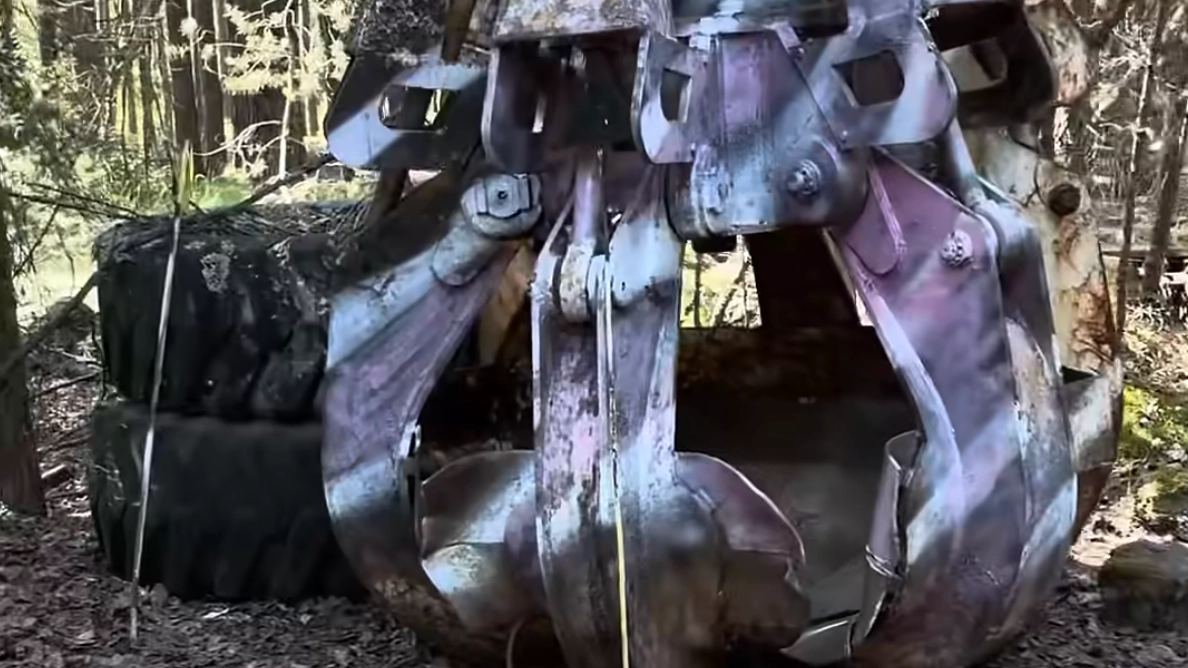
Man visits ‘most radioactive thing in Chernobyl’ to show chilling reality

These days, you can't really visit the Chernobyl exclusion zone because Russia insists on invading Ukraine and has made several strikes on the power plant itself.
Investigators have warned that the protective dome built over reactor number four lost its 'primary safety function' after a Russian drone strike last year.
Fortunately, the experts judged that the risk of radioactive contamination was 'low' due to other protections, but officials on the ground warned that if the Russians hit another part of the area it could have a much more serious impact.
Coming up to 40 years after the disaster itself, it is still a dangerous place to be, though it didn't stop people visiting before the war.
Advert
Prior to Russia's invasion of Ukraine in 2022, people could actually explore parts of the exclusion zone set up around the disaster zone, and a man visited the 'most radioactive thing' you can find there.
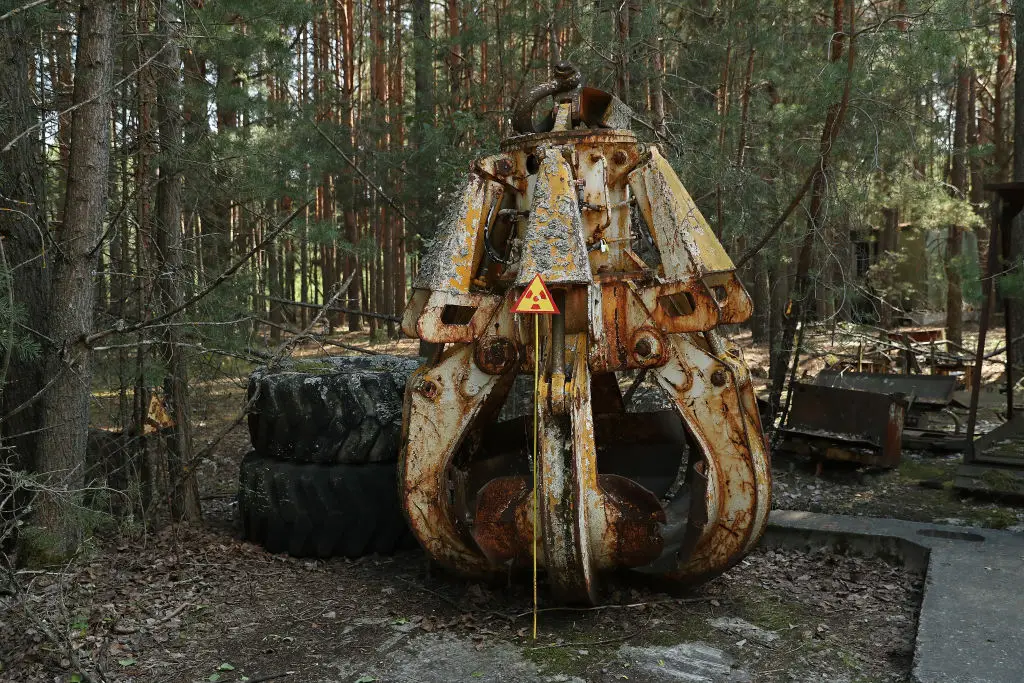
One of the things left behind in the exclusion zone is a claw which was once attached to a digger and used to dig radioactive material from the wreckage of the destroyed reactor.
A lot of things were left behind in the area around Chernobyl and this claw is one of them.
YouTuber Tom visited the exclusion zone several years ago and approached the claw, where he measured the level of radiation as it set his device off screaming and he picked up some 'hotspots' on the wreckage.
This giant metal claw was once used to move dangerous material from one of the world's worst disasters, so it's natural that it would register as radioactive.
Of course, it's not that dangerous to stand next to for a little while, as he said it was 'just sitting in the forest outside of Pripyat' and was allowed to go right up to it, but even still it's evidence that a disaster which occurred almost 40 years ago is still having an effect on the world around it.
The claw has actually become something of a tourist attraction as people have in the past climbed on it and posed for a picture.
According to Radiation Answers, spending a few minutes in the company of the claw would only result in someone getting a few microsieverts of radiation, so while you probably wouldn't want to live right next to it, you're not going to ruin your lifespan by seeing it.
While the claw is considered one of the more iconic pieces of Chernobyl wreckage in the exclusion zone, the real danger is the thing beneath the reactor itself, the infamous Elephant's Foot.
That's a mass of very radioactive material found in the bowels of the building which you would definitely not allow tourists to go anywhere near.
 Joe Harker