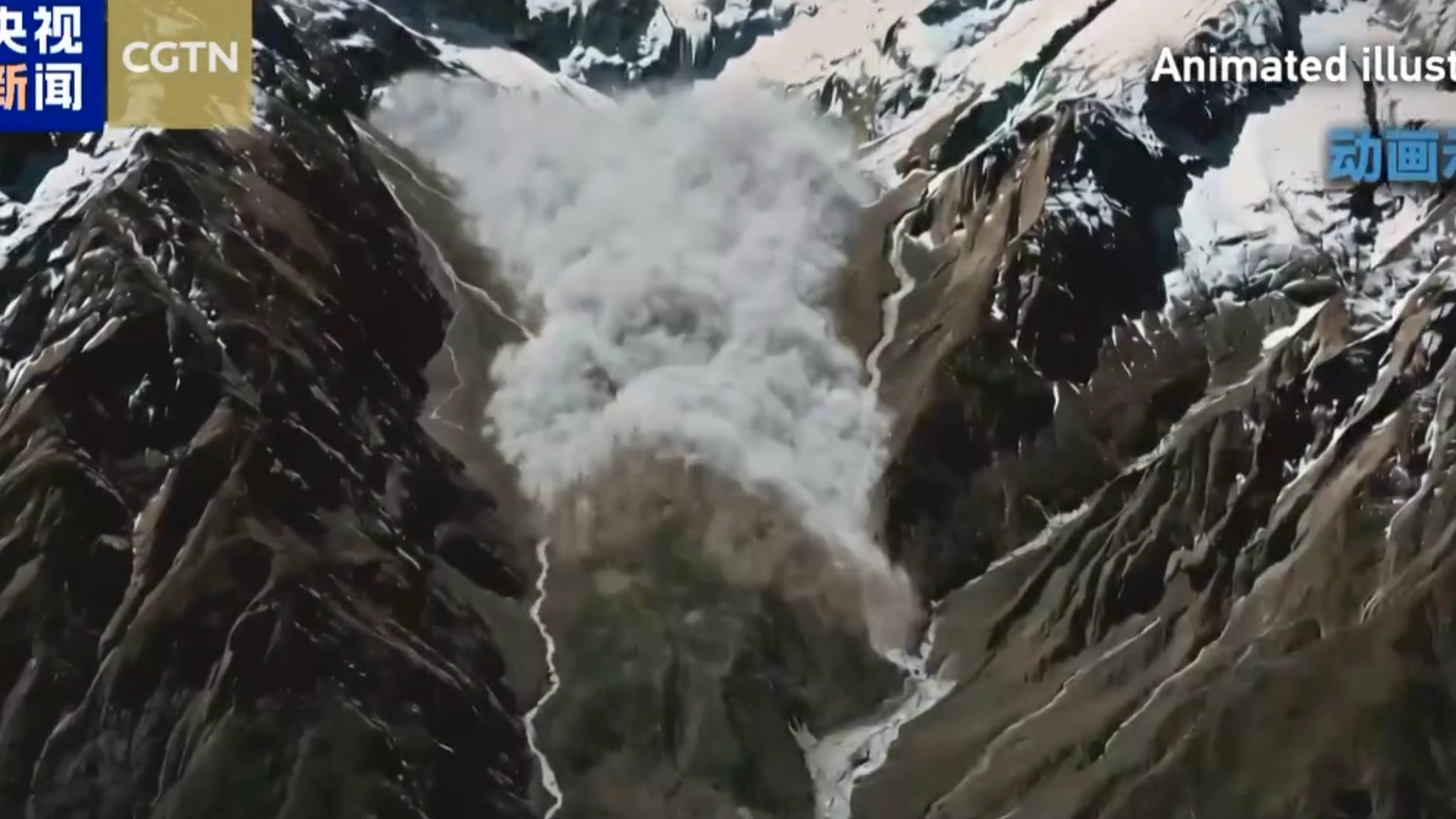
CGI animation shows how Nepal mudslide caused complete devastation in seven minutes

A terrifying CGI video has provided a visual of how the catastrophic flash floods unfolded in Nepal.
On 26 August, a collapsing glacier in the Himalayan mountains, close to the border between Nepal and Tibet, crashed into a nearby river, sending a barrage of water, mud and debris cascading through the valley and into nearby villages.
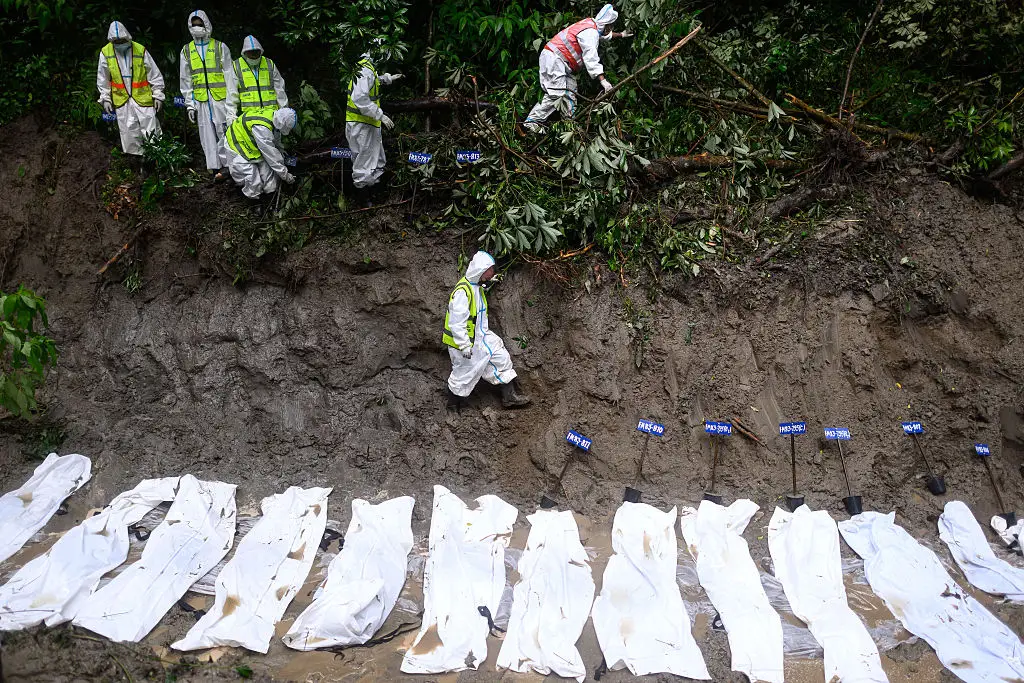
At the time of writing, a report from Nepal's Foreign Ministry suggests that 1,010 people in Nepal were killed by the devastation, with a further 3,916 still missing.
Advert
In China, the current death toll stands at 16, while 546 are reported missing.
As search and rescue efforts continue across both countries, Chinese television network CGTN has shared a terrifying animation showing how the catastrophe unfolded.
Watch it in the video below:
Nepal flash floods: devastation in just minutes
In the events depicted in the video, a glacier which sits above the Cuojian River in Nepal, which sits at 5,140 metres above sea level, collapsed, sending around 620,000 square metres of ice crashing down.
The avalanche then swept up nearby debris as it travelled downwards into the Bhote Koshi River. The steep elevation drop allowed the water, ice and other debris to rapidly gain speed, increasing the catastrophic capability, with the video claiming the water reached speeds of 50 metres per second.
The absolute devastation caused by the floods is evident in before-and-after images of the region, with the Gyirong Port border crossing between China and Nepal - which was reached in just seven minutes - showing complete destruction.
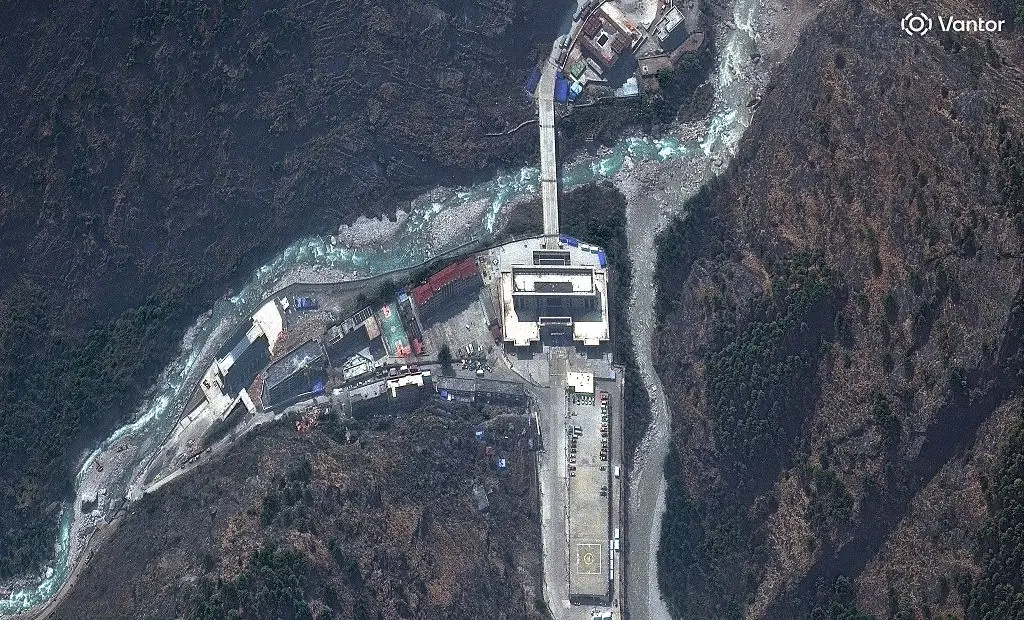
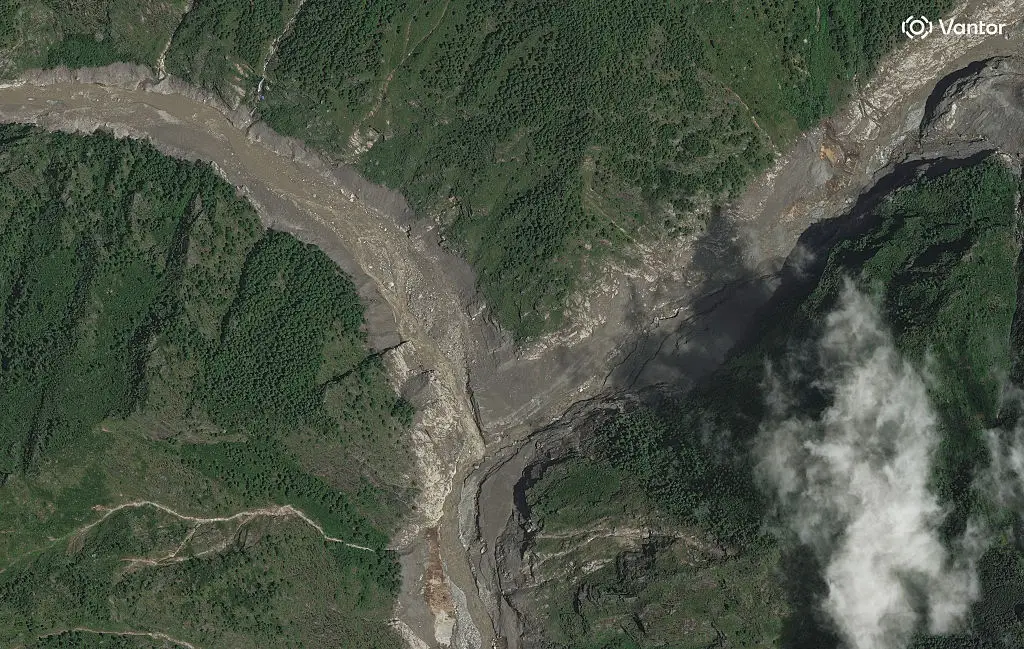
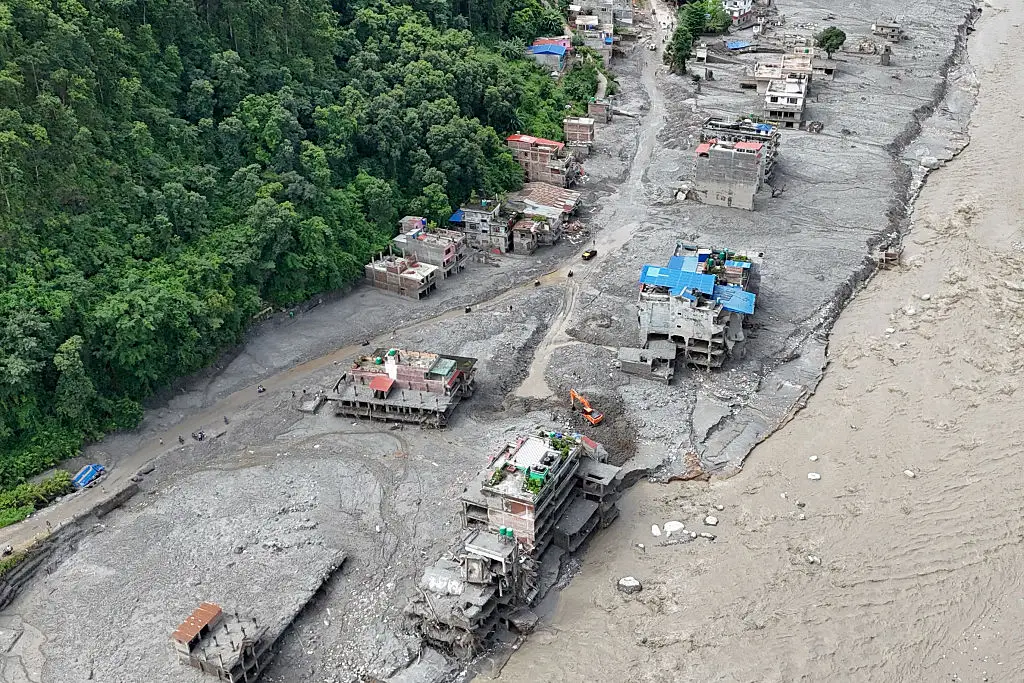
After crashing into Gyirong Port, the wave of water and debris split into two, with the downstream torrent devastating communities in Central Nepal.
Local authorities are also concerned about a barrier lake, caused when debris creates a dam in the river, forming in the region and causing further flooding.
Were the Nepal floods caused by climate change?
As disaster relief efforts are ongoing on both sides of the border, concerns have turned towards the cause of the deadly floods – and whether or not it could happen again.
Following the disaster, Nepali Prime Minister Balendra Shah called for further action to combat a worsening climate crisis in the Himalayan mountains.
"This incident has indicated that the risks we face in the Himalayan region are increasing with climate change," Shah wrote on social media.
"Therefore, this region must be alert, and at the same time, it is time for us to strongly raise the issue of disasters caused by climate change before the international community."
Shah's comments echo a warning from UN assistant secretary-general Kanni Wignaraja, who told Reuters that 'technology systems cannot move fast enough' to prevent further devastation.
In 2020, it was determined that there were 47 potentially dangerous glacial lakes in Nepal, China and India, a figure which is now believed to be higher.
Topics: World News
 Brenna Cooper