Tragic footage shows how Nepal flash floods really started

Dramatic new footage shows how the flash floods began in Nepal as rescue efforts continue.
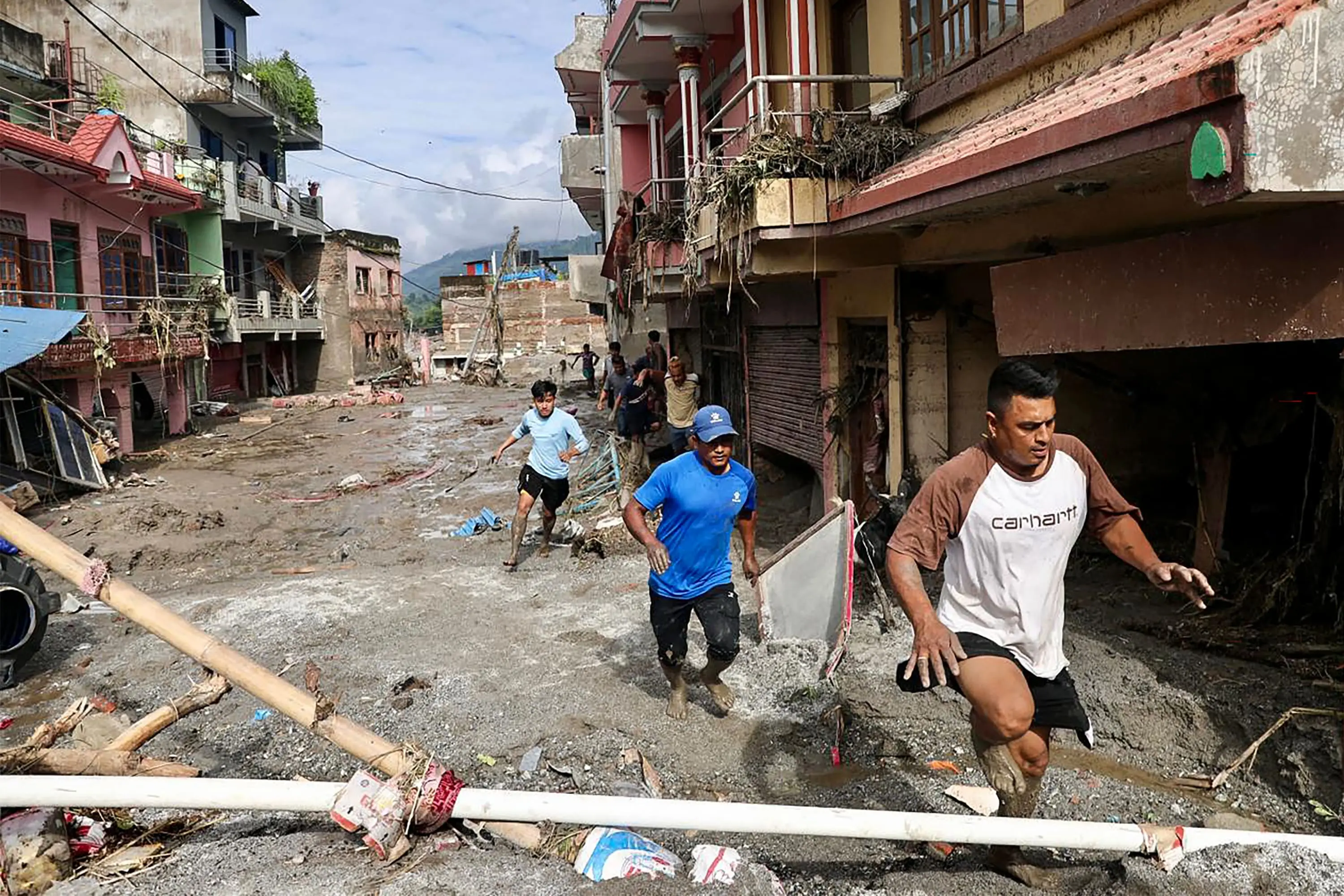
Beginning on Wednesday (26 August), devastating floods swept through Nepal, claiming the lives over 500 people and leaving more than 2,000 missing.
It was thought that the flood was caused by a glacier collapsing in the Himalayan mountains, with new footage obtained by the New York Times proving that theory to be correct.
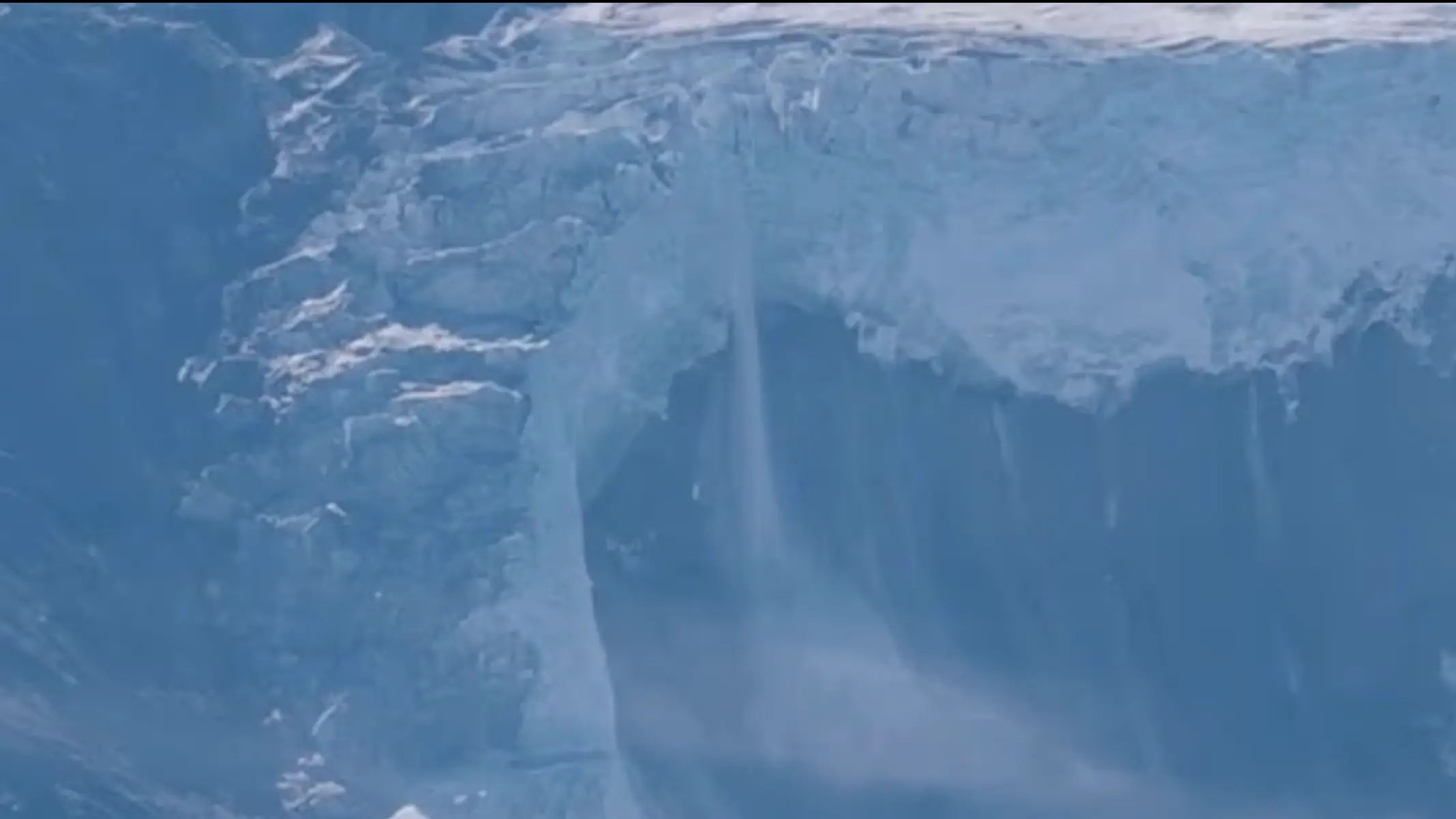
Filmed by Ziha Yitie, a tour guide who had been leading a group of hikers near to the border in Nepal on Wednesday morning, the clip provides a clear view of the avalanche that prompted a wall of water and mud to descend upon the river valleys below.
Advert
Large chunks of ice can be seen falling off the ridge of Langtang Lirung peak. One large chunk fell and formed two lakes, which eventually lead to flooding along the Gyirong border crossing between Nepal and Tibet.
Yitie, 26, explained that he and his group of hikers had seen Tsangbu Ri's peak and glacier thanks to a break in the morning mist, prompting them to pull out their cameras and capture the moment.
While filming, a series of rumbles could be heard, which they initially dismissed as thunder. However, a loud crack was heard shortly afterwards and a wall of noise from an avalanche later followed.
Describing the moment, Yitie told the publication, “It sounded like explosives detonating inside the mountains."
Footage filmed by the hikers shows their surroundings both before and after the avalanche, giving a first-hand look at the amount of glacial ice and rock that dropped into a valley below.
Soon after the avalanche, the air was filled with dust, which Titie compared to a "massive mushroom cloud". This was followed by small pieces of ice dropping from the glacier.
While the group were stunned by what they saw, it wasn't until they left the mountains and heard news reports that they became aware of the devastation the avalanche and floods had caused.
Search and rescue operations had been underway but were brought to a brief halt due to rain and fog, however on Saturday (29 August) it was confirmed they had resumed with helicopters heading to the worst-hit areas.
On Saturday, a UK rapid deployment team arrived in Nepal to help support British nationals. Of the thousands of people missing, over 500 are believed to be foreign nationals, 33 of whom are understood to be British.
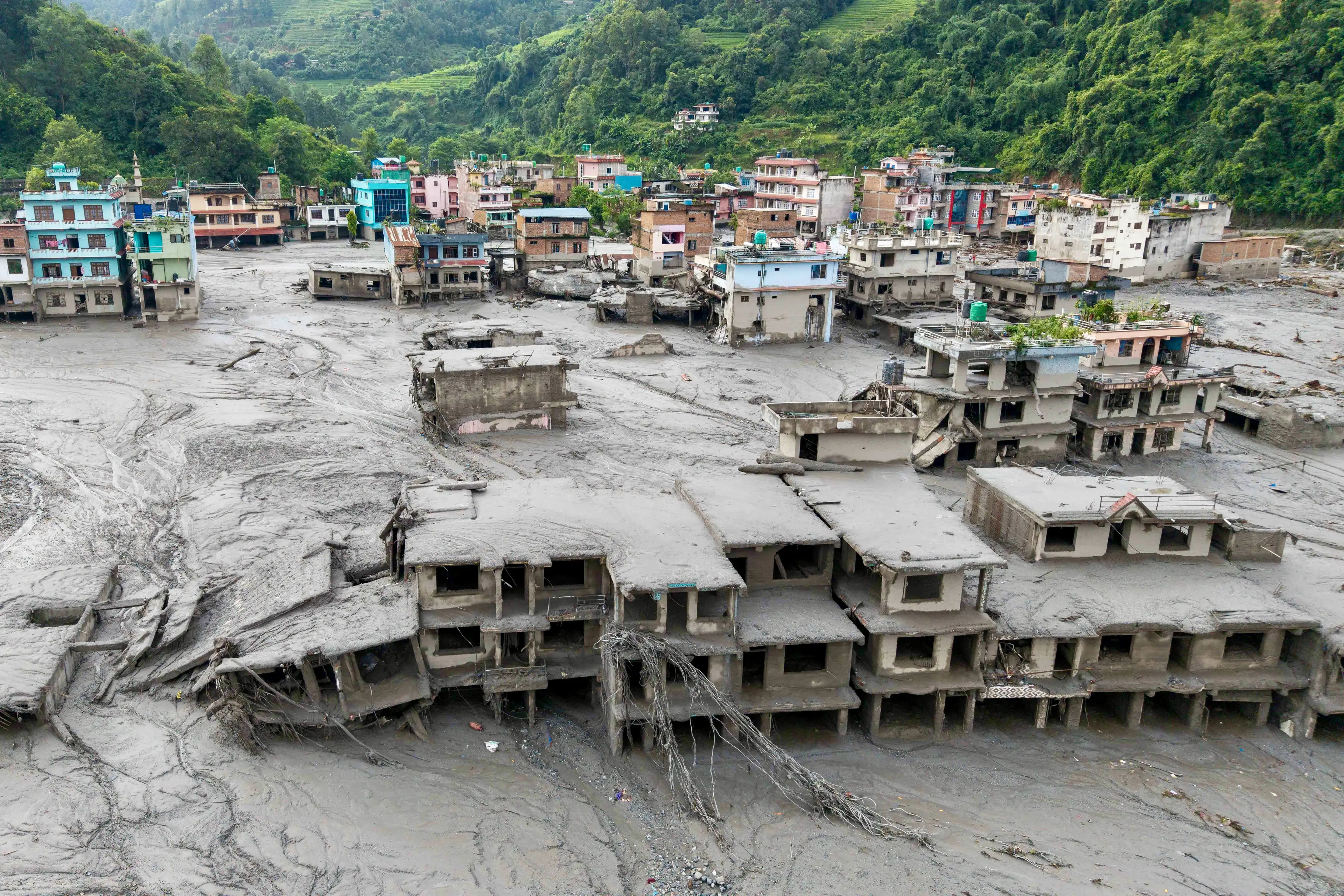
There are fears that a secondary flood could occur in the region, with China warning there is a 'high risk' due to water accumulating at a nearby barrier lake.
2.5 million cubic metres of water is currently being held back by a dam of debris in the river, according to a report from Chinese state television, which was shared by the BBC.
Nepali police have also issued a warning about floods and urged people to consider moving to a safe location.
Topics: News, World News, Weather
 Danni King