Ancient pandemic grave reveals chilling history of plague that killed 50 million people and destroyed a city

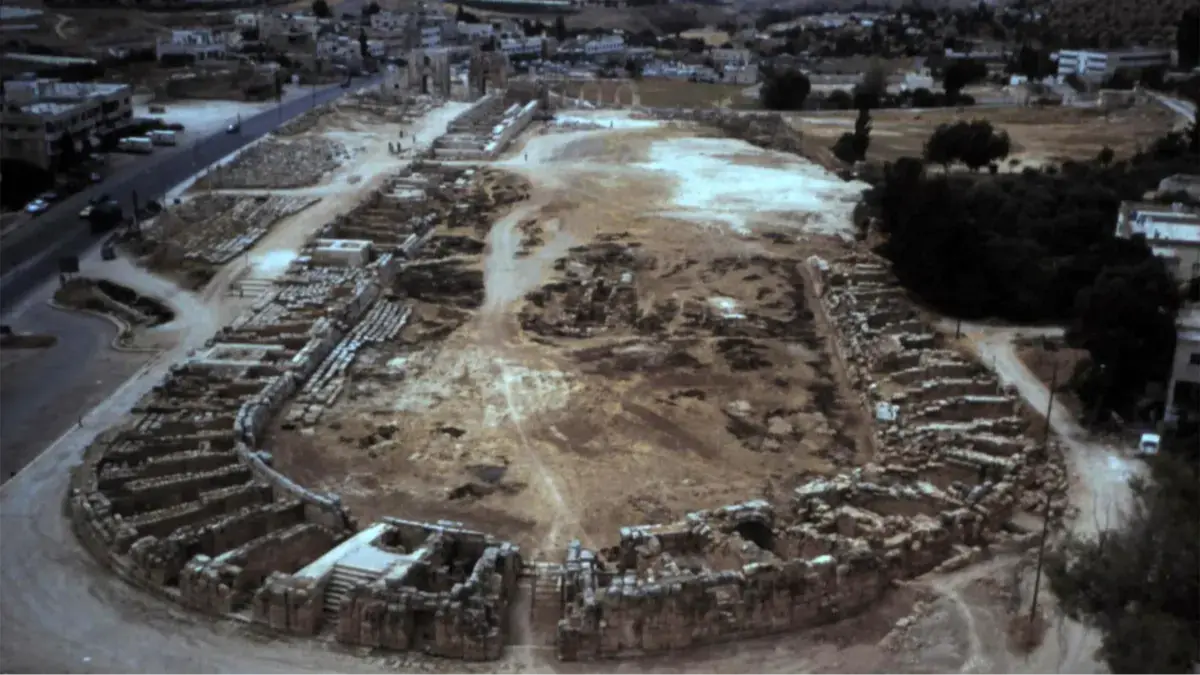
An ancient mass grave in Jerash, Jordan uncovers new details about one of the earliest recorded pandemics in history.
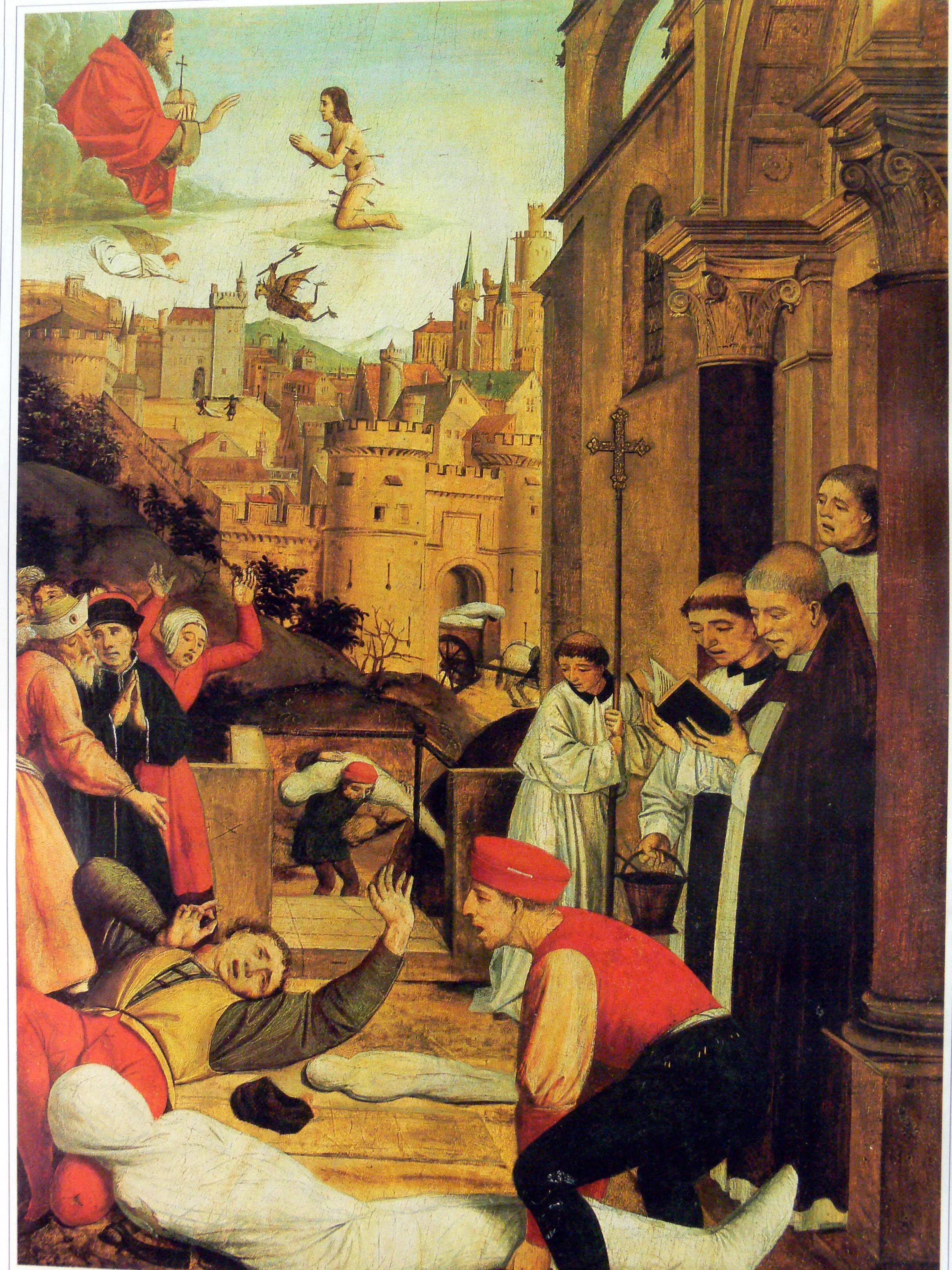
The Plague of Justinian spread across the Byzantine Empire between 541 and 750 CE, and is estimated to have killed up to 50 million people.
Researchers from the University of South Florida have been studying the site and say the grave offers an insight into how the deadly outbreak overwhelmed entire communities.
Their latest study 'Bioarchaeological signatures during the Plague of Justinian (541-750 CE) in Jerash, Jordan' centres around the grave where hundreds of bodies were found.
Advert
"We wanted to move beyond identifying the pathogen and focus on the people it affected, who they were, how they lived and what pandemic death looked like inside a real city,'' Rays H. Y. Jiang, who led the study, said.
They noticed that because the bodies were placed on top of broken pottery in an abandoned public area, it suggested that usual burial practices had broken down as the pandemic spread.
Scientists confirmed that the deaths were linked to Yersinia pestis, the bacterium responsible for bubonic plague.
While earlier research had already identified the pathogen behind the pandemic, this new study focuses on the human story — who the victims were and how the disease reshaped society.
First confirmed mass grave
Historical records describe widespread disease during the Byzantine era, but until now, many suspected burial sites lacked scientific proof.
"The earlier stories identified the plague organism,'' Jiang added.
"The Jerash site turns that genetic signal into a human story about who died and how a city experienced crisis.''
Understanding how pandemics affect humans
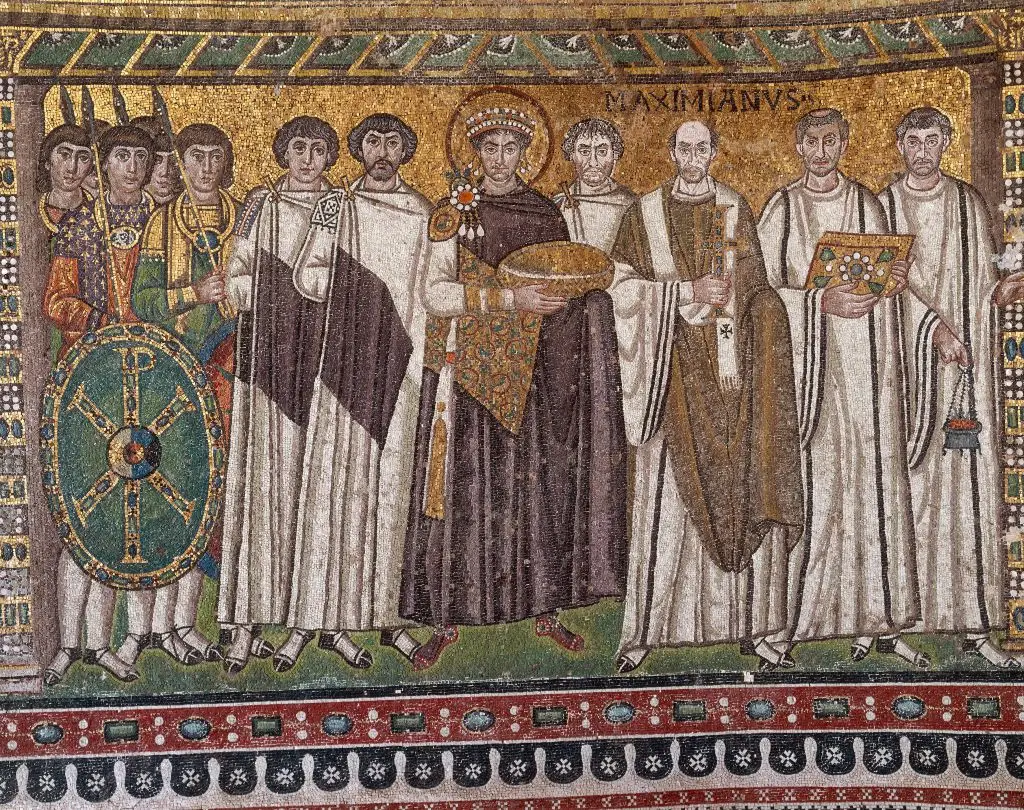
Normally these groups would have been scattered across the region, travelling and mixing with different societies. During the pandemic, however, they were brought together in one burial place, revealing hidden connections between communities.
Written and genetic evidence suggests people travelled widely in the ancient world, but burial sites often appear local.
"By linking biological evidence from the bodies to the archaeological setting, we can see how disease affected real people within their social and environmental context,'' Jiang said.
"This helps us understand pandemics in history as lived human health events, not just outbreaks recorded in text.
"Pandemics aren't just biological events, they're social events, and this study shows how disease intersects with daily life, movement and vulnerability.
"Because pandemics reveal who is vulnerable and why, those patterns still shape how disease affects societies today.''
Topics: World News, History
 Anish Vij