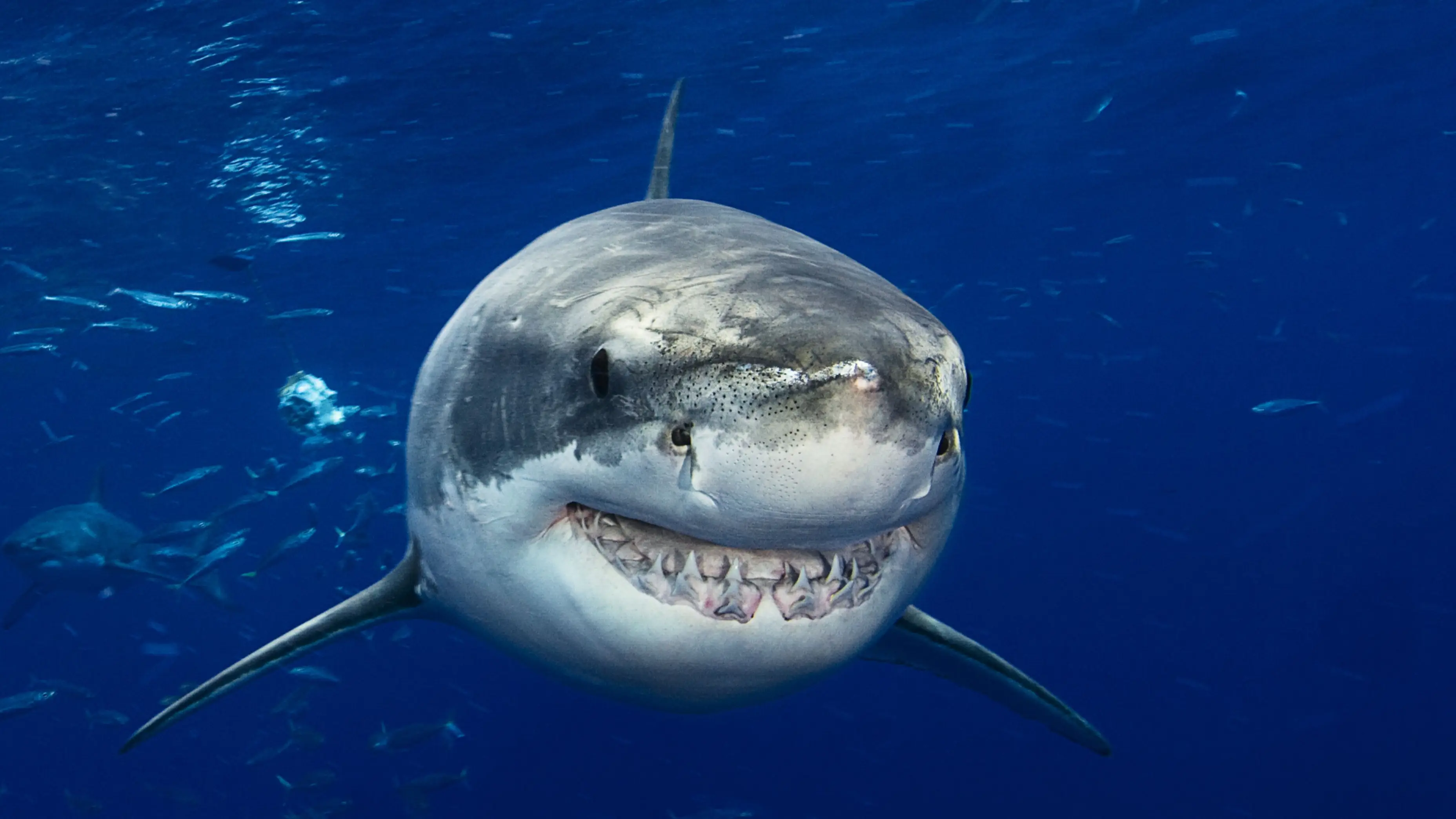
Shark expert's theory explains why 13-foot great white killed man in 'horrific' incident

A shark expert has forwarded a plausible theory to explain why a great white shark attacked an Australian swimmer, killing him.
Only weeks before Shark Week 2026 in May, a 13ft great white shark attacked and killed a swimmer off the coast of Australia's Rottnest Island, around 20km away from the western city of Perth.
The swimmer was identified as 38-year-old Steven Mattaboni, a father of two who resided in Perth's northern suburbs.
It was also confirmed that Mattaboni had been spearfishing with friends about 1km offshore, near the coastal beauty spot Horseshoe Reef, when he was attacked. A local police officer who attended the scene later shared further details of the 'horrific' attack, explaining that Mattaboni had been attacked as he surfaced from the water and made his way back to the boat.
Advert
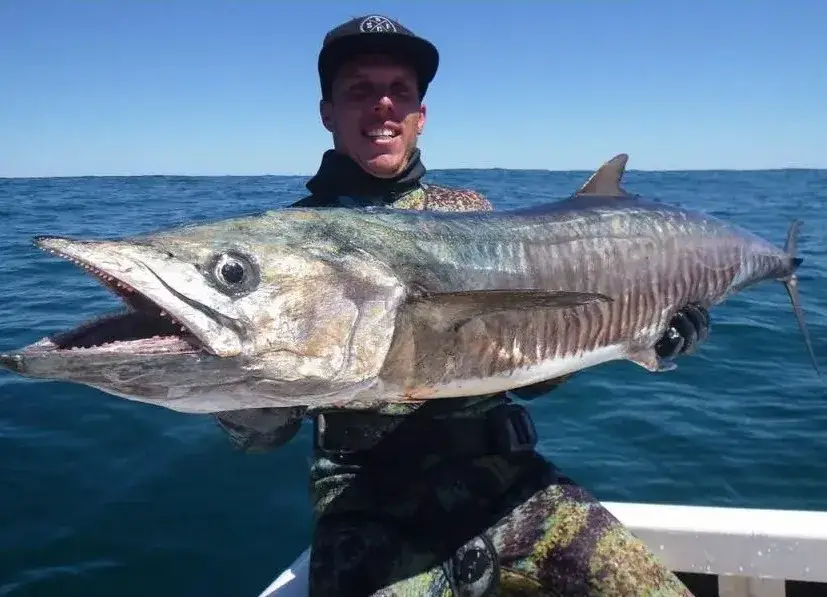
"He was on the surface of the water coming back to a boat, and that's when he was attacked," Sergeant Michael Wear, the officer-in-charge of the Rottnest Island police station, told 6PR.
While the exact details which led to the shark attacking Mattaboni are unclear, one expert in the field suggests that spearfishing may have attracted the marine predator.
"One aspect that unambiguously brings most species [of] sharks into an area is spearfishing," Gavin Naylor, Director for Florida Program for Shark Research, told LADbible.
"Speared fish generate vibrations attracting sharks in from quite a distance away," he continued. "Once the sharks are brought in to a local area, they smell the blood from speared fish and will often focus their attention on the spear fishermen carrying the fish on a stringer. I suspect this is what happened."
The International Shark Attack File (ISAF) goes on to add that a combination of vibrations from the speared fish and the scent of blood can send sharks into a 'frenzied' state, which is why attacks on spearfishers are often counted as 'provoked' in statistics.

Wear clarified that he 'wasn't aware' if Mattaboni had been carrying a bag of fish on his person at the time, the act of spearfishing itself may have been enough to attract the creature, as the ISAF notes that vibrations from speared fish will attract sharks faster than blood.
The Rottnest Island officer also floated the idea of whether or not last Saturday's overcast weather could have played a role in attracting the shark to Mattaboni's location - marine researchers have often wondered if rainy, stormy or overcast days contribute to the likelihood of shark attacks - however Naylor does not think this to be the case.
"Many things affect the patterns of movement of sharks - and different species of sharks respond differently to different environmental conditions," he added.
"I doubt that the overcast weather at the time was much of a factor."
Topics: Animals, Sharks, Shark Attacks, World News
 Brenna Cooper