Five UK areas at risk of ending up underwater with Doomsday Glacier on the verge of collapse

A study has revealed that parts of the UK could be underwater in the next 80 years.
Millions of homes are at risk of being flooded as climate change is causing glaciers and polar ice sheets to melt at unprecedented rates, causing huge amounts of water to the world's oceans.
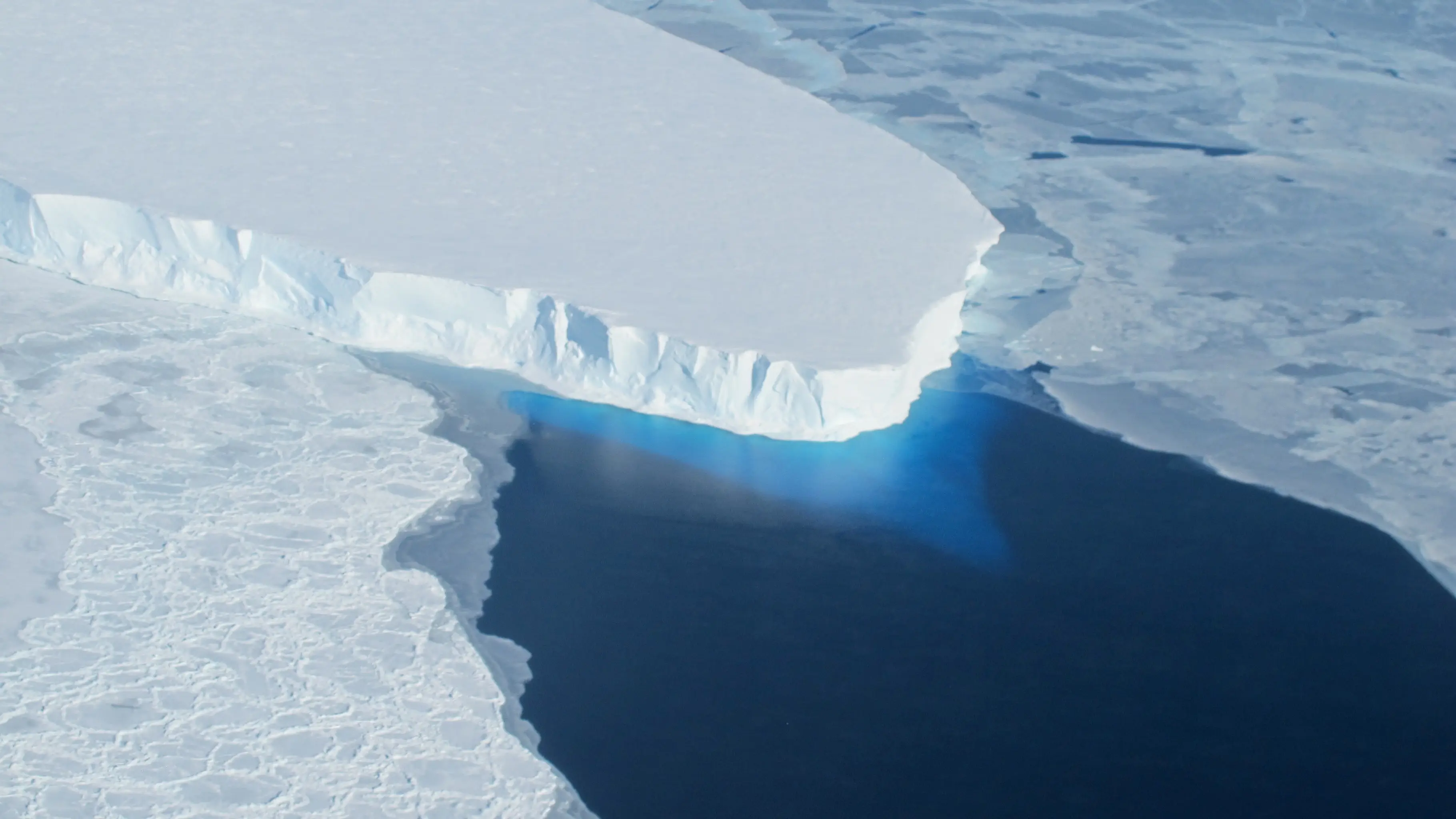
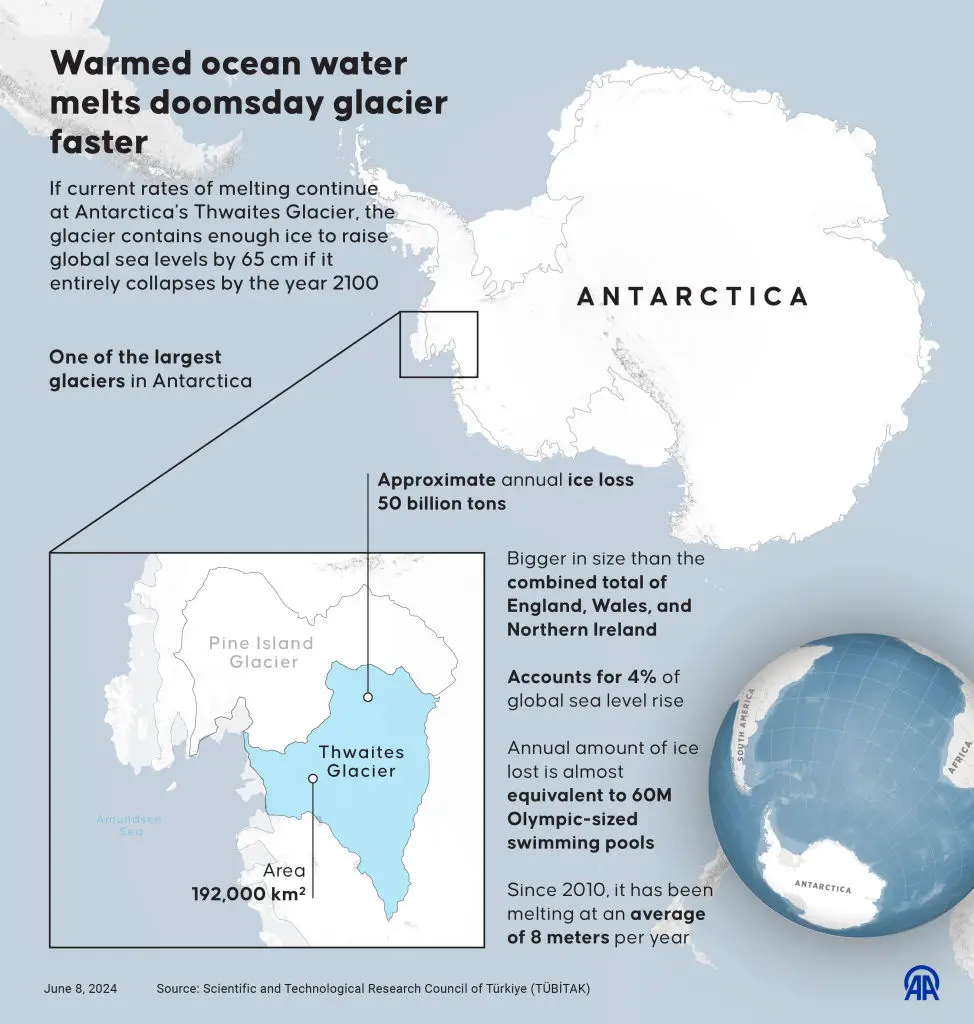
One of the major concerns is Antarctica’s Thwaites Glacier, commonly referred to as the 'Doomsday Glacier', which is currently responsible for about four percent of all global sea-level rise.
This massive glacier is almost the size of Great Britain and scientists fear it may be close to collapse with huge cracks appearing in the floating ice shelf that helps hold it in place.
Advert
Satellite images are showing signs that the Thwaites' ice shelf, a 45 km wide body of sea ice, is breaking away.
"Suddenly, large areas are just falling to pieces," Christian Wild at the University of Innsbruck in Austria recently told NewScientist.com.
"It looks like a windscreen that's shattering."
Research from Climate Central suggests several low-lying parts of Britain could face severe flooding by the year 2100 if carbon emissions continue to rise unchecked.
Liverpool and Lancashire Coast
The coast stretching from Lancaster to Liverpool is considered one of the areas most at risk.
Thousands of homes and businesses near the coast and around the Mersey estuary could face regular flooding as sea levels rise over the coming years.
London and the Thames Estuary
Parts of London could also be badly affected despite protection from the Thames Barrier.
Scientists say stronger sea defences may eventually be needed to protect homes, transport links and important landmarks in the capital.
Hull and East Yorkshire
Hull and nearby parts of east Yorkshire are especially vulnerable because much of the region lies below sea level.
The area has already experienced serious flooding in the past and experts fear annual floods could become more common.
Peterborough and Norfolk
Low-lying parts of eastern England, including Peterborough and Norfolk, are also under threat.
Rising sea levels could damage farmland, roads and coastal communities, with some areas at risk of being permanently submerged.
Cardiff, Swansea and North Wales
Communities across Wales, including Cardiff, Swansea and parts of North Wales, may also face severe flooding in the future.
Coastal towns are expected to become increasingly vulnerable to storm surges and rising tides.
Scientists say urgent action to cut carbon emissions could still help slow rising sea levels and prevent the worst effects of climate change.
"As a result of heat-trapping pollution from human activities, rising sea levels could within three decades push chronic floods higher than land currently home to 300 million people," Climate Central said in their report in 2019.
"By 2100, areas now home to 200 million people could fall permanently below the high tide line."
Topics: Global Warming, Weather, Environment, UK News
 Anish Vij