Exact iPhone camera settings to best capture solar eclipse without destroying phone

Want to capture a decent snap of the solar eclipse without destroying your phone camera? Here's what you need to do.
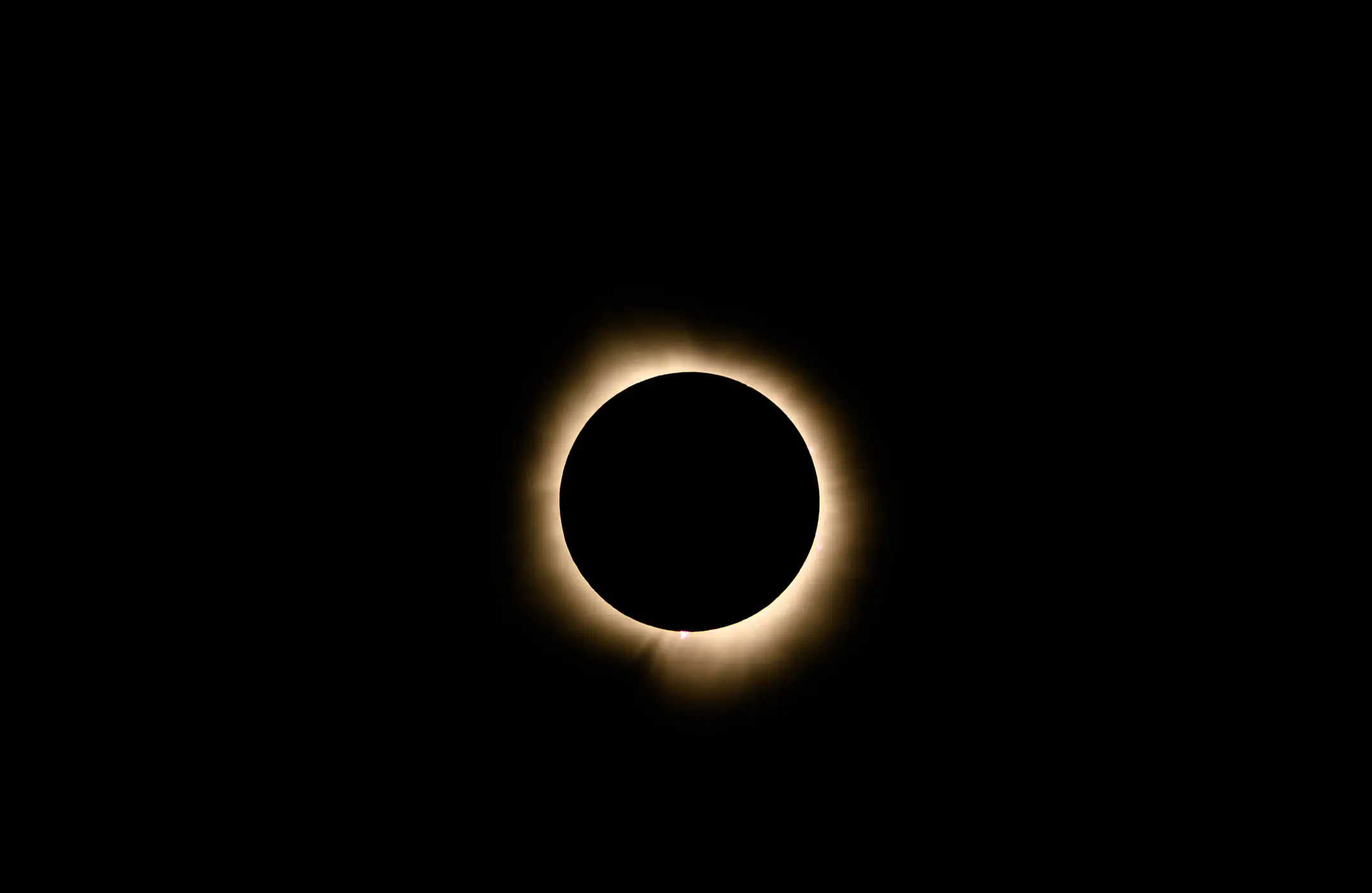
On Wednesday evening (12 August), millions of Europeans will get the chance to see either a full or partial solar eclipse, when the Moon passes in front of the Sun, for the first time here since 1999.
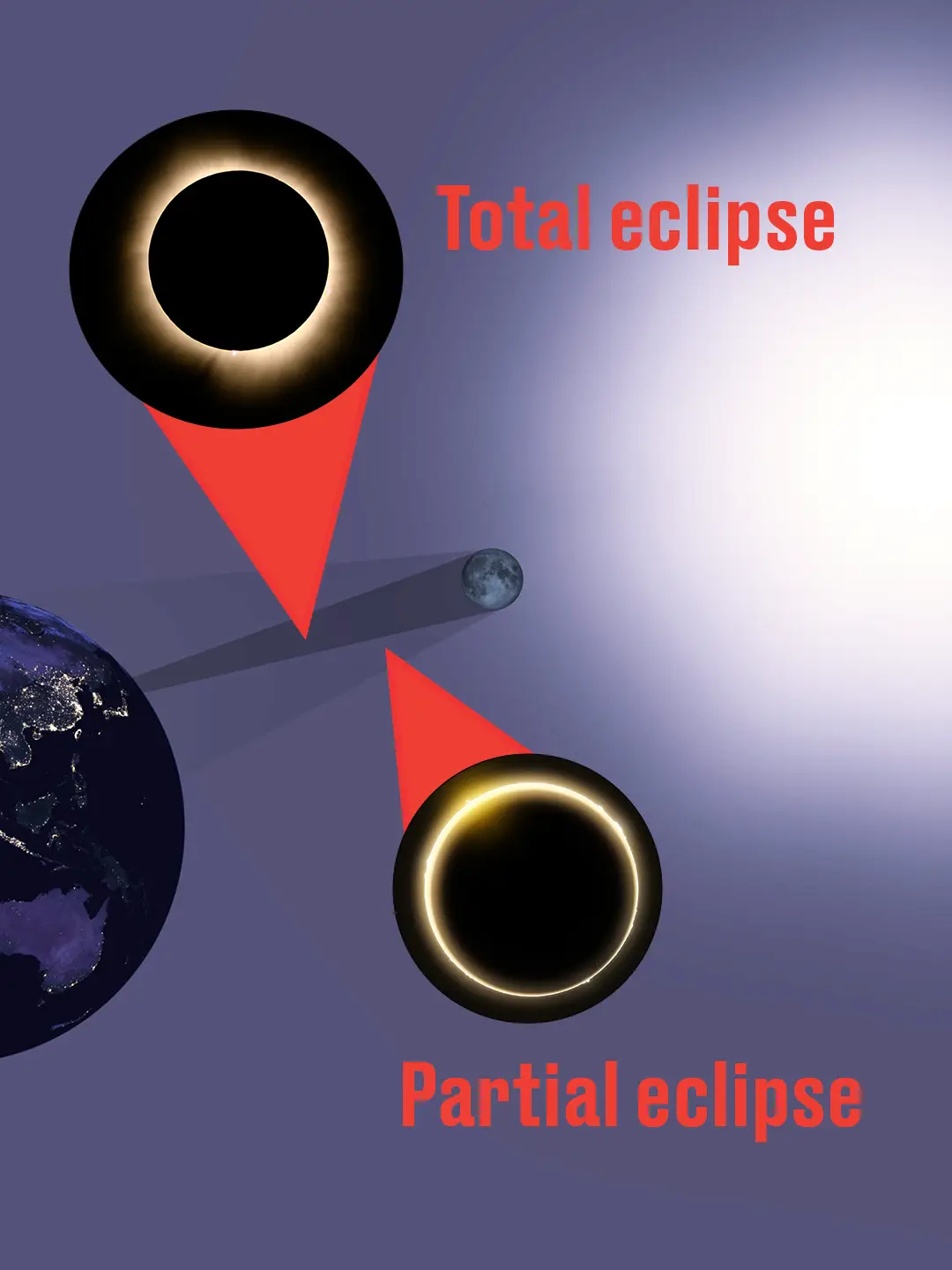
Anyone currently in Greenland, Iceland or northern Spain will be lucky enough to experience the eclipse in its totality, while the rest of Western Europe will be treated to a partial eclipse.
In the UK, the South West of the country will experience the most coverage - with the eclipse reaching 95 percent - while the rest of the country will see coverage upwards of 89 percent.
Advert
Can you take a photograph of the solar eclipse?
While it is possible to capture a photo of the eclipse on your smartphone, it isn't advised, as the sun's rays - even when partially or mostly covered - are strong enough to permanently damage your phone camera.
Outlining solar eclipse guidance during a 2024 event in the US, NASA warned people that pointing their phones at a partial eclipse without adequate protection risked damaging their devices permanently.
"The phone sensor could be damaged just like any other image sensor if it’s pointed directly at the Sun," the space agency wrote.
However, this doesn't mean that it's impossible to photograph the celestial event, as it is possible to safely capture images of the eclipse if the correct safety precautions are followed.
Space.com explains that this can be achieved by placing a solar filter over the lens of your device, which can also be used to cover binoculars and telescopes.
If you don't fancy splashing out on a last-minute solar filter, a pair of eclipse glasses or a viewer will also work, just make sure you've got a pair to cover your own eyes as well.
What are the best phone settings to use to photograph the eclipse?
Now that you've sorted the safety aspects of photographing the eclipse, it's time to optimise your mobile to get the best photo possible.
Reduce your exposure
Once you and your phone are in place, the first thing you're going to want to do is open up your camera, tap on the Sun on your screen and reduce your exposure. You want to be aiming for a Sun with a clear, defined edge rather than a blurry white blob.
How to change the exposure on an iPhone: Tap on the screen where you want the lens to focus and a yellow box with a Sun should then appear. Swipe down on the Sun icon and you will be able to adjust the exposure.
How to change the exposure on an Android: Exposure settings will vary from model to model. Some phones will have a similar feature to the iPhone, while others will give you the option to change the settings via a 'pro' feature.
Optical zoom
Guidance from Space recommends using optical zoom if your phone has it, as this function allows for better image quality when zooming in.
What happens if you look at a solar eclipse
As millions around the world catch a glimpse of the partial solar eclipse, it's certainly worth noting down how dangerous is can be to look directly at it.
Experts over at NASA have broken down exactly why you shouldn't look directly at one without specialised eye protection, and what exactly happens if you do.
Viewing any part of the Sun directly, or through a camera lens, binoculars, or a telescope without a special-purpose solar filter secured over the front of the optics will instantly cause severe eye injury.
Seema Eye Care Centre explains how directly making contact with the Sun during an eclipse can damage the retina - the part of the eye that senses light and helps us see.
The damage, called 'solar retinopathy', can happen very quickly and is often painless, so a person might not even realise it’s happening.
Symptoms of solar retinopathy include:
- Blurry vision
- Blind spots
- Permanent vision loss
How to watch a solar eclipse safely
When watching a partial or annular solar eclipse directly with your eyes, you must look through safe solar viewing glasses, which are known as 'eclipse glasses', or a safe handheld solar viewer at all times.
Eclipse glasses are not regular sunglasses; regular sunglasses, no matter how dark, are not safe for viewing the Sun.
Always make sure to inspect your eclipse glasses or handheld viewer before use; if torn, scratched, or otherwise damaged, discard the device.
Never look at the Sun through a camera lens, telescope, binoculars, or any other optical device while wearing eclipse glasses or using a handheld solar viewer - the concentrated solar rays will burn through the filter and cause serious eye injury.
Of course, if you do not have eclipse glasses or a handheld solar viewer, you can use an indirect viewing method, which usually consists of a pinhole projector. This has a small opening and projects an image of the Sun onto a nearby surface.
With the Sun at your back, you can then safely view the projected image.
Topics: World News, Weather, Phones, Technology
 Brenna Cooper