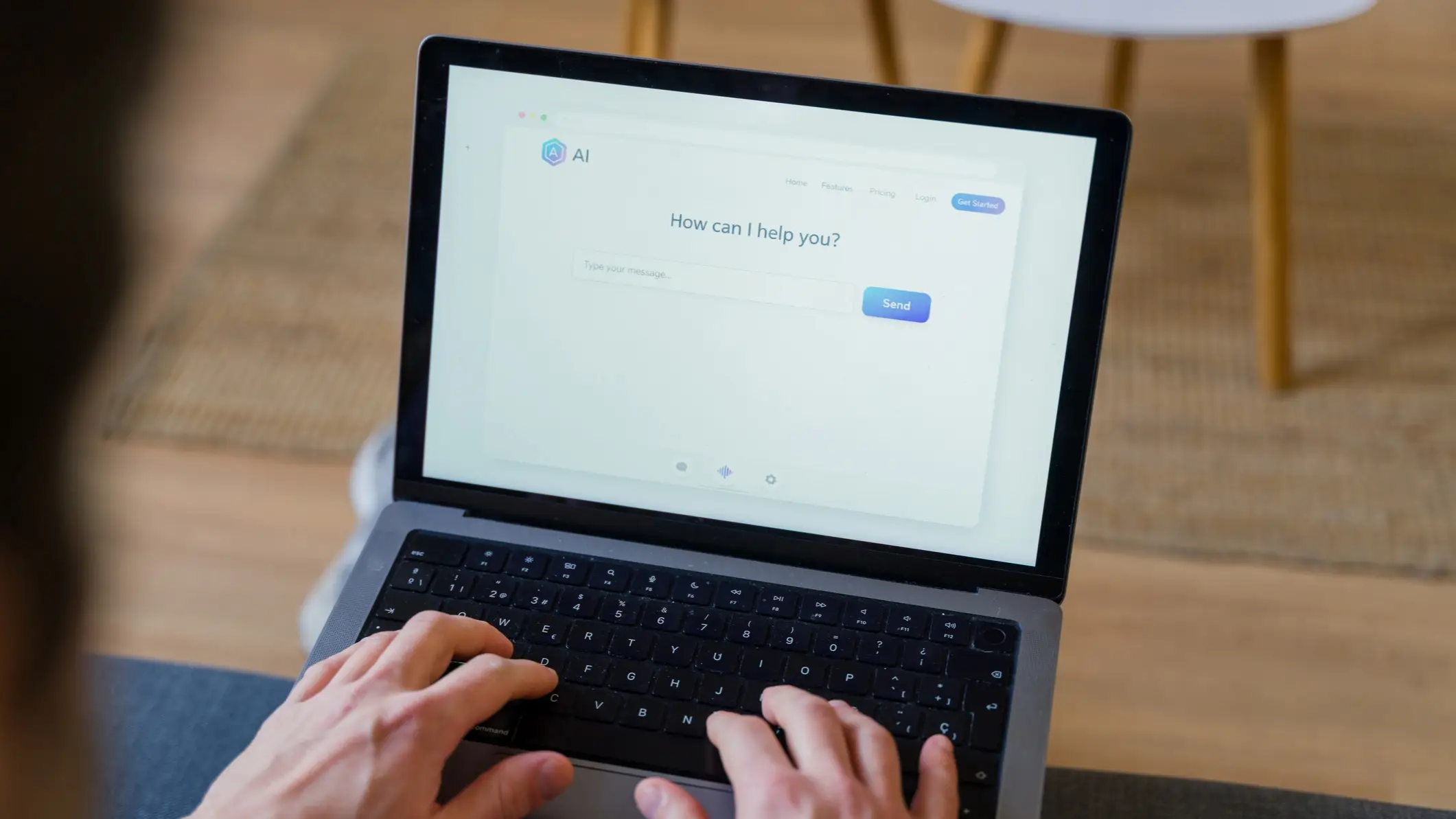
Proposal to limit use of AI chatbots in 27 countries follows concerns over it taking over humanity

Amid growing fears that an AI apocalypse is on the horizon, the European Union is reportedly preparing to take action to protect the next generation.
Later this week, the 27 countries that make up the bloc are set to announce plans that will 'limit the access of tech companies to our children' - and these firms will supposedly foot the bill for it, too.
Accessing the likes of Facebook, Instagram, TikTok, YouTube, AI platforms such as ChatGPT and even gaming sites will no longer be an option for under-15s without parental permission, Reuters reported.
The acceleration of artificial intelligence has been a prominent topic of conversation as of late, but it really kicked up a notch after an Anthropic researcher resigned while alleging tech tycoons were 'not acting responsibly'.
Advert
Jacob Coxon warned that there are genuine concerns that AI 'could kill us all by the end of the decade', while his former boss Dario Amodei then waded in to say he also believes we need to pump the brakes for a bit.

OpenAI chief Sam Altman then discussed how he suspects there is a possibility that 'we could lose control of the future to AI', which again set alarm bells ringing.
So, it's no wonder that the European Union aren't willing to leave the fate of future generations in the hands of these tech tycoons.
In a bid to exercise some control while the unprecedented progress of AI persists, the EU intends to limit the impact that these tools and social media sites will have on youngsters.
The President of the European Commission Ursula von der Leyen is expected to announce the proposal on Wednesday (16 September) while delivering the State of the Union address, according to reports.
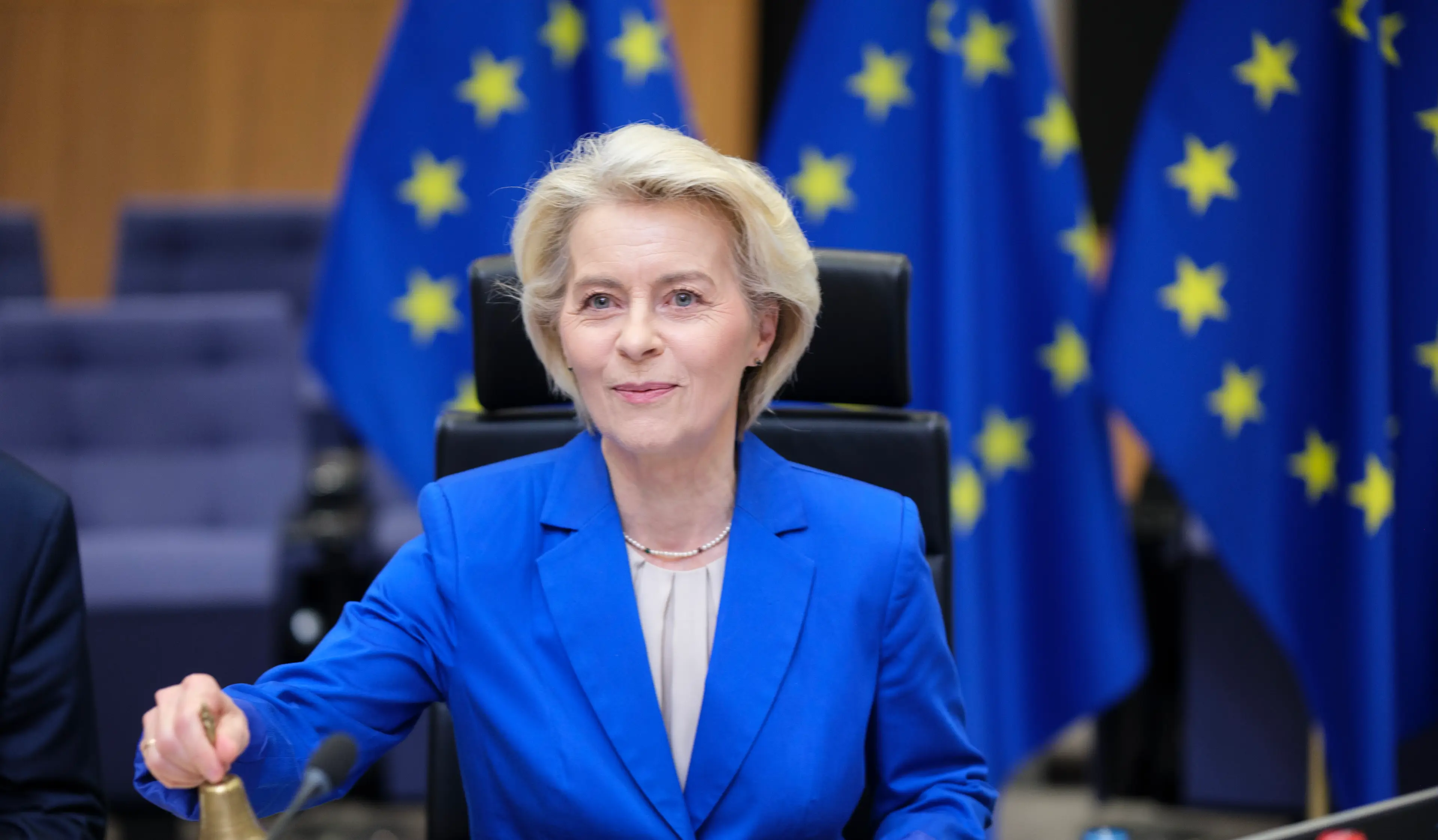
Failing that, it is thought that von der Leyen and Henna Virkkunen, the EU's Executive Vice-President for Tech Sovereignty, Security and Democracy, will delve into the details of the scheme on Thursday.
The main focus of the proposal - which is set to be named the 'EU Kids Act' - is reportedly to 'block' or 'delay' youngsters accessing certain areas of the internet.
Documents obtained by Reuters outlining the plans explain: "The Union's approach should allow minors to benefit from the huge potential of digital services, while protecting them from abuse and exploitation.
"It needs to limit the access of tech companies to our children, and not the other way around."
What will the EU Kids Act entail?
Reports suggest that the EU Kids Act will largely rely on age restrictions to stop children from freely accessing social media, video sharing platforms, AI chatbots and companions, and even online gaming platforms.
Under the new rules, the bloc's member states would only allow the next generation to access these features when they hit certain ages.
The documents seen by Reuters suggest that children under three will be completely banned from all these services and will not be permitted to gain access.
Youngsters aged between 3 and 12 will have their accounts completely controlled by parents, the report claims. Kids in this age range will only be able to browse 'child-friendly services with strict safety standards'.
Those aged between 13 and 15 would be able to open introductory accounts that have restrictions such as screen time limits and parental controls.

Meanwhile, children aged 15 and above will be able to manage their own accounts on websites that are deemed to be 'safe by design'.
It is believed that tech firms might also be forced to adapt their services to comply with the EU Kids Act, seeing them scrap features such as infinite scrolling.
Reports suggest these digital enterprises will likely have to shoulder some responsibility for enforcing the age restrictions.
As well as this, sites that will be penalised when the proposal is introduced will supposedly have to fork out for a 'supervisory fee' to fund regulators who help uphold the rules.
"Technology companies bear the primary responsibility for making their products safe. Parents, not algorithms, should raise Europe's children," the document adds, as per EuroNews.
There will likely be some tweaks made to the proposal and exceptions added before the EU Kids Act is passed, so don't take these rules as gospel just yet.
However, the outline of the plans is enough to show you how seriously world leaders are taking this tech-related problem.
Topics: Europe, Technology, AI, Gaming, Social Media
 Olivia Burke