Expert says there are 'only five jobs' that will remain unaffected by AI by 2030

An expert in artificial intelligence has predicted that the jobs market will experience several roles becoming obsolete as artificial intelligence takes over.
The job market has become quite the talking point amongst CEOs all over the world, with the most recent being Microsoft’s founder, Bill Gates predicting four of his own roles that he says will end up being saved amid the AI takeover.
He explained previously that coders, biologists and energy engineers will be fine in their roles for some time and then went on to tell Jimmy Fallon that professional athletes can expect the same sort of security too.
However, when it comes to those who should worry, one CEO was quick to hand over his list on The Diary of a CEO podcast.
Advert
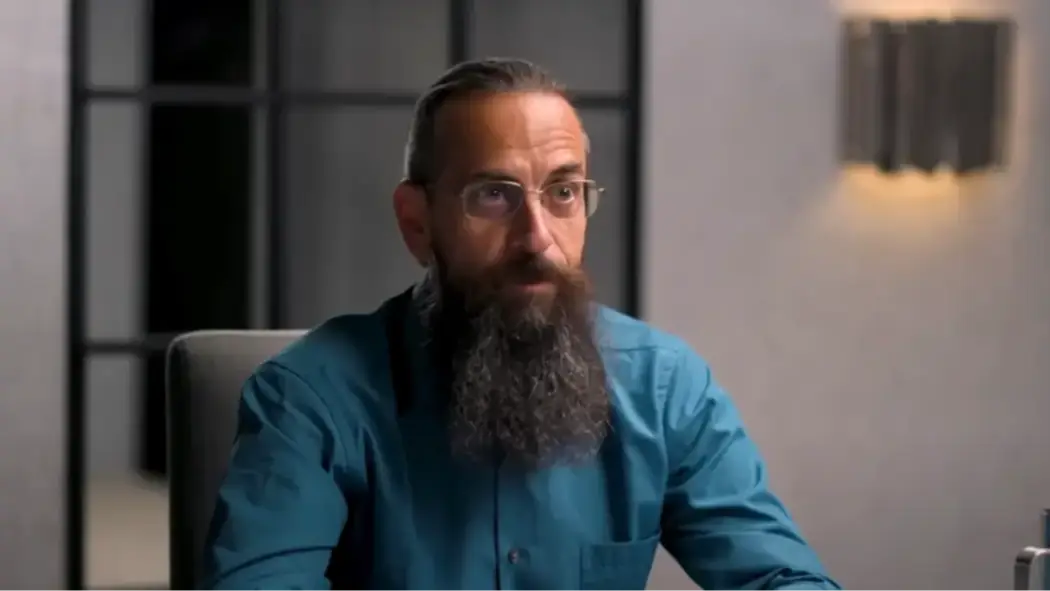
That man is AI expert Dr Roman Yampolskiy.
He warned that by 2027 we'd likely have artificial general intelligence, and when adding humanoid robotics to the mix, it 'makes no sense to hire humans for most jobs'.
"In five years all the physical labour can also be automated," the expert warned of the change to the world of work by 2030.
"So we're looking at a world where we have levels of unemployment we never seen before.
"Not talking about 10 percent unemployment which is scary but 99 percent."
But there are five sectors which could survive:
The human touch for those who can afford it
Dr Yampolskiy said: "All you have left is jobs where for whatever reason you prefer another human would do it for you."
Dr Yampolskiy suggested that accountants might be one such role, as while AI can do sums very quickly people 'like traditional ways of doing things' as that keeps the human touch in the bargain.
He said: "Warren Buffett would not switch to AI. He would use his human accountant."
A 'fetish' for human-made creative products
Dr Yampolskiy said you might get some 'tiny subset' of a market for people who still preferred man-made crafts, but said this was 'almost a fetish' and wouldn't be enough to support lots of jobs.
He said it's a bit like how people will pay more for handmade goods made locally than mass-produced goods made in China, but he added that it will only be a 'small subset'.
Jobs that require knowledge of the human experience
Counsellors might also be safe. There are people who've been using AI as a therapist, but there have been plenty of warnings over the dangers of doing this.
People are much more likely to value people with lived experience of what it means to be human over an algorithm.
Dr Yampolskiy said: "In a world of superintelligence which is defined as better than all humans in all domains, what can you contribute? You know better than anyone what it's like to be you."
Meanwhile, two possible growth industries are those which will rely on AI itself to provide the work.
Someone will need to regulate AI
Ideally you wouldn't want to completely remove human decisions from all AI processes so there will be people whose job it is to give AI some oversight.
Ultimately, Dr Yampolskiy doesn't think keeping AI on a tight leash is 100 percent feasible in the long run, but said oversight now will mean a more gradual rollout of AI and superintelligence over 50 years rather than five.
He said: "At this point we're trying to get more time."
And someone will need to explain AI to everyone else
On top of that there'll be jobs for people acting as intermediaries for artificial intelligence between the technology and the people who don't really know how to use it.
For instance, you would need someone who understands both how AI works and how to explain it to humans if you're embedding it within a business.
That's hardly encouraging.
Topics: Artificial Intelligence, Technology
 Britt Jones