There's a completely painless new way to get a tattoo if you're scared of needles

Always wanted a tattoo but the fear of needles has held you back? Maybe the thought of the pain makes your knees shake? Well, there's a new solution to these common obstacles to getting inked.
CipherX, co-founded by scientists Ferdinand Kohle and Karl-Anton Harms, has developed a whole new and unique tattoo method that doesn't rely on the usual trappings of guns and painful needles.
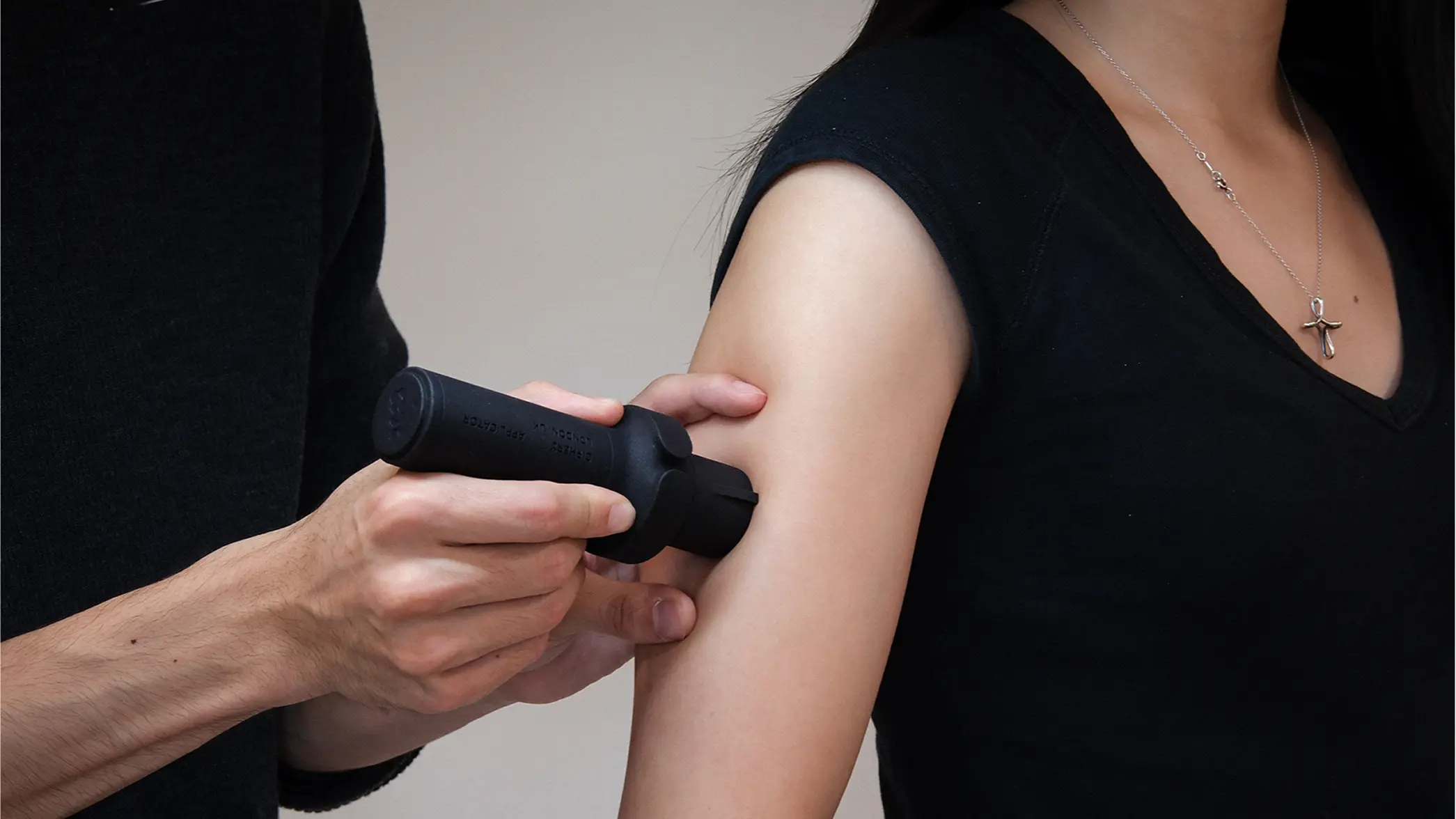
Instead, it uses a small patch of biodegradable micro-needles that is 'stamped' onto the skin using a handheld applicator. It sticks on to the skin with adhesive and after 15 minutes you have a brand-new tattoo.
There's no pain. No bleeding. And minimal after-care.
Advert
Ferdinand, from Tübingen, Germany, tells LADbible how the new technology can apply a tattoo without the usual drawbacks.
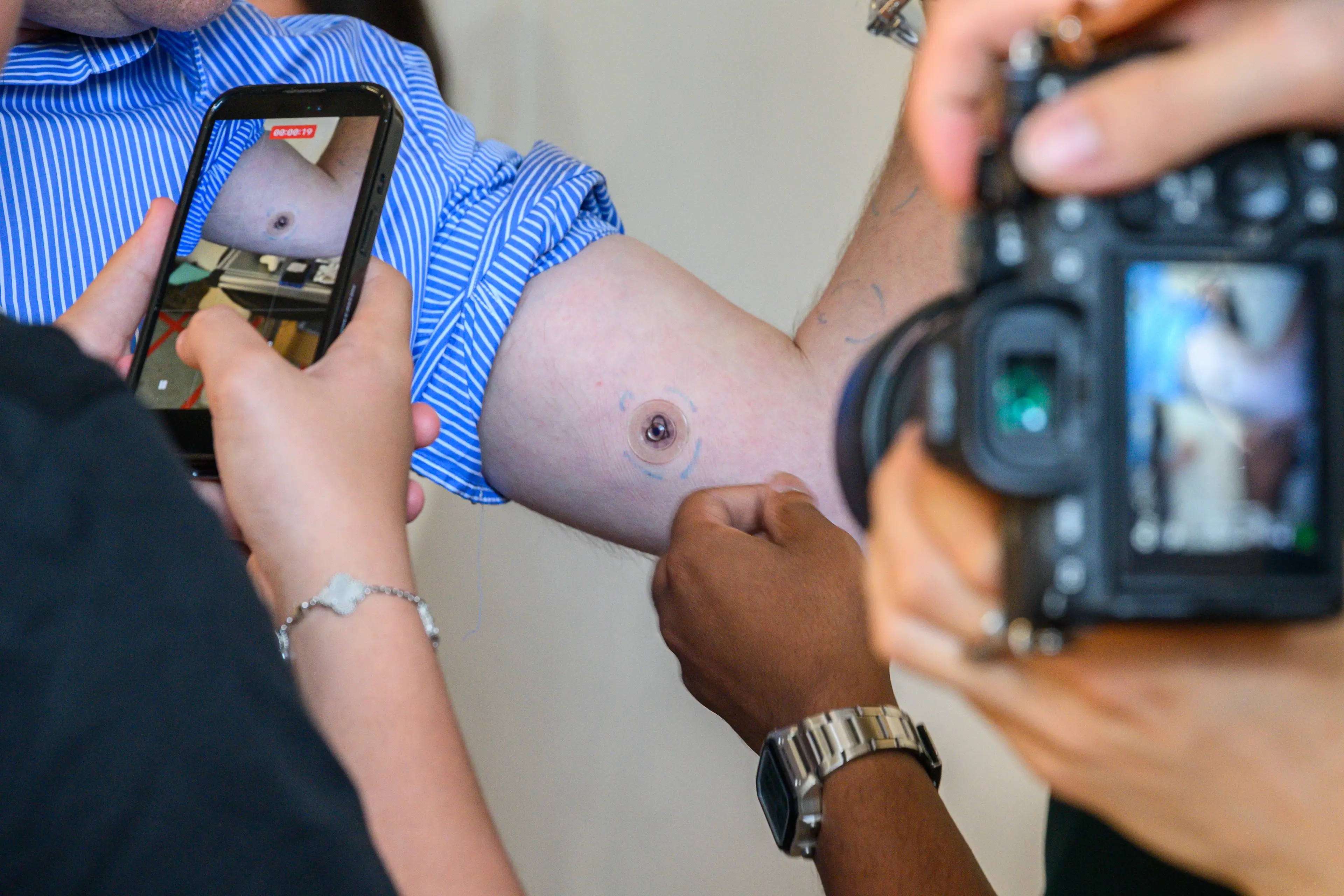
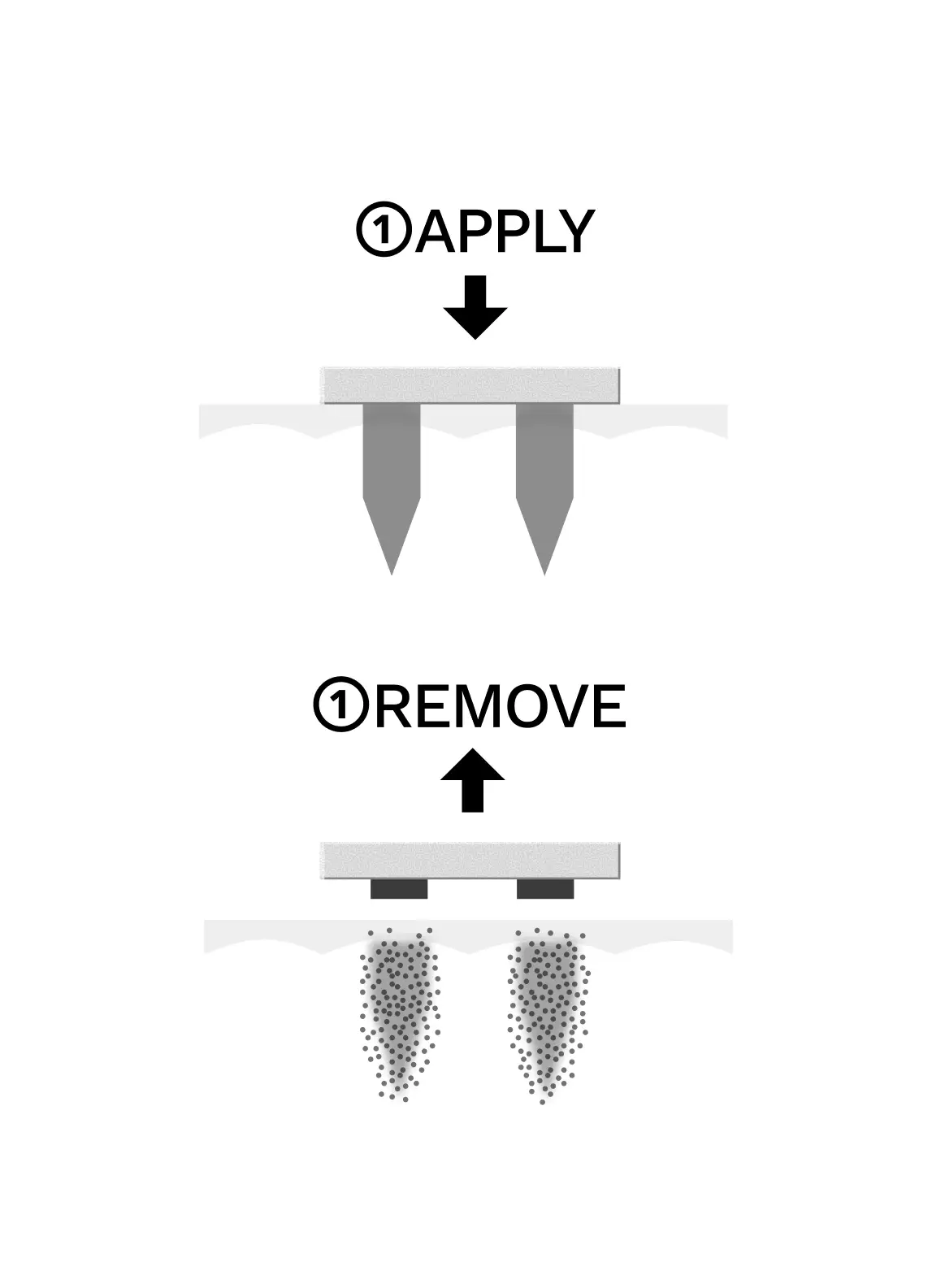
"The simple explanation is these microdots are not in touch with pain receptors that sit a little deeper in the skin," he says.
"The needles are very, very small, so they are not as invasive as most other needles for tattooing and injections. You're not really creating small wounds, you have these microscopic channels."
In addition, the needles are only applied once instead of repeatedly retracing over the same area, meaning the skin isn't as damaged.
He continues: "The needles melt away, it's made from a biocompatible polymer and inside there's ink that's being released within that time frame. It's called a minimally invasive delivery technology. That's why it was developed in the medical space for that exact reason."
What CipherX Microdot tattoos are available?
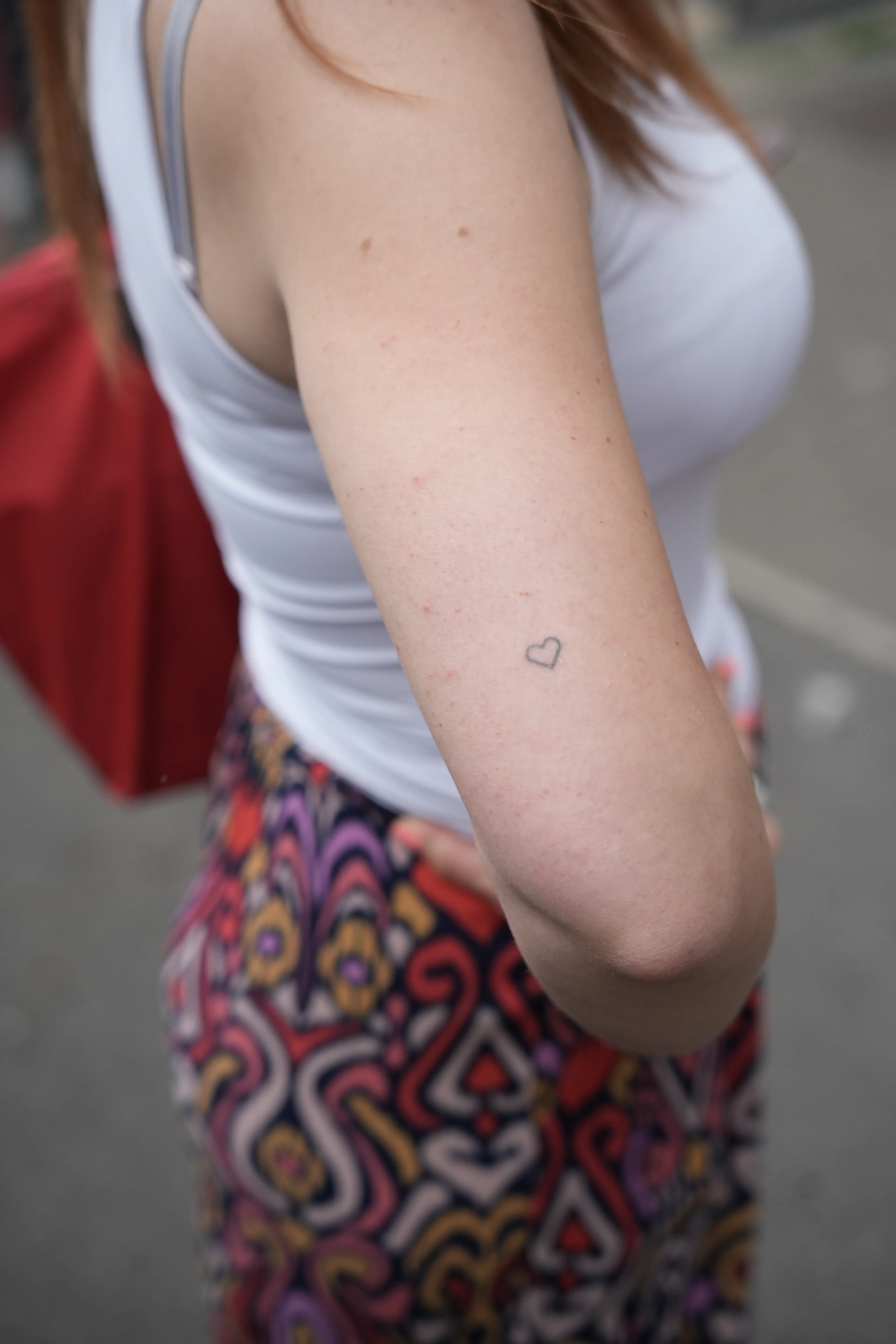
There are currently 14 designs available, including a love heart, star, skull, smiley face and flowers.
However, more are in development and there are even plans to allow anyone to make their own design that they can then purchase.
As the name 'microdot' may suggest, these tattoos are only very small. At present, CX are offering 1.5cm x 1.5cm tats in black ink that cost £50 a piece.
There have been prototypes for tattoos double that size and Ferdinand is 'fairly confident' they will be possible, but nobody knows if any bigger than that would be feasible. Meanwhile, the technology is limited by the body as it must be applied on a flat surface.
While the tattoos can come in different colours, including even UV ink which makes them glow in the dark, Ferdinand says CX are comfortable with providing the unique tattoos they create instead of trying to copy the vast array of styles tattoo artists do.
"That's okay with us," he says. "We don't want to do the sleeves, or the big tattoos, we're fully happy in the space of small tattoos that we sit in."
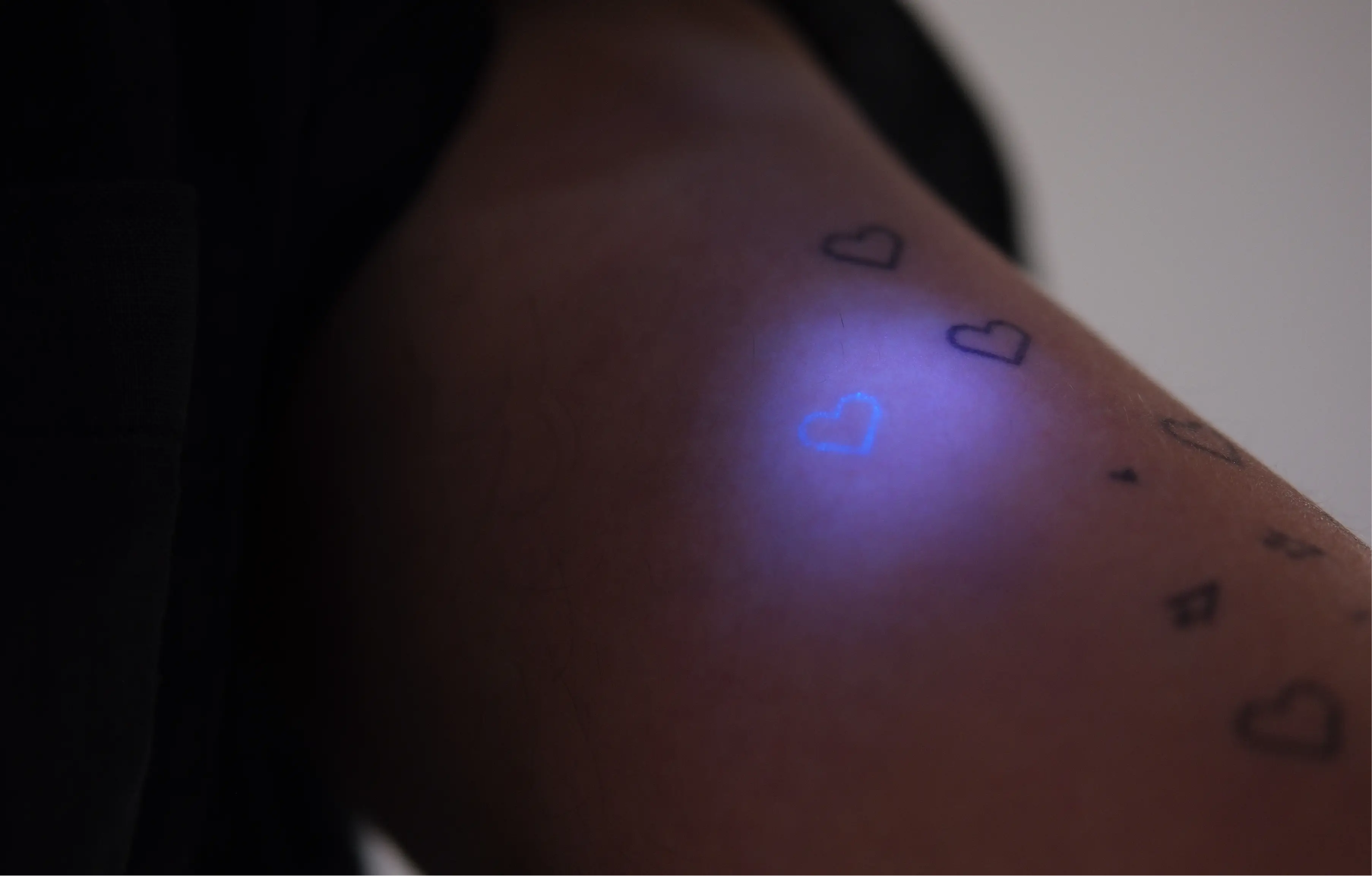
The technology can take tattoos into a whole new space
Ferdinand wants CX to not just provide tattoos, but to completely change the experience around them with their quick, convenient and easy process that anyone who can follow simple instructions can do.
He envisages the tattoo applicators being used by brands, weddings or events to provide unique, limited and permanent souvenirs.
"What is more important to us is taking that smaller tattoo and creating new experiences around that," he says.
He's given tattoos at weddings and the openings of art galleries, where the artist has made the bespoke design.
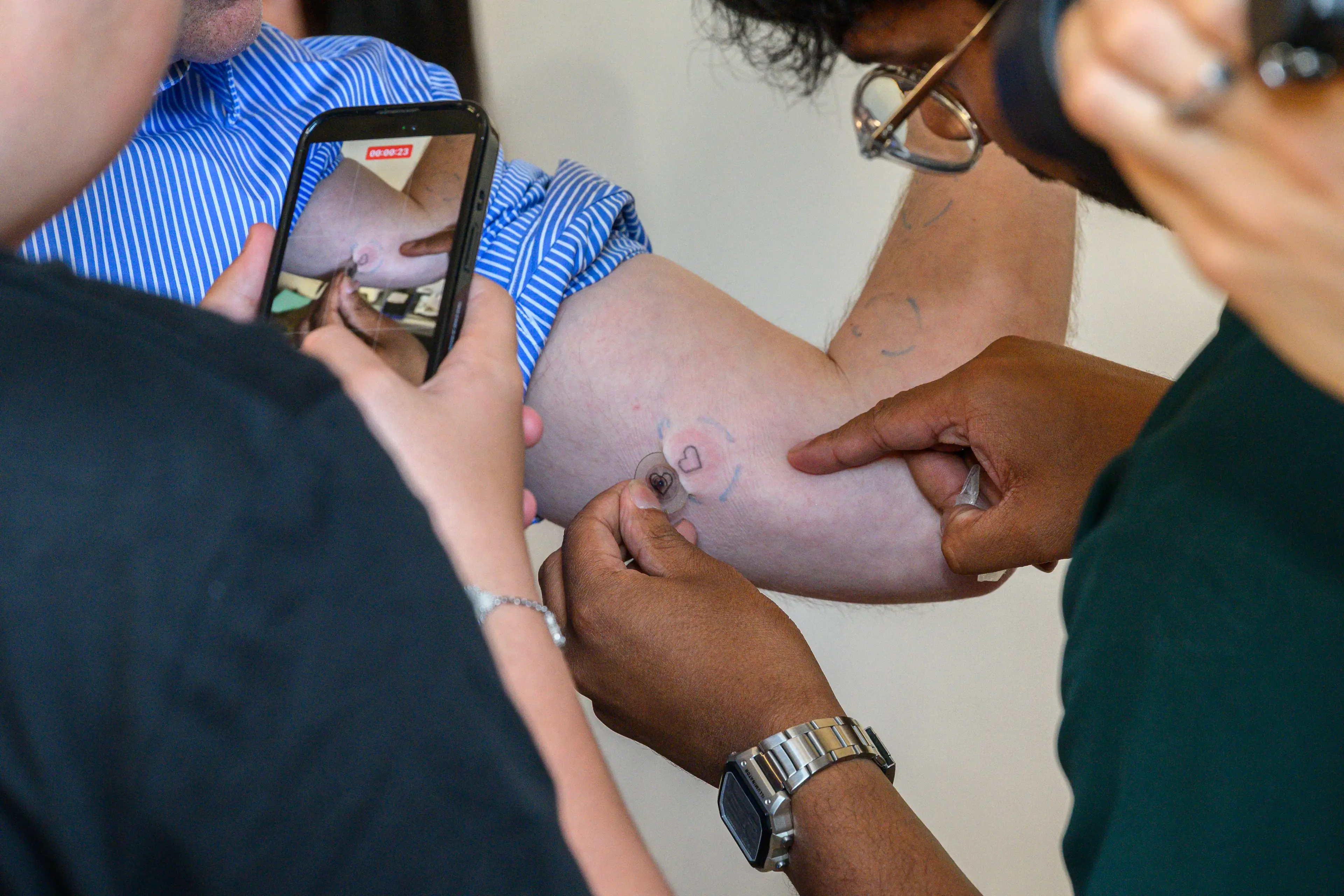
The company was even asked to provide tattoos at the 2025 Burning Man festival but the opportunity came too soon.
He explains: "Unfortunately, we weren't quite ready, but this is a good example. You can only get that at that point, then it's not available any more.
"It's an experience, community. It's these very interesting, new interaction points that I feel is the magic of the moment."
That's certainly a memory that will last forever.
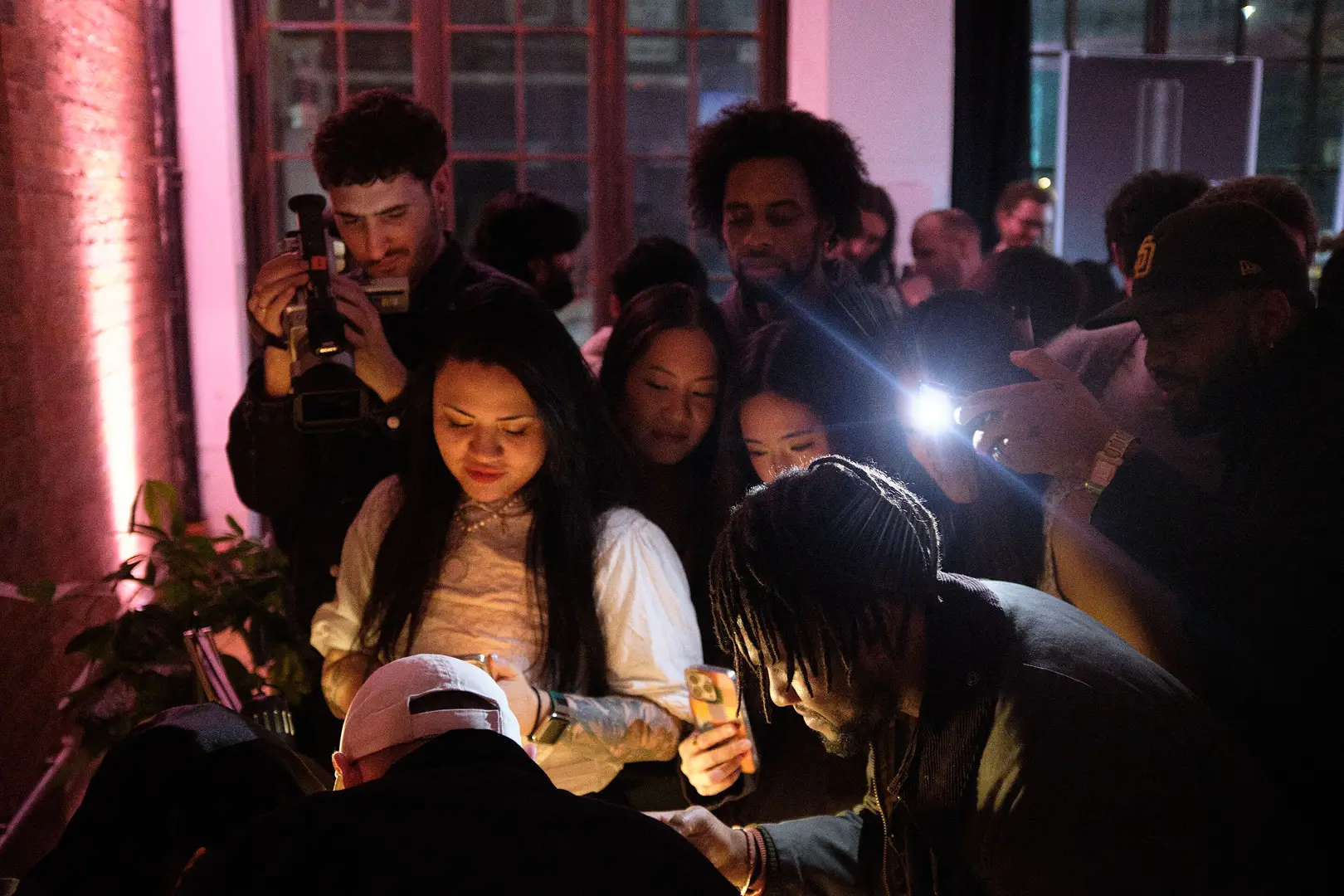
Ferdinand hits back at those who don't like the tech
Ferdinand admits the technology is 'truly disruptive' and 'polarising' but stresses they are not aiming to replace what artists provide.
"It's not mimicking what a tattoo artist does," he says. "There's people that don't like it, they think it's a more mechanical way of getting tattooed, it doesn't have the spirit of the artist.
"I would say there is a spirit behind it. It's maybe more of a technological spirit because there is a big group of people who are very techy, but I'm not going to deny that it's something different.
"We are not trying to be for everyone, quite frankly. That's okay. People can do with their body what they want and what they feel is right."
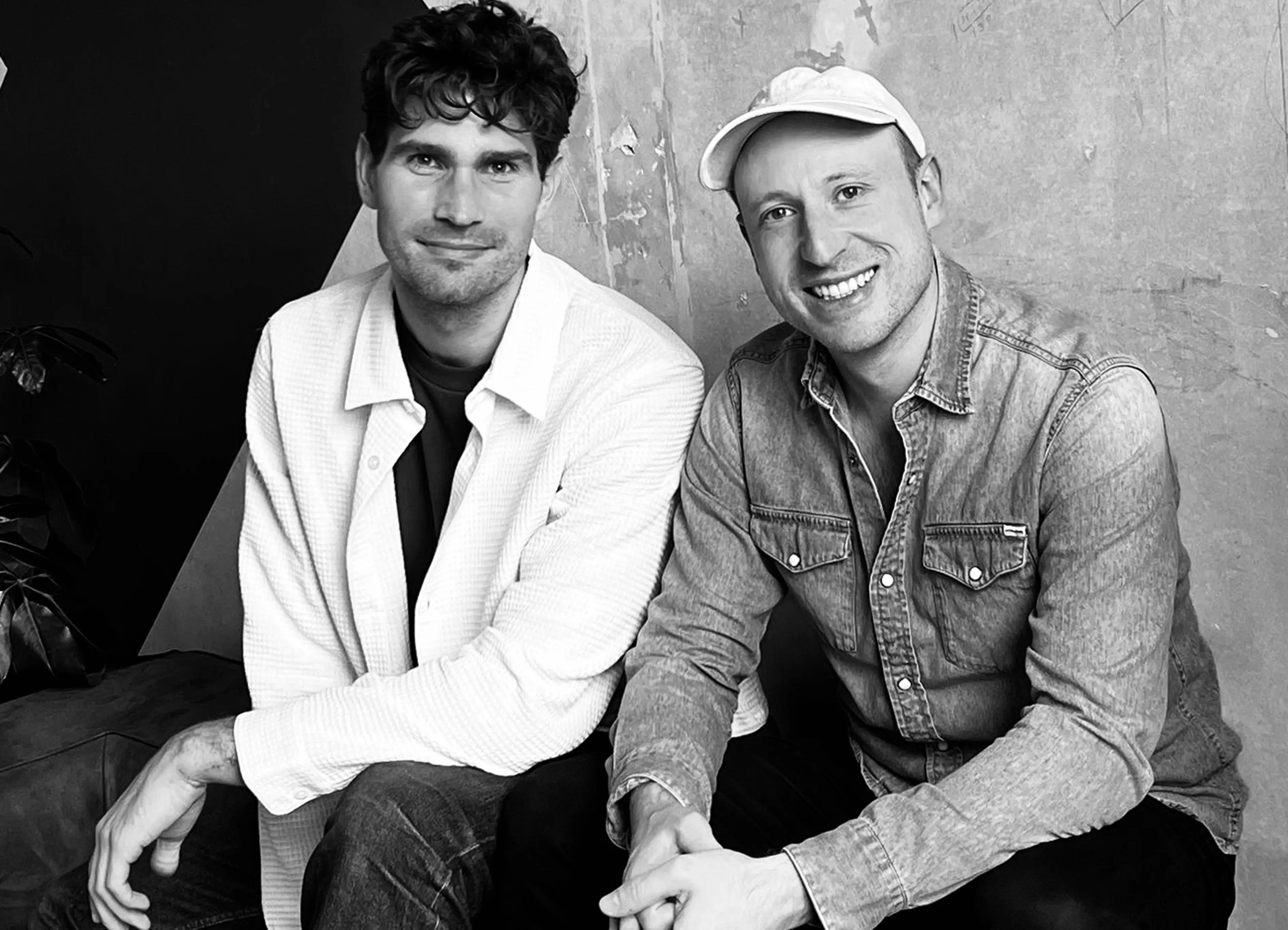
Where did the idea come from?
If you're scared of needles and still not convinced, well, Ferdinand was in the same boat.
A phobia of needles he's had since childhood leaves him stressed out at the thought of having an injection, like for the Covid-19 vaccine.
Yet, in an ironic twist of fate, the material scientist ended up working in a branch of pharmaceuticals that specifically dealt with syringes and micro-needles.
With that experience, his eureka moment came when he was hanging around with an old skateboarder friend who was covered in ink.
Ferdinand says: "These two paths suddenly crossed. 'Wait, couldn't you use these microscopic needles, this technology that stems from the pharmaceutical background, for tattoos?'
"That was the spark."
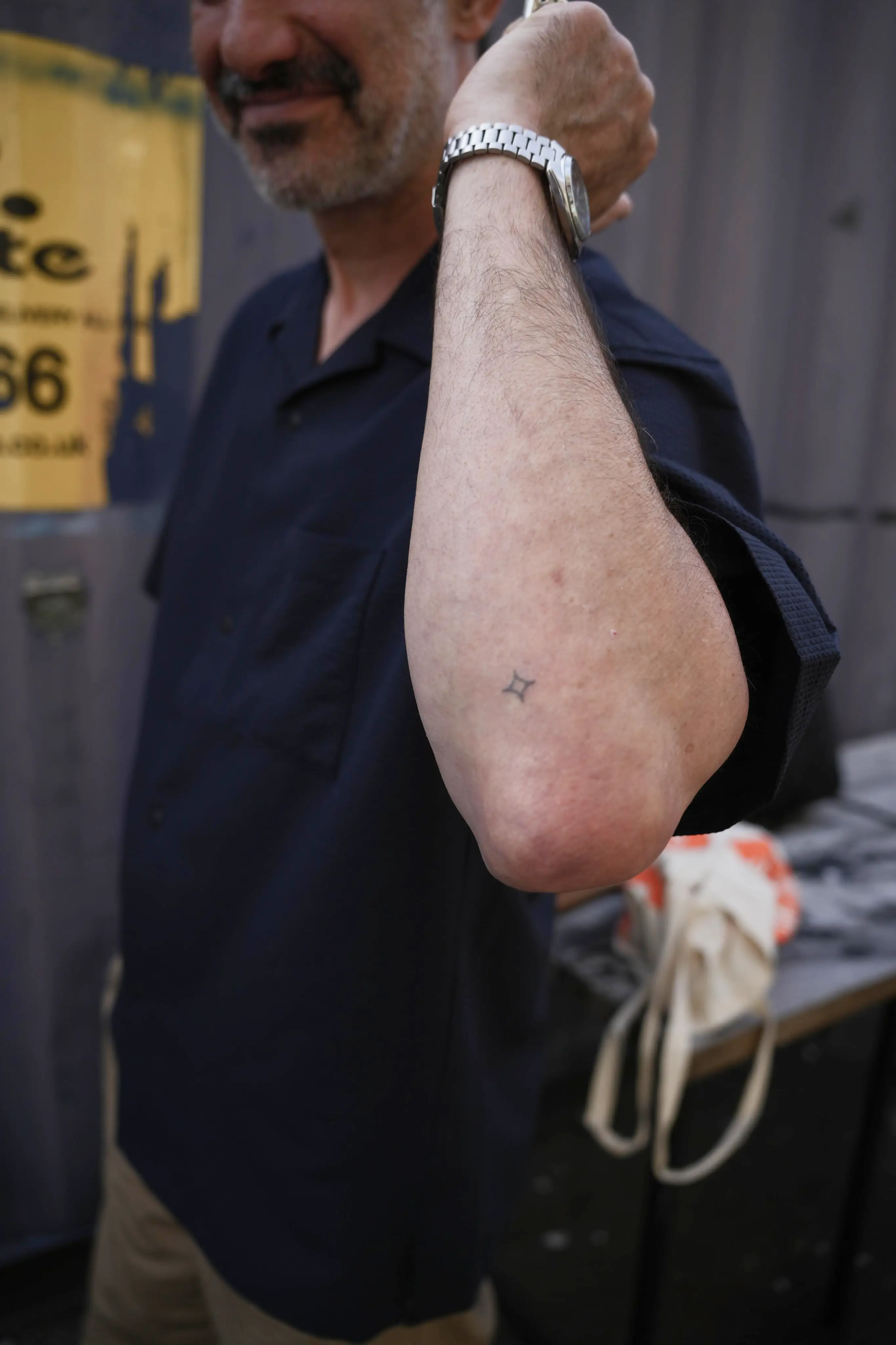
Now, despite his life-long fears, Ferdinand has a tattoo of his own, a tiny '110' - CX in Roman numerals - on his inner bicep, a particularly sensitive and painful area.
What makes the venture particularly special to him is that he isn't the only person to get their first tattoos with the tech.
"Lots of people are in the same shoes as I was. Afraid of the needles, afraid of the pain, and small tattoos are great for them," he says.
"We have a very large number, 30–40 percent, who get their first tattoo with us, so it's a gateway to tattooing. I think that's a really significant number and something I'm quite proud of because I'm part of that group.
"So we've opened the door to tattooing. I think that's something good for the whole community."
Topics: Technology, Lifestyle
 Daniel Murphy