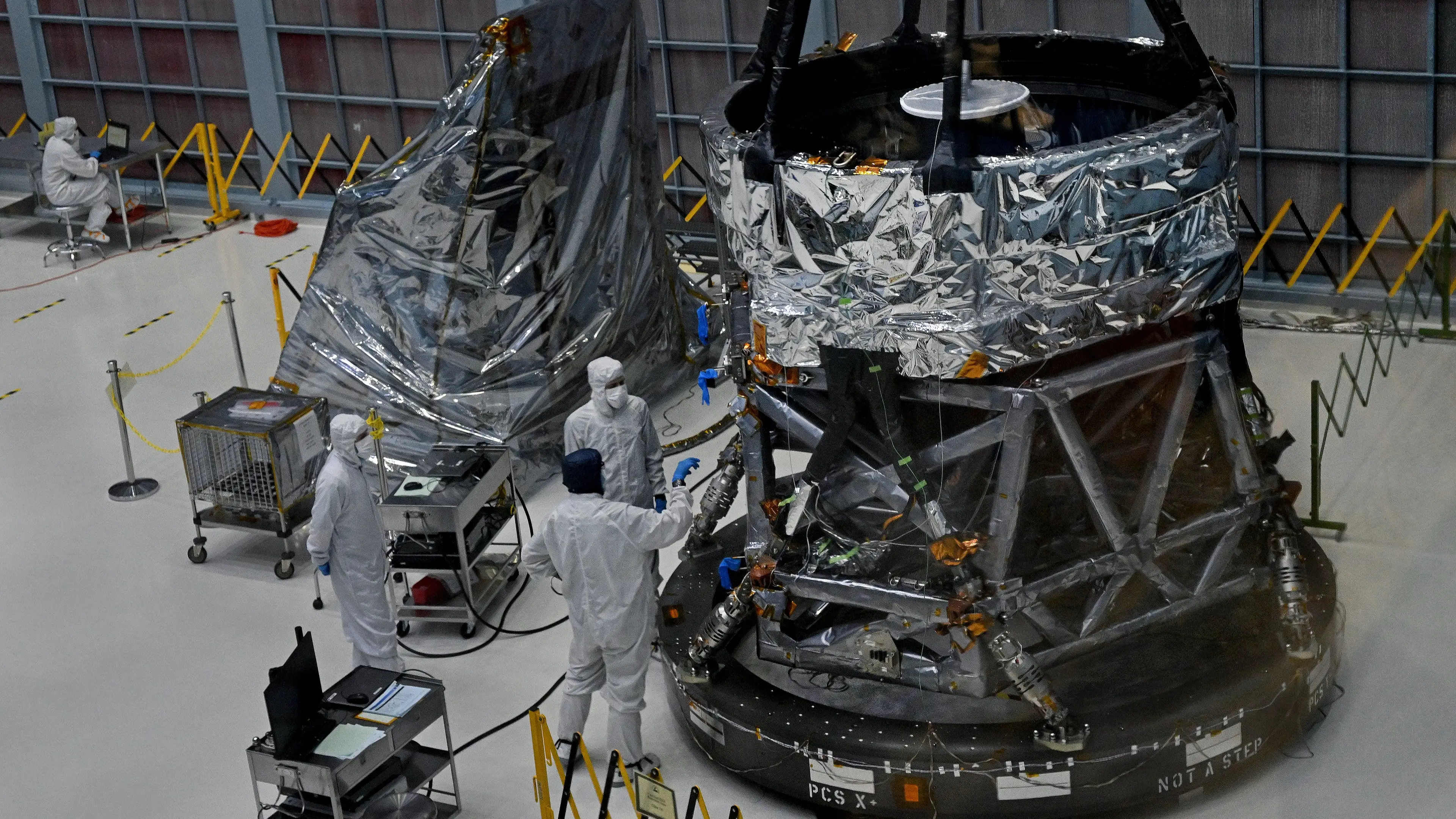
NASA’s Roman Space Telescope could change everything we know about dark matter and the universe

NASA is set to explore more of the universe's unknowns through it's $4.3 billion Roman Space Telescope, with the focus on all things dark matter and dark energy.
It will be the US space agency's latest addition to the cosmic void, following on from the success of sister satellites such as the James Webb Space Telescope and Hubble Space Telescope.
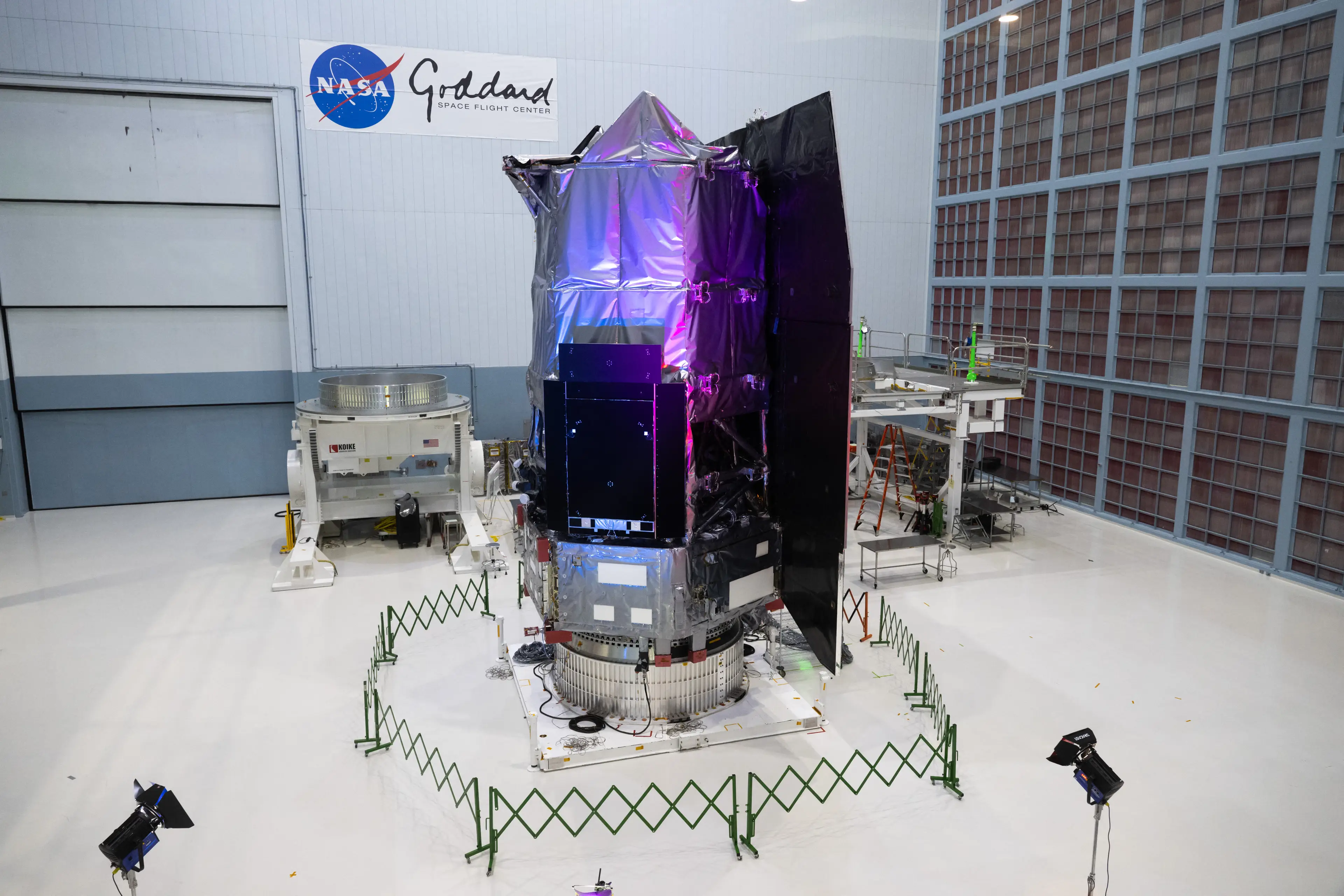
Officially called the Nancy Grace Roman Space Telescope, NASA's aim is now to launch it earlier than expected, with it jetting off in to space in September 2026 instead of its deadline of May 2027.
Experts working on the project say it could uncover hundreds of millions of galaxies, with the hope of discovering entirely new cosmic phenomena, reshaping space as we know it forever.
'Near-impossible mission to change the world'
Known simply as Roman, the telescope will optimise state of the art technology to capture powerful infrared images, sending back images of massive sections of the universe with immense detail for NASA to analyse.
Advert
"Roman's accelerated development is a true success story of what we can achieve when public investment, institutional expertise, and private enterprise come together to take on the near-impossible missions that change the world," said NASA Administrator Jared Isaacman during a press conference at the Goddard Space Flight Center in Maryland.
It's mission is set to last for five years, with NASA hoping it will investigate roughly 100,000 exo-planets (these are planets that orbit stars outside of our solar system), hundreds of millions of galaxies, and billions of stars.
There's also hope it will capture universe phenomena never before seen by humanity, revealing yet more secrets of the cosmos.
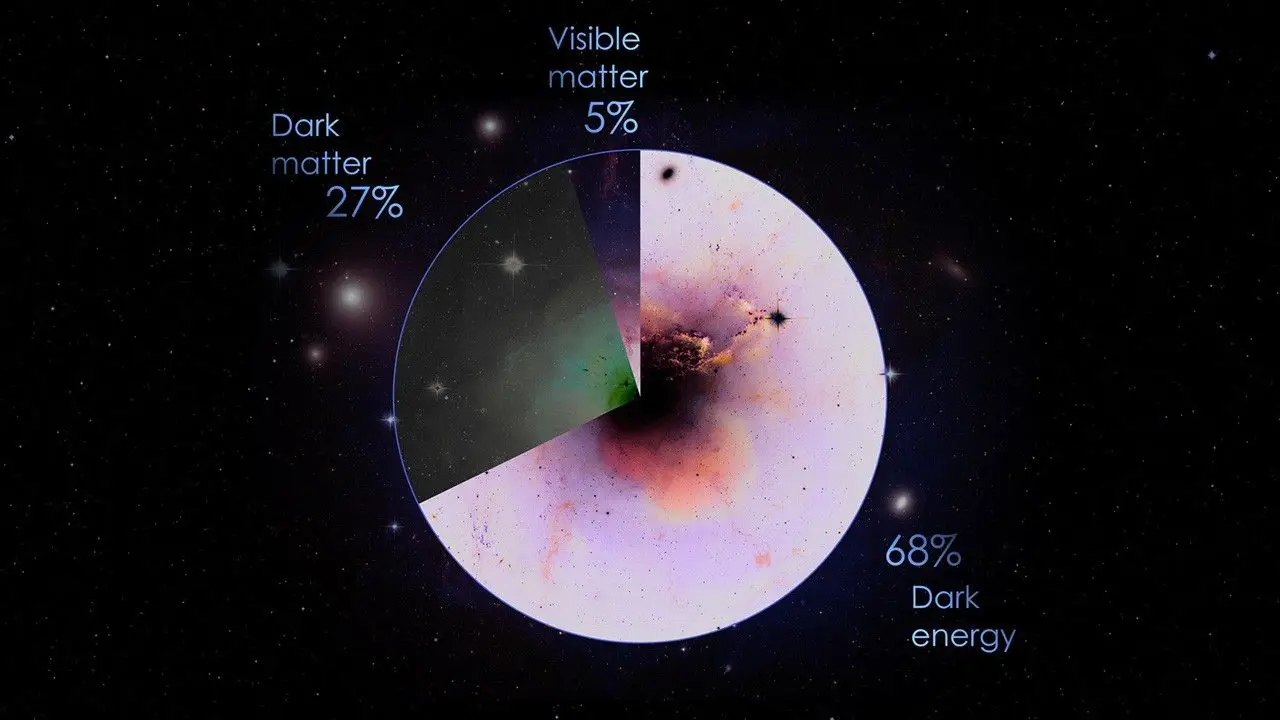
Dark matter and dark energy
According to NASA, dark matter is the 'invisible glue that holds the universe together'.
We effectively know nothing about it but it is everywhere around up, with scientists trying to solve the mysteries of it for a century.
Around 27% of the universe is made up of dark matter, NASA says, and it is thought that dark matter shapes the cosmos, organising galaxies and cosmic objects on a large scale.
This is dwarfed by dark energy, which makes up 68%. As for what dark energy is, the answer again is simple - we don't know.
"But we do know that it exists, it’s making the universe expand at an accelerating rate," NASA says. Scientists believe it is what caused the expansion of the universe to speed up around nine billion years ago.
NASA explains: "Right now, dark energy is just the name that astronomers gave to the mysterious 'something' that is causing the universe to expand at an accelerated rate.
"Dark energy has been described by some as having the effect of a negative pressure that is pushing space outward. However, we don't know if dark energy has the effect of any type of force at all. There are many ideas floating around about what dark energy could possibly be. Here are four leading explanations for dark energy. Keep in mind that it's possible it's something else entirely."
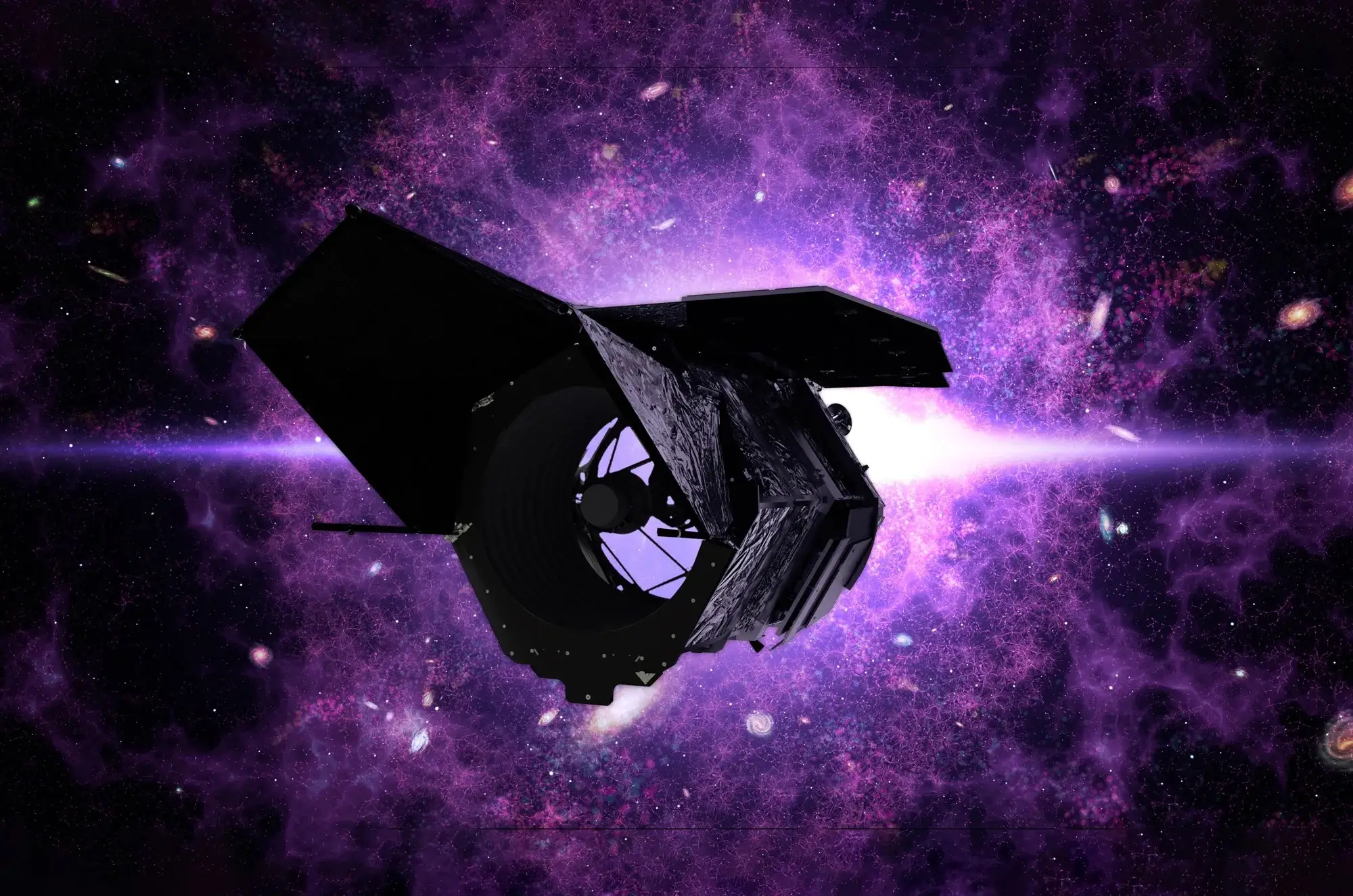
Roman Space Telescope launch
The launch of the Roman Space Telescope is expected to happen aboard a SpaceX Falcon Heavy rocket from Launch Complex 39A at the Kennedy Space Center in Florida.
No date is on the cards yet but NASA is expected to reveal more in the comings weeks and months.
The telescope itself is named after former NASA Chief of Astronomy, Nancy Grace Roman, who played a vital role in the planning of the Hubble Space Telescope. She was affectionately known as the 'Mother of Hubble' before her death in 2018.
Topics: Science, NASA, Space, Technology
 Tom Earnshaw