Former OpenAI worker admits ‘almost no jobs’ will survive AI takeover following Bill Gates' prediction

A former researcher at OpenAI has opened up about the impact that he believes the technology will have on the job market.
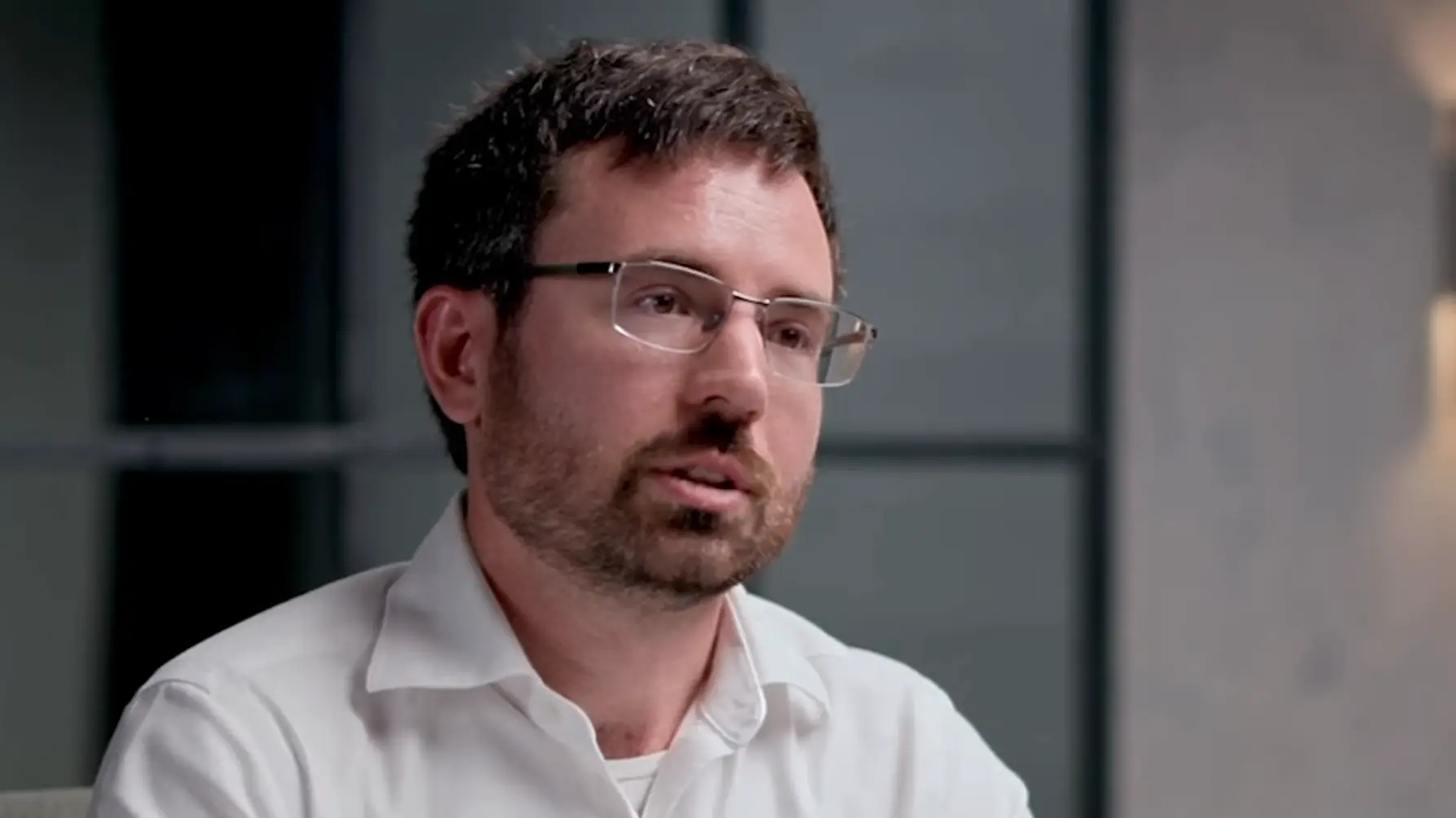
Daniel Kokotajlo founded the AI Futures Project, and co-wrote a scenario called 'AI 2027' which looks at the potential effect that artificial intelligence.
This includes a prediction about 'super intelligence', which he believes could be a reality by the end of the 2020s.
Kokotajlo went on to participate in a further publication called AI 2040: Plan A which includes some ideas of how humanity can deal with the dangers this 'super intelligence'.
Advert
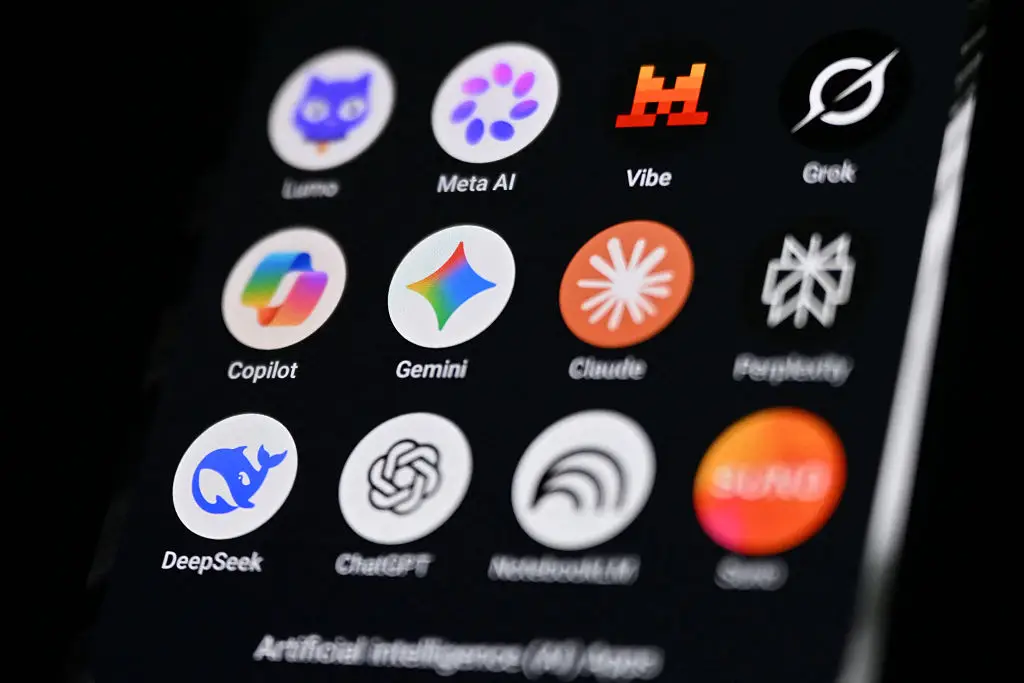
There are a lot of concerns about AI, with critics drawing attention to how generative AI can be used to generate images and videos of people doing or saying things that they haven't actually done, sparking safety concerns.
Others draw attention to the environmental cost, including the high water use of AI data centres, as well as the intense noise pollution when they are built near residential areas.
Many artists, musicians, and writers have also expressed outrage and horror at AI generated work.
But speaking on the Diary of a CEO podcast, Kokotajlo addressed one concern in particular, which is AI taking people's jobs.
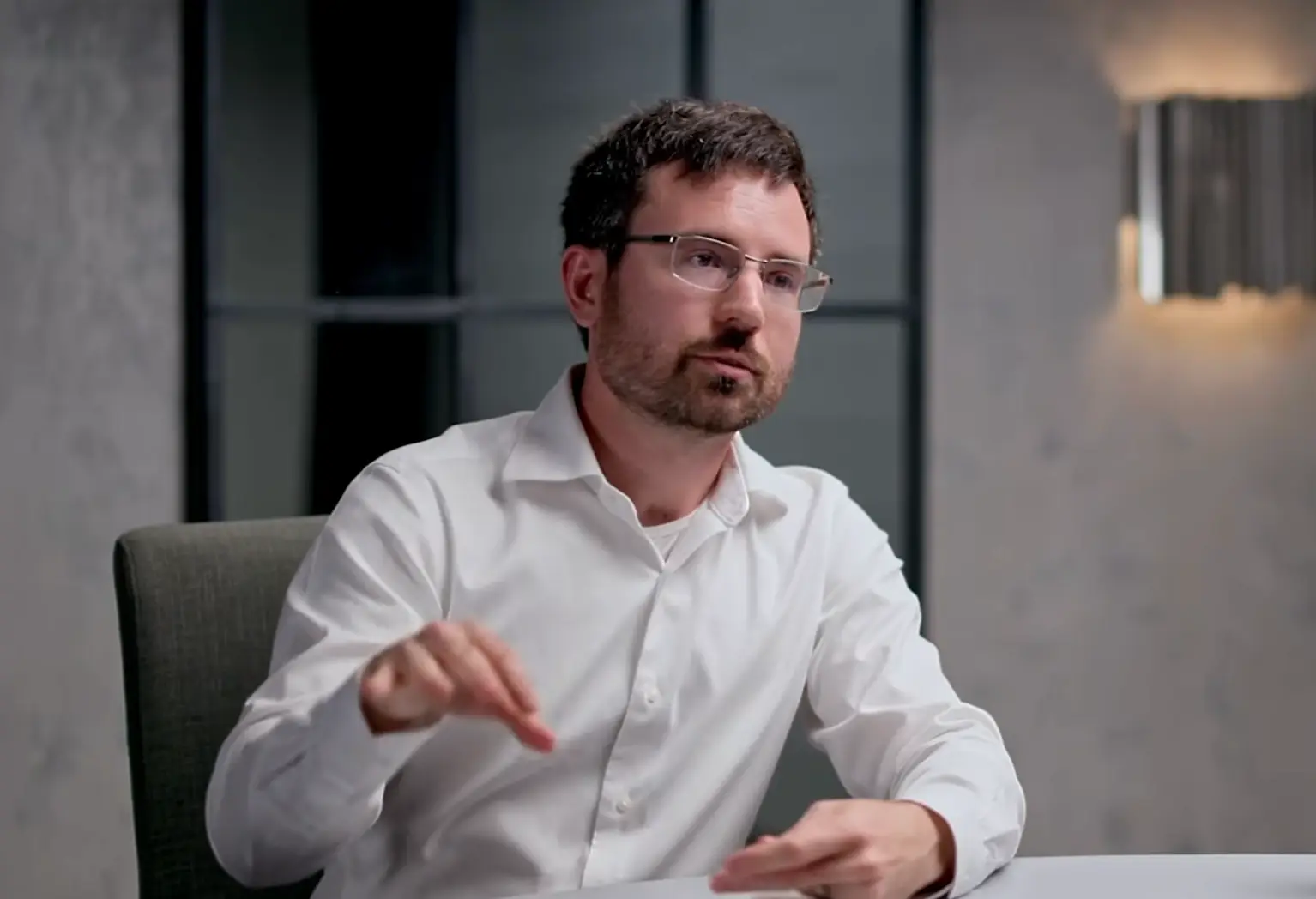
He explained that AI businesses want to turn their development on themselves first, because this theoretically means that the AI will be able to improve itself faster and better than human engineers could.
The aim, he told podcast host Steven Bartlett, is that there will be point of critical mass where the AI will become a 'superintelligence'.
"If the companies do manage to build super intelligence then by definition they're going to be able to take almost all the jobs or all the jobs because it's better, faster, cheaper than the best humans at everything," he said.
He explained that because the AI would be training itself then by the time it was released into the wider economy it would be able to 'learn' new things very quickly.
Asked what jobs might remain in this scenario, he replied: "I think that's actually a political question, not a technical question, because on a technical level all the jobs can be done by the AIs if they've reached that level.
"And so it's a question of what jobs are allowed for them to do."
As for what jobs would not be allowed, he said that it 'depends on who's in charge', adding that there could be some sort of 'political conversation'.
But what about if there is any displacement at the moment?
"We're already starting to see a little bit of it now, but not very much," he said.
"Because AIs aren't good enough yet. They're impressive but they're not just a drop in replacement for a human worker in almost any field."
Kokotajlo claimed that developers 'want to get to those very high levels of intelligence and then deploy more out into the economy'.
He added: "By the time it's actually coming for all these different jobs they will have had fully autonomous AI research happening for months, maybe years."
Topics: Artificial Intelligence, Technology, World News
 Kit Roberts