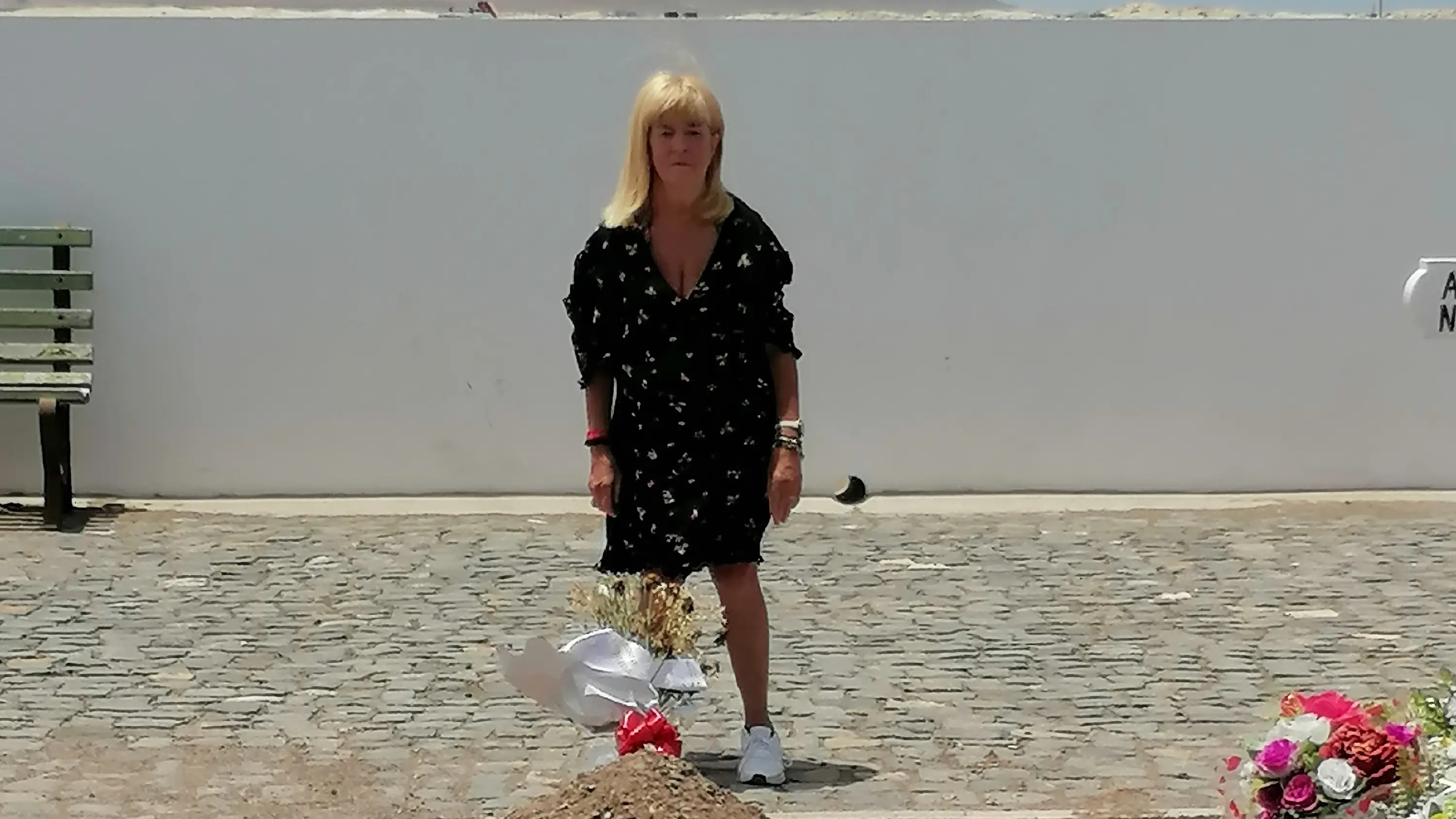
Brit woman speaks out after husband dies in holiday hotspot where 10 died and 1700 fell ill

A British woman has spoken out on the traumatic experience of burying her husband abroad after he died at a popular holiday hotspot.
Jacqueline Timson and her husband spent over £2,000 on a two-week holiday to the Riu Funana resort in Sal, Cape Verde, but tragically she would return home alone after both of them started suffering from diarrhoea and stomach issues.
It comes as ten British people are now believed to have died while on holiday in Cape Verde, with many more reporting stomach issues such as shigella, salmonella and E. coli, which can lead to vomiting, diarrhoea and dehydration.
Many of the bereaved families have launched a legal battle against TUI, which has taken over a million tourists to Cape Verde in recent years, with Irwin Mitchell Solicitors working with hundreds of people who visited the African country and later reported serious bacterial illnesses.
Advert
Jacqueline's husband Colin started suffering from sickness and diarrhoea on just the second day of the holiday and was rushed to a clinic and later hospital after Jacqueline returned from breakfast to find that he had collapsed.
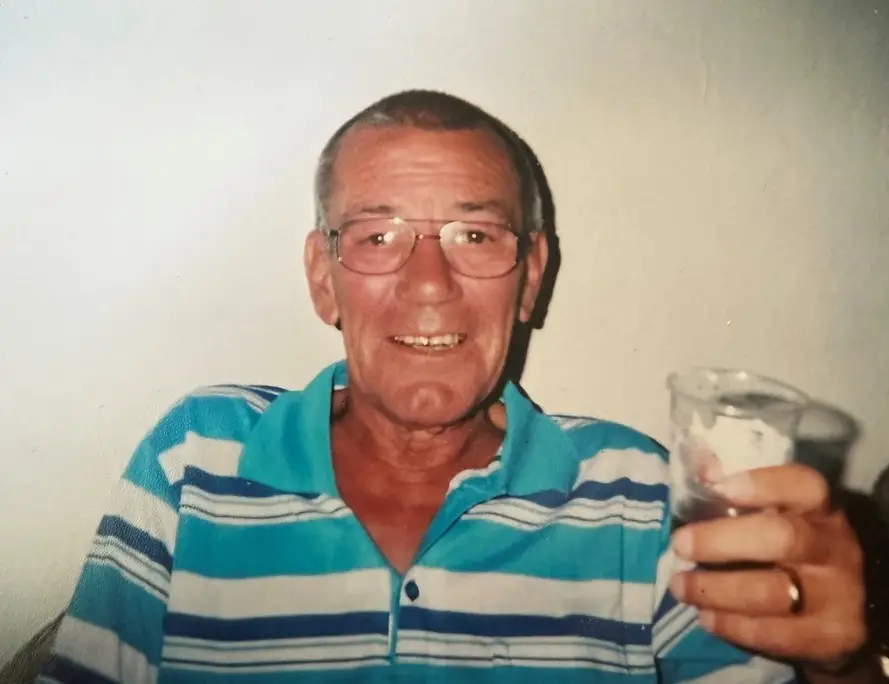
The 74-year-old would sadly pass away in hospital that same evening on 5 July 2024. His cause of death was listed as dehydration, severe anaemia and septic shock caused by acute gastroenteritis and digestive bleeding.
Jaqueline was then forced to bury her husband just three days later because of her travel insurance.
"Vomiting yellow sick"
She said: “We’d been to Cape Verde before and were looking forward to returning. However, when we arrived at the hotel we didn’t feel it was the same standard we’d found on our previous holiday to Cape Verde.
“Some of the food appeared to be undercooked and was lukewarm. The toilets round the pool were full of dead cockroaches and we didn’t go in the pool because the water looked yellow.
“We both fell ill at the same time, but I wasn’t as bad as Colin, who was vomiting yellow sick.
“When he left the clinic to go to hospital I went back to the hotel as I was told Colin would be in safe hands and to visit him the following day.
“I didn’t even know he’d died until I arrived at the hospital the following day. When I heard the news my world fell apart."
Heartbreakingly, Jacqueline couldn't even return home with her husband's body and had to face the prospect of watching him being buried by herself before returning to their Lincolnshire home alone.
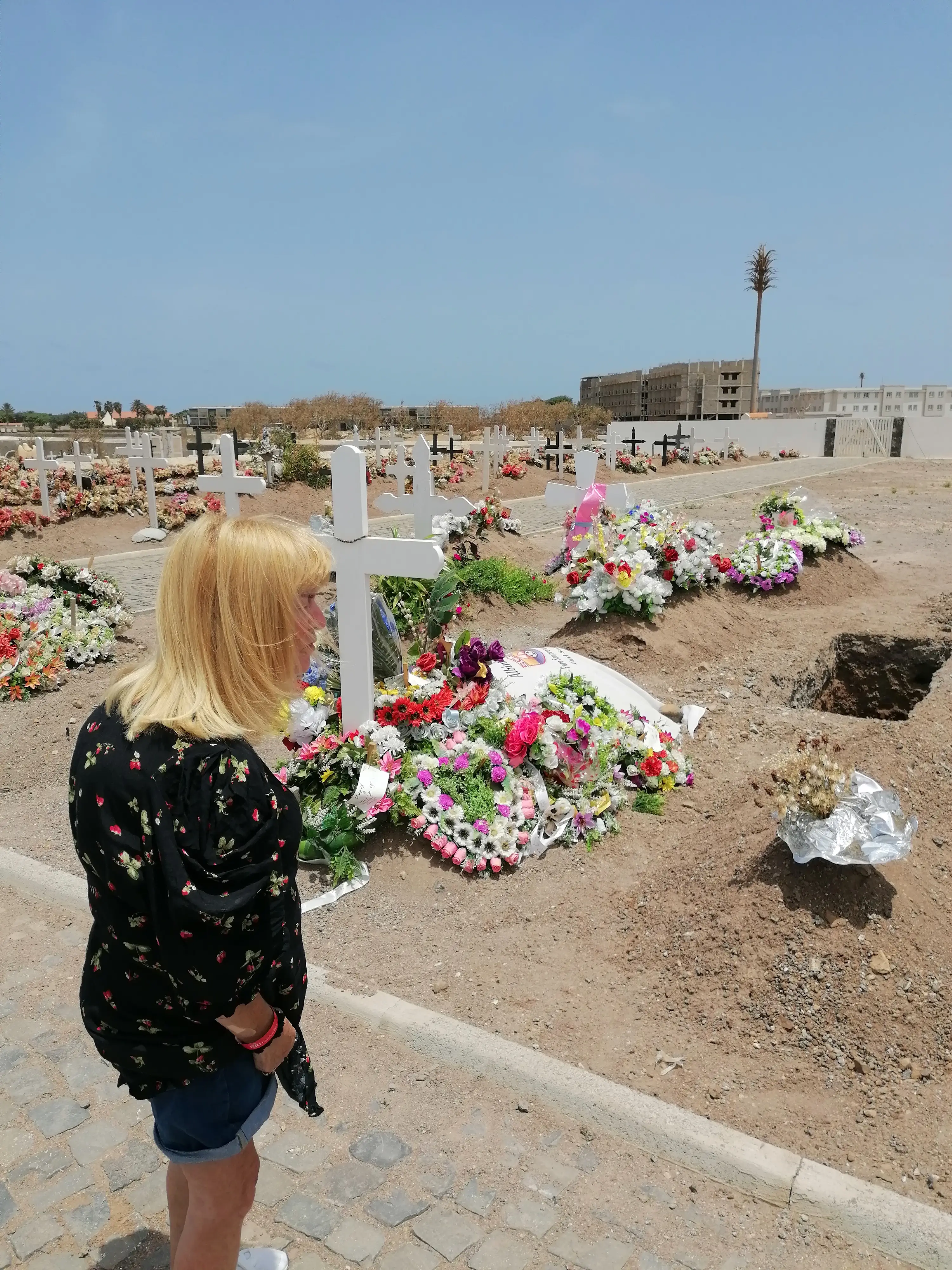
She added: "Everything was a blur, but I believed I didn’t have adequate travel insurance, and I thought it would have been too expensive to fly Colin home. I was told that there wasn’t an option to have a cremation in Cape Verde so I had to watch helplessly as he was buried.
“After Colin’s funeral I stayed in the hotel for more than a week. I wanted to go home but also did not want to leave as Colin would not be returning with me.
“Colin was a wonderful husband. He was a kind and gentle man and didn’t deserve to die in the way he did.
“I still can’t comprehend how we went on holiday together, but Colin never came home. The hardest thing is that I couldn’t even bring his ashes home to be alongside me. Instead, he’s buried in an unmarked grave, alone, thousands of miles away from his family.”
Jatinder Paul, the specialist international serious injury lawyer at Irwin Mitchell representing those affected added: “It’s staggering that we continue to be contacted by hundreds more people reporting how their holidays have been ruined by serious illness. Nothing brings the impact of these incidents into sharper focus than the deaths of British holidaymakers.
“The first-hand accounts from those who have lost loved ones are not only incredibly stark but harrowing.
“Our focus is now on securing our clients the answers they deserve, and where needed, either the support they require to come to terms with their loss or the specialist rehabilitation they require to try and overcome the impact of their illnesses the best they can.”
Earlier this year, TUI told LADbible: “We are deeply saddened by the reports of these tragic losses and extend our sincere condolences to the families affected.
"While we cannot comment on individual cases, customer health and safety is always our highest priority. We have established procedures in place to support any customer who becomes unwell while on holiday, including access to appropriate medical care and assistance in resort.
"To provide that support, it is important that illness is reported to our teams while customers are in destination. Where this does not happen, it limits the assistance we are able to offer at the time.
"We continue to follow FCDO advice and engage with hotel partners and relevant authorities where appropriate.”
 James Moorhouse