
Cruise worker debunks 'ice cream party' myth when someone dies at sea - here's what really happens

An 'ice cream party' sounds fun, but you wouldn't want to go to one on a cruise ship, or so the myth goes.
Be it to the beautiful beaches of the Caribbean, to Europe's historical coastal cities or even to chilly arctic waters on the lookout for whales, millions of people take voyages on cruises per year.
But travelling out on the open sea, where trouble can strike at any time and help is far away, means a cruise ship must be prepared for every eventuality.
On some grim occasions, that includes death.
Advert
Around 200 people die while aboard a cruise ship each year, meaning crews need to have protocols and procedures in place when an untimely end occurs.
A myth has grown around this sad fact, with it often repeated that if a cruise suddenly starts hosting ice cream parties or handing out free frozen treats, it means they are having to make a room in the freezer for a dead body.
While that may have happened once upon a time, one former cruise ship worker says it's 'absolutely not the case' now.
Cruise ship 'Ice cream party' myth debunked
Lucy, known as Cruising as Crew on social media, has worked on the high seas for a decade and now shares her knowledge of the fascinating world.
She is adamant that the 'ice cream party' is definitely not something that happens onboard.
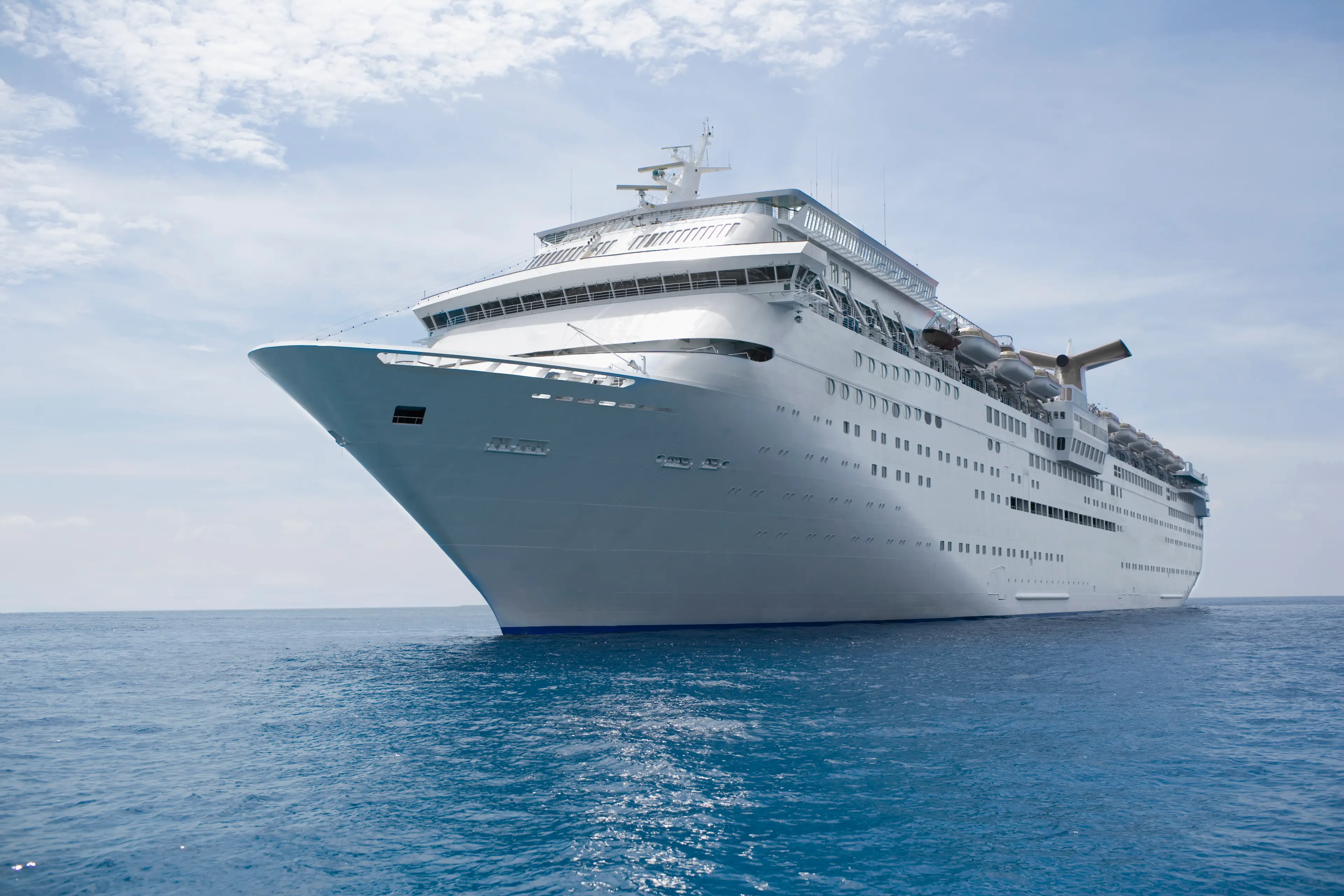
"It sounds like something I wouldn't put a cruise company past doing but I think we can all rest a little bit easier when I say this is absolutely not the case," she said in a YouTube video.
"Nobody is having a side of a corpse with their ice cream, okay?
"Cruise ships are legally required to have a dedicated refrigerated morgue separate from the food storage, because this would be quite a large health and safety violation.
"Trust me, no one working in the F&B department wants to go and rummage around in the fridge for the corpse for more ice cream. That's not happening."
What cruise ship code means somebody has died?
Instead of an announcement over the tannoy informing passengers that loads of Magnums are up for grabs, cruise ships use a process of subtle codes to inform shipmates of incidents happening on the ship and whether their team is needed for assistance.
'Code Alpha' is generally used amongst major cruise lines to announce a medical emergency is in process. But that doesn't necessarily mean someone has died, they might have just fallen over and grazed their knee.
But there are more codes that do signify life-threatening injuries and death.

"The one code most people do not know about is Operation Bright Star," Lucy said, explaining that the code is used in the case of a serious medical emergencies, like a cardiac arrest. Yet, it has an even darker side.
"The sad fact about this is when Operation Bright Star is called, the ventilation officer is also alerted," she said. "Their job is to start the cooling power in the morgue.
"They're not going to have it turned on if no one's in it, but if they think someone might be going in soon, they need to cool it down. That is how prepared these ships are.
"Then there is Operating Rising Star. This is the code that confirms death has actually occurred. This announcement is not made ship-wide. This is an announcement between specific people who need to know about this."
What happens when somebody dies on a cruise ship?
So what happens if someone dies on a cruise ship? Well, for most of the thousands of holidaymakers on board, not much.
That's because crew members will do all they can to ensure their reaction to a death is as smooth and invisible as impossible to avoid causing a disturbance to everybody else.
Lucy explained that once a doctor has confirmed death and the captain has been informed, a 'specific and quiet operation begins.'
"The body is moved to the ship's morgue," she said. "[The morgue is] located on a lower deck away from the passenger areas. That will hold three to six, sometimes even up to 10 bodies.
"The family or travelling companions are going to be notified that the person they're travelling with has passed away, if they don't already know.
"Then a member of the guest care team, which is a specifically trained role that exists on every major cruise ship, is assigned immediately and stays with that person or those people to help them through the rest of the cruise and be there for them, watch over them.

"The captain then has to file a report to the relevant authorities and if the ship is heading to a US port, the death has to be reported to the CDC immediately. That's every death, including deaths of natural causes. If there's any suspicion of criminal activity, then the FBI I have to be notified or even the Coast Guard.
"All of this is going on. Meanwhile, on the rest of the ship, nothing changes. Trivia night continues, the pool deck stays open, because 3,000 other passengers are on their holiday. They want to make sure they manage the situation, so the impact on the broader voyage is minimal."
So, sorry, there will be no free ice cream.
Topics: Travel, Cruise Ship, Holiday
 Daniel Murphy