Jet2, Ryanair and easyJet vaping rule is becoming an airport nightmare - what you can and can't pack

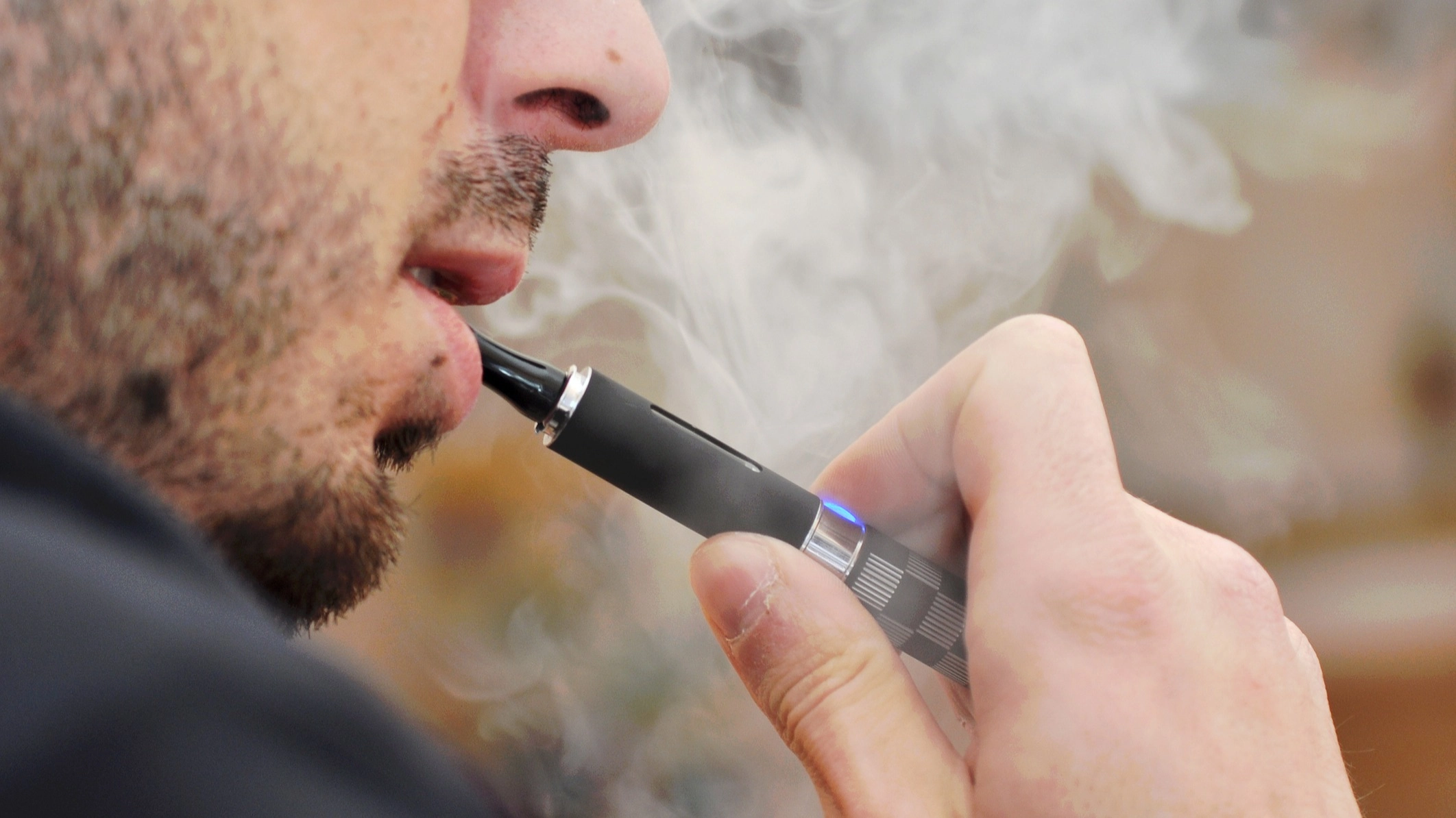
Taking a vape onto a plane when travelling is now one of the biggest fire hazards on flights.
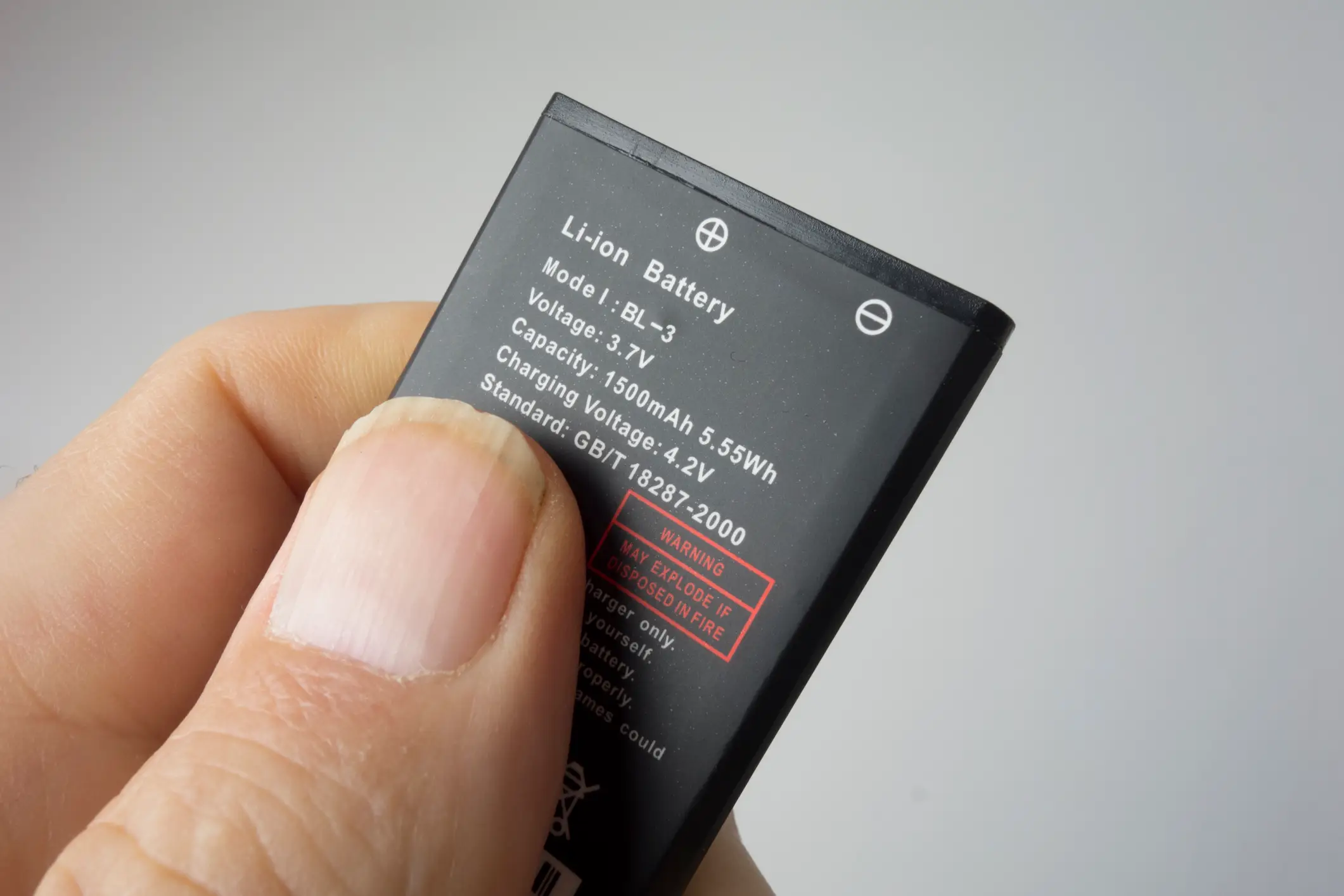
New data indicates that the lithium-ion batteries found in vapes are now the largest fire risk on commercial flights, despite strict airline rules around if and when they're allowed.
The rechargeable batteries are used in a huge variety of consumable electronics, including everything from smartphones to electric cars, but it's the batteries in vapes and power banks which are proving most problematic.
October 2025 saw a dramatic incident in which a lithium-ion battery caught fire in the luggage compartment of an Air China flight.
Advert
The same year, the US FAA recorded 93 incidents on flights involving lithium-ion batteries, including fires, smoke, and extreme heat, of which more than half were batteries located in either an e-cigarette or power bank.
Meanwhile, in the UK the same year, the BBC reported that 643 incidents of lithium batteries in hold bags were reported, causing delays.
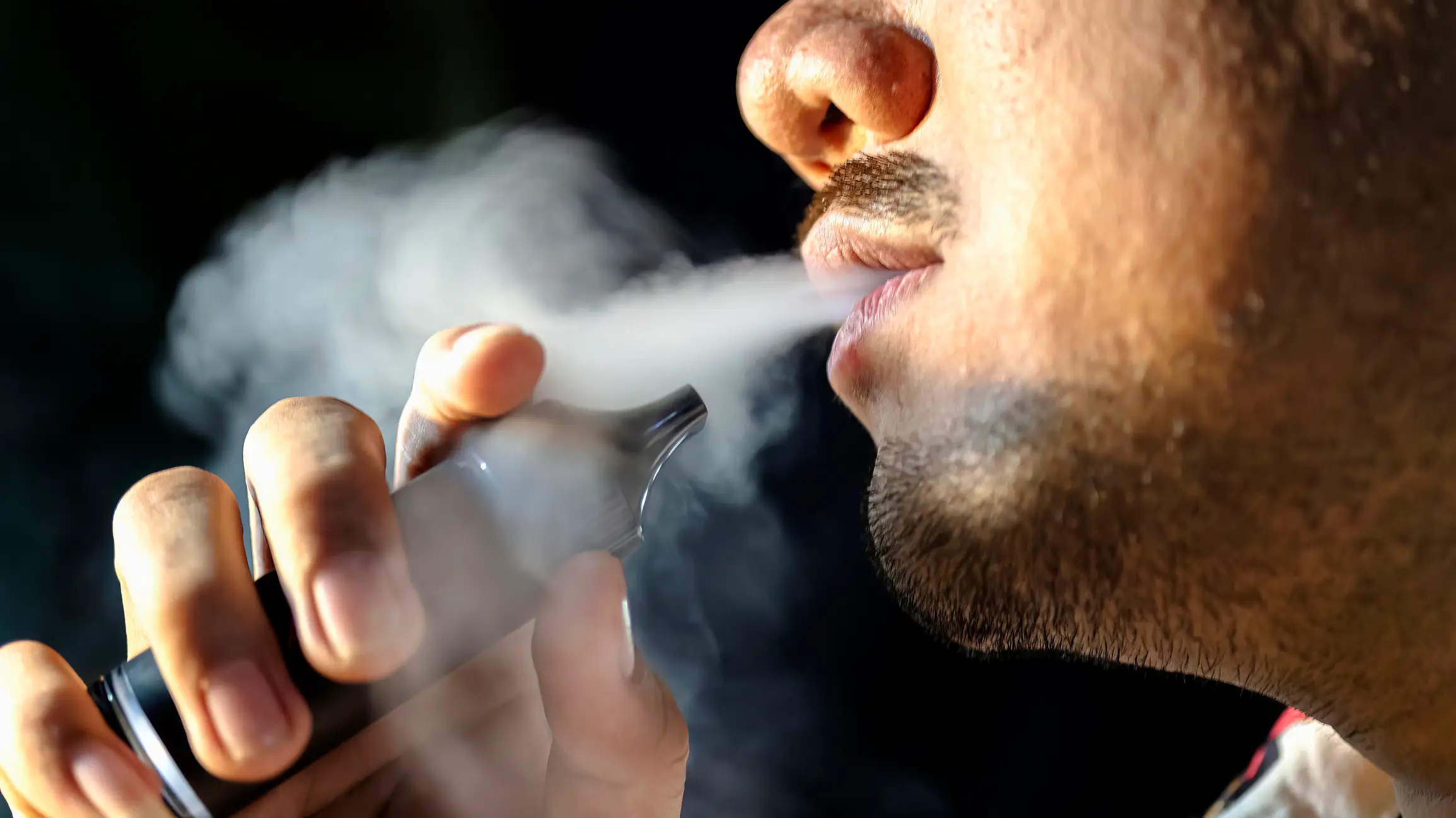
This is because while specific rules vary by airline, in general the batteries, including vapes and power banks, have to be stored in cabin luggage and not stowed in the hold.
So if it emerges that a hold bag has a lithium ion battery in it, then an aircraft may be forced to divert.
Markus Lindblad is the Head of External & Legal Affairs at Northerner, and explained the different rules that airlines have about vapes, which are useful to know before flying.
So what are the rules for some of the UK's major airlines?

Jet2
On Jet2, for example, you can take an e-cigarette on as long as the battery remains installed in the device, its capacity is not more than 160Wh, that's 'watt hours', and that they are all individually protected to prevent short-circuiting or accidental activation.
A spokesperson for Jet2 told LADbible that the following restrictions are in place on their flights: "Lithium-ion batteries, lithium metal batteries and power banks that don’t clearly state the watt-hour rating or lithium metal content, or where the watt-hour rating cannot easily be otherwise ascertained, are forbidden."
They added: "Small lithium battery-powered vehicles are forbidden as hand luggage or hold baggage. This prohibition applies but is not limited to, air wheels, solo wheels, balance wheels and hover boards."
easyJet
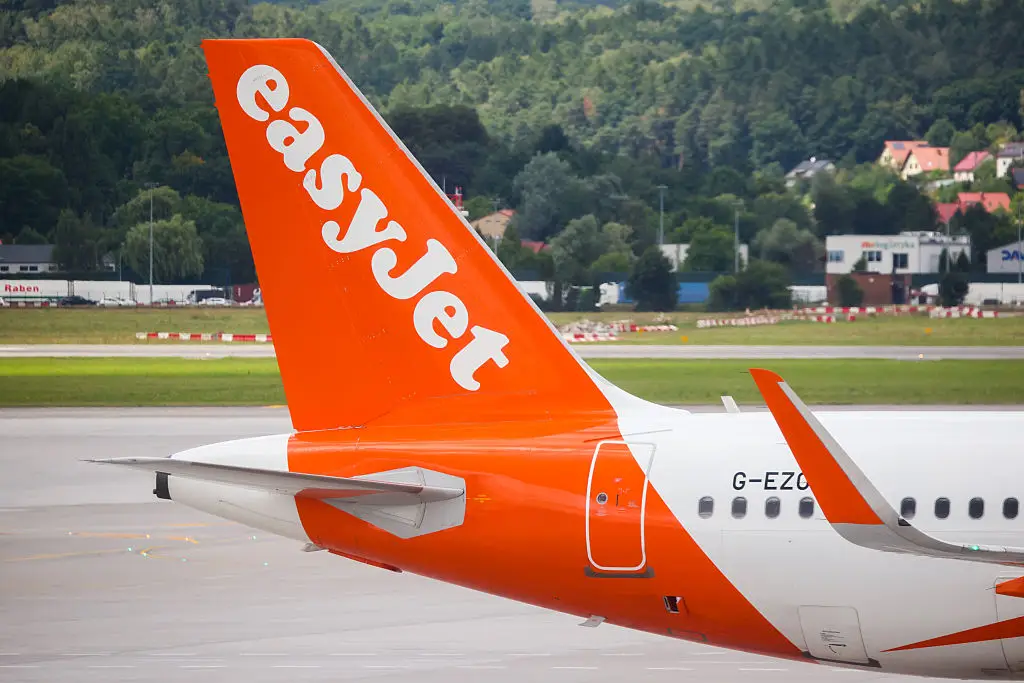
For easyJet you must carry your vape in cabin luggage and it has to be completely switched off for the flight, with a maximum of two spare batteries permitted.
A spokesperson for easyJet told LADbible: "We advise passengers during booking that these cannot be carried in the hold and must be carried in cabin bags.
"easyJet follows all regulatory requirements from the safety authorities and the safety of our passengers and crew is always our highest priority."
Ryanair
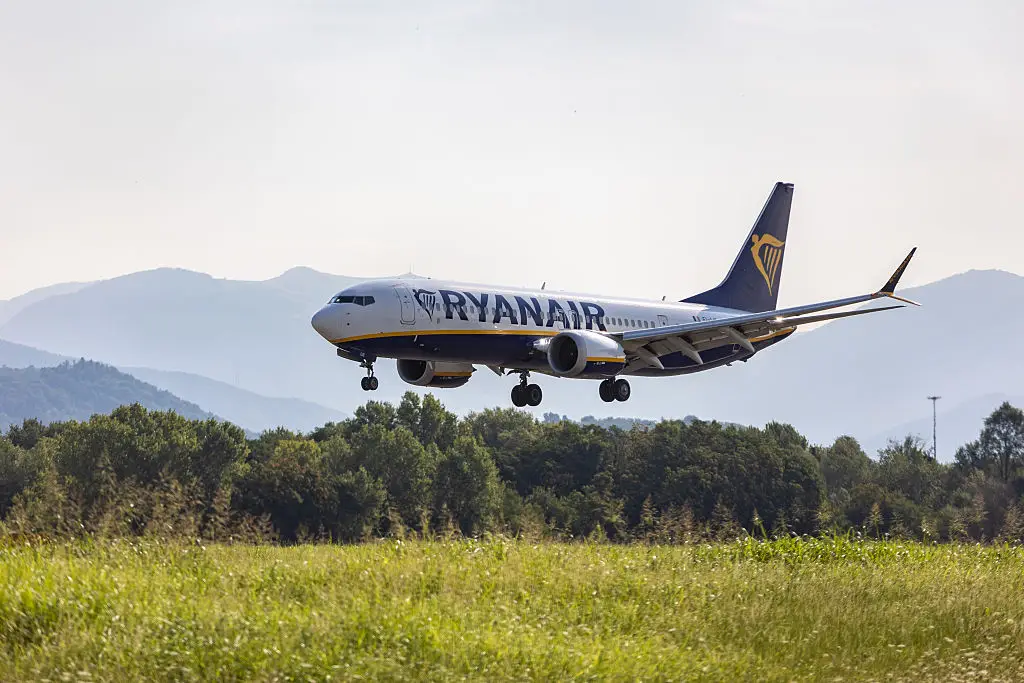
Ryanair has a rule that all vapes are in hand luggage, and you can bring up to 15 electronic devices and 20 lithium batteries, each of which must not be more than 100Wh.
The same goes for power banks as well, which have to be carried into the cabin and not held in the hold due to fire risk.
Other rules
However, Mr Lindblad warned that while you can take them onto the plane, charging your e-cigarette or power bank is not allowed on the flight.
"These items carry a significant risk of becoming too hot during the charging process, which increases the danger of a fire starting from the lithium battery," he explained.
But what can you do if you would struggle to go without nicotine when you travel by plane?
There are options such as nicotine pouches or patches, which can be used on a flight and don't release any vapour or pose a fire risk on the flight.
LADbible has approached Ryanair for comment.
Topics: Travel, Plane Etiquette, World News
 Kit Roberts