
Travel warning issued for Florida as popular holiday destination hit by largest dengue outbreak in decades

If you’re planning a trip to Florida any time soon, you might need to know about this warning that’s currently being issued to those living in and visiting the state.
According to health officials, Florida is currently experiencing a dengue outbreak that’s the largest seen in several decades, per AP.
State health experts revealed that it saw more than 250 local cases of the disease, which is spread from the bites of infected mosquitos.
While most of the cases were found to be in Hillsborough County, where Tampa is (a big tourist hotspot), other areas and surrounding counties have also declared local emergencies.
Advert
This has led to workers in the Tampa area spraying repellents in the area to bring the diseased mosquito population under control.
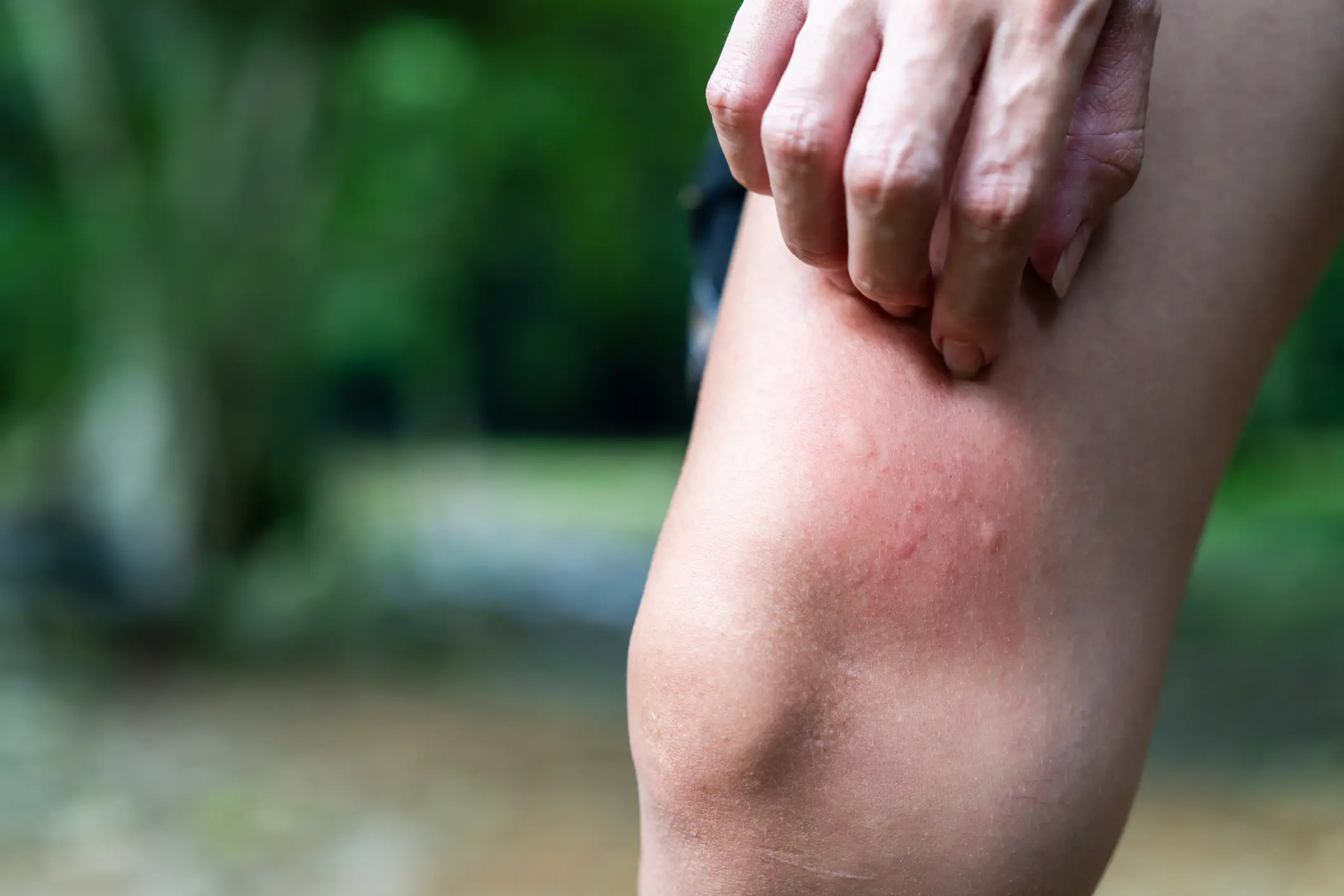
According to the World Health Organization, Dengue, also known as break-bone fever, is a viral infection that can be symptomless, but also fatal in serious cases.
The WHO states ‘it is more common in tropical and subtropical than in temperate climates’, which fits the bill of Florida, which is hot and humid.
Federal health officials say Florida’s outbreak marks the most cases in a calendar year for any state since the 1940s.
“This is wildly unusual for us,” Chris Wilkerson, a spokesperson for Hillsborough County, told ABC News.
However, with climate change creating warmer environments, it means it's the perfect spot for mosquitos to thrive.
Sadly, that means people are more at risk of infection in areas with larger populations of the diseased insects.
Those who are exposed to it may experience things like a high fever, headache, body aches, nausea, and a rash, but typically get better within one to two weeks with pain management.
However, you can lower your risk of dengue by avoiding mosquito bites.
For people who are stuck down with severe cases, it can be excruciating, causing shock and death.
To prevent the infection, the WHO suggests wearing ‘clothes that cover as much of your body as possible’, as well as the use of ‘mosquito nets, ideally sprayed with insect repellent’.
Then, if sleeping during the day, window screens could be of use, mosquito repellents containing DEET, Picaridin or IR3535, and ‘coils and vaporizers’ are other options recommended, too.
As for stopping the spread of mosquitos, it says to ‘implement environmental management and modification practices to stop mosquitoes from accessing egg-laying habitats’, such as to ‘dispose of solid waste properly and remove artificial habitats that can hold water,’ and to ‘cover, empty and clean domestic water storage containers on a weekly basis’.

If you happen to be infected, the recommended treatment is to drink plenty of liquids and to take paracetamol for pain, while avoiding non-steroidal anti-inflammatory medication such as ibuprofen and aspirin.
The Florida outbreak comes as dengue continues to be seen in high levels globally.
More than 2.2 million infections have been reported already, says the WHO, which includes 1,200 deaths.
However, the true number of infections may be higher because dengue can cause mild or no symptoms, so people may not reach out for medical attention or know they even have it.
As for now, Paolo Pecora, an environmental scientist with Hillsborough County, said the mosquito control team has been working overtime to control mosquito numbers, per the Tampa Bay Times.
Pecora said reducing breeding habitats is key to stopping cases from rising, and has urged residents to be diligent about emptying outdoor containers or surfaces where liquid pools and becomes stagnant, whether it’s buckets or pet bowls or a flipped-over frisbee filled with rainwater.
“It’s a team effort. It’s a community effort,” Pecora said. “That’s how this problem is really going to be resolved.”
 Britt Jones