Warning issued to British tourists as 'nationwide crackdown' announced in popular holiday destination

A British holiday hotspot has been hit with the negative effects brought on by the closing of the Strait of Hormuz.
The ongoing war in the Middle East is showing no signs of slowing down, despite claims of a ceasefire by Donald Trump mere days ago.
Instead, Iran has hit back with fresh threats and absolutely no intent to slow down, as they prepare for the potential of US troops landing on their turf.
Amidst all the chaos has been the closing of the Strait of Hormuz, which is responsible for a fifth of the world's oil trade alone.
Advert
It measures at about 21 miles (33 km) at its tightest point, yet it is responsible for delivering crude oil from the world's highest oil-producing region.
As reported by Sky News, it can deal with up to 21 million barrels of oil per day, standing alone as the world's busiest oil shipping channel.
It leads from the Persian Gulf into the Gulf of Oman, onto the Arabian Sea and the Indian Ocean while being responsible for a fifth of global energy trade.
But due to Iran's sometimes extreme tactics to limit the use of the passage, the rest of the world has suffered and oil prices have skyrocketed.
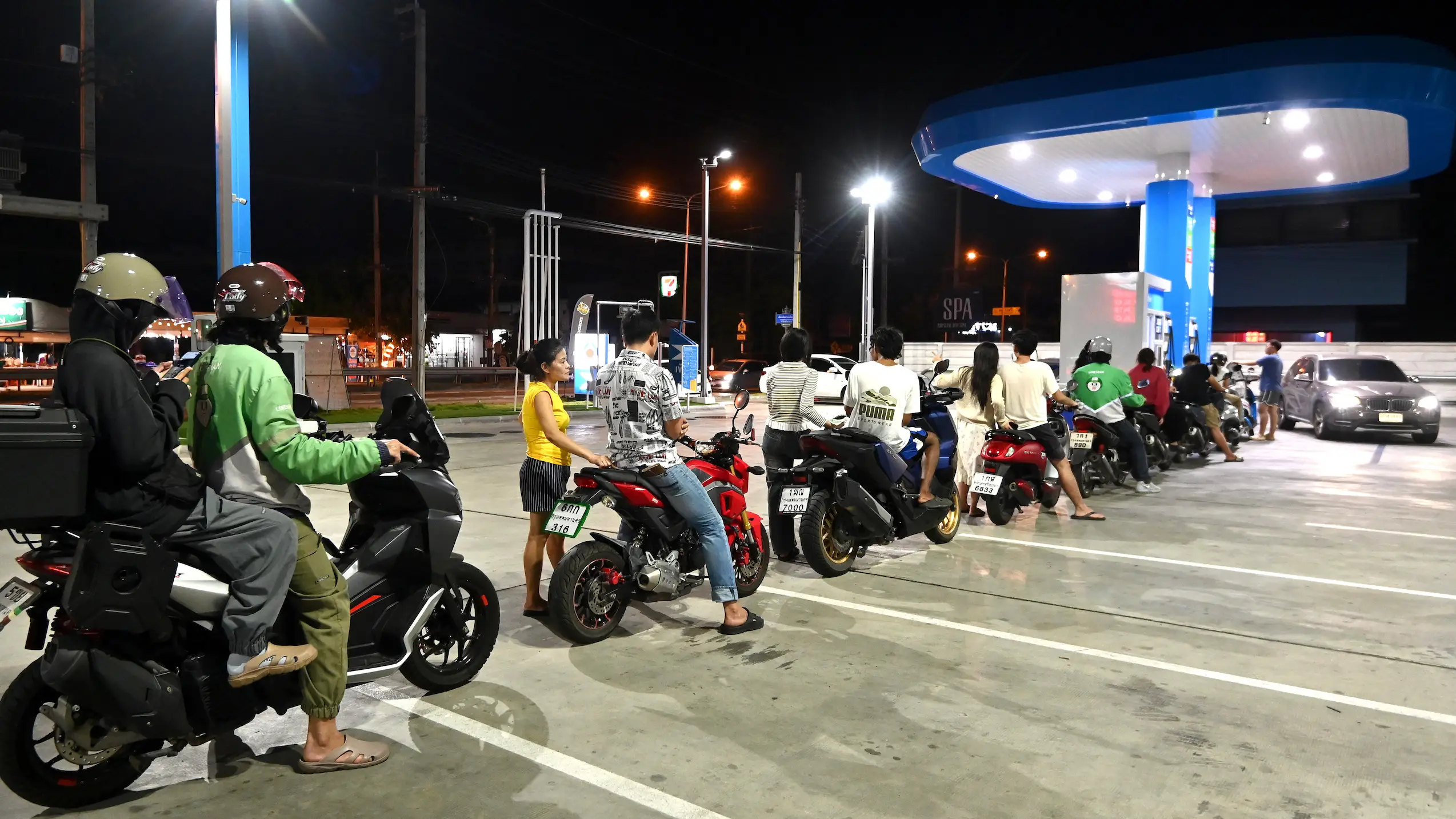
One of the regions that has been hit hardest is that of Southeast Asia, with Thailand in particular taking action to help preserve the oil that they have left.
The Thai Interior Ministry has ordered provinicial authorities to assume increased control ovwer fuel and consumer goods prices, with extreme restrictions being put in place.
In fact, those who are found hoarding supplies, manipulating prices, or violating emergency measures, could face up to 10 years behind bars and fines up to 100,000 baht (£2,276).
The new restrictions are expected to be a major blow for those looking to visit Thailand in the coming
This has been done as the Department of Provincial Administration is aiming to raise its response level in response to a wider effort to limit the impact of energy and consumer goods in a time of crisis.
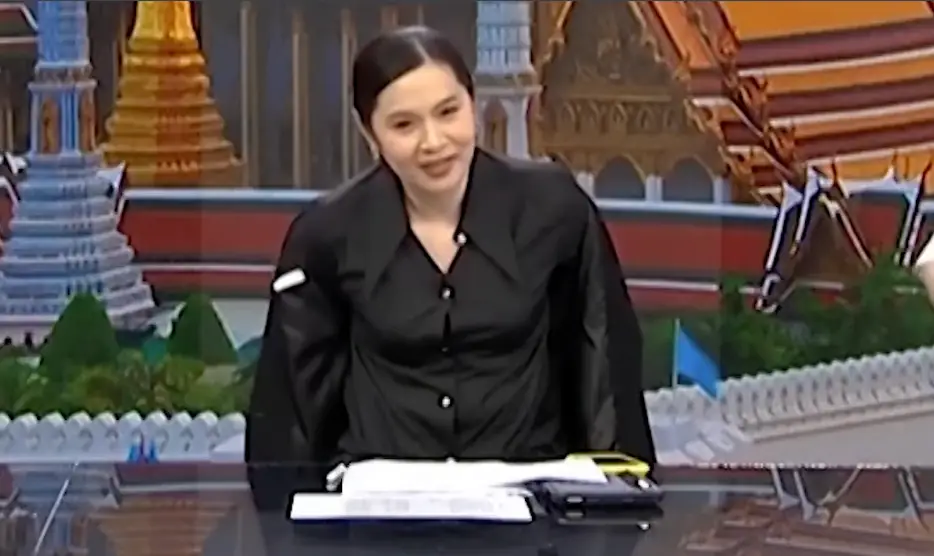
Thai citizens were made clear of the new restrictions as Thai PBS news presenter Sirima Songklin, along with her co-presenters, took off their blazers on air to reiterate the government's message of dressing appropriately for the heat.
She told BBC that they were 'setting an example', adding: "It's unbelievable that something so small could reflect the clear impact of the current conflict [in the Middle East] on us."
People in the nation have also been told to keep their air conditioning at 26 to 27°C as government agencies have also been told to work from home.
Authorities continue to claim that Thailand will have enough energy going forwards.
Officials have been told to inspect the quantity of controlled products being held, as they have been told to take action against those storing goods in undeclared locations, or delaying sales without cause.
The government have also ordered a temporary suspension on exports of petrol, gasohol, diesel, aviation fuel and liquefied petroleum gas.
Fuel traders have also been told to display retail prices at the points of sale and report every price adjustment to the director-general of the Department of Energy Business.
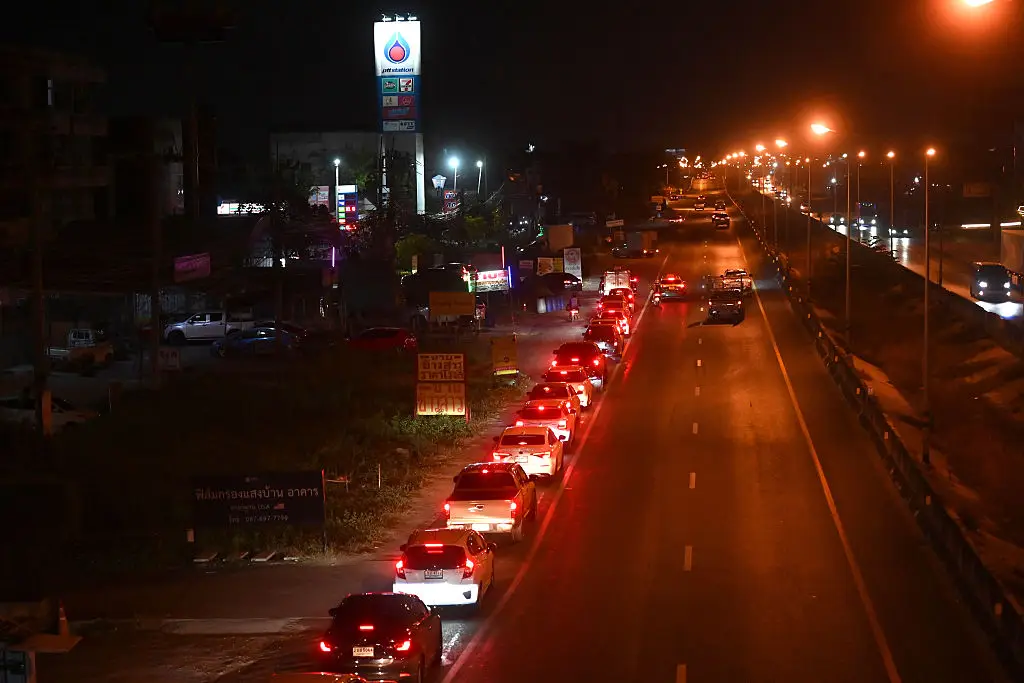
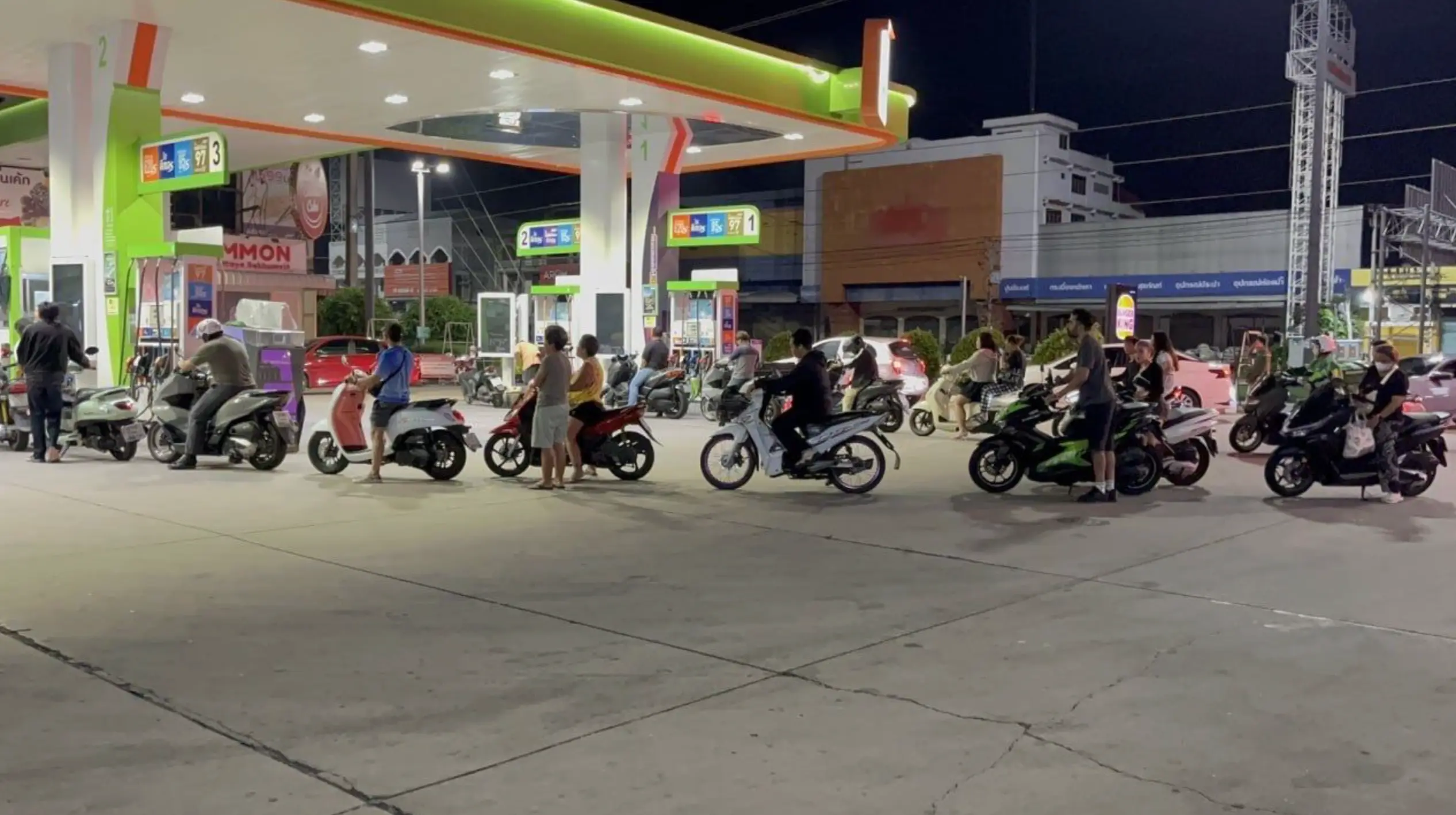
The government have claimed that they have 100 days of oil reserves, and that all the queues of vehicles aren't due to a national depletion, but panic buying.
Topics: Travel, World News, Politics
 Joshua Nair