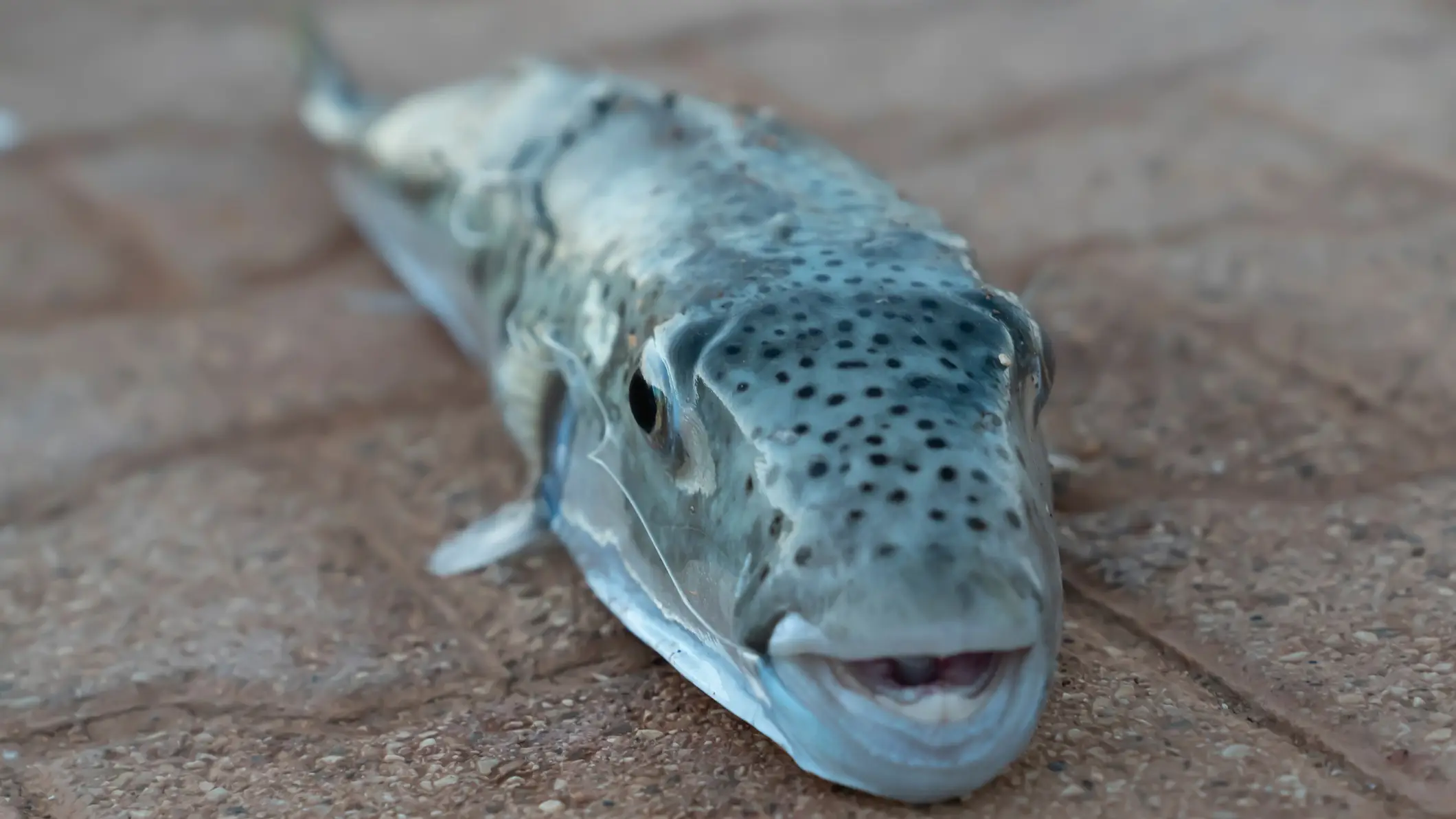
Concern grows among tourists as toxic fish with razor sharp teeth are invading holiday hotspot

You're going to want to be on guard if you're heading to Greece for a summer break - as poisonous fish that 'will take your finger clean off' are invading the waters.
Given that they are armed with razor sharp gnashers and packed with a potentially-fatal neurotoxin, running into one of these is something you want to avoid at all costs.
That's because silver-cheeked pufferfish really aren't afraid of sinking their teeth into anything, as the fishermen who patrol the Mediterranean shorelines have found out in recent weeks.
The toxic fish, which are also known as lagocephalus sceleratus, have been wreaking havoc in Greece after migrating north.
Advert
They typically stalk the waters of the Indian Ocean, but have found their way to the holiday hotspot just in time for the summer season after travelling via the Suez Canal in pursuit of warmer waters.
Since the silver-cheeked pufferfish turned up unannounced, fishermen in the area have seriously had their work cut out for them.
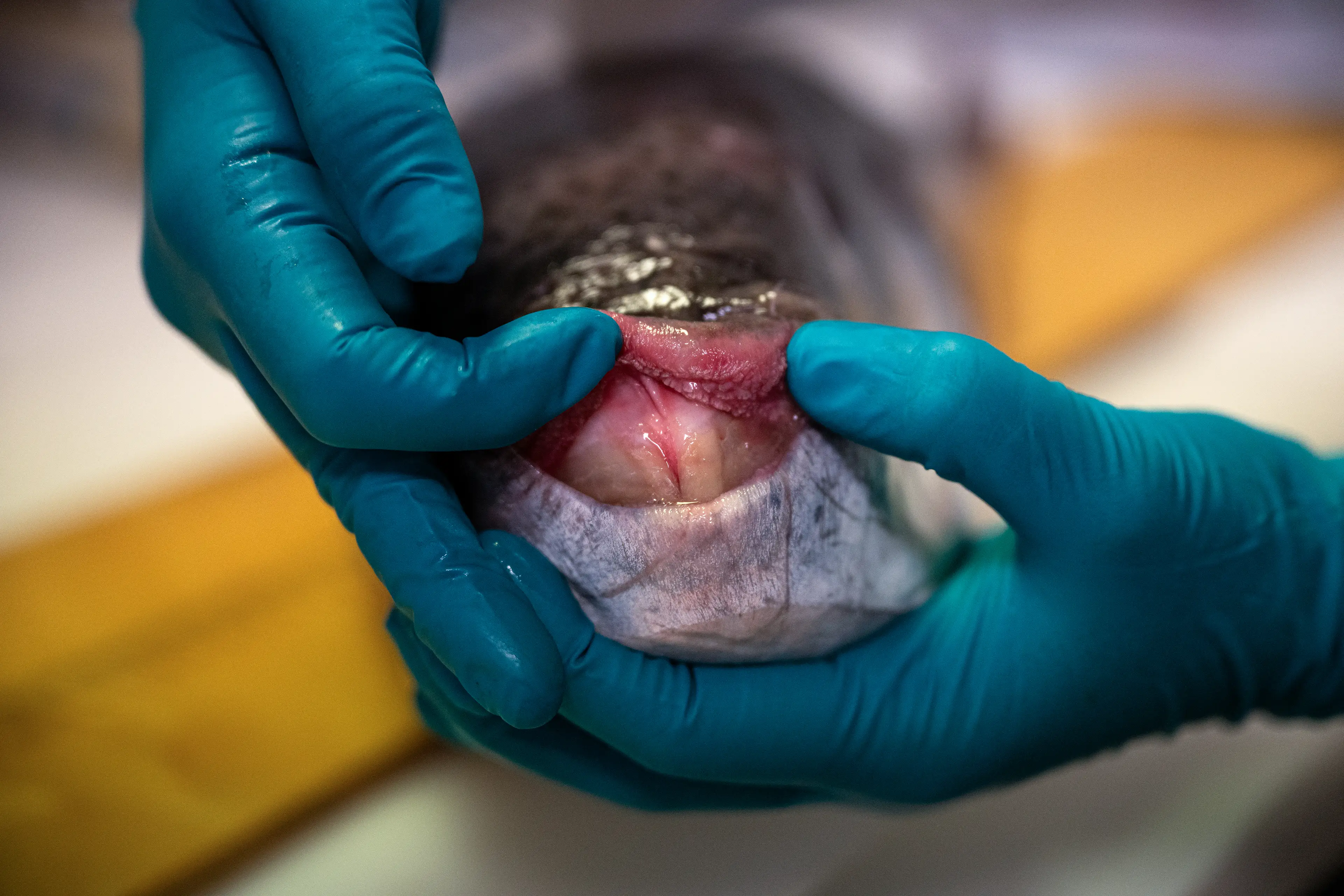
Locals have been complaining that the dangerous species have been chomping through their fishing nets and chowing down on their catch, so just imagine what they could do to an unsuspecting swimmer.
An elderly woman unfortunately encountered one last week at a beach in Varkiza, near Athens, and was left needing stitches after it is said to have gone for her without reason.
The Greek Red Cross has since issued a public health warning about the fish, explaining that it's powerful bite can cause serious injuries and heavy bleeding.
If bitten, you must immediately clean the wound with water and soap, apply steady pressure to stem the bleeding and seek medical attention as soon as possible.
Aside from their terrifying teeth, the skin and organs of silver-cheeked pufferfish also contain a powerful neurotoxin called tetrodotoxin. This can induce heart and lung failure in humans.
An expert on the species from the Hellenic Centre for Marine Research, Nota Peristeraki, warned that you should steer clear of silver-cheeked pufferfish if you encounter them along the shore.
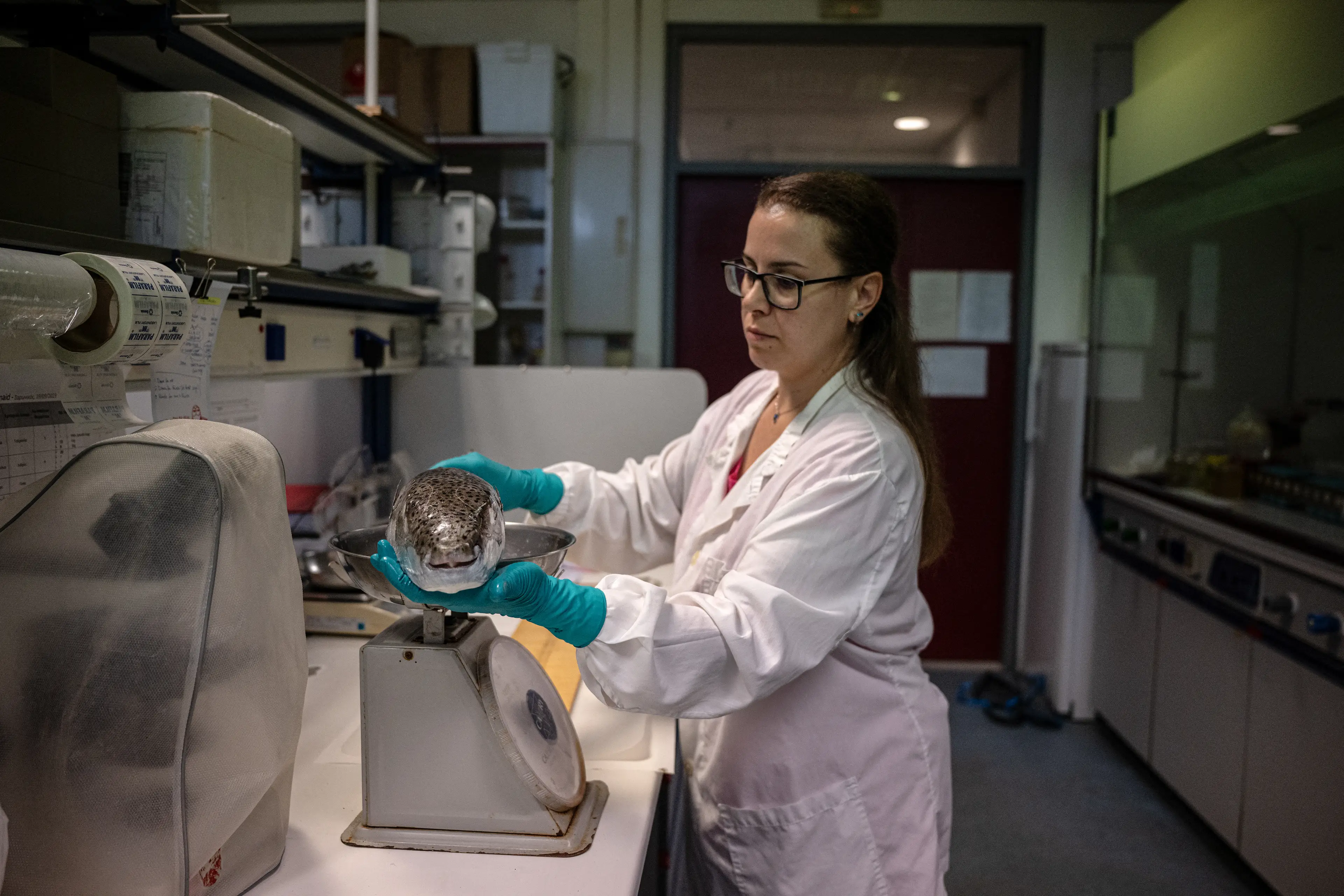
"If you see this fish approaching you, you really need to avoid it," she said, as per The Telegraph. "Some attacks have happened when people have tried to feed or touch the fish.
“There have been a couple of cases of people losing a finger or a toe. That said, these are rare incidents. You are more likely to encounter a shark.
"If you go snorkelling, you might not even see pufferfish. We have found the remains of fishing nets and hooks inside their stomachs."
Fishermen in Greece also warned that the fish put up quite a fight - while one even went as far to describe them as 'the destruction of the sea'.
"If one of these bites you, it will take your finger clean off," Alexis Charlambakis, a fisherman in Crete, told AFP. "They are the destruction of the sea.
"They leave nothing behind. If this wasn’t my boat, I’d quit this profession for good. The situation is dire...we cannot survive."
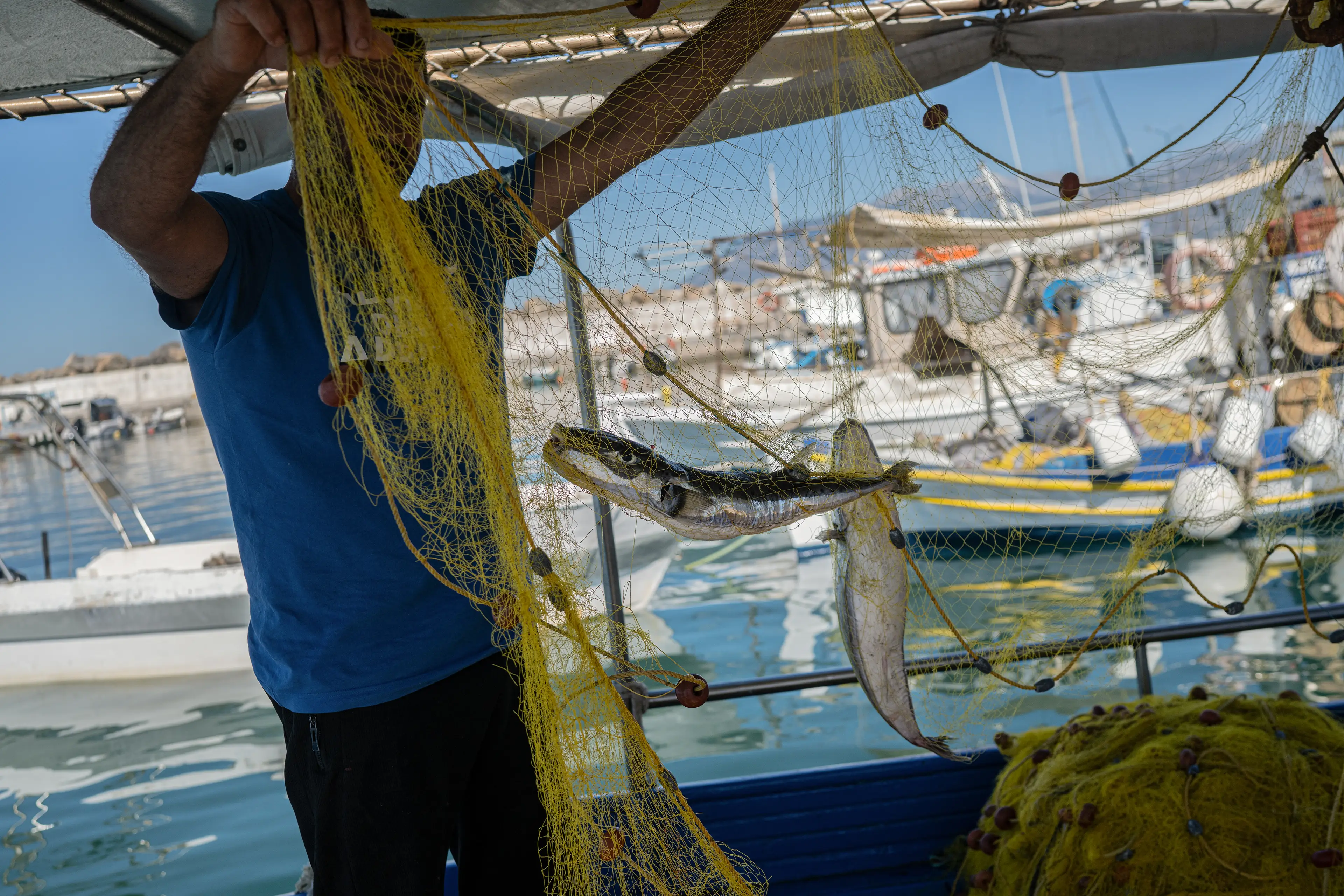
Another angler, Giannis Giankakis, said that the silver-cheeked pufferfish is an omnivorous fish 'that eats everything it encounters', adding: "Nothing seems to bother it, because it has no natural predators.
"It’s got to the point where we might go out fishing one day and then spend the next three days fixing our net. They eat our catch and damage our nets - that’s very costly."
The government in Greece is now giving frustrated fishermen an incentive to help get rid of the species, as they are being offered €5.33 (£4.60) per kilogram of them that they catch.
They will then be taken to local government facilities, agriculture minister Margaritis Schinas said, where they will be frozen and subsequently incinerated.
"It’s the first time that such a measure has been taken in Greece," Schinas added.
Authorities have urged people to remain calm despite the unwelcome marine visitors, with medical and tourism associations in Crete explaining there presence in the Mediterranean 'has been known for years'.
"There is, however, no 'invisible' or imminent danger to bathers," it explained. "Marine predators do not threaten the safety of visitors and residents. Exaggeration is often a feature of public debate."
Topics: Animals, Europe, Environment, Holiday
 Olivia Burke