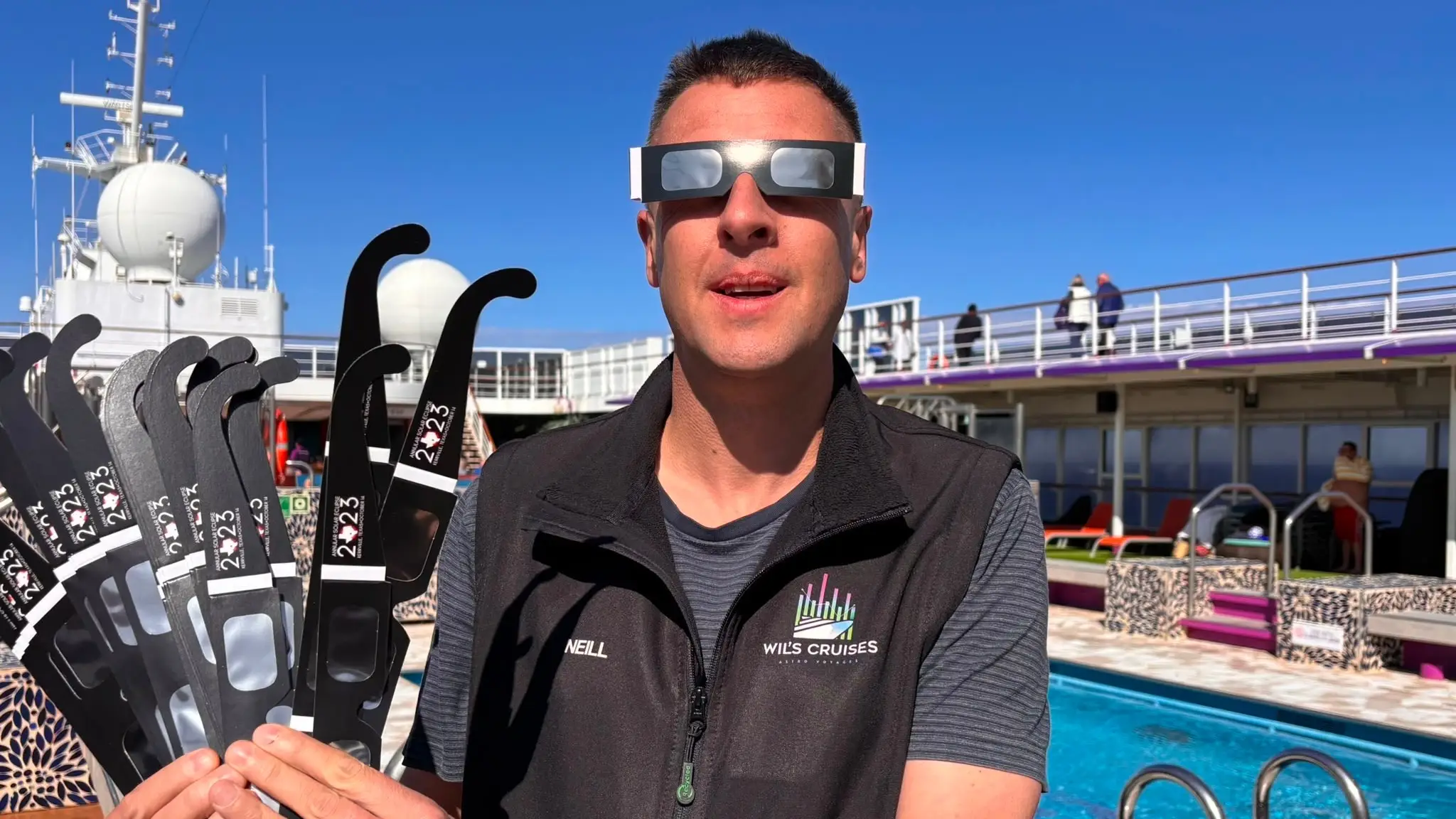
Expert explains how you can watch solar eclipse using something you'll already have in your kitchen

The world's eyes will turn towards the sky on Wednesday night as we're treated to one of the most significant solar eclipses since 1999.
Considering the next total solar eclipse isn't scheduled until 2090, it's no surprise that so many people are keen to witness what could well be a once-in-a-lifetime event tonight, with proceedings expected to begin around 6pm in the UK.
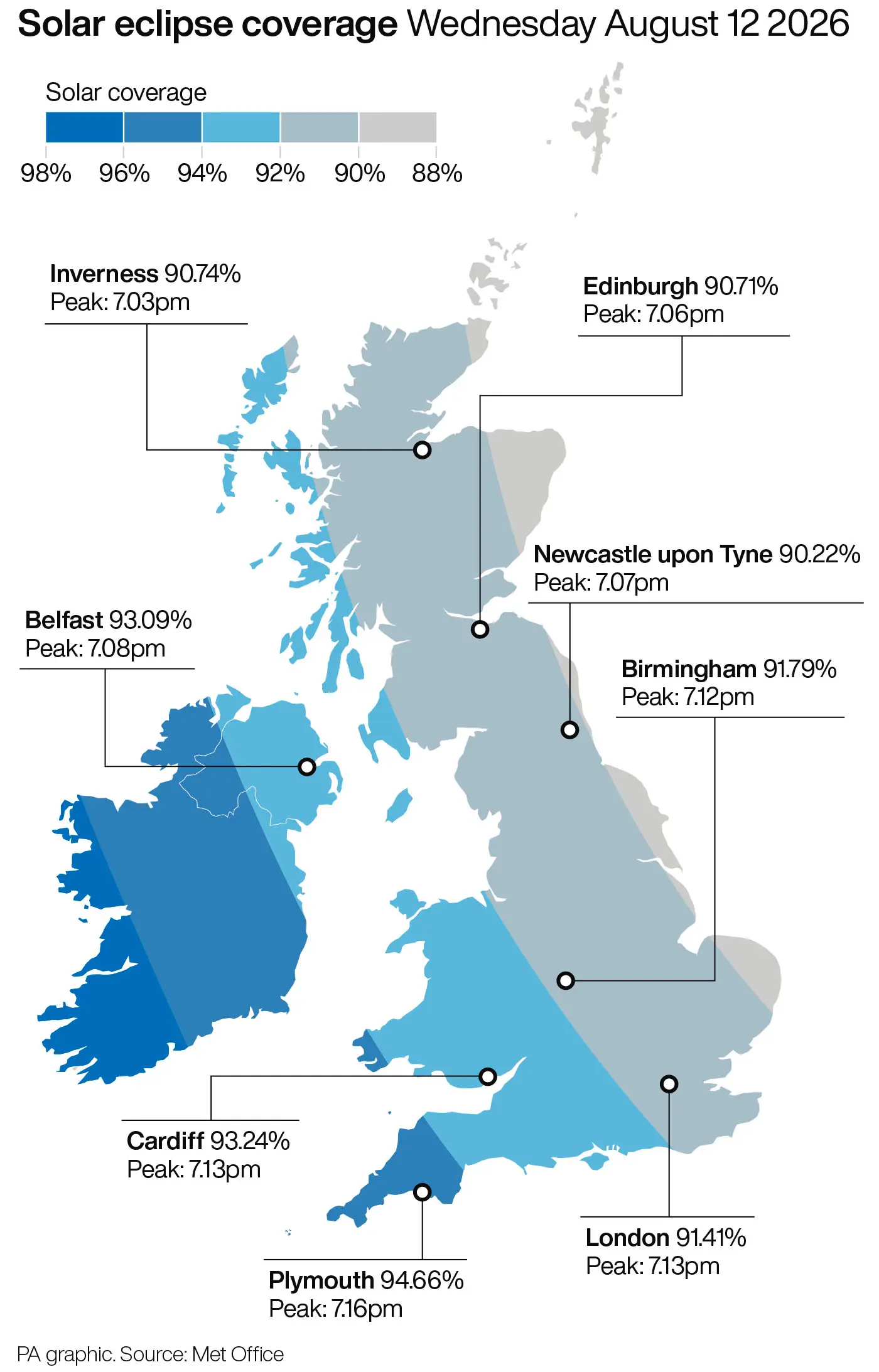
Although in the UK we will only have a partial eclipse of around 92 percent, some areas in Greenland and Spain will be treated to a 'totality', so it's no surprise that is where Go Stargazing founder Neill Sanders is heading.
The question on nearly everyone's lips on the UK is how they can watch the solar eclipse safely and the reality is that if you don't have the special glasses, it is a terrible idea for you to look straight at it.
Advert
So, for those of you who don't have access to the glasses but still want to witness the eclipse, it turns out that your best hope might be hiding in your kitchen cupboards.
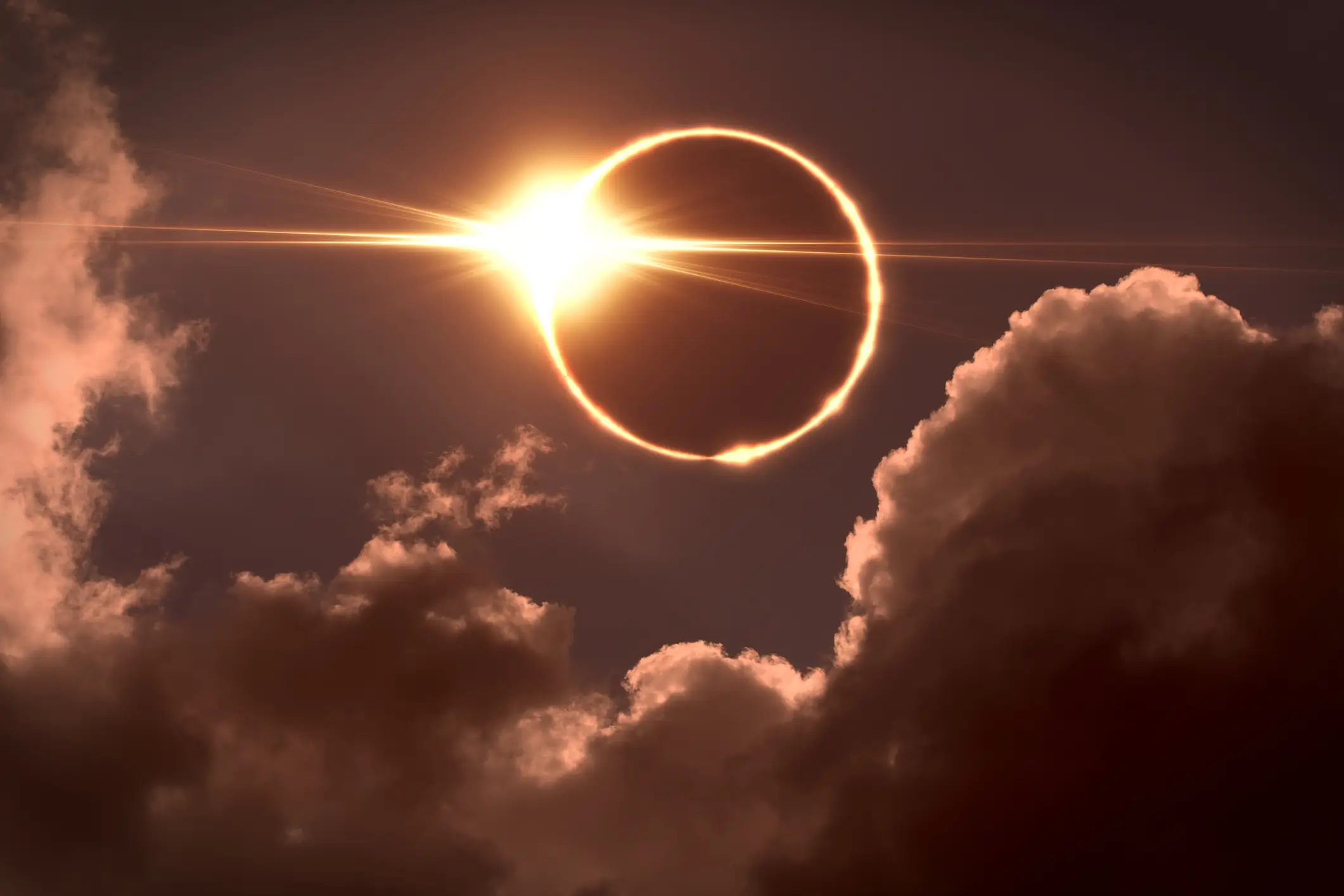
Speaking to LADbible, Neill explained: “If you don’t have glasses and therefore can’t look at the sun directly, the easiest way to observe it is indirectly.
"What you would do is stand with your back to the sun, looking away from it. Hold up a piece of card or paper with a little hole in it, maybe 1mm in diameter, and you can use that as a pinhole camera.
"So, you hold that up and project it onto a white wall or another bit of card. If you adjust the distance, you will create a pinhole camera and then you will be able to see the crescent projected onto it. That’s something that everyone can do.
"If you have got a colander, that’s got loads of little holes in. If you hold that in front of you with your back to the sun, you will get loads of little crescent suns. That is something that everybody can do, and it’s safe.”
How to take photos of the solar eclipse
Considering the rarity of tonight's event, it's easy to understand why one might want to take a picture to remember it by, but our phone cameras will also struggle when pointed directly at the sun.
Neill suggested that the only way you're going to be able to capture a usable picture of the solar eclipse is through a solar filter.
He explained: “Because it’s a partial eclipse, there is too much sunlight. Even during totality, you’ll still just get a bright sun. If you want to photograph a partial eclipse, you need to use a solar filter in front of the lens of your camera.
"If you’ve got a pair of eclipse glasses, you can hold a pair of eclipse glasses against your camera lens, and you’ll be able to take pictures. They usually come out looking very cool.”
There has been a significant amount of interest in the eclipse in the past few days, but Neill and fellow stargazers have been trying to raise awareness since March of last year.
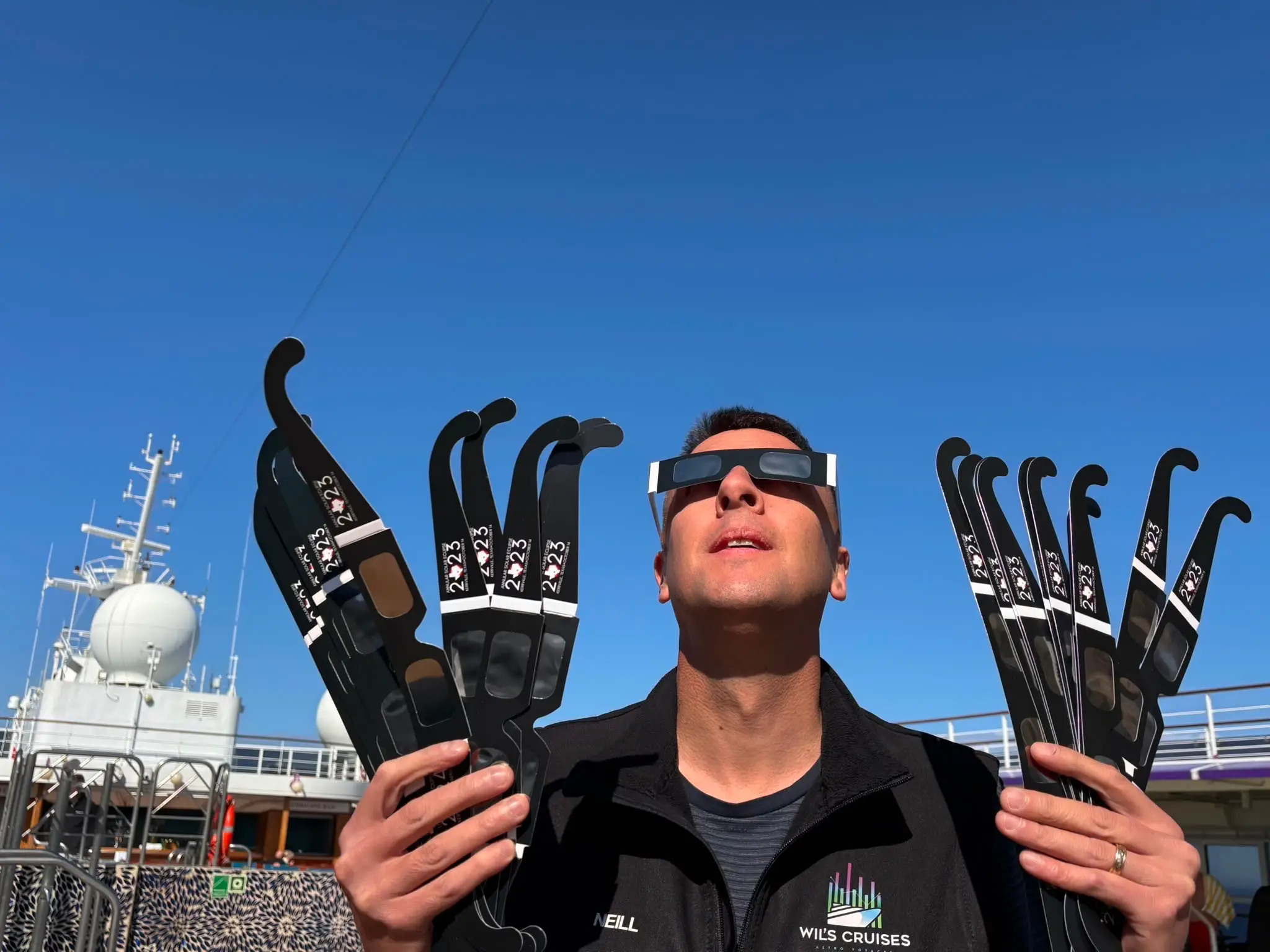
Neill himself has sent out over 100,000 pairs of eclipse glasses in the build-up to the event, selling them for 5p a pair, with all the money going to charity.
He added: “We’ve been trying to raise awareness since March last year. It’s exploded in the media in the last few days. The serious message is that you must never look at the sun without the correct eye protection.
"The correct eye protection is certified eclipse glasses. Even multiple pairs of sunglasses won’t do it, because you could damage your eyes.
"I’ve sent out 100,000 pairs eclipse glasses across the UK to raise money for the charity Astronomers Without Borders.”
So, the key takeaway here is that it's vital you don't look at the sun tonight without the specific glasses, and a piece of card or colander might well be your best friend when it comes to experiencing it.
What is a solar eclipse?
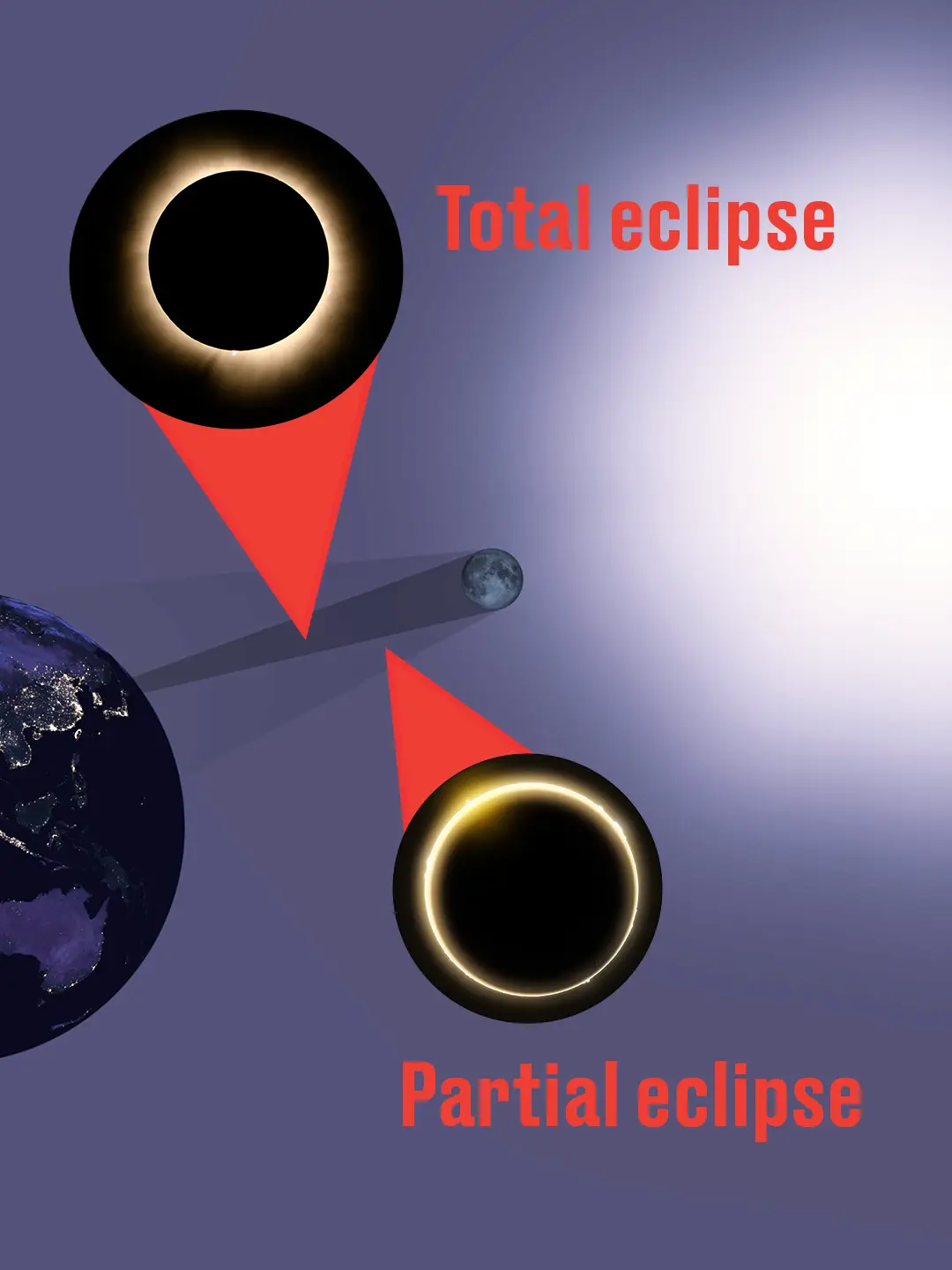
A solar eclipse is when the Moon passes in front of the Sun, blocking out its light. There are several reasons why this doesn’t happen very often.
Firstly, the Moon and the Sun need to be on the same side of the Earth. In other words, the Moon needs to be in the daytime sky, i.e. a New Moon.
The Moon’s orbit also doesn’t line up with the Earth’s - it’s tilted by about five degrees. This means that usually the Moon passes over or under rather than in front of the Sun.
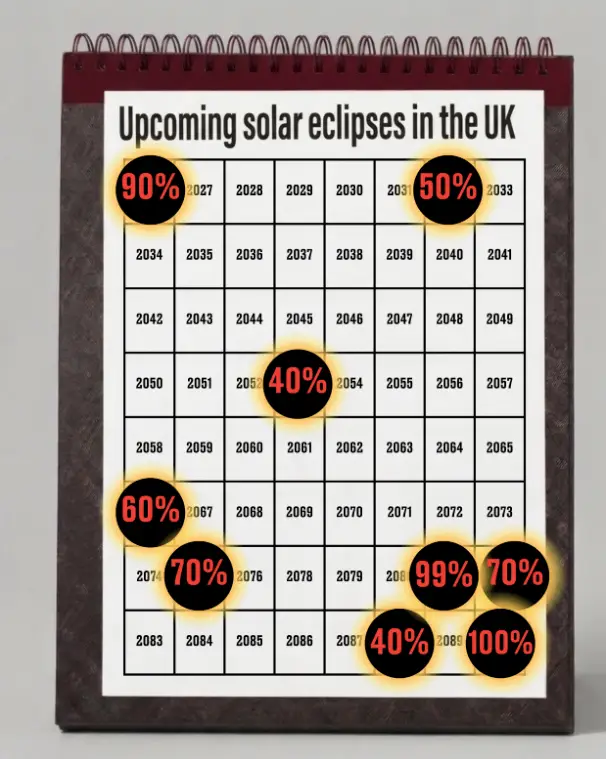
In fact, solar eclipses only occur twice a year, about every 173 days, in what are called eclipse seasons. Each eclipse season lasts about 35 days.
Many solar eclipses pass unnoticed.
This is because the Moon only casts a small shadow on the Earth, known as the path of totality.
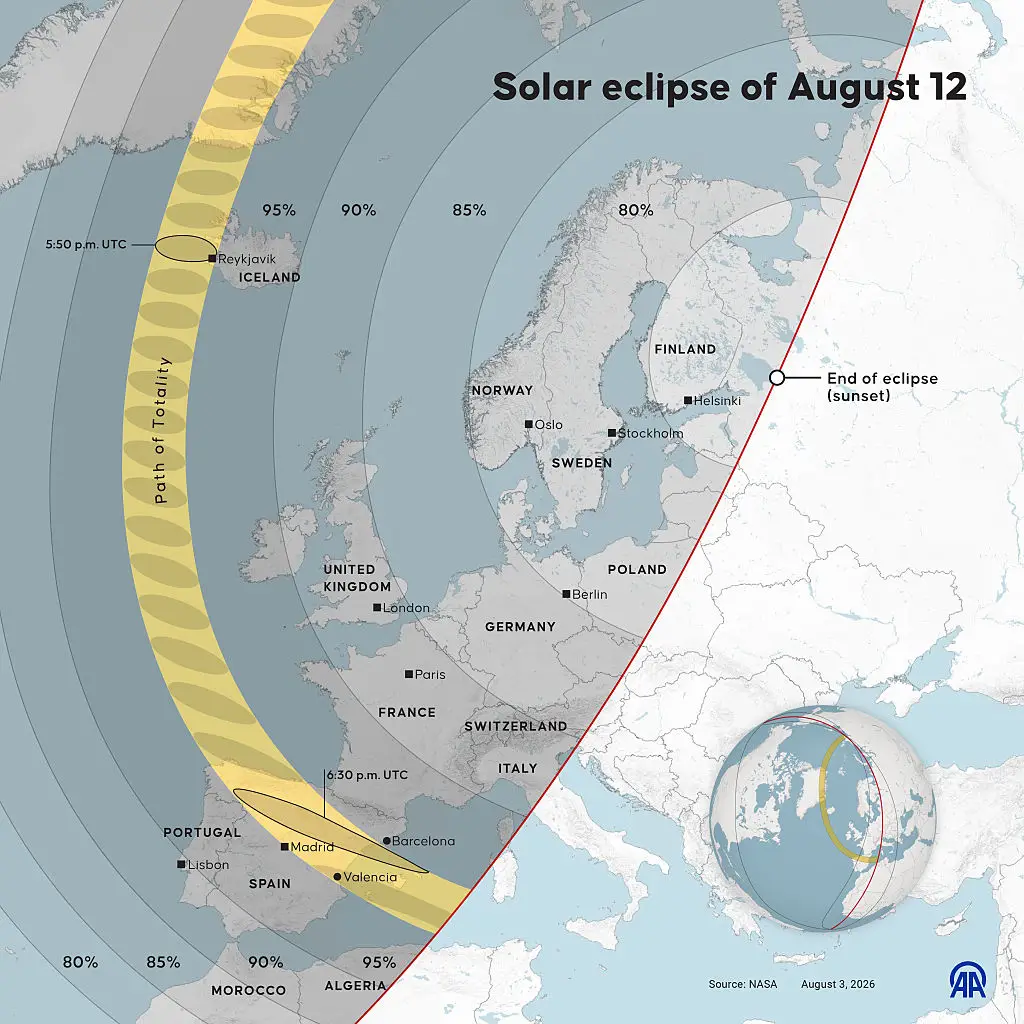
You need to be directly in the path of totality to see a full eclipse, and nearby to catch a partial eclipse.
 James Moorhouse