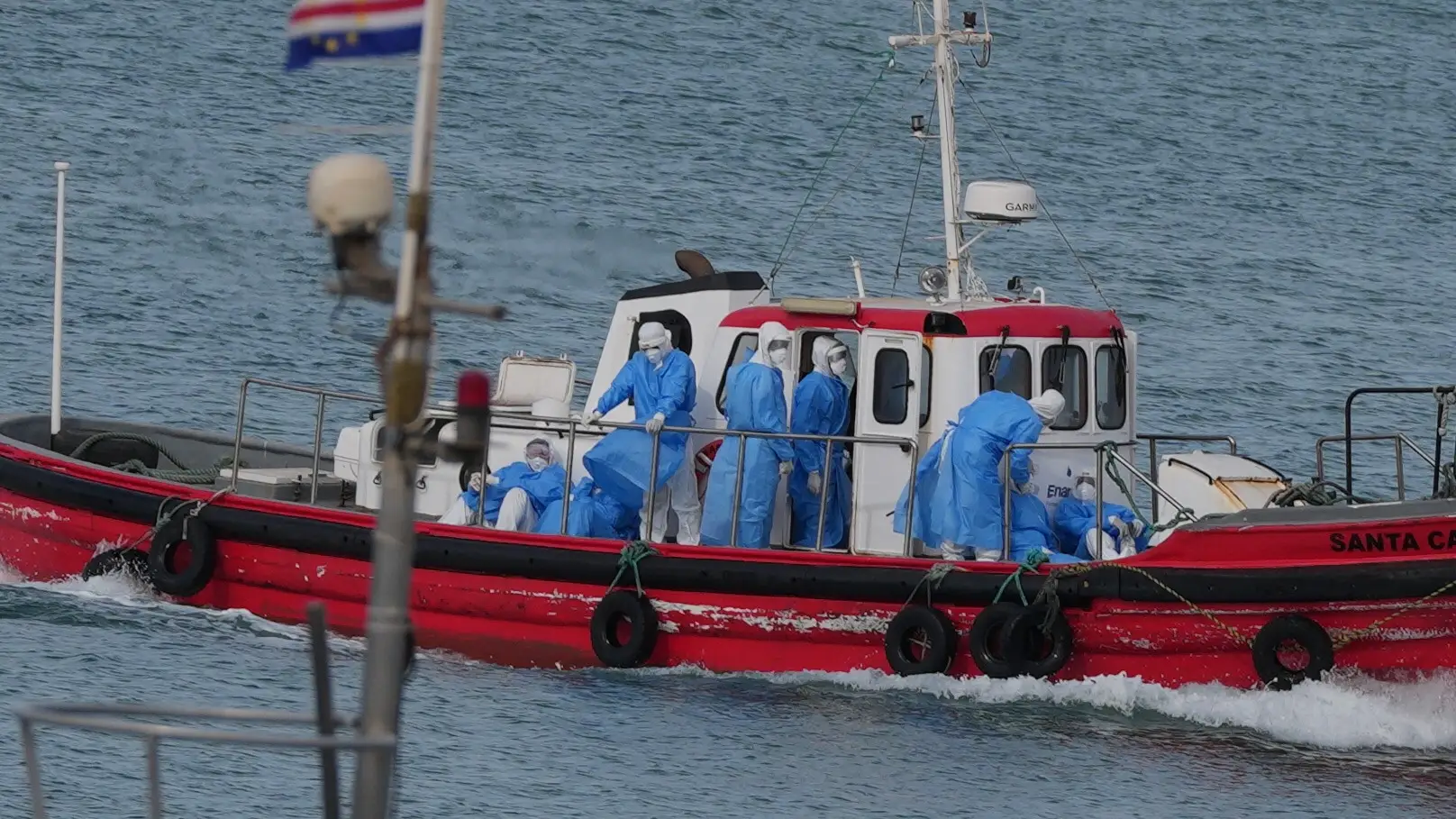
Hantavirus Andes variant warning signs as WHO confirms deadly person to person strain on cruise ship

The World Health Organisation (WHO) has confirmed that the deadly person-to-person Andes variant is on board the MV Hondius cruise ship that has seen three people die after an outbreak of Hantavirus.
With cases also confirmed to be in mainland Europe, anxiety around the virus is rising. But what exactly is the Andes variant? And why should we be worried outside of the obvious person-to-person transmission?
Often, Hantavirus spreads from rodents like rats and mice to humans through their saliva, urine, or excrement, with the disease leading to hantavirus cardiopulmonary syndrome (HCPS). This causes complications in the heart and lungs, with the risk of death significant.
How is the Andes variant spread?
The Andes is currently the only hantavirus strain known to be transmitted between people.
That is usually through 'close contact' with an infected person, with infections between family members common as a result.
Andes variant symptoms and treatment
The NHS states that the first stages of an Andes virus infection often appear similar to having the flu.
Advert
We're talking chills, muscle aches and pains, having a fever, and gastrointestinal pains and problems.
During these first stages, you will likely avoid respiratory issues. These come later as the disease progresses in your body.
As the disease moves through your system, it can lead to respiratory failure, shock and haemorrhage.
And worryingly, WHO explains that symptoms can appear between one and eight weeks after contact - with the usual window between two and four weeks.
At this moment in time, no vaccine exists to treat the Andes variant. There's also no specific treatment that is universally agreed upon. WHO states that early diagnosis is crucial to medical recovery via respiratory, cardiac and kidney monitoring.
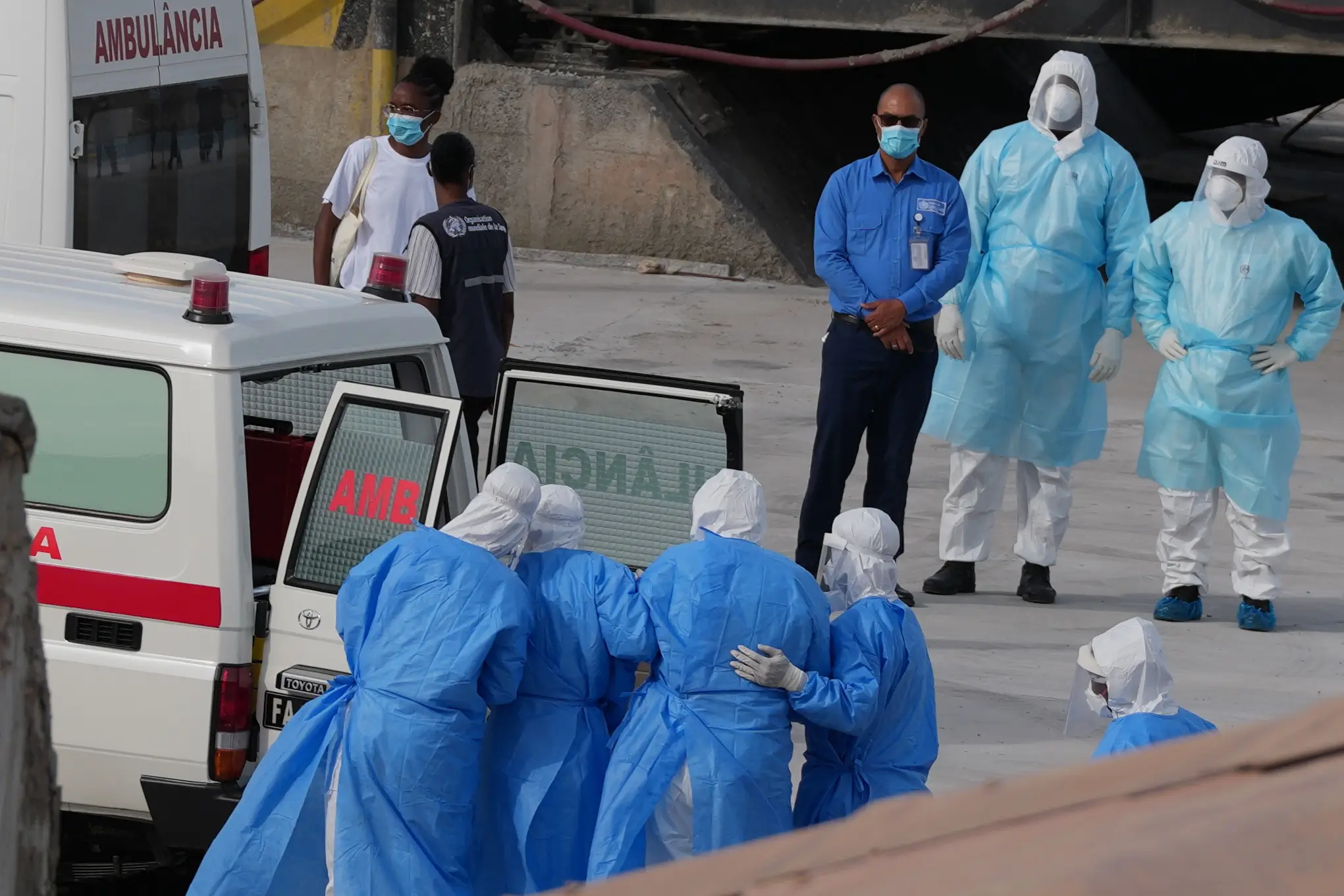
Cruise ship evacuation
Three people with suspected hantavirus, including a British crew member, have now been medically evacuated from the cruise ship. Dr Tedros Adhanom Ghebreyesus, director-general of the global health body, posted on X: “Three suspected hantavirus case patients have just been evacuated from the ship and are on their way to receive medical care in the Netherlands in co-ordination with WHO, the ship’s operator and national authorities from Cabo Verde, the United Kingdom, Spain and the Netherlands.
“WHO continues to work with the ship’s operators to closely monitor the health of passengers and crew, working with countries to support appropriate medical follow-up and evacuation where needed.
“Monitoring and follow-up for passengers on board and for those who have already disembarked has been initiated in collaboration with the ship’s operators and national health authorities. At this stage, the overall public health risk remains low.”
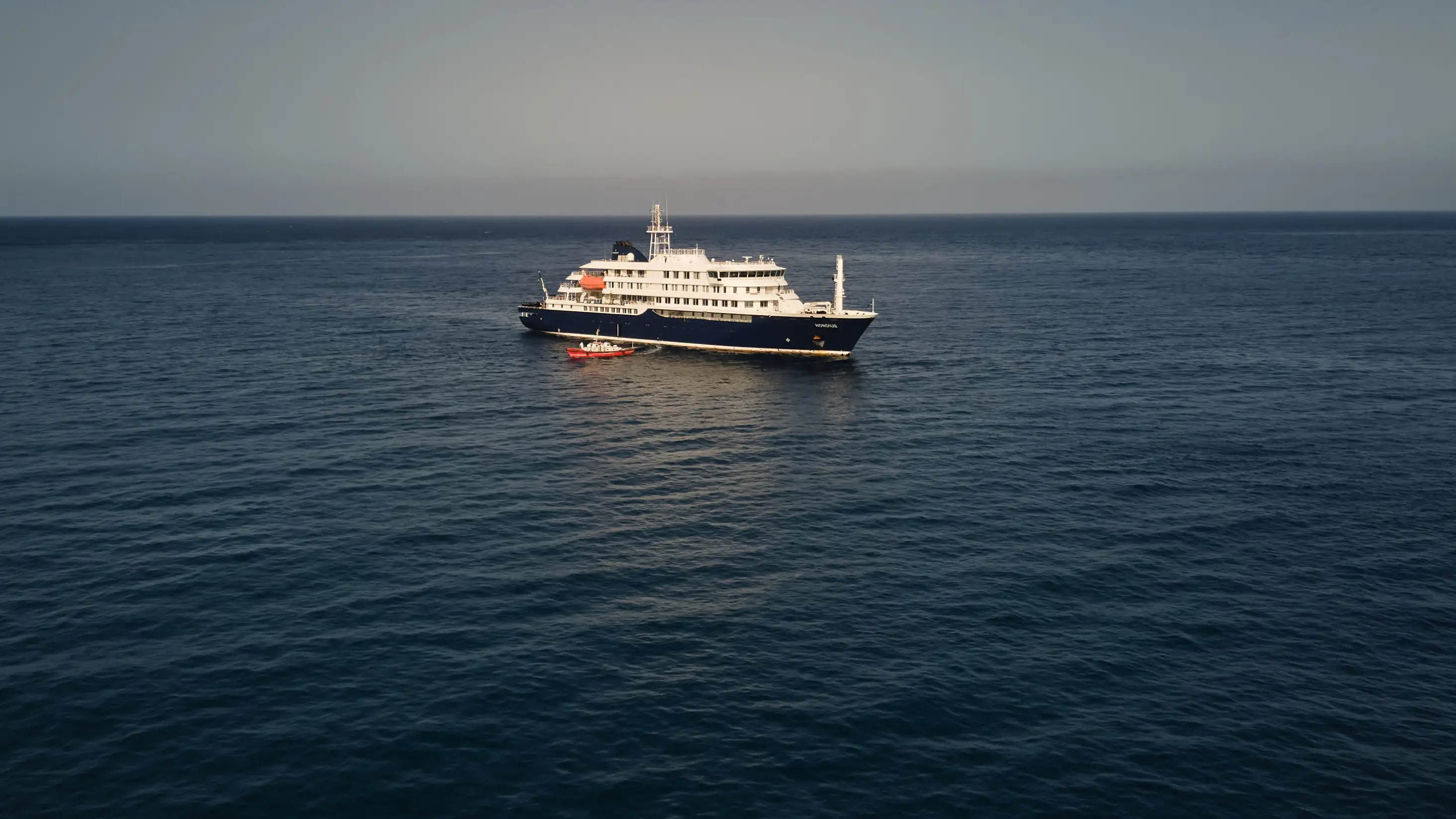
UK Government response
Foreign Secretary Yvette Cooper said: “The outbreak of Hantavirus is very serious and deeply stressful for those affected and their families. The UK response is being led by the UK Health Security Agency working with the WHO.
“The Foreign Office is working urgently to support the UKHSA’s work overseas and to make sure British nationals on the MV Hondius can all get safely home with proper protection for public health.
“Foreign Office consular staff are in direct contact with British nationals onboard the ship and stand ready to provide further assistance to any British national in need of support overseas 24/7 – our crisis response centre has been operating for the last few days to provide support. Ministers are in close touch with our Dutch and Spanish counterparts and we have been working with other countries to facilitate the medical evacuations, to support our Overseas Territories and to get British nationals home safely as quickly as possible.”
Topics: Health, Travel, World News, Cruise Ship
 Tom Earnshaw