Pilot made tragic comment before worst ever air crash that killed 583

The deadliest aviation disaster in history took place almost 50 years ago in Tenerife, Spain.
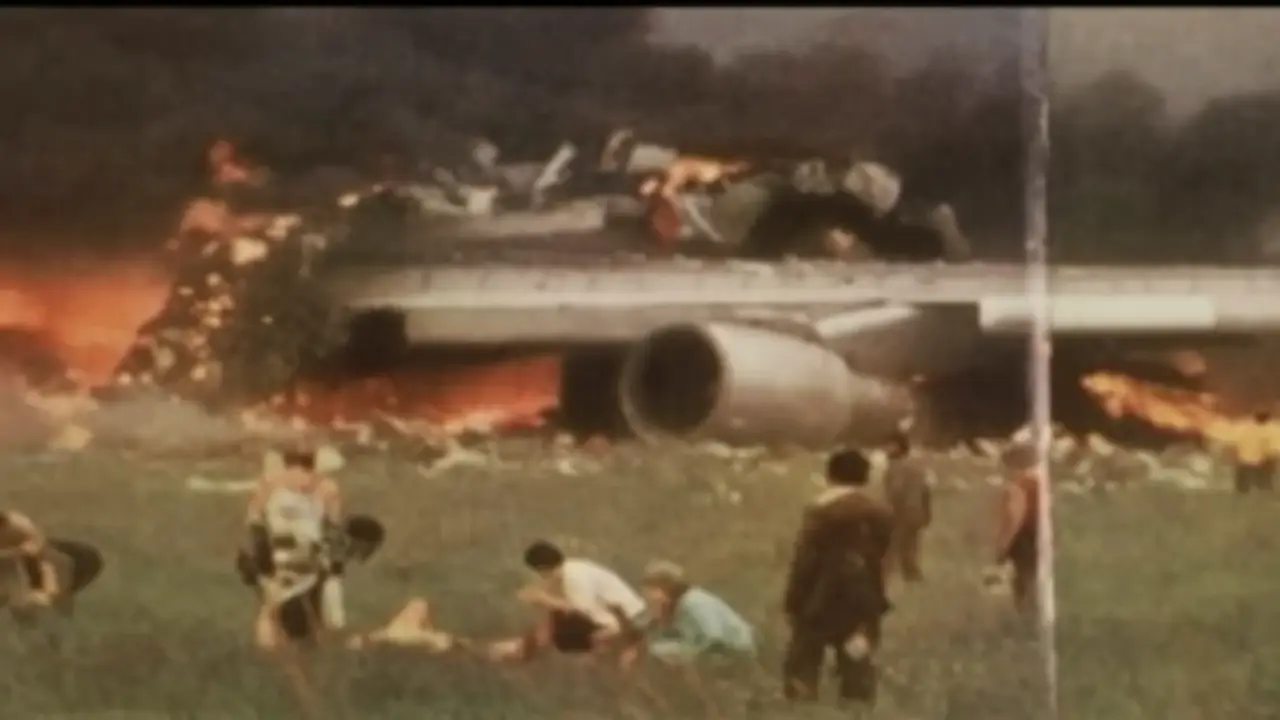
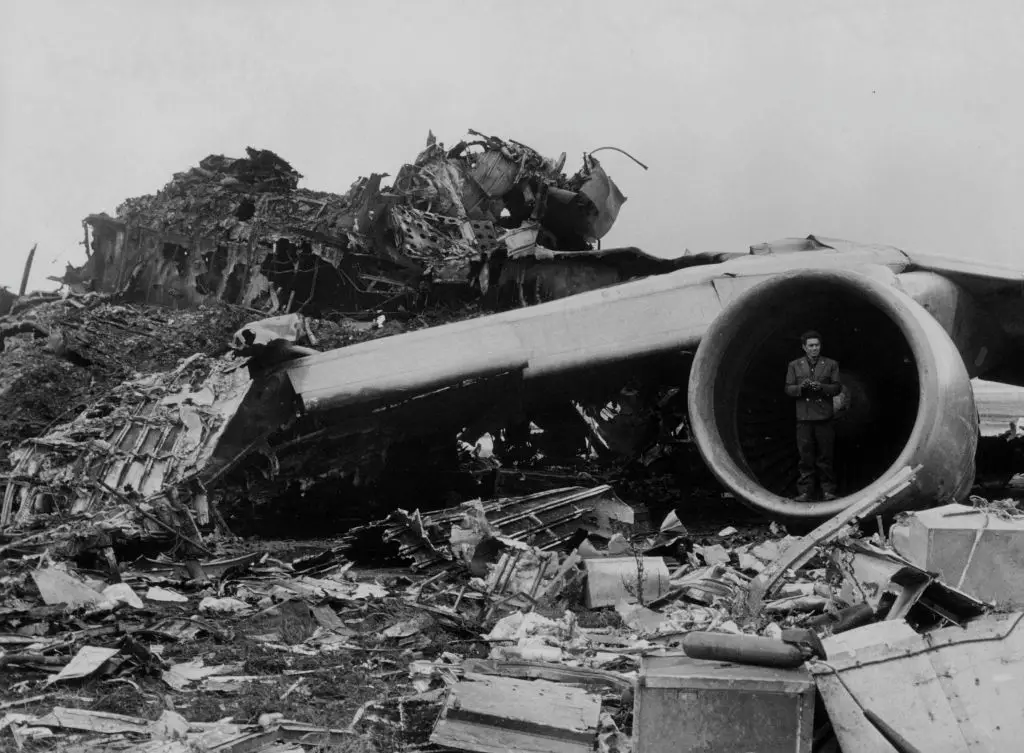
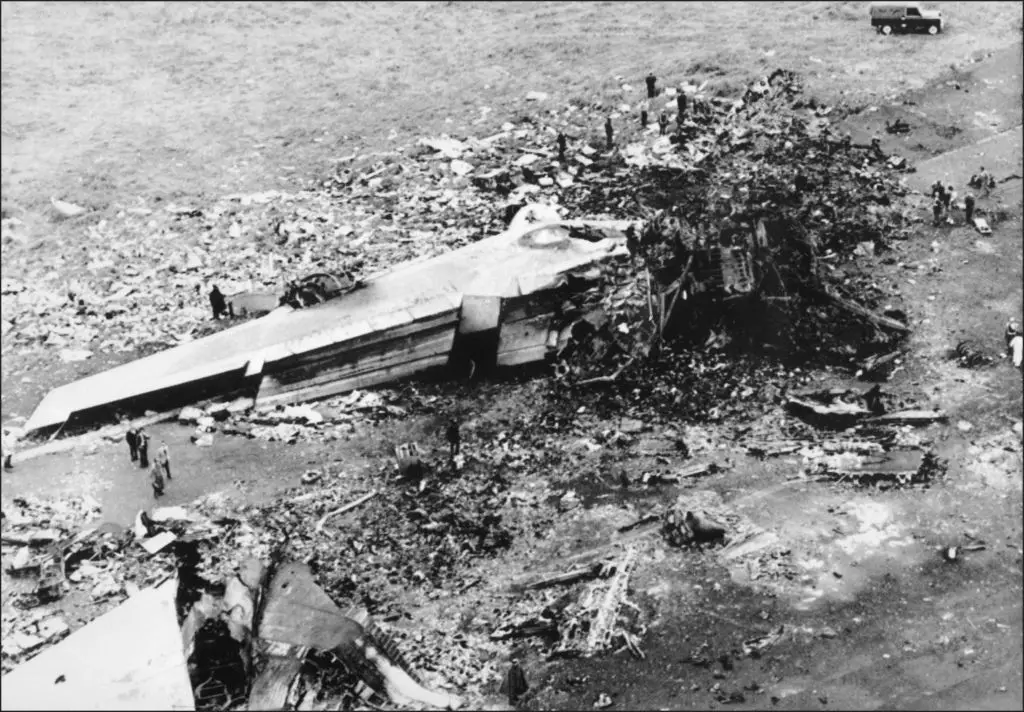
KLM Flight 4805 and Pan Am Flight 1736 collided on the runway on 27 March 1977 and killed 583 people on board both aircrafts.
All 248 passengers and staff on board the KLM Boeing 747 died, while there were only 61 survivors of the 396 on Pan Am's aircraft.
Both planes had been diverted to Tenerife after a bomb exploded at Gran Canaria Airport earlier that day, and the small airport quickly became overcrowded with aircraft trying to land or depart.
Advert
At the same time, thick fog reduced visibility and made it extremely difficult for pilots and air traffic controllers to see what was happening on the runway.
Disaster struck when the KLM aircraft began its takeoff after the captain thought he had been given clearance by air traffic control.
Pilot's last words
KLM Flight 4805, commanded by captain Jacob Veldhuyzen van Zanten, began preparing for take-off at the same time, the Pan Am plane was still taxiing along the same runway.
A misunderstanding during radio communication led the KLM crew to believe they had been given permission to take off.
The aircraft began accelerating down the long stretch, unaware the Pan Am plane was still directly ahead.
Because of the fog, neither crew could see the other aircraft until it was too late.
When the Pan Am pilots finally spotted the KLM jet racing toward them, captain Victor Grubbs shouted in alarm: “Look at him! Goddamn, that son of a b**ch is coming.”
The Pan Am crew tried to turn off the runway to avoid the collision, while first officer Robert Bragg repeatedly yelled: “Get off! Get off! Get off!”
At the same time, the KLM pilots attempted to lift their plane early in a desperate effort to clear the Pan Am aircraft. However, the jet failed to climb high enough and the KLM plane struck the top of the Pan Am aircraft, tearing through it before crashing back onto the runway and exploding.
Investigators said the crash was ultimately caused by a combination of poor visibility, airport congestion and miscommunication between the pilots and air traffic control.
The disaster led to major changes in aviation, including stricter and clearer radio communication rules between pilots and control towers to prevent similar tragedies in the future.
Topics: Travel
 Anish Vij