Archaeologists discover groundbreaking 525-year-old 'real-life Atlantis'

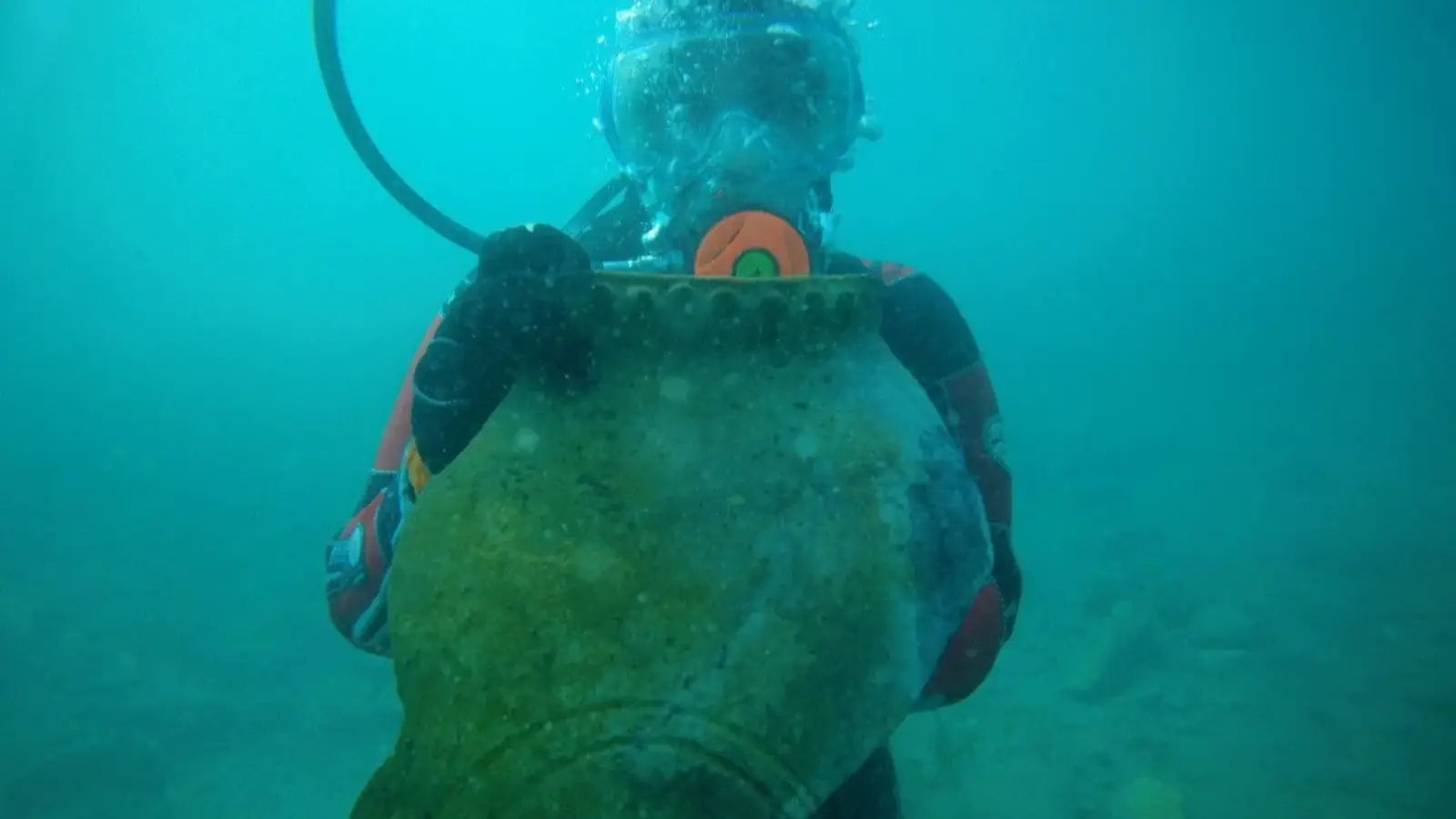
Archaeologists have found a medieval submerged city, including fired-brick structures and several ceramic vessels.
Researchers from the Russian Academy of Sciences found the lost 'city' in Lake Issyk Kul, located in Kyrgyzstan.
The lake ranks as the eighth deepest in the world with a maximum depth of 2,192 feet (668 metres), located in the western Tianshan Mountains as a known stopping area on the iconic Silk Road, a route historically used specifically by traders who were travelling from Europe to Asia from two century BC to around the 15th century AD.
While the lake can be remarkably deep at points, the remains were found in a shallow area in the Toru-Aygyr complex in the lake's northwestern area, with archaeologists searching at depths of just one to four metres.
Advert
Issyk Kul is almost 500,000 feet (182km) long and just under 200,000 feet (60km) wide. It appears from space as a blue void, so the discovery of a medieval burial ground and buildings made of baked bricks was sure to make headlines.
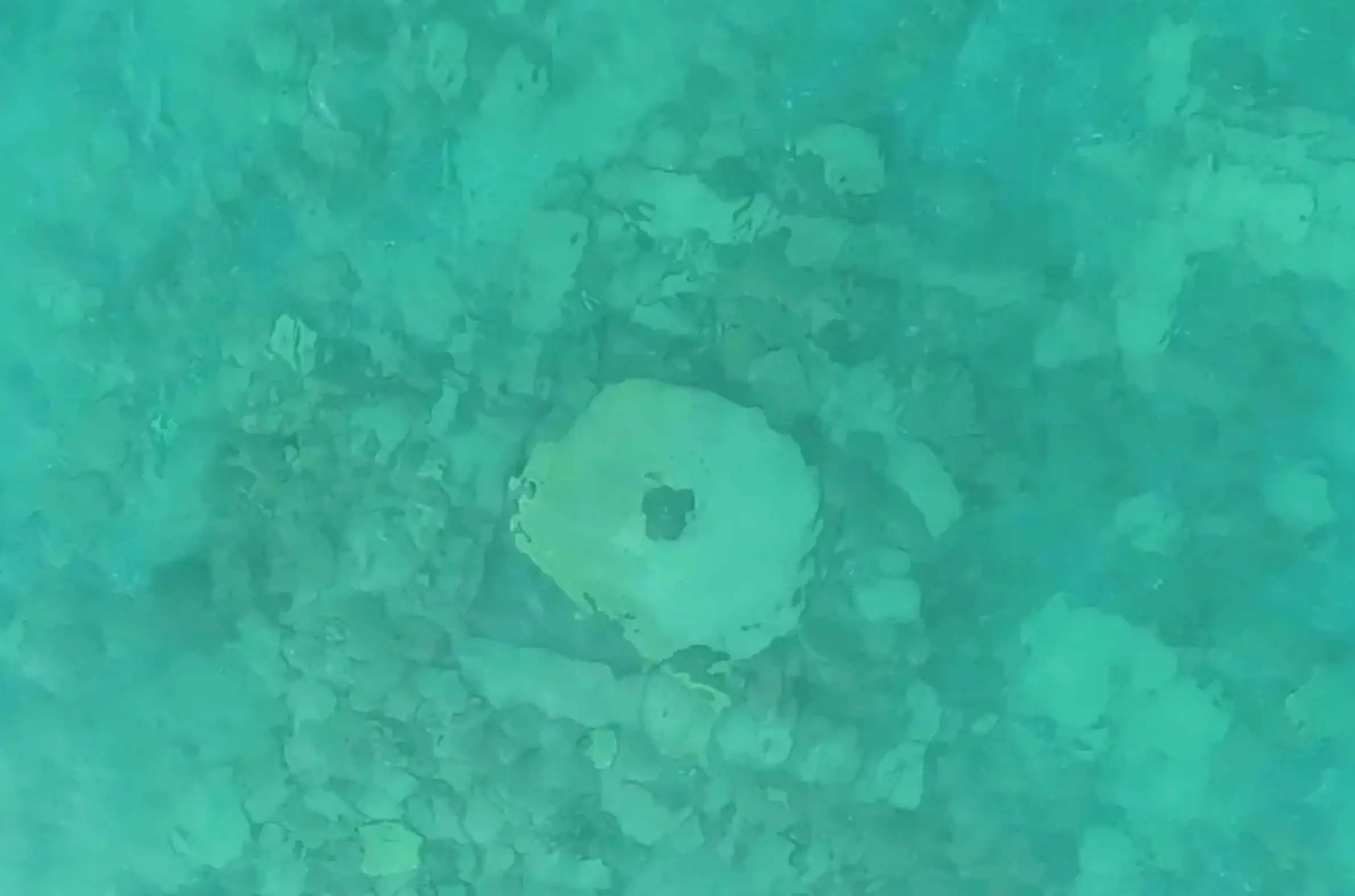
Researchers also found a structure containing a millstone, which is evidence of a medieval mill that would have been used as part of a grain-milling system used to make bread, while there were also some collapsed stone structures underwater - as well as wooden beams.
There were also remains of a public building, which may have been a mosque, bathhouse, or madrassa.
It's suggested that the city housed Muslim prayer houses and schools, among other things, as expedition leader Valery Kolchenko spoke of how 'important' it was as a commercial settlement.
The researcher from the National Academy of Sciences of the Kyrgyz Republic explained: "The site we are studying was a city or a major trading hub," prior to an earthquake, which is believed to have occurred in the 15th century and may have been comparable to the Pompeii disaster.
The lake, which has no known outflow, has risen a lot since medieval times.
"According to our assessment, at the time of the disaster, the residents had already left the settlement," Kolchenko said, adding: "After the earthquake disaster, the region's population changed drastically, and the rich medieval settlement civilisation ceased to exist."

A spokesperson from the Russian Geographical Society, which funded the project, claimed that the remains 'confirm an ancient city really once stood here'.
The items found in the excavation are set to undergo mass spectrometry dating - this is an accurate method which can help to determine the age of organic materials.
Atlantis remains the most famous ancient city destroyed by an earthquake in mythology, as the island is believed to have been located in the Atlantic Ocean, west of the Strait of Gibraltar.
According to ancient philosopher Plato, its residents conquered the Mediterranean before the city was swallowed by the sea.
Topics: Archaeology, History
 Joshua Nair