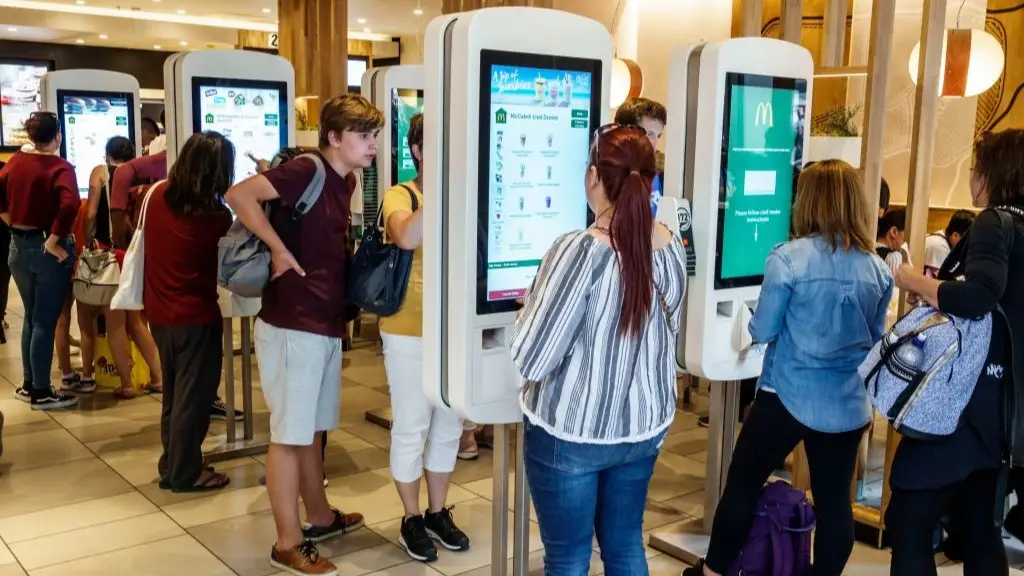
Expert explains hidden psychology behind McDonald's kiosks

You'd struggle to find someone of adult age who hasn't at least stepped foot in a McDonald's, with any strict parenting no doubt out of the window the minute you reach university and need food after a night out.
Since being founded in the US back in 1940, McDonald's has well and truly established itself as one of the biggest businesses in the world, with an astonishing net worth of well over $200 billion at the time of writing, with the company owners no doubt still lovin' it.
Although there is a China-based business that boasts more locations, you'll struggle to find many countries that don't have a single McDonald's at all, with Big Macs enjoyed from Tamworth to Taiwan.
Advert
However, there was reportedly a period just over 10 years ago when McDonald's was struggling somewhat, as people travelled to restaurants less and less due to the introduction of food delivery services.
While adding menus to the online world did help things, there was another big change that arrived in most US-based McDonald's in 2015, and it's hard to imagine the restaurants without them these days.
While we all still need to wait in line for our food and slowly count down until our number is shouted out, the introduction of kiosks has allowed us to place our orders quickly and easily, something which is loved by anyone with a hint of social anxiety.
However, there's apparently a psychological reason behind why McDonald's introduced the kiosk and it wasn't just to make things easier as it turns out that, as you would expect from a global conglomerate, it's all about the money.
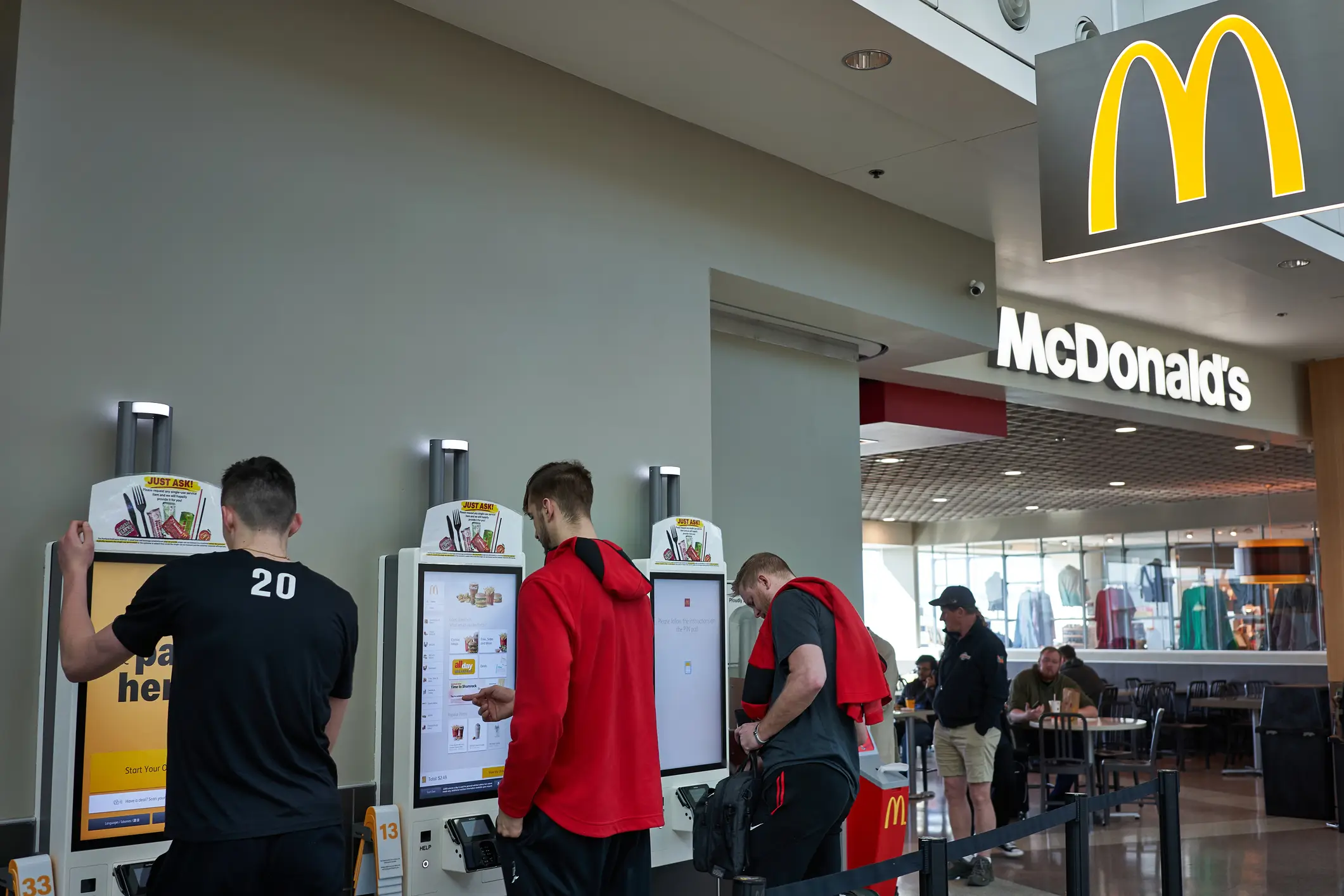
When you load up the touch-screen menu at a Maccies, things may well seem random, but often things have been designed in a very specific way, presumably as a way of making you spend more money, rather than just going for the more traditional options like a Big Mac or the Chicken McNuggets.
Writing in Psychology & Marketing, a group of researchers determined that the fast-food restaurant appeared to be steering people towards the healthier drink options, such as sugar-free Coke, which perhaps might be more important now than ever, considering the new rules imposed on having more than one of the regular versions.
This may well have been done due to the historically higher profit margins on sugar-free versions, especially with the rising price of sugar across the world.
An expert also explained that the existence of kiosks leads to less pressure when making food choices, which might make you order more and obviously means more money for McDonald's.
In a piece for Behavioral Economics, Luke Battye, a product/service consultant with a background in experimental psychology, wrote: "Menu real-estate also tells an important story. Approximately 30 percent of the digital screens are filled with the new Signature meals. The traditional options now take up just 10 to 15 percent of the total menu display space.
"Importantly, these meals represent a circa. 35 percent higher in price than the traditional 'Value Meals'.
"This additional revenue is protected further at the medium bracket meaning even if a customer switched but didn’t want to go large, McDonald’s will still clear the £1.80 additional revenue (an uplift of 40 percent spend per head).
"McDonald’s play with the scale and salience of specific target items to shift the perceived norms of ordering in an attempt to shift defaults."
So, while you might not realise it, the kiosks could be subtly 'up-selling' you, without the pressure of a real person doing it, and you might want to think twice about your orders.
But considering the rising price of food everywhere, the odd treat at McDonald's isn't going to hurt the wallet too much.
Topics: McDonalds, Food And Drink, Business
 James Moorhouse