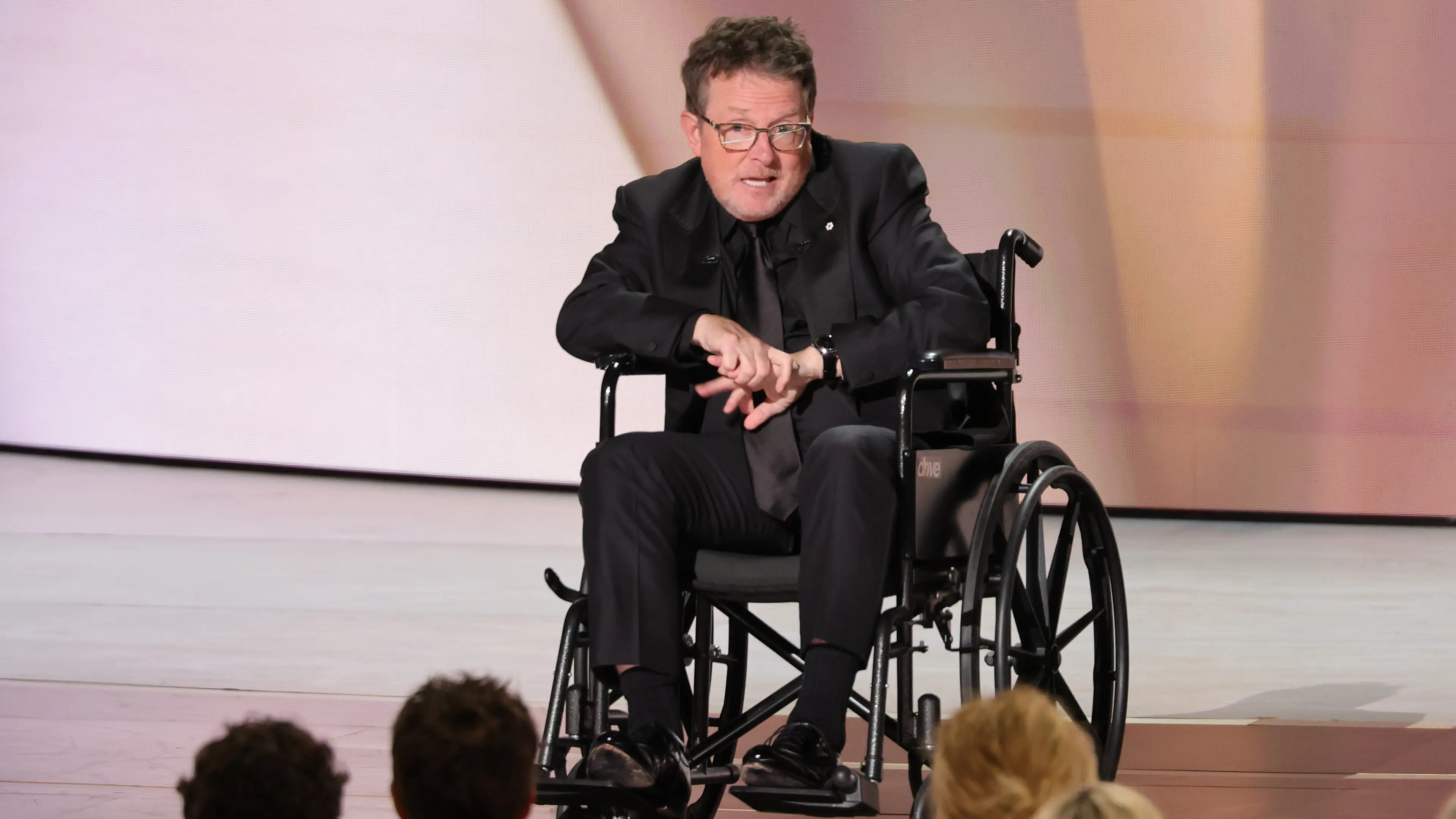
Michael J. Fox makes heartbreaking admission about his Parkinson’s diagnosis at the Emmys

Film legend Michael J. Fox has revealed why he kept his Parkinson’s diagnosis a secret for seven years.
While accepting the honour of the Bob Hope Humanitarian Award at the Emmys on Monday (14 September), he reflected on receiving the life-changing news when he was just 29.
The star-studded audience gave the 65-year-old actor two standing ovations as he explained what 'worried' him when he was told he has Parkinson’s.
As well as being a ridiculously talented actor, Fox is also an activist and philanthropist who is determined to find a cure for the progressive brain disorder.
Advert
The NHS explains that this condition causes parts of the brain to become increasingly damaged, causing symptoms such as involuntary shaking, slow movement and stiff and inflexible muscles.
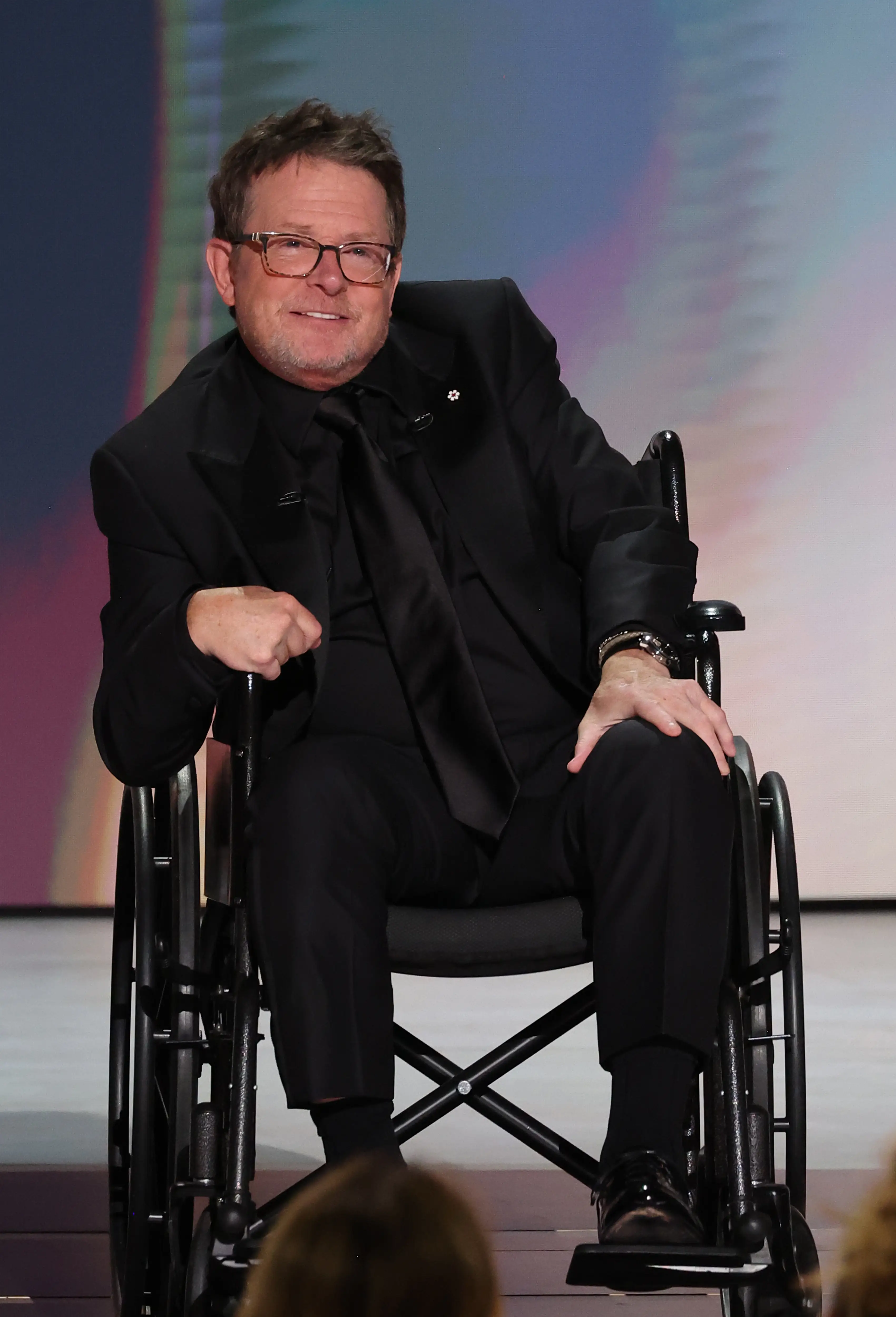
Fox launched the The Michael J. Fox Foundation in 2000 with CEO Deborah W. Brooks and since, the organisation has invested more than $3billion to fund research into a cure.
The Back to the Future star was celebrated for all of his incredible work at last night's Emmys and was presented with the Bob Hope Humanitarian Award by his The Good Wife co-star Julianna Margulies.
While introducing her pal, she told those watching that she 'couldn't think of anyone more deserving of it' than Fox, who she described as a 'man whose deeds and actions have had a lasting impact on society'.
It's considered a seriously prestigious honour, has only been awarded six times and is presented to an individual 'whose philanthropic efforts exemplify Bob Hope's decades-long altruism and positive impact on society'.
While accepting the gong on stage at the Peacock Theater in Los Angeles, Fox shared a poignant moment with the audience while discussing why he kept his health battle under wraps.
'Would they laugh if they knew I was sick?'
"Initially, I kept my Parkinson’s diagnosis a secret," the father-of-four said. "I worried [it] would affect my work and my relationships with audiences. Would they laugh if they knew I was sick?
"The support from all of you was so uplifting and made me feel like I can keep doing this.
"I hadn’t lost what I do, and they couldn’t take it away from me. And it’s because you stood up for me. I appreciate it."
Fox followed up with another moving admission, as he then added: "I understood that accepting Parkinson’s didn’t mean I had to surrender to it. It just meant doing what I could for everyone living with this disease."
The actor first spotted symptoms of Parkinson’s in 1991, while he was filming the romcom Doc Hollywood.
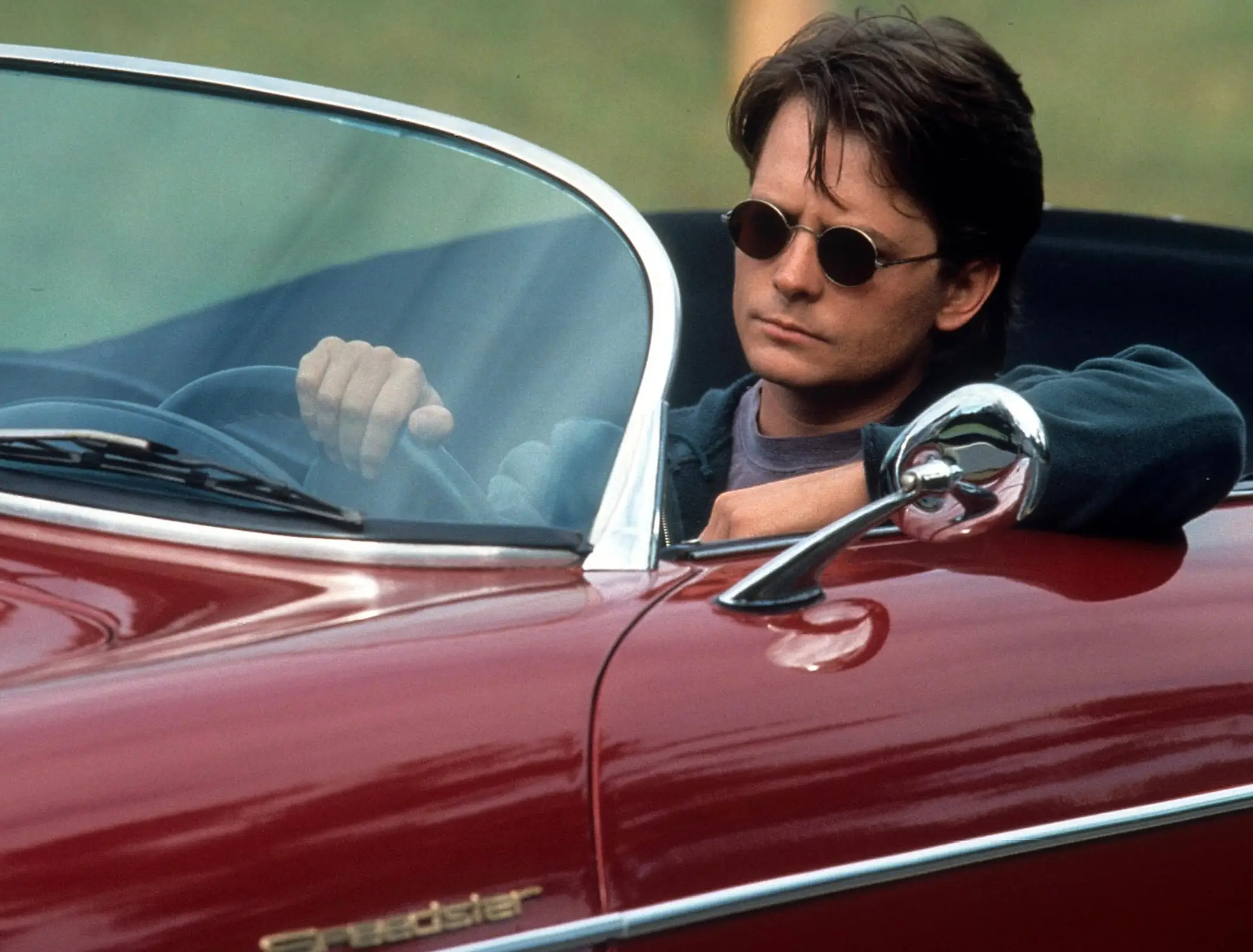
After developing a tremor in his pinky finger, a neurologist then informed him that he had early-onset Parkinson's disease.
However, his peers in Hollywood had no idea about this, as he continued putting on incredible performances in films such as For Love or Money, The American President and Frighteners, while expanding his family with his wife Tracy Pollan.
Fox announced his Parkinson’s diagnosis in 1998, seven years after he first received the news.
Fox played a patient suffering from Parkinson’s disease in Shrinking alongside Harrison Ford, whose character, Paul, also has Parkinson’s.
“[Ford] was happy that I was sharing my experience with him as a character and helping him do what he needed to do,” Fox revealed previously.

“He was so loving. I didn’t know what to expect with Harrison because he’s famously a stoic, curmudgeonly guy - and he’s really a sweetheart.”
Continuing to act, he said, has ‘really prolonged my life and made my life interesting in a way that I didn’t think it would be to this point’.
Reflecting on the mission that has defined much of his life, Fox said: “We have to find a way to get through every day, and if we can find a way to get through every day and at the same time be fueling for our actions and our deeds and our philanthropy, then that’s a great thing. It’s individually elevating lives. So it’s not just the money, it’s not just the science — it’s the humanity.”
“It’s a hard disease — the care is hard to get, it’s not easy at all. The scientific landscape globally is also transformed, and that’s a direct byproduct of all the research we have funded in the last 20-plus years,” Brooks added.
“When we started, almost nothing had made it all the way into human testing of any kind. Today, there are 180-ish active Parkinson’s drug programs in human testing.”
Topics: Celebrity News, TV and Film, Emmy Awards
 Olivia Burke