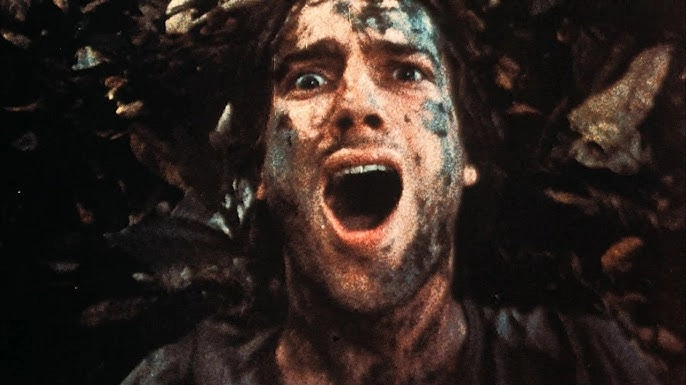
Death scenes in banned Cannibal Holocaust movie were so realistic the director was charged with murder

A legendary director ended up on trial for murder as people thought he'd killed the cast of his horror film as the scenes were that realistic.
Both authorities and audiences were truly convinced that the late Ruggero Deodato had blood on his hands after watching his notorious 1980 flick titled Cannibal Holocaust.
It was banned in various countries, slammed by campaigners and led to criminal charges being brought against the filmmaker, resulting in it being dubbed the most controversial cinematic project ever released.
Advert
If you thought The Human Centipede was bad, you haven't seen nothing yet - as Cannibal Holocaust is widely considered to be one of the most disturbing productions to hit the big screen in history.
Deodato, an Italian director who is considered the pioneer of the 'found footage' film genre, shot the one hour and 35 minute film in the Amazon rainforest with an estimated budget of around $100,000.
It follows the horrifying ordeal that an American film crew faced after they disappeared while filming a documentary about indigenous cannibal tribes.
A New York professor gets to the bottom of their vanishing act after finding their lost film, which revealed what they got up to before locals seek retribution against them in an unbelievably brutal fashion.
There are depictions of rape, murder, torture, salacious sex, genocide, castration and even news footage of real-life executions - and due to the documentary-style shooting technique Deodato adopted, people thought these scenes were actually real.
To play into this speculation, the director also ordered the actors who died in the film to sign a contract confirming that they would stay out of the spotlight for at least a year.
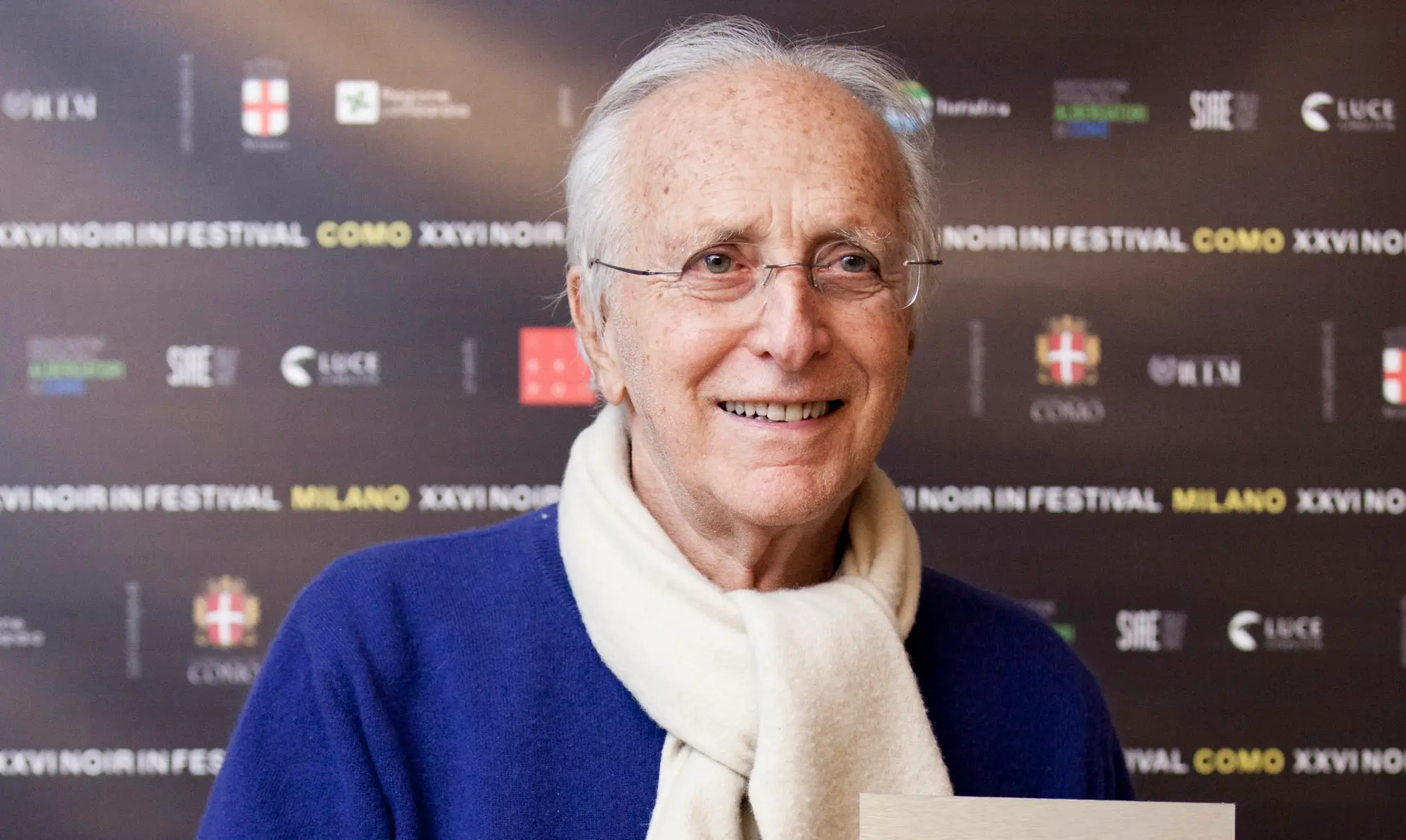
This was all to convince the general public that they were really deceased - and it worked. As the scenes were so realistic, Cannibal Holocaust was confiscated ten days after it premiered in Milan, Italy.
Deodato was then arrested and charged with obscenity due to the contents of the film that was written by Gianfranco Clerici, who also ended up in legal trouble.
The film was then released theatrically in France the next year - earning the director the nickname of 'Monsieur Cannibal' - and the actors from those ridiculously intense death scenes still hadn’t been seen in the public spotlight.
So, as speculation grew that they really didn't make it back from the Amazon rainforest, Deodato was subsequently charged with murder in Italy.
He eventually contacted one of the actors who was ‘decapitated’ on screen, Luca Barbaereschi, to back up his version of events. Barbaereschi was then able to get in contact with some of the other 'dead' actors.
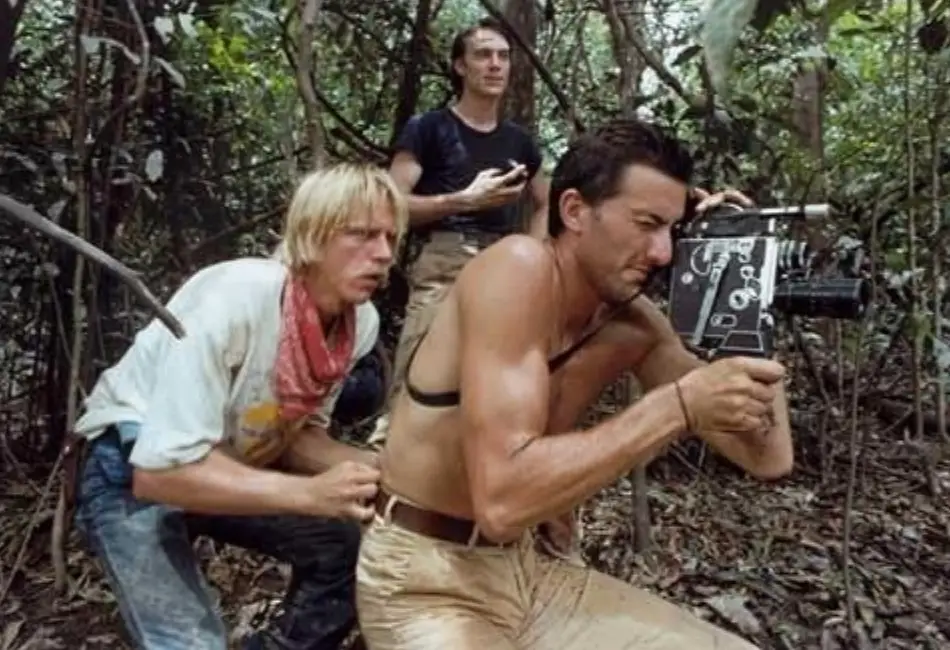
Appearing in court, Deodato explained that despite the seriously disturbing scenes in Cannibal Holocaust appearing to be actual murders, it was in fact made with 'special effects' and the people weren't actually harmed.
Barbareschi and three other actors who starred as the 'deceased' US camera crew appeared on an Italian TV show together to prove they were in fact alive and kicking.
However, Deodato still faced some other issues.
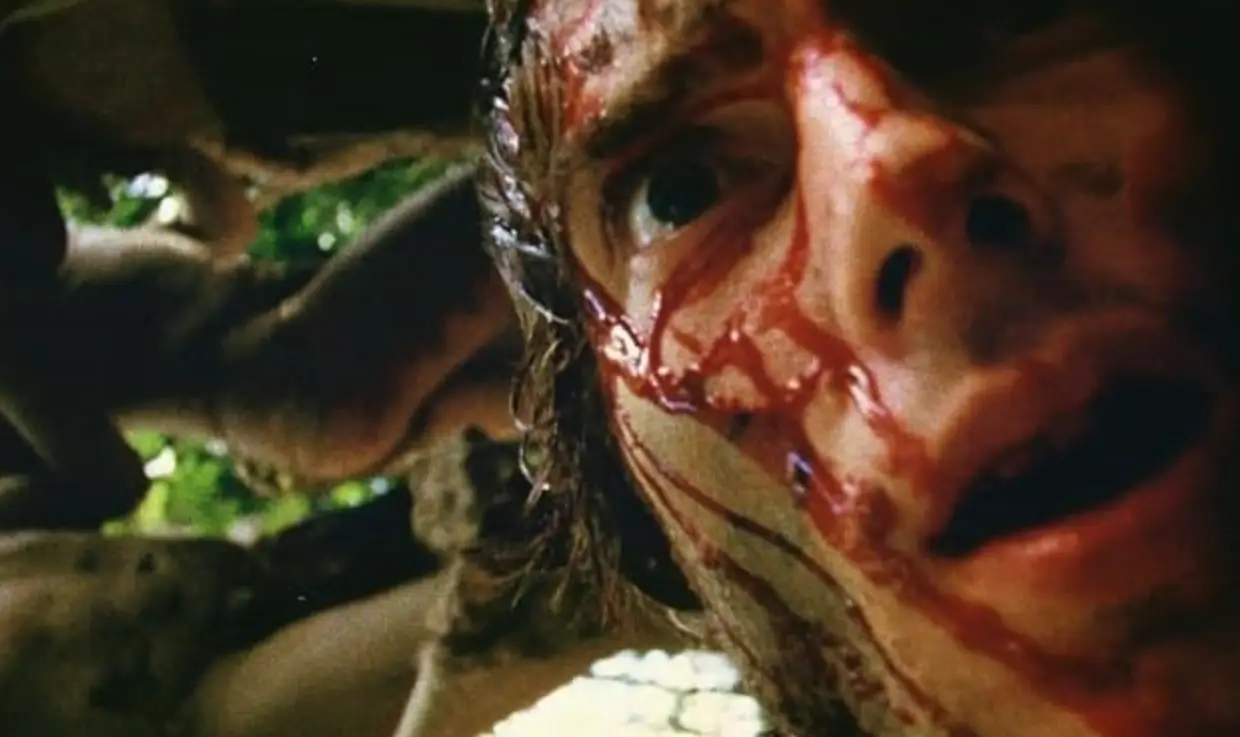
Although the human deaths may have been fake, Cannibal Holocaust did contain genuine footage of animals being slaughtered - including the beheading of a monkey with a machete.
As a result the director was found guilty of animal cruelty, along with the producers and screenwriter. Each of them were given a four-month suspended sentence. The verdict was then overturned in 1984.
Deodato defended the animal cruelty scenes in an interview with The Guardian in 2011: “In my youth, growing up, I spent a lot of time in the country close to animals and therefore often seeing the moment of their death…
“The death of the animals, although unbearable – especially in a present-day urban mindset – always happened in order to feed the film’s characters or the crew, both in the story and in reality.”
The film was banned in Italy and numerous other countries due to its portrayal of graphic scenes of brutality, sexual assault and despicable violence toward animals.
Deodato, who passed away aged 83 in 2022, also insisted that the indigenous peoples who featured in the film 'understood they were being portrayed as cannibals'.
He went on: "It's part of their tradition. It's an ancestral thing. When they had a battle, the leader of the losing tribe would be killed and eaten by the winners. It's part of their past. They don't deny that."
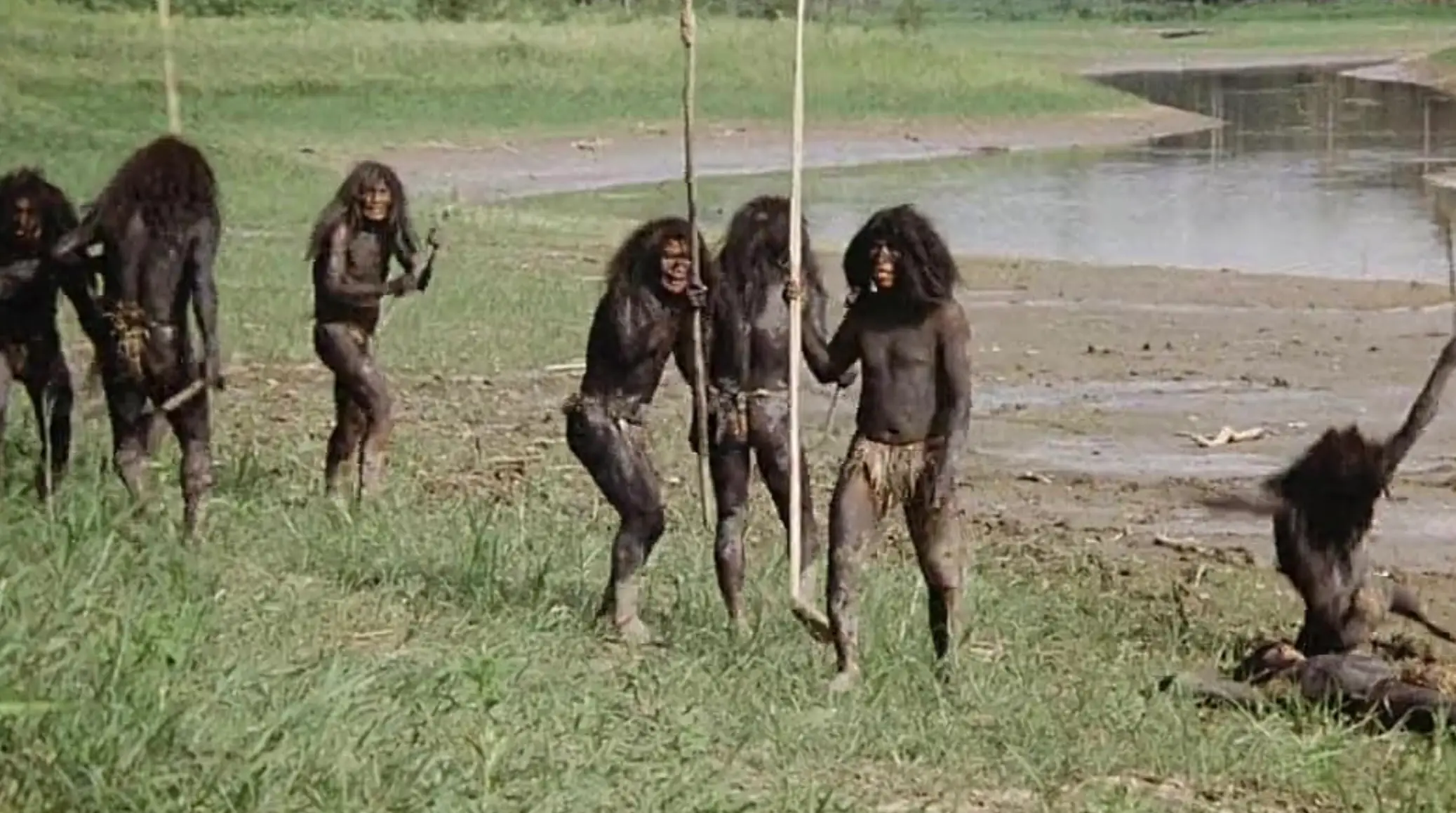
Deodato said he signed up to Cannibal Holocaust after watching 'very strong images of people being killed or maimed' being plastered on Italian TV every night with his son.
Although his film isn't for the faint hearted, respected directors such as Oliver Stone and Quentin Tarantino have lauded his work.
In 2001, six minutes of Cannibal Holocaust were cut by the British Board of Film Classification ahead of its DVD release. Ten years later, another - gorier - edit was released and approved by the BBFC for the 18-rated film.
Speaking to the BBC at the time, Deodato said: "All debates on cinema are good for the artform. I've missed my British audience - and times have changed.
"The most important aspect of the film was the original use of reportage style. The special effects aimed to make people believe what they were seeing was real. I've always loved realism.
"if I had the chance to go back in time, I'd have avoided the animal killings. I paid a high price for that, such as losing the pleasure of introducing Cannibal Holocaust to the UK public."
Topics: TV and Film, Crime, Europe, Horror
 Olivia Burke