Expert on The Odyssey defends Christopher Nolan's controversial decision over 'impossible' script

The Odyssey has been Christopher Nolan’s most controversial film in years and a large part of it is people arguing over how the epic poem should be adapted.
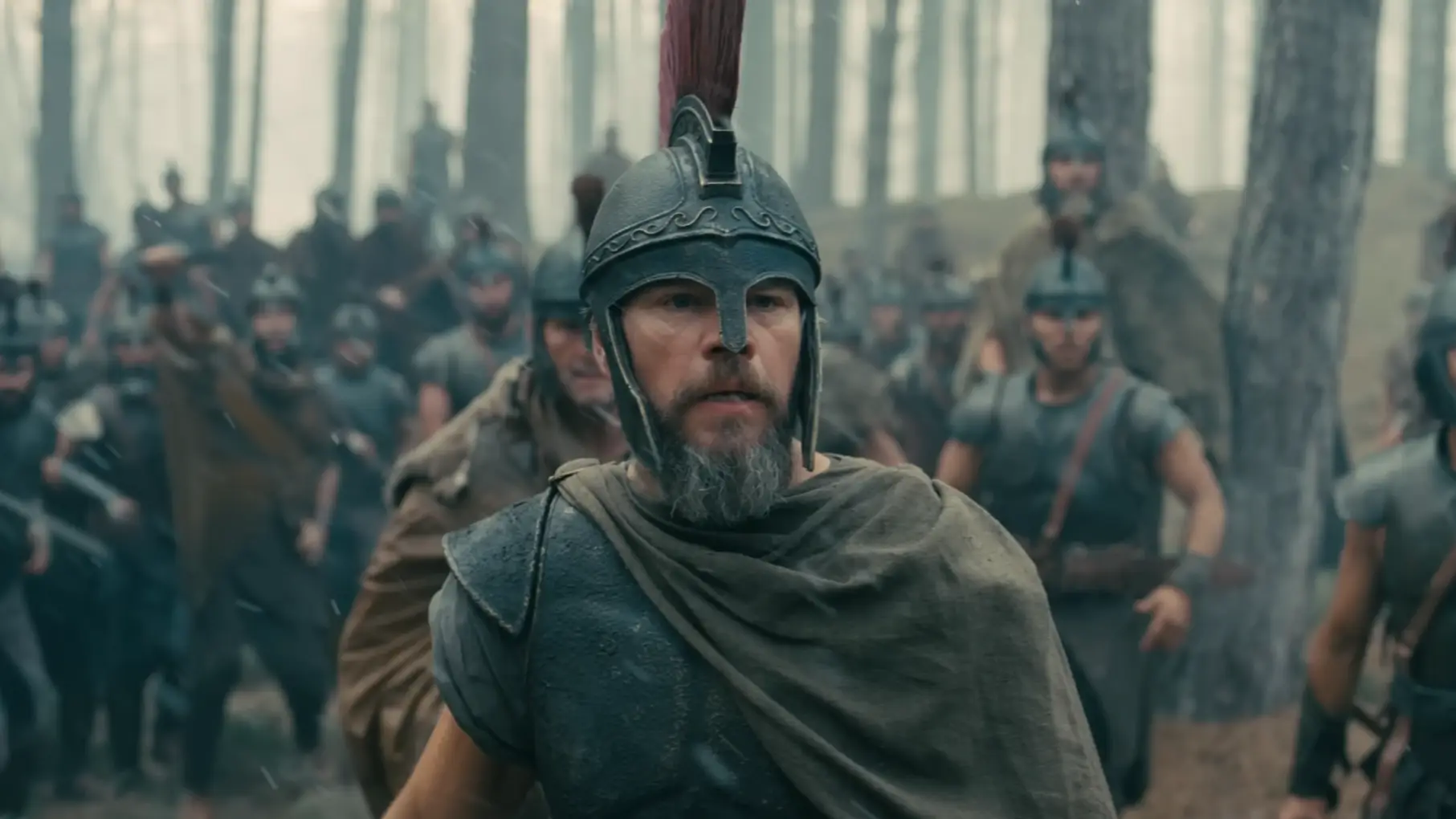
Nolan’s $250 million film has some of the biggest actors around. Matt Damon, Tom Holland, Anne Hathaway, Zendaya, Elliot Page and a host of other huge names all appear in the adaptation of the oldest surviving works of literature.
Between arguments over the armour being inaccurate to criticism of Lupita Nyong’o’s casting from Elon Musk, one thread has been debated instantly since the early trailers: the language.
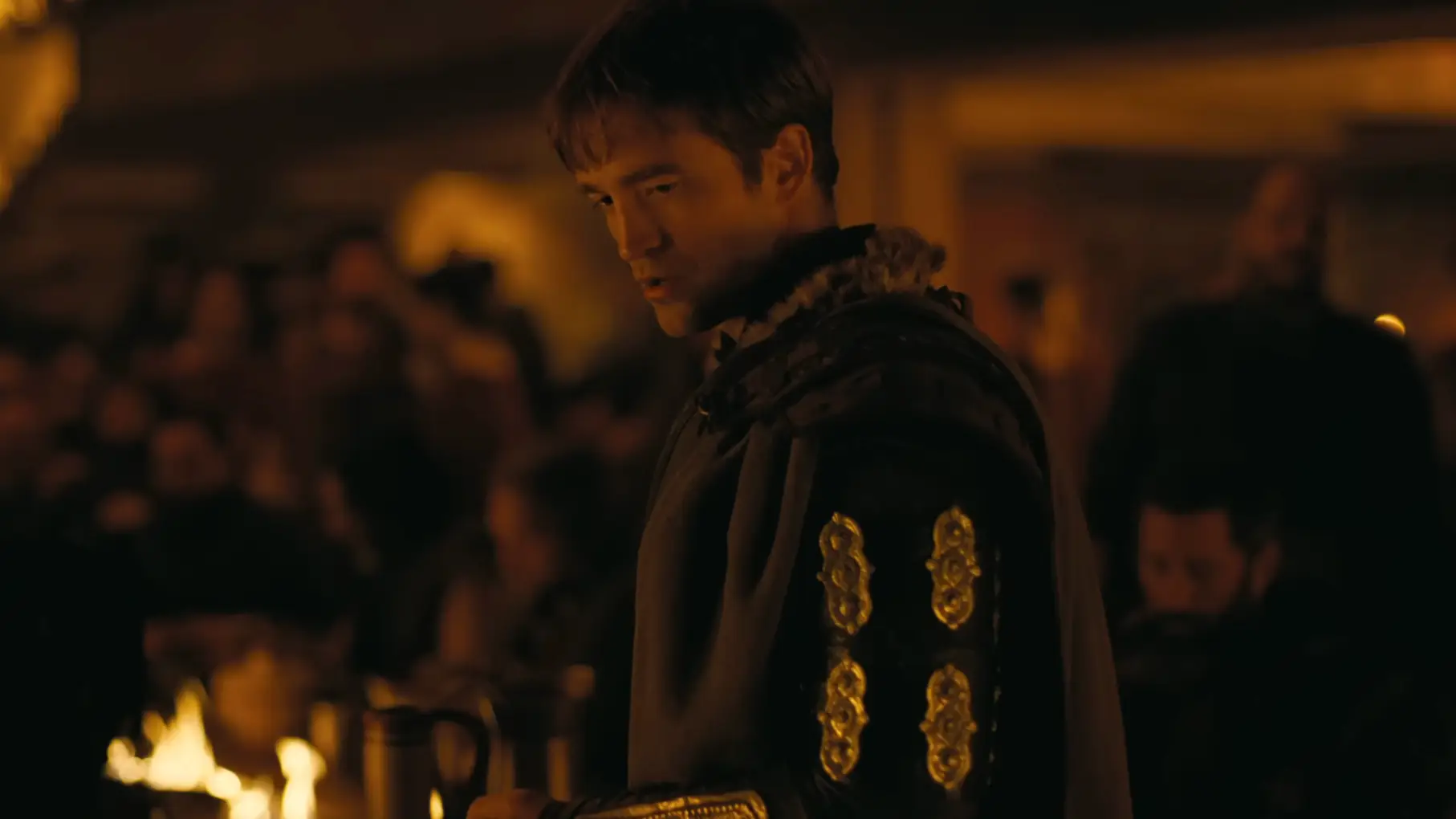
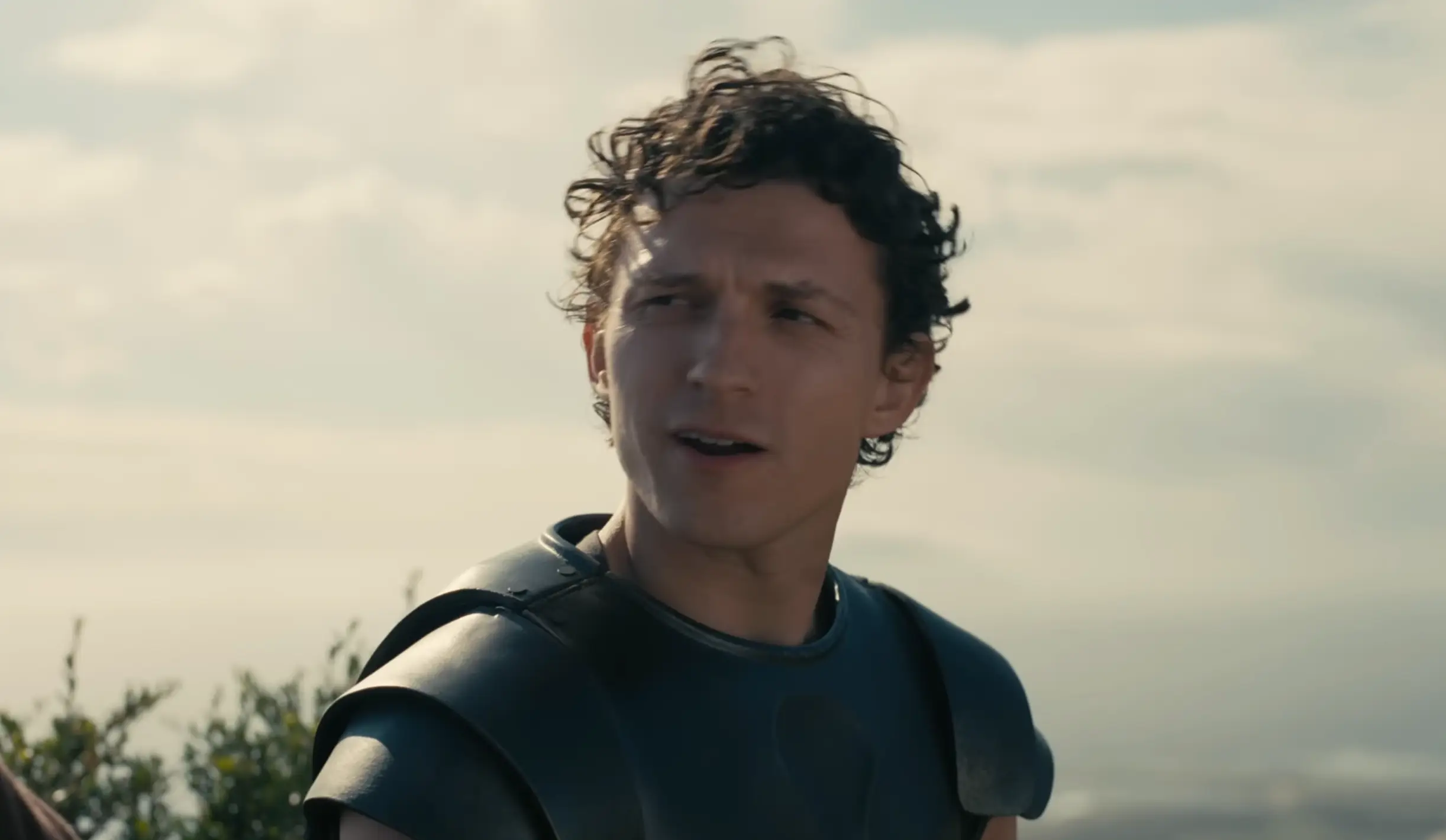
The Odyssey features all of the actors, even British stars such as Robert Pattinson and Tom Holland, speaking in American accents and using colloquialisms such as Tom Holland’s Telemachus calling Odysseus his ‘dad’ and Pattinson’s Antinous mocking Telemachus over his ‘daddy’.
Advert
Many called it ‘jarring’. But Christopher Nolan has spoken out about why he did it - and one of the foremost experts on The Odyssey, Emily Wilson, backs him up.
'Poem is always changed', The Odyssey expert says
Emily Wilson, the first woman to ever produce a full translation of The Odyssey into English, pointed out that every adaptation of the poem has always made changes.
She is as expert as they come on all things The Odyssey and, speaking exclusively to LADbible, said that ‘every creative adaptor has the right to adapt the source however they see fit’.
Wilson continued by stating that the ‘real question’ is whether the new work of art works on its own, pointing to adaptations that are just copies with ‘no life of its own’.
She added: “There’s nothing new to [making major changes to the poem in adaptations] and there’s nothing wrong with it… on the level of language: the ‘sand and sandals’ approach, of using very slightly fancy unmetrical American or British English, doesn’t have any particular claim to authenticity.
“English - all registers of English, all dialects - is a modern language; authenticity on that level is impossible unless you’re going to compose a script entirely in Homeric Greek - which would be very fun but unlikely to do well at the box office."
She added that, in the original Homeric poetry, pet names for father are actually used by Nausicaa. The translator, who is also a professor of classical studies finally added: “To adapt a traditional, metrical epic poem - which takes over 20 hours to perform out loud - into a film that definitely won’t be that long, and that will include many brilliant actors, costumes, locations and special effects will inevitably entail all kinds of creative changes - the script is just one of them.”
All in all if it’s good enough for Emily Wilson and Christopher Nolan, it’s good enough for me.
Why Christopher Nolan's The Odyssey went with modern language
In an interview with Channel 4 Nolan and Tom Holland were asked about the modern language used in the film, with Holland’s response brilliantly summing up that the debate is a little bit silly. He said: “I wouldn't have said ‘Father’ back in the day, it would've been in Greek, so it's no less correct.”
Nolan continued, adding: “When you look at this world, when you look at the ancient world, people tend to view it in weird ways. There’s a lot of cultural prejudice. There’s a lot of elevating it because it’s old. When you go to the poem, what you find is something that is really earthy and grounded and accessible.
“So for me, in building the world of the film, when I talked to all the actors about it, I said, ‘I just want to centre it on that and make it feel very fresh for modern audiences, and do away with some of those assumptions that aren’t based on anything logical’. They’re just, as I say, cultural prejudices or things over time.”
A recent interview with the LA Times saw him say that he wanted to use ‘language that has emotional not intellectual meaning to people’.
Nolan is not alone in this view of the epic poem however, and is backed up by one of the foremost experts on The Odyssey and Homer.
The Odyssey is available to watch in cinemas 17 July.
Topics: Christopher Nolan, Tom Holland, TV and Film, Film
 Michael Slavin