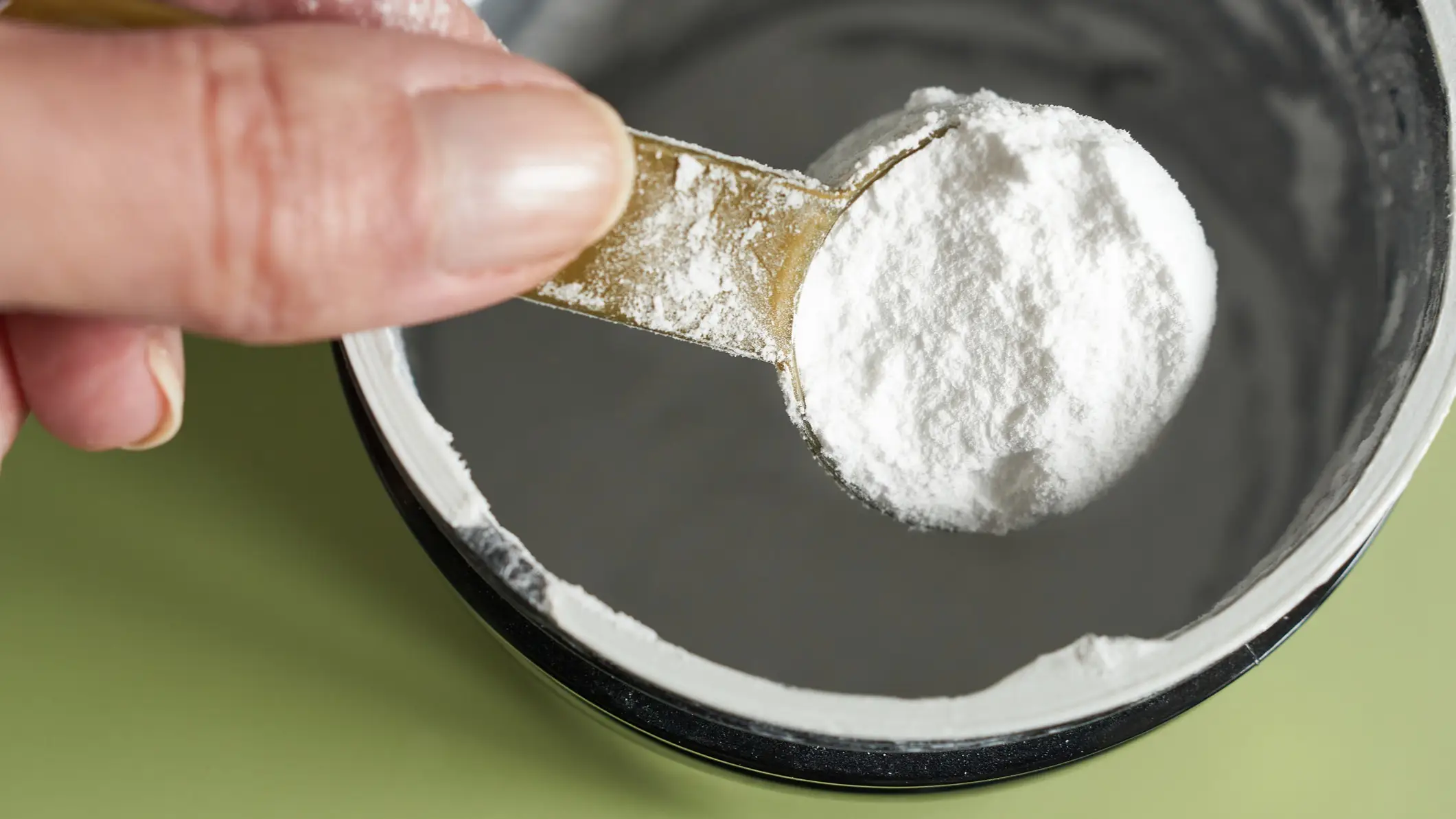
Timeline of what happens to your body when you stop taking creatine

Although primarily associated with the gym-going community, creatine has a number of benefits outside of the bodybuilding world.
Creatine is a naturally occurring compound found in the body, which helps with improved strength-building and muscle growth – hence its idolisation amongst gym rats worldwide.
But did you know there are more benefits to creatine than just looking really buff?
According to various studies - creatine is the world's most researched supplement - taking creatine may help with cognitive decline, fend off symptoms of fatigue (including long covid) and even reduce your risk of developing some cancers.
Advert
Pretty neat, huh?
The compound is naturally occurring in our body, with the liver, kidneys, and pancreas creating around 1 gram of creatine daily, and can be found in meat and dairy products, according to Mayo Clinic.
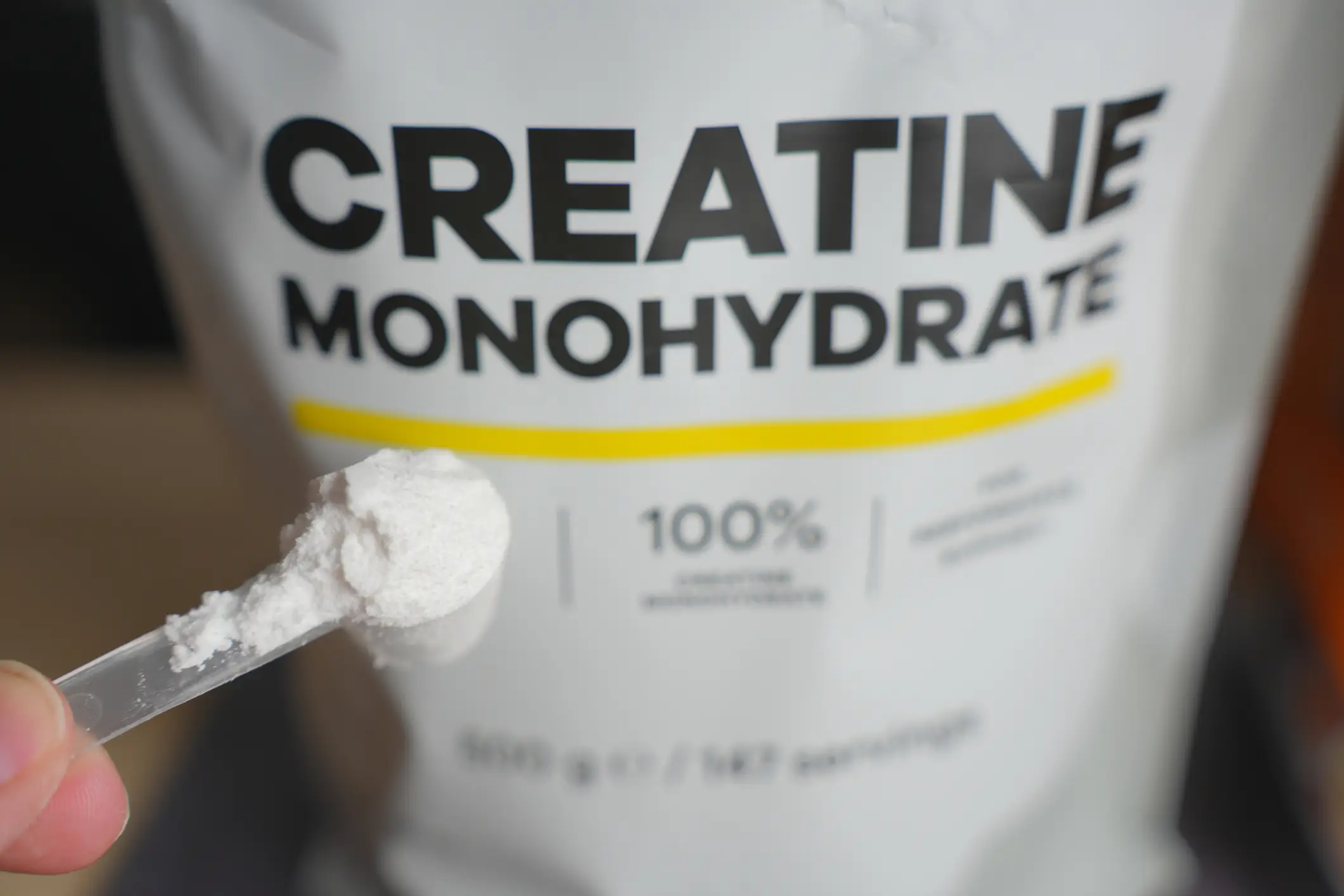
Some people also supplement their intake by adding creatine monohydrate to their diets in order to maximise its benefits.
But what happens if you suddenly stop?
What happens to the body when you stop taking creatine?
Week one
The first change you're likely to notice when you stop taking creatine is a slight decrease in your weight, around one to 3kg. This isn't due to fat or muscle loss but instead a loss of water retention in the muscles.
Creatine helps give your muscles a more 'pumped' look by soaking up excess water.
"Creatine increases intracellular water in muscles, which contributes to that fuller muscle look and sometimes adds one to three pounds on the scale," said Avery Zenker, RD, a registered dietitian at Queen’s University, explained to Very Well Health.
Stop taking the supplement, and this reverses.

Four to six weeks
Women's Health notes that creatine stores in the muscles will return to baseline within four to six weeks of stopping creatine.
This can lead to a decline in strength performance as the body adjusts to new levels of adenosine triphosphate (ATP) regeneration.
"Some people may therefore feel slightly more fatigued during intense sessions," Esra Soylucicek, specialist in nutrition and functional medicine at Reborne Longevity, told the outlet.
There may also be a reduction in your performance during compound lifts or sprinting.
Given creatine's ability to improve cognition, users may also experience some brain fog, although Very Well notes this is minimal for most people.
Long term
After four to six weeks, your body will have returned to its original levels of creatine, pre-supplement.
"Your natural creatine production goes back to its regular levels to compensate, water balance normalises, and you settle into your original baseline," Soylucicek added.
Will you lose muscle mass if you stop taking creatine?
While you may look less 'pumped' and notice a reduction in your performance levels, stopping creatine will not cause the muscles you've built to atrophy.
"So if I took creatine for six months, and made some gains in the gym, then stopped using creatine, I'd still have those gains. I just won't have that extra energy for subsequent sessions," strength coach Meg Callagher explained to Men's Health.
Topics: Lifestyle, Health, Food And Drink
 Brenna Cooper