Experts uncover ‘ticking timebomb’ that is behind rise of deaths in young, healthy people

Tragically, amid the victory stories, there are occasionally tragic tales following races and sports events.
Or even just randomly on a regular day, these stories seem to come out of young, seemingly fit and healthy people dropping dead.
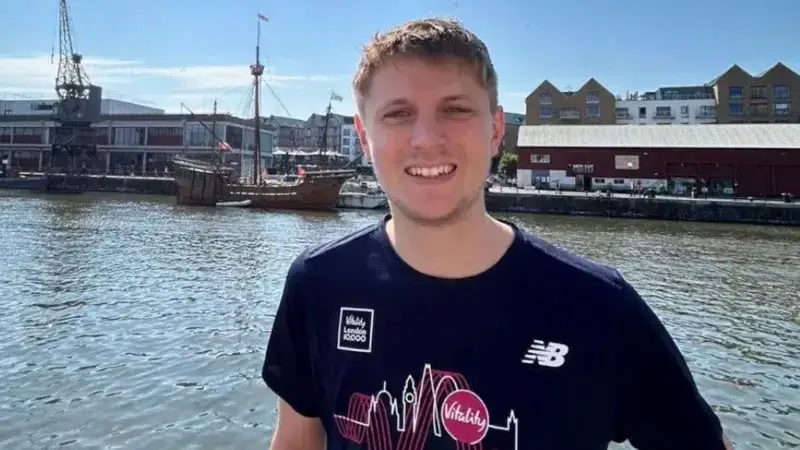
Mike Harper was taking part in the Great Bristol Run in 2024 when he collapsed before the finish line.
It was found that the 26-year-old has suffered a cardiac arrest but he had no known health issues or family history of young sudden cardiac death. CPR was performed on Mike but he sadly lost his life.
Advert
And he is one of many young people to tragically lose their life this way, with Cardiac Risk in the Young (CRY) reporting that 12 ‘fit and healthy’ young people in the UK die suddenly from a previously undiagnosed heart condition each week. And experts have been looking into why this may be.
The charity previously reported that in 80 percent of those weekly cases, there will have been no signs or symptoms of a heart defect until it was too late.
CRY campaigns for those between ages 14 and 35 to be tested for underlying heart conditions, as it delivers free screenings at community venues.
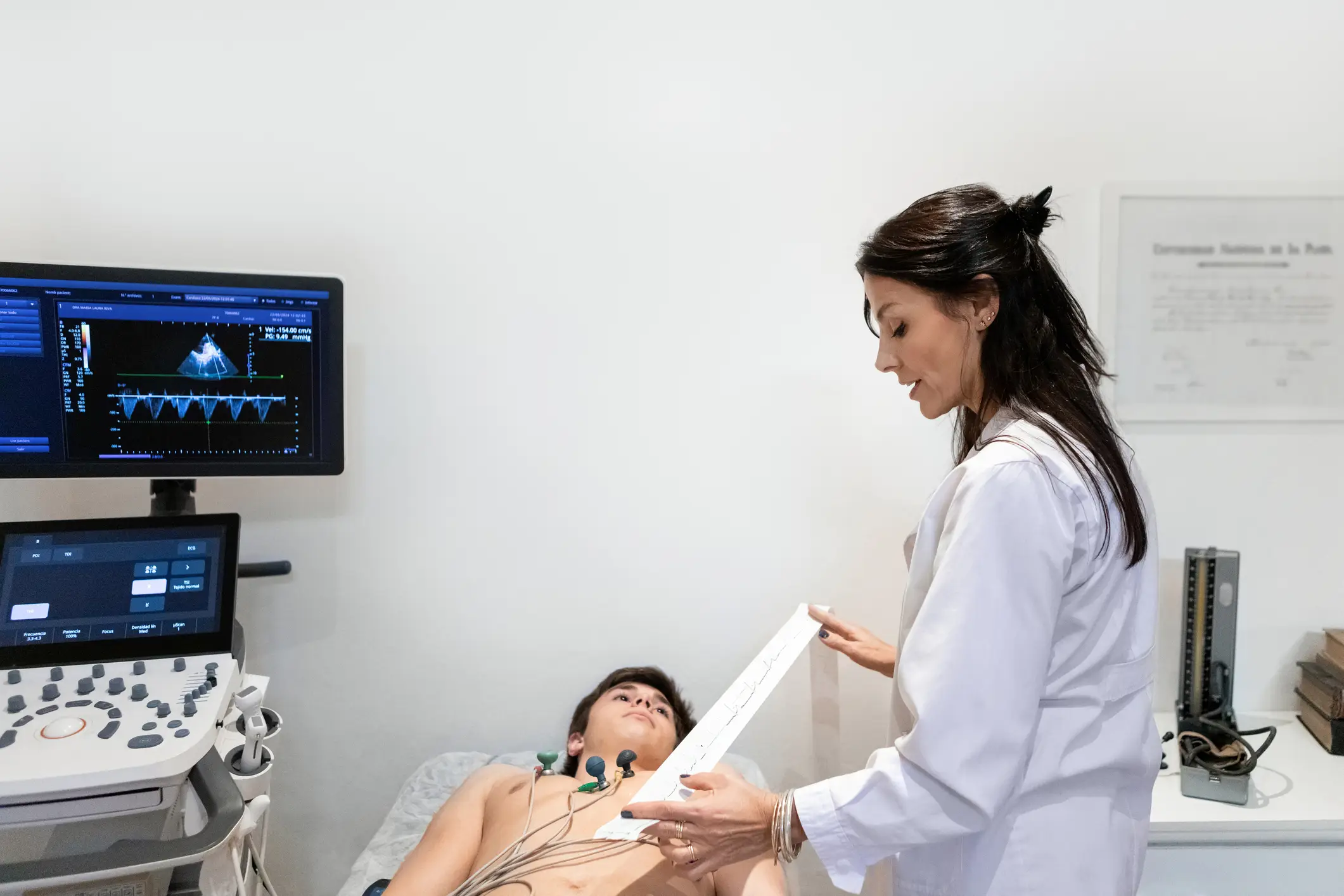
This includes doing an electrocardiogram (ECG) to capture the heart’s rhytm and electrical activity and will also involve an echocardiogram where needed to look at the heart’s structure and functioning.
Researchers at City St George’s, University of London, followed over 1040,000 young adults who had ECGs through CRY’s programme between 2008 and 2018.
It found that: “One in 300 young people screened and evaluated were identified with heart conditions that could have fatal consequences if left unmonitored and untreated.”
Over 40 percent of those diagnosed during the period went on to get significant risk-reducing interventions such as pacemakers, implantable defibrillators, ablation surgery or, in two cases, heart transplantation.

Others identified with heart issues were offered treatment pathways.
The researchers say the paper’s ‘game-changing results’ highlight that a ‘one-off’ test is not always sufficient and that more regular screening is required to identify conditions.
Professor Michael Papadakis, study lead, said: “This study shows that cardiac screening can save lives. Across a decade of screening, we identified hundreds of young people with dangerous heart conditions who were able to receive treatment before tragedy struck. But it also highlights that a single screening is not enough.
“Some conditions develop later, and others are very difficult to detect early. So, if we want to further reduce sudden cardiac deaths in young people, we need to develop even stronger and even smarter prevention strategies.”
It is hoped the study into testing for underlying heart conditions will bring: “Further evidence and armoury to the ongoing battle for greater investment into the prevention of young sudden cardiac deaths, and greater access for young people to cardiac screening initiatives.”
Topics: Health
 Jess Battison