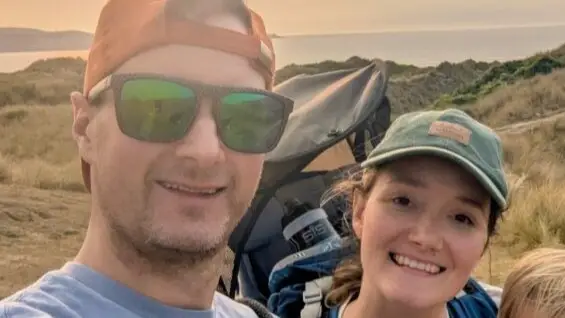
Dad, 39, told he had two years to live after he suddenly 'felt funny' while playing football

A dad who was told he had just two years left with his family before the end of his life has said he now feels 'incredibly positive about the future' following a major transplant.
Ellis Dawson led a busy and stressful life, often spending time working away through his job as a software product director.
Raising two daughters, and also spending his time juggling playing football and cycling, everything changed in a tragic instant.
While playing a football match last January, Ellis told of how he suddenly 'felt funny' and his condition quickly got worse. He began vomiting and suffering what he suspected was a panic attack.
Advert
"I started to feel funny mid-game," he said. "I went in goal for 15 minutes or so to see if the feeling would clear up, but it got worse and I knew something more serious was up.
“I walked back to my car and it became clear I was in no fit state to drive. My chest was hurting and my left arm ached a lot, so I called my dad to pick me up.
"When I got home I spoke to my wife about it, in my head I knew they were heart attack symptoms but I always imagined a heart attack to feel like a much more serious emergency situation.
“I then started being sick and thought it was a panic attack so used calming breathing techniques and fell asleep on the floor. My wife found me and after reading up on the symptoms, feared I would be dead in the morning."
Ellis had 'widow maker' blockage
Ellis went to A&E at Royal Stoke University Hospital where he had an ECG, confirming he was having a heart attack.
Two stents had to be inserted to open up his left anterior descending artery, which had become 95 percent blocked with a blood clot.
"I was still walking around convinced nothing was wrong, but it definitely wasn’t the case," he explained. “We later learned that the artery is colloquially called ‘the widow-maker’ because blockages here are so often fatal in men.
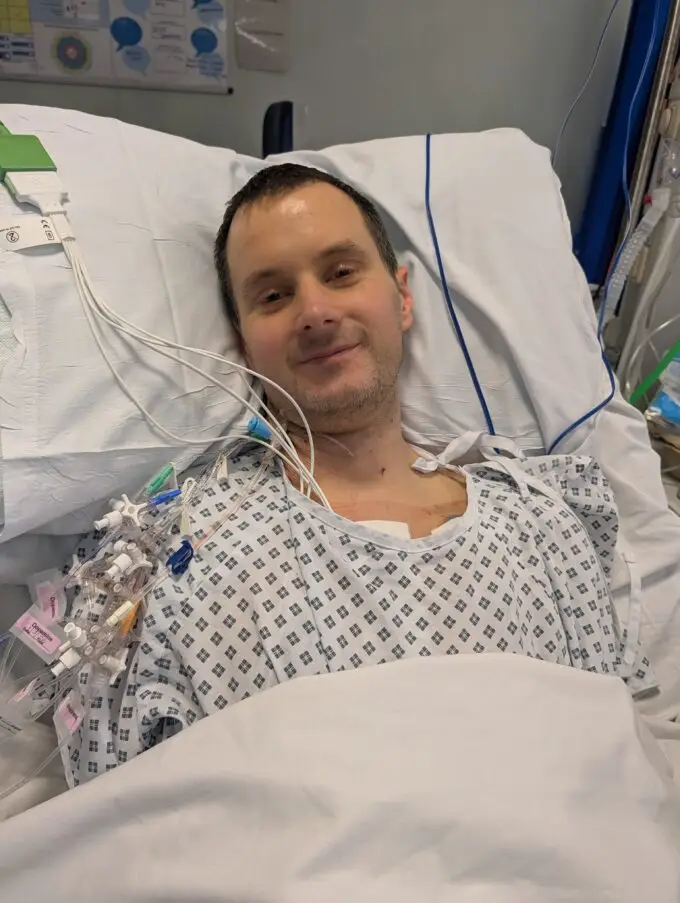
"I always remember when I was moaning about not being able to run, one of my consultants said: ‘At the moment you just need to be grateful you’re alive and that you didn’t go into cardiac arrest.’ It really hit home for me how serious it was.”
"I got the news I'd have two years to live... which was a massive shock"
Once Ellis’ stay in hospital was complete, an echocardiogram was conducted which showed his heart hadn’t healed.
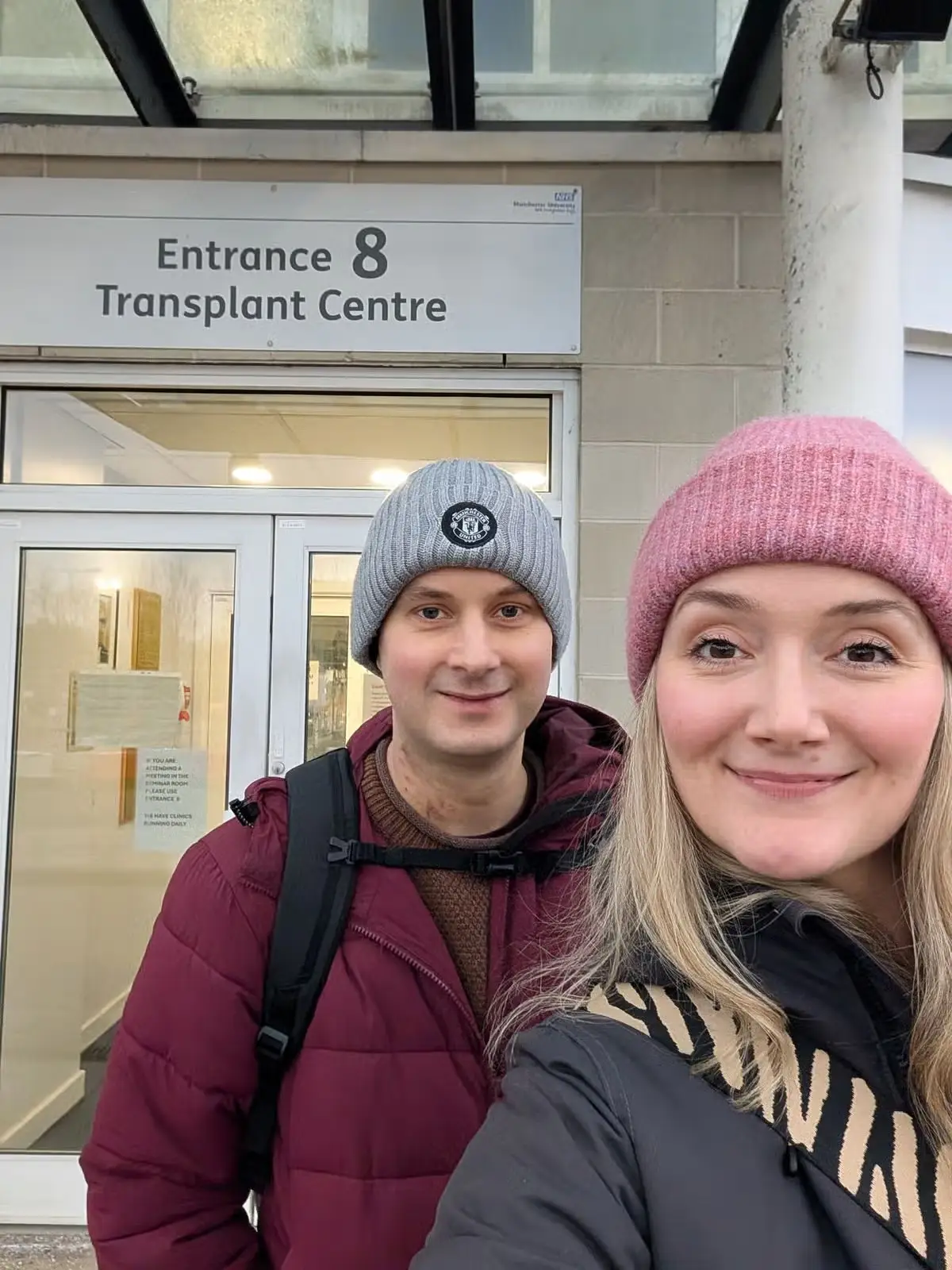
Six months later, a follow-up MRI found there had still not been an improvement in his heart and Ellis received the news he would need to meet the team at Wythenshawe Hospital’s Heart and Lung Transplant Centre.
“It was pretty wild getting that news," he said. "I had been warned at the start it may be a pathway I had to take, so it wasn’t too much of a shock as I’d already been on quite a journey by then.
“Because I was fit and healthy, albeit with a heart under significant stress, they were open to getting me on the list quickly. I still couldn’t run but was functioning in terms of basic life, I was still working and being a dad.
“Then I got the news that on my current meds, I’d have two years to live at best, which was a massive shock."
By the December, Ellis was struggling with his walking and breathing due to his heart not pumping enough fluid around.
He spent Christmas with his loved ones, but said he could 'barely pick up my kids' and 'struggled so badly'.
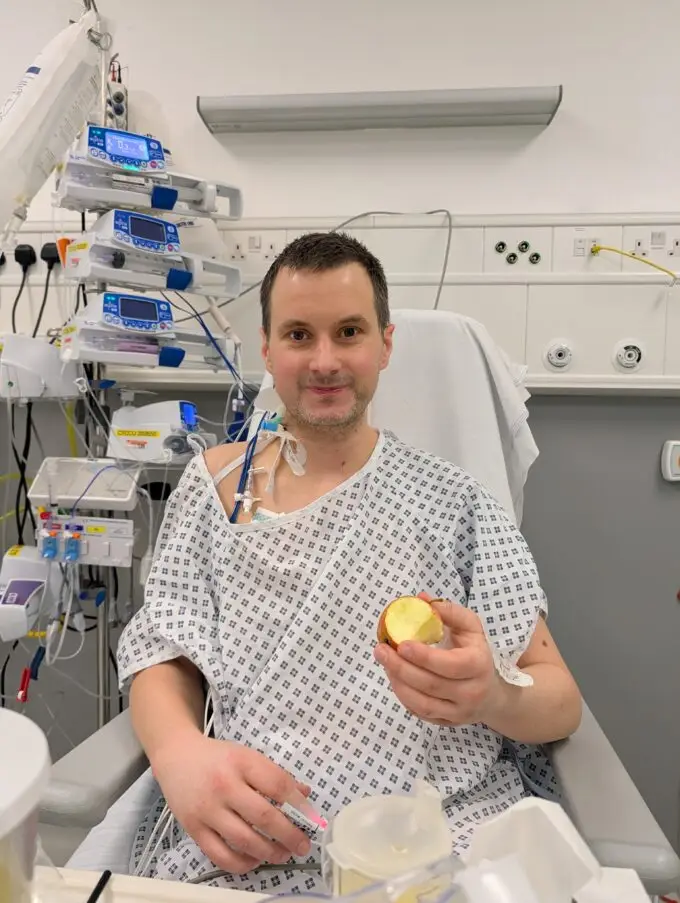
"I went on an intravenous (IV) drip and dropped a lot of fluid immediately," he said. "The IV revitalised me and I was in a good space during my stay, I was on the hospital bike and exercising.
"It all felt promising even though I was having constant short ventricular tachycardia events – so my heart was really not happy."
Transplant surgery saved Ellis' life
After attending Wythenshawe Hospital in south Manchester the following a month, a donor heart became available despite only two weeks of waiting. He went on to have the surgery on 31 January.
“I was super lucky and a heart became available, I couldn’t believe my luck that I’d only been waiting two weeks as the wait is usually much, much longer.
"The feeling of excitement that it might happen was massive, I felt pretty amazing and focused for the next few days.
“I kept myself focused, continued exercising and mentally preparing. It got very emotional but before I knew it the procedure had begun and I awoke a day later.
“On my first day I was able to sit in a chair and I started eating pretty quickly. Two and a half weeks of progress later I was allowed home.
"Knowing that the NHS is the only provider of heart transplant care in the UK makes you realise just how exceptionally skilled and knowledgeable the team truly are."
He continued: “Since leaving I have had to adapt, the biggest thing now is my immunosuppression, so I have to consciously be aware of what I do day to day.
"I try to avoid public transport, supermarkets, any kind of busy enclosed spaces where I can, but for the most part I am back to a normal life.
“Fatigue is a bit of a battle at the moment, I have to manage my energy properly across every day which can be tough to balance with work.
“It’s the same with my kids, they certainly don’t slow down for me. Although I have been glad to have them on my own as my wife really needed a break – she has done so much to manage the family when I was ill.
“It’s been a tremendous recovery and the new heart genuinely felt like a quick fix, my chest hurt for the first few weeks from being cut open, but I’m otherwise fine.”
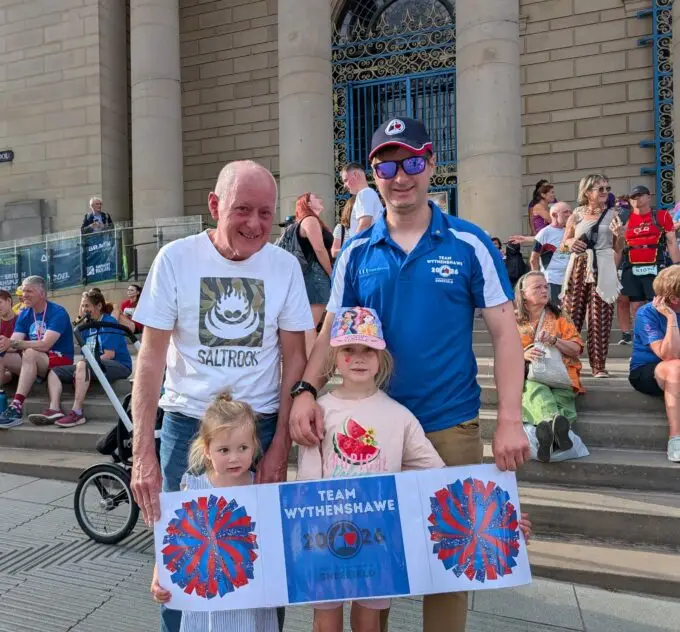
Ellis said he now feels 'incredibly positive' about the future despite the ordeal.
He now plans to join some of his transplant peers from Wythenshawe Hospital and enter this year’s Transplant Games in the football category, something he said will be very emotional as the last match he played was the one during which he had his heart attack.
He added: “You would think I would be making wild and crazy plans, but honestly, having my everyday routine back is the greatest feeling.
“When you have been on the cusp of losing it all, you just want your normal life back. My biggest priority now is to stay as fit and healthy as I can to truly honour the gift I have received."
 James Holt