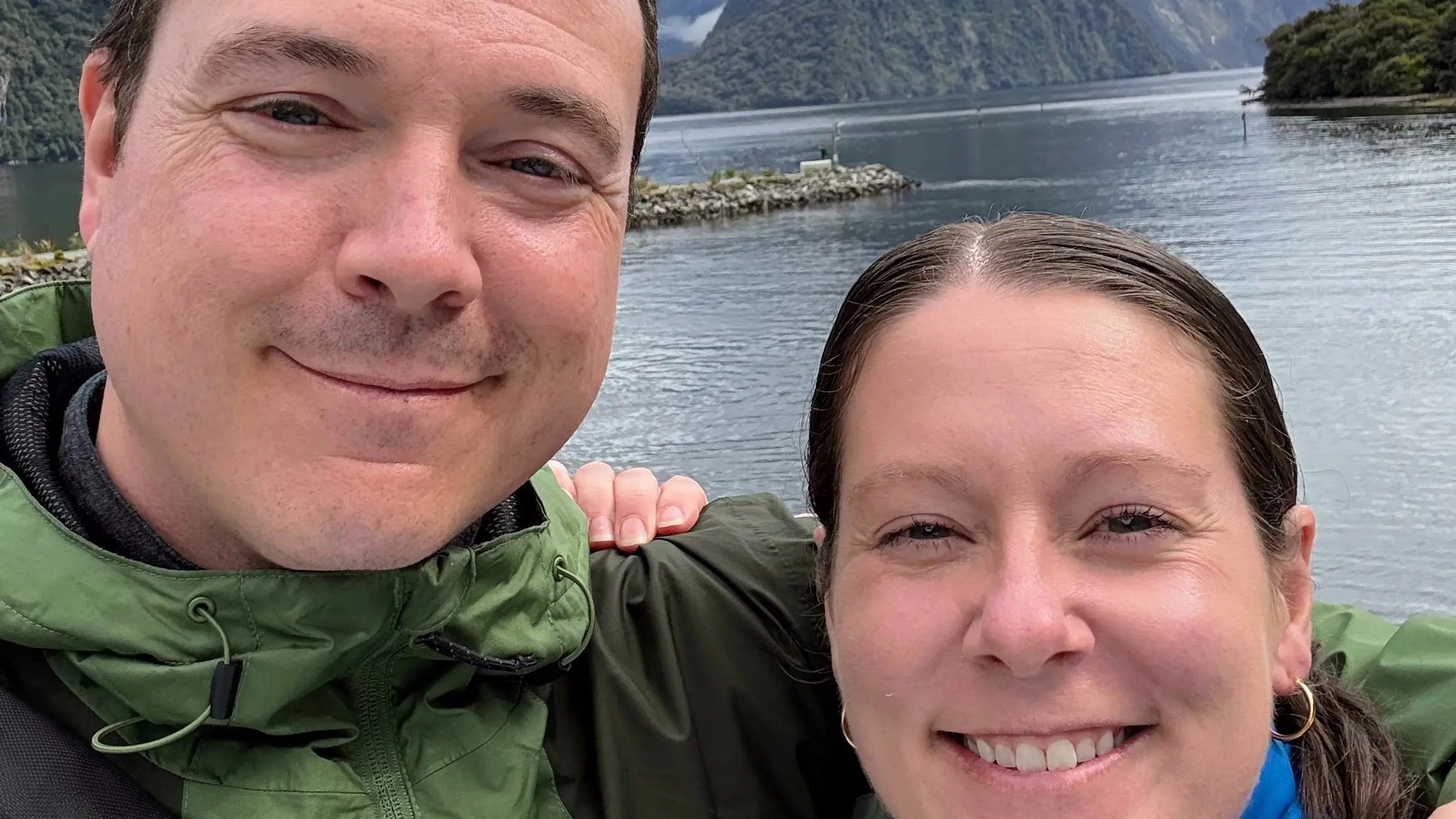
DINK couple explain exactly how much they have saved by not having children

Jess and John Rooney are part of a large collective of couples who shun traditional values for financial freedom – the DINKs.
With a pretty big presence on social media, this is the community defined by being ‘Dual Income, No Kids’.
And Jess and John also fall into the category of couples following the FIRE method; Financial Independence, Retire Early.
At the age of 39, Jess retired (she’s now 41) while 44-year-old John has plans to also retire when he’s roughly 52-54. Which ain't too bad.
Advert
The DINK couple from Portland, Oregon, have been saving for years, as they reckon they’ve saved more than $300,000 (£225,735) per ‘each child we didn’t have’.
Speaking to LADbible, John opened up about the colossal savings he reckons the couple have made from not having kids and working towards early retirement.
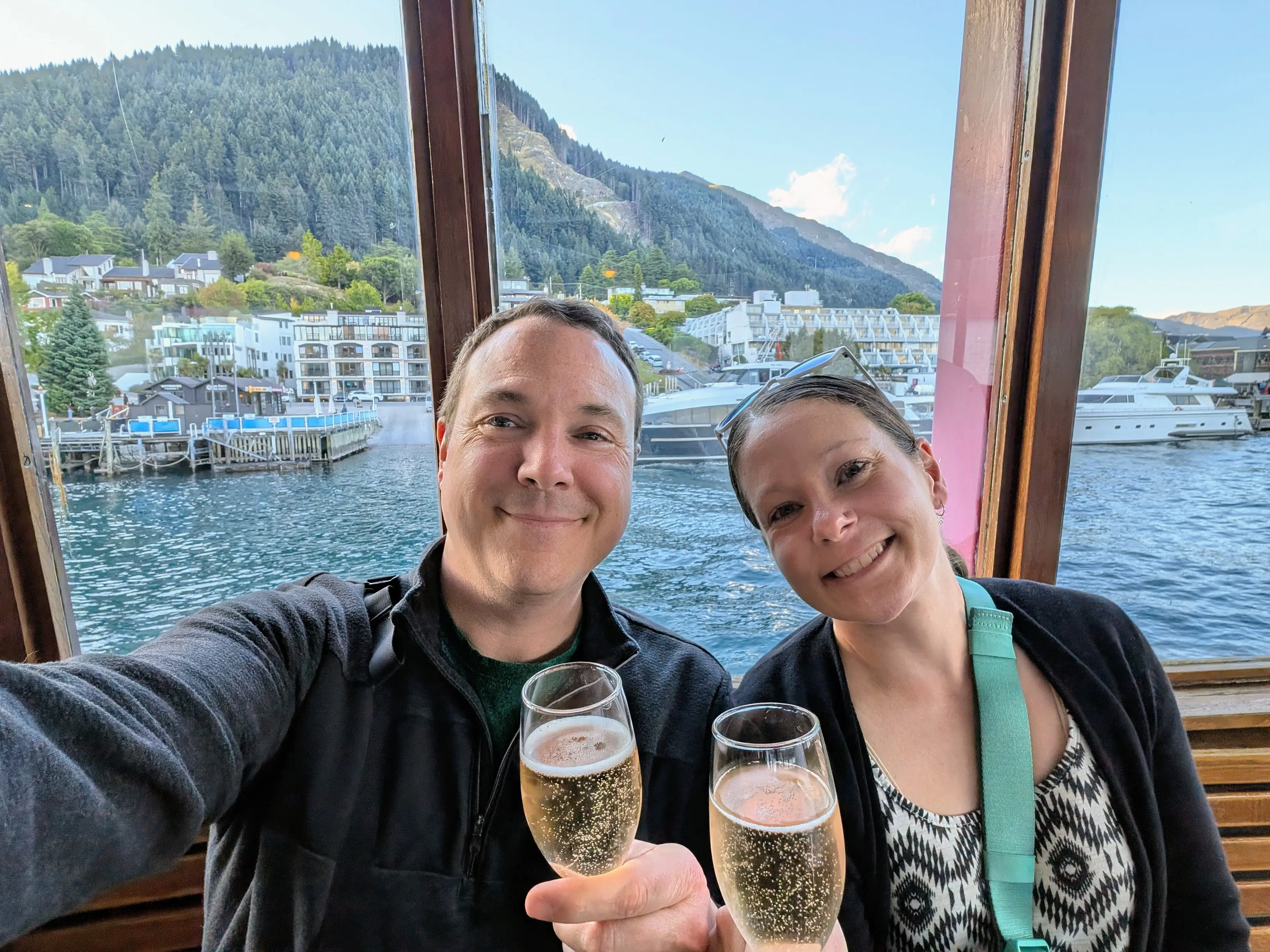
He worked out his child-free savings based on a number of estimations and came to the decision that on average, by not having a kid, they’ve saved ‘around $29k/ year (£21,821) through age five, then another $12k+/year (£9029) to age 17’.
“I quoted the inflation-adjusted study by the Brookings Institute at my $300k baseline, which assumed +four per cent inflation post-2020. It updated an earlier USDA study that showed around $233k total (£175,321) through age 17,” John explains.
“In response, I ran the math on how much you would have after 17 years if you invested on the schedule above at an average rate of return of eight per cent, and it's about $650-$700k (£486,730-£524,170).
“I haven't dusted off my econ degree in a bit, but I'd bet there's a correlation between rising costs/inflation and people choosing to be child-free.”
However, John doesn’t quite like to look at the DINK lifestyle in terms of ‘how much it’s saved’ the couple but rather ‘of what we’ve been able to do’.
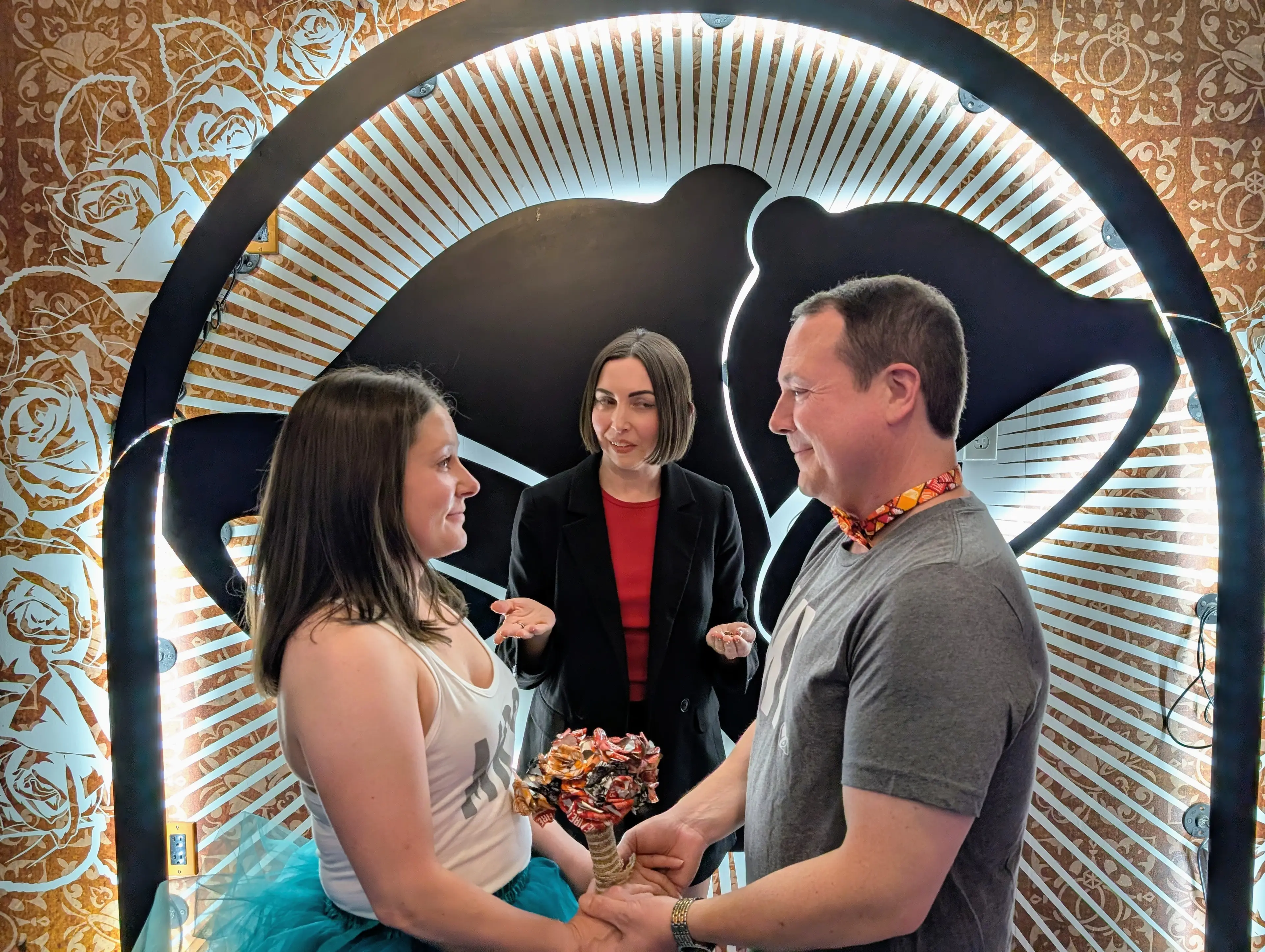
“We paid for our own wedding, Jess paid off her student loans before 30, we've been able to buy and renovate two homes, invested in a thriving restaurant, purchased and built a mobile studio apartment/campervan, have travelled frequently to places like France, Iceland, and New Zealand, and it's allowed Jess to retire at 39, and me by my early 50's,” he explains.
It doesn’t mean the couple are consistently splashing the cash, though, as he says they’ve ‘always lived below our means’.
“We started our careers in sales, and planned our lifestyles around maxing retirement and a rainy day fund,” John lays out.
“As our base salaries grew, our base costs of living remained mostly flat (no lifestyle creep), and when you toss in not having kids, assuming the math above holds up, you can start to see why we had a little more disposable income.”
John says it never sat right with him that he’d ‘spent 40 years exchanging my best years for a paycheck’ so instead started ‘paying myself first and lived below my means’ so he could retire as soon as possible.
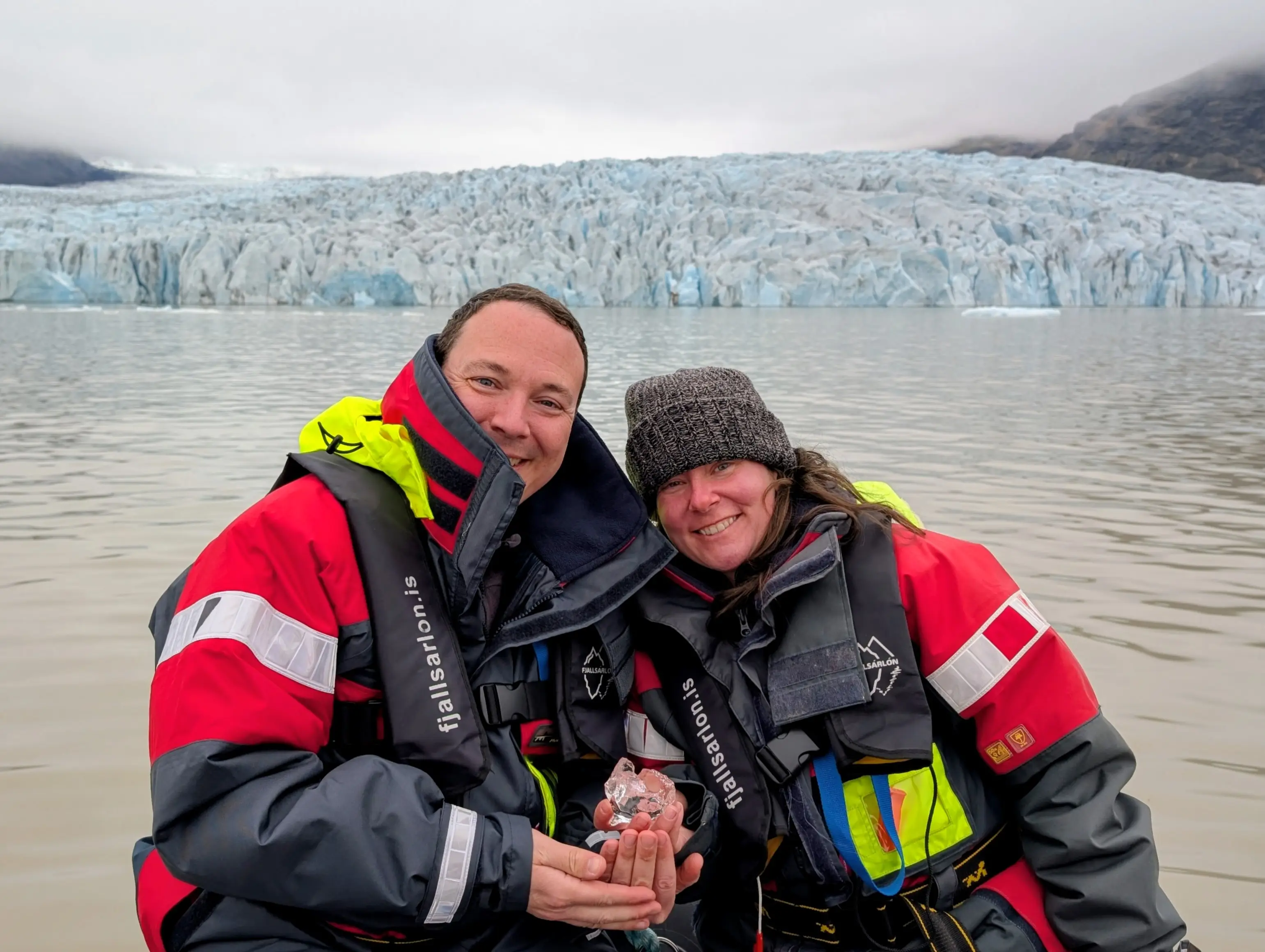
When he does end up retiring, the couple have plans to travel – ‘following the seasons and exploring the north and South American contents’.
“We’ve talked about becoming camp hosts at state or national parks,” he adds.
“One thing that Jess’ early retirement is teaching us is the importance of staying busy. When you no longer have to spend 40+ hours working in a week, you need constructive ways to fill the time.”
And for those who might be tempted to take on the DINK lifestyle, the couple say to join them in ‘financial freedom’ because the ‘water is nice’.
“Find the balance that doesn’t feel like sacrifice but still feels like delaying gratitude. Indulge enough it still feels so, and also makes the routine worth it,” they advise.
“Get comfortable with a lifestyle and don’t let increased pay increase lifestyle creep. It's a marathon, not a sprint; let your actions and attitude reflect that. Don't get tied up in a statement, quarter or year. Trust the process; it worked for us, and it can work for you too.”
Topics: Lifestyle, Money, Sex and Relationships
 Jess Battison