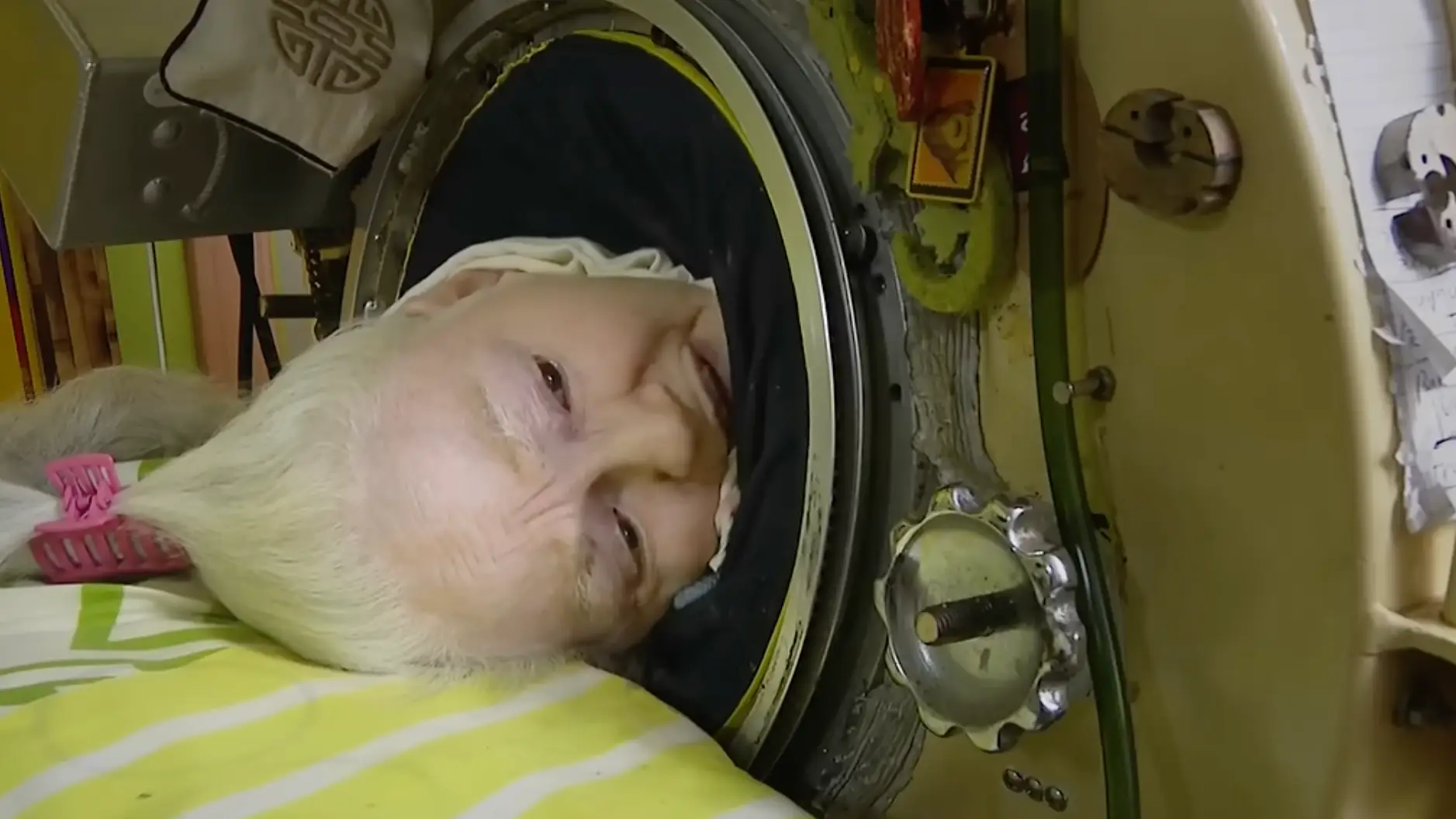
Footage shows brutal reality of woman’s life before she died in iron lung as machine was too old to repair

When Martha Lillard was five years old, she contracted polio, a disease which would change the course of her life forever.
Thanks to the beauty of modern medicine and comprehensive vaccination programmes, polio has been all but eradicated internationally, remaining endemic in just two countries, Pakistan and Afghanistan, thanks to a World Health Assembly resolution to eradicate the disease in 1988.
The last polio case in the UK was in 1984, and the country was declared polio-free in 2003, while there hasn't been a new case of polio diagnosed in the US since 1979.
However, this wasn't always the case, with the disease either paralysing or killing half a million people every year during the 1940s and 50s, per WHO statistics, with its primary victims being children under five years of age.
Advert
One of these victims was Martha, who was diagnosed with polio on her fifth birthday in 1953.
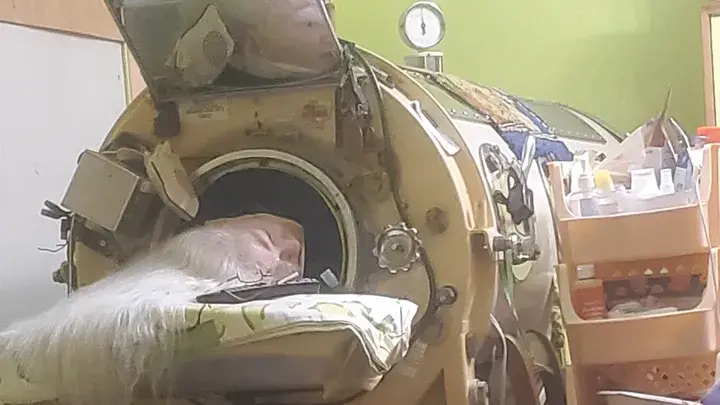
After celebrating her birthday at a local theme park, the Oklahoma native woke up the following morning with a sore throat.
"My neck was killing me," she explained to local news station KFOR in the weeks leading up to her death. "I couldn't lift my head off the pillow."
After turning 'blue' from not being able to breathe, Martha was rushed to hospital and diagnosed with polio, two years before the vaccine was created.
"I couldn't breathe. I couldn't move my arms and legs," she added.
'You can just notice little things disappearing... Small things that other people might not notice'
Martha would later develop post-Polio syndrome and would spend the next six months of her life in hospital before being placed inside an iron lung, a large negative pressure ventilator which assists with breathing, a contraption which, unlike other children, Martha did not mind spending her time inside.
"Getting in there felt wonderful," she recalled. Martha was later discharged back home to Shawnee, Oklahoma, where she has spent the rest of her life relying on the iron lung.
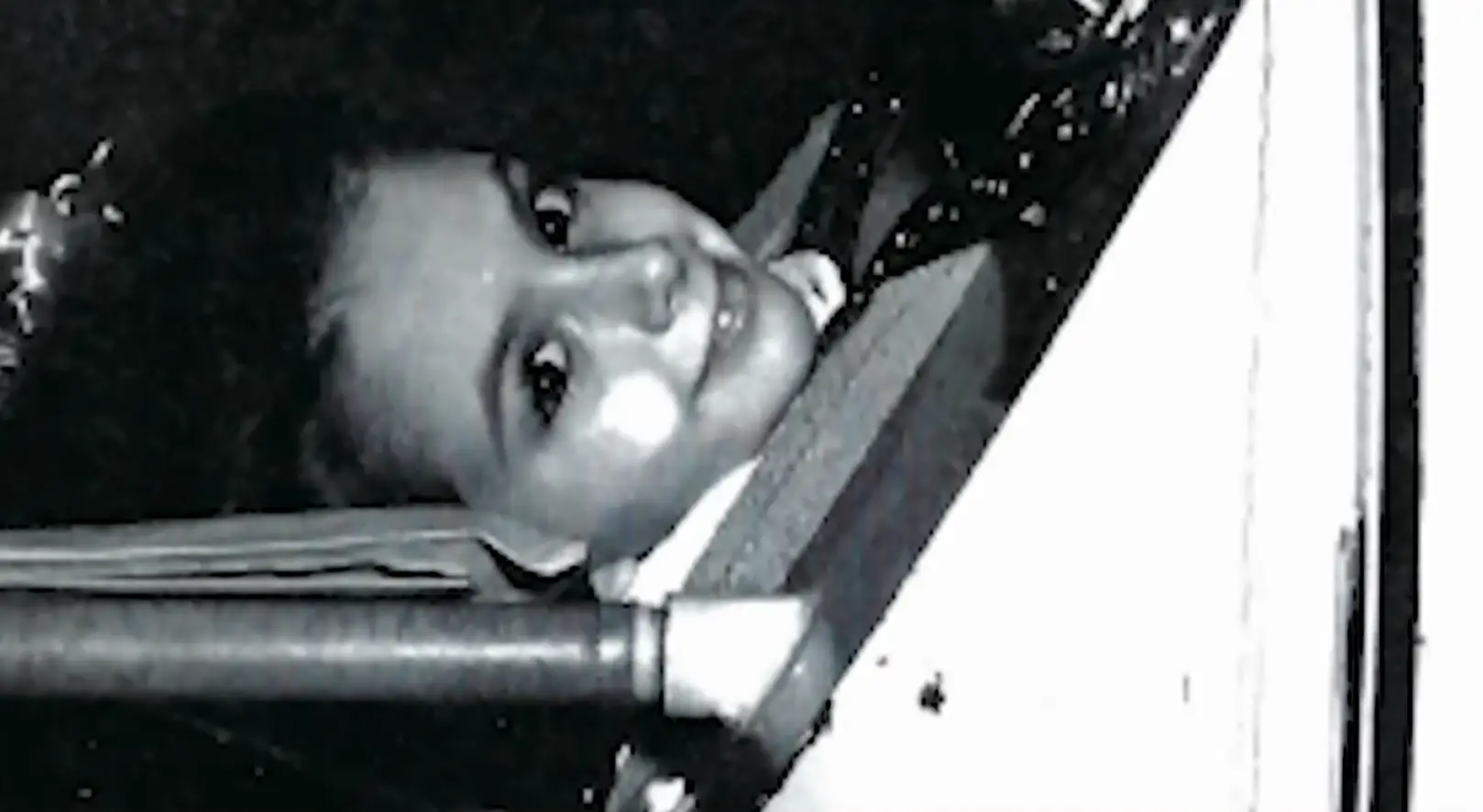
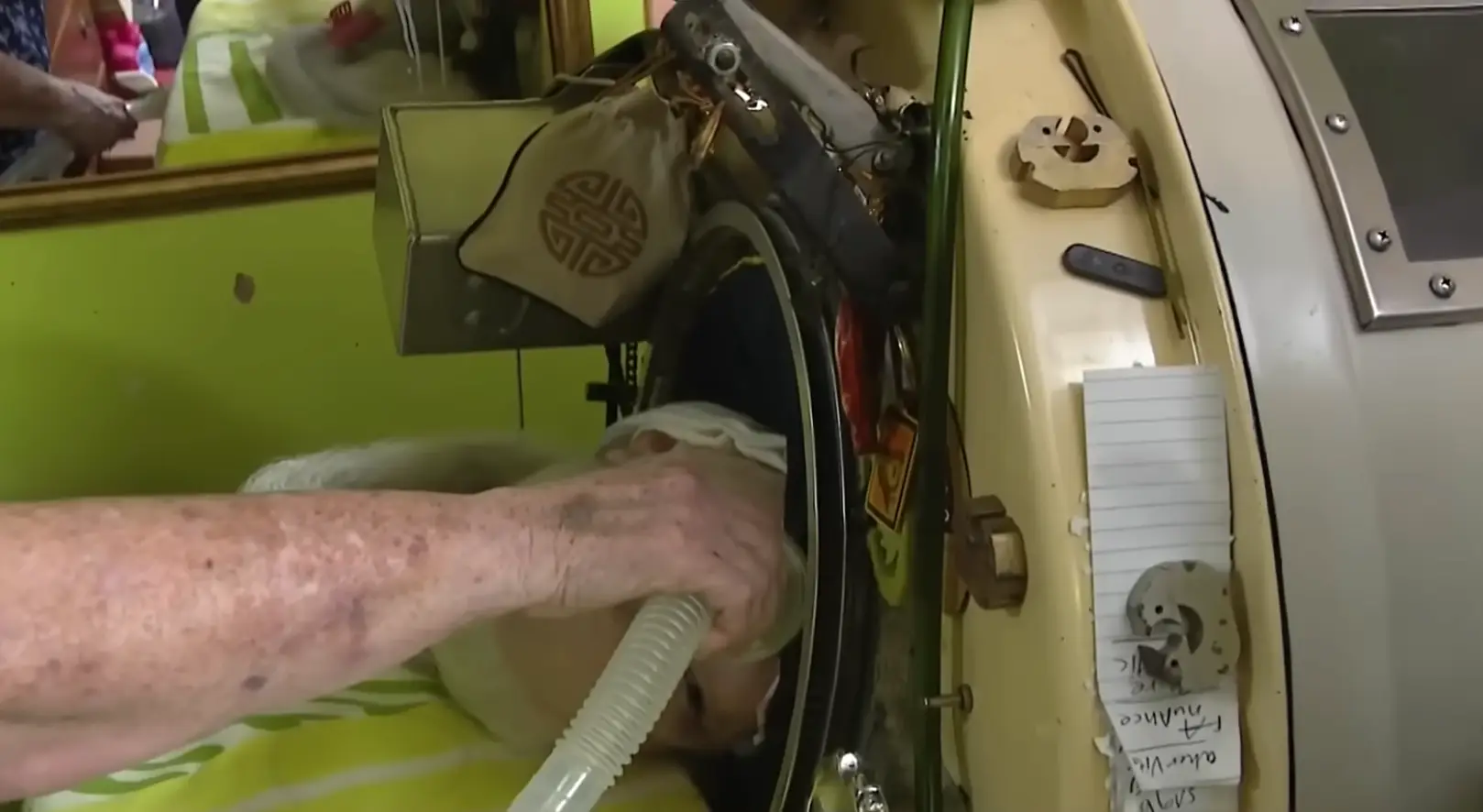
Martha's time inside the iron lung would depend on her health over the years, being able to use it for as little as nine hours during the healthiest years of her life, while also teaching herself how to walk again.
While other polio survivors later transitioned to more modern methods of breathing support, such as intubation and positive airway pressure (PAP) machines, Martha preferred to continue using the iron lung – something which Paul Alexander, an American who lived for over seven decades inside one, also did.
By the age of 78, Martha needed to remain inside the chamber for 24 hours a day in order to breathe. Her condition had worsened after developing long COVID.
As Martha became more dependent on the machine to keep her alive, the old technology - which had been created in the 40s - began to fail. Replacement parts became harder to find, with her sister Cindy explaining that they would be unable to fit a replacement motor should the current one break.
After a hurricane ripped through Oklahoma in 2025 and knocked out the power, Martha was kept alive only by receiving mouth-to-mouth from her husband.
Despite her life being changed forever by polio, Martha made the best of her life, with sister Cindy saying she had the 'enthusiasm and the drive' to carry on living.
"They told her she wasn’t supposed to live past 20 years old," Cindy told the Associated Press.
"She had the enthusiasm and the drive to continue living and make the best of her life."
Martha was also able to live independently for a number of years, using a portable ventilator, being able to take holidays, get married and even drive.
She passed away aged 78 on 26 June, 2026. Her official cause of death was recorded as post-polio syndrome and chronic pulmonary failure.
"Despite living with only 25 percent lung capacity, scoliosis, and a paralysed right arm, Martha Ann spent her life as normally as possible," read a GoFundMe set up in her memory.
"She was incredibly creative, painting, writing poems, and composing music for the left-hand piano."
 Brenna Cooper