
Omega-3 Fish Oil changes your body in these key ways after 30 days of taking supplement

A doctor has explained the five main health benefits of taking Omega-3 supplements for a month, as well as how to manage the potential side effects.
Omega-3 fish oil is considered healthy for most people because it contains fats that can help your body work better.
From supporting heart health to helping the brain think more clearly, there's lots of supposed benefits, as outlined by health educator Dr Eric Berg.
In one of his latest videos, the chiropractor explains that increasing omega-3 intake may lead to noticeable improvements in the body within 30 days.
Advert
Stressing the importance of nutrients to human health, Dr Berg said: “Omega-3 fatty acids are essential. That means that our bodies can’t make them, but we need them. And 70 percent of the entire population is deficient in omega-3.”
Research from UEA, Holland & Barrett and the University of Southampton found that 76 percent of people worldwide are not meeting recommended intakes of EPA and DHA.

"The omega-3s EPA and DHA are essential for health throughout the lifecourse. But to benefit from these nutrients, people first need to understand how much they should be consuming," said Prof Philip Calder from University of Southampton.
How much fish oil should you take?
For general adult health, a daily intake of 250–500 mg of combined EPA and DHA (the active forms of omega-3 in fish oil) is generally recommended.
In pill form, this usually equates to one to two standard 1,000 mg fish oil capsules, though the EPA/DHA content varies significantly.
Benefits of taking omega-3 fish oil

On one of the main benefits, Dr Berg notes that 'EPA primarily helps you reduce inflammation'.
"A lot of people have inflammation. You can have inflammation in the joints, so it helps with arthritis. You can have inflammation in the heart, so it can help with your heart," he said.
Another positive is DHA, a key omega-3 fatty acid which is especially important for cognitive function.
“DHA is really good for your brain. In fact, your brain is made up of twenty percent DHA. This is why fish oils are really good for memory, cognitive function, attention, focus and learning,” he explained.
Regular omega-3 consumption may also improve certain symptoms associated with deficiency. As Dr Berg states: “If you consume them on a regular basis, you may find one of the following symptoms disappear—dry eyes.”
He also links omega-3 intake to improvements in skin health and inflammation-related conditions.
Side effects

Some of the side effects Dr Berg mentions are:
- Fish-oil burping
- Rancid or oxidized fish oil supplements
- Fish allergies
- Difficulty absorbing fats (especially without a gallbladder)
- Possible need for bile salts to improve absorption
“One little problem that people have with fish oils is the burping,” he explains.
“You don't want to buy fish oil based on cost because you're going to basically get rancid fish oils and they're going to cause more harm than good. This is because fish oils are highly susceptible to being oxidized.
“Sometimes people are allergic to fish oils or fish. If you don't have a gallbladder or you are deficient in bile and you can't absorb these fats very easily you may want to add some type of purified bile salt as a supplement.
“If you have some type of inflammatory condition in your gut, you may want to add purified bile salt to start getting more absorption of these omega-3 fatty acids.
“Fish oils are highly susceptible to being oxidized and rancid fish oils can cause more harm than good.”
Buy Omega-3 fish oil supplements below:
Solgar triple strength Omega-3

£62.48
£35.99
Seven Seas Omega-3 fish oil
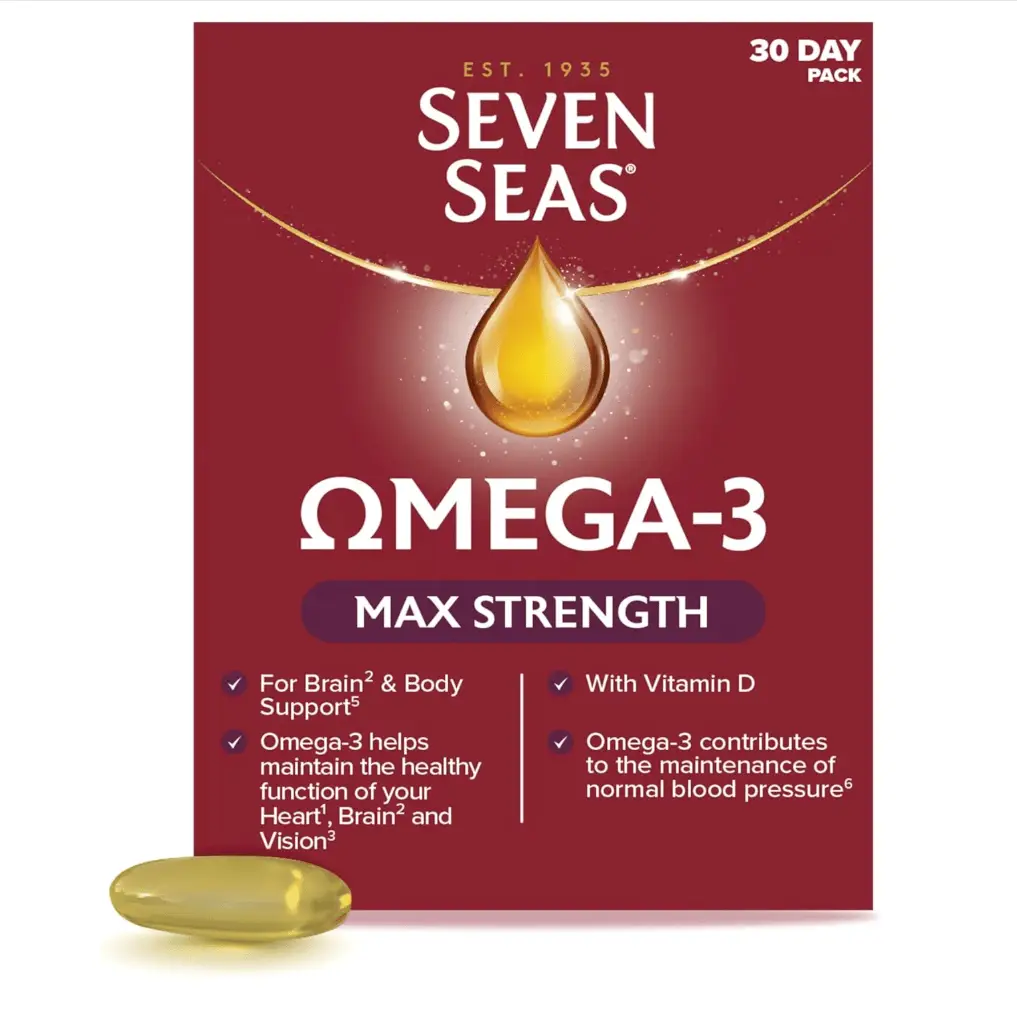
£18.50
£15.75
Wild Nutrition Omega-3 supplements

£38
Topics: Health
 Anish Vij