ladbible homepage
ladbible homepage
  • Home
  • News
    • UK
    • US
    • World
    • Ireland
    • Australia
    • Science
    • Crime
    • Weather
  • Entertainment
    • Celebrity
    • TV
    • Film
    • Music
    • Gaming
    • Netflix
    • Disney
  • Sport
  • Technology
  • Travel
  • Lifestyle
  • Money
  • Originals
    • FFS PRODUCTIONS
    • Say Maaate to a Mate
    • Daily Ladness
    • UOKM8?
    • FreeToBe
    • Citizen Reef
  • Videos
  • Advertise
  • Terms
  • Privacy & Cookies
  • License Our Content
  • About Us & Contact
  • Jobs
  • Latest
  • Archive
  • Topics A-Z
  • Authors
Facebook
Instagram
X
Threads
Snapchat
TikTok
YouTube
Submit Your Content Here
  • GAMINGbible
  • LADbible Group
  • UNILAD
  • SPORTbible
  • Tyla
  • FOODbible
  • UNILAD Tech
Real reason you get cavities in your teeth - and it's not sugar
Home>Lifestyle
Published 16:21 7 Jun 2026 GMT+1

Real reason you get cavities in your teeth - and it's not sugar

If your teeth have seen better days, chances are it's not down to the sweet stuff.

Jen Thomas

Jen Thomas

google discoverFollow us on Google Discover

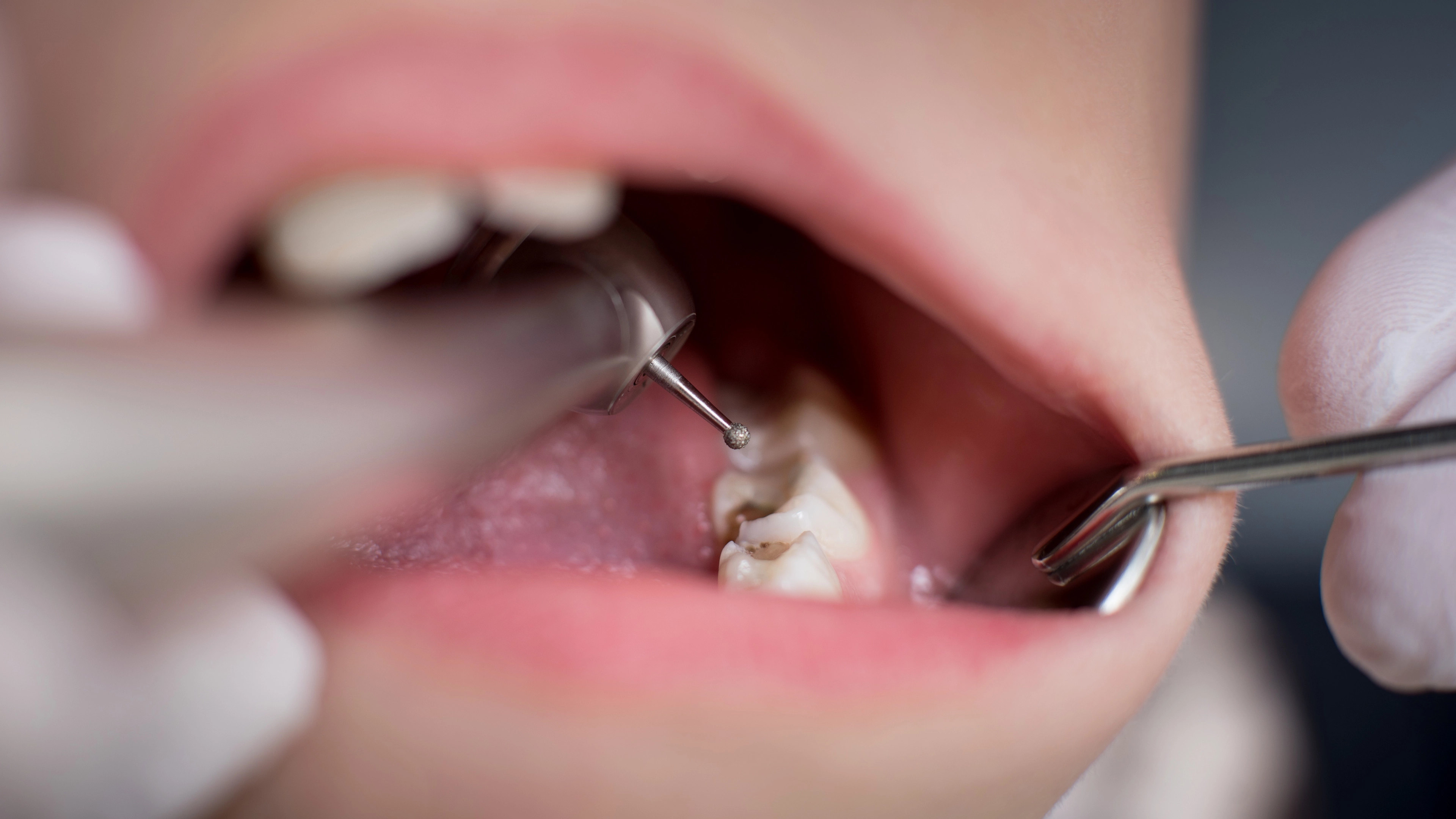
Everybody wants pearly whites, but if you're struggling to achieve that perfect smile you might be quick to blame sugar for your cavities.

Over the years we've been told that sweets, chocolates and fizzy drinks are the number one offenders for rotten teeth.

Do you remember getting a sticker for going to the dentists when you were little?

It turns out that some of the nasties in your mouth can actually be passed on from your mum when you were small.

Advert

Posting as thebentistofficial, one dentist has shared a post talking about what can cause problems with your gnashers.

"Sugar isn't causing those cavities at all," he advised.

"Some people can eat as much sugar as they want and not get any cavities at all - I know, it's unfair", he joked.
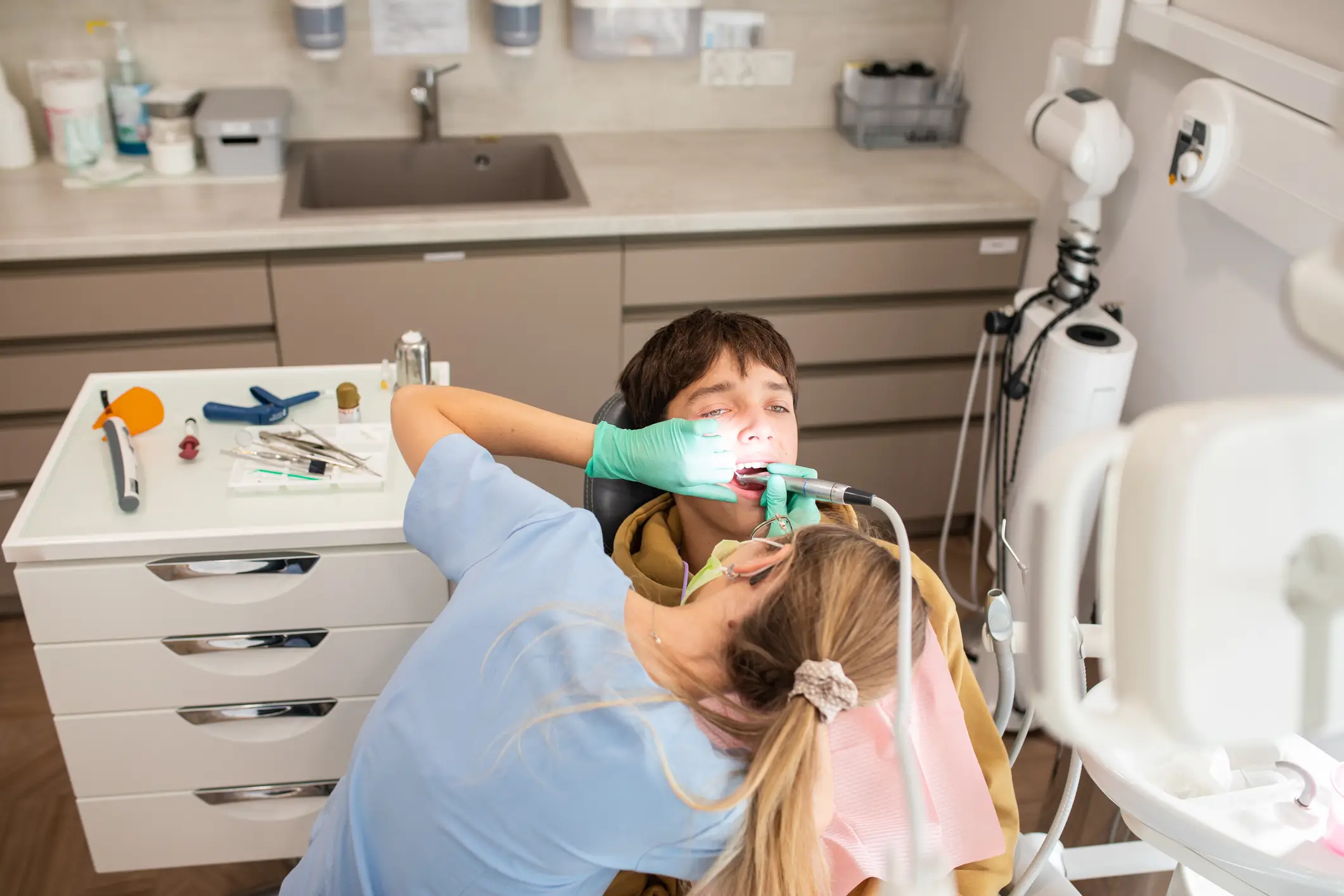
Whether you're a sugar fiend or not, some people are more prone to getting cavities (Getty Stock)

He went on to say that a lot of people blame genetics, but it's not down to that, either, but admitted "it is passed down via your family," but not in the way you might think.

"Cavities are formed by bacteria, specifically a bacteria called s mutans.... we'll say it's like a termite, and that termite likes to eat wood," he began.

"Well s mutants likes to eat teeth," so far, so gross.

"The fuel for it, just happens to be sugar," he added. "It eats the sugar and then it poops out acid onto your teeth, to weaken your teeth so it can eat into it more."

Who wants to go and brush their teeth immediately after this?

"When you're born, you can't get oral cavities or disease at all, you're a blank slate," he says.

"Then your mother or grandmother kisses you or drinks after you and she gives you her oral microbiome," the dentist advises.

Depending on how much you get from your relatives, your chance of getting periodontal disease or gum disease is increased.

You also have a higher chance of getting cavities, if they passed on a lot of s mutans, no matter how much or how little sugar you eat.

He said that's why some people never brush at all, yet never get cavities.
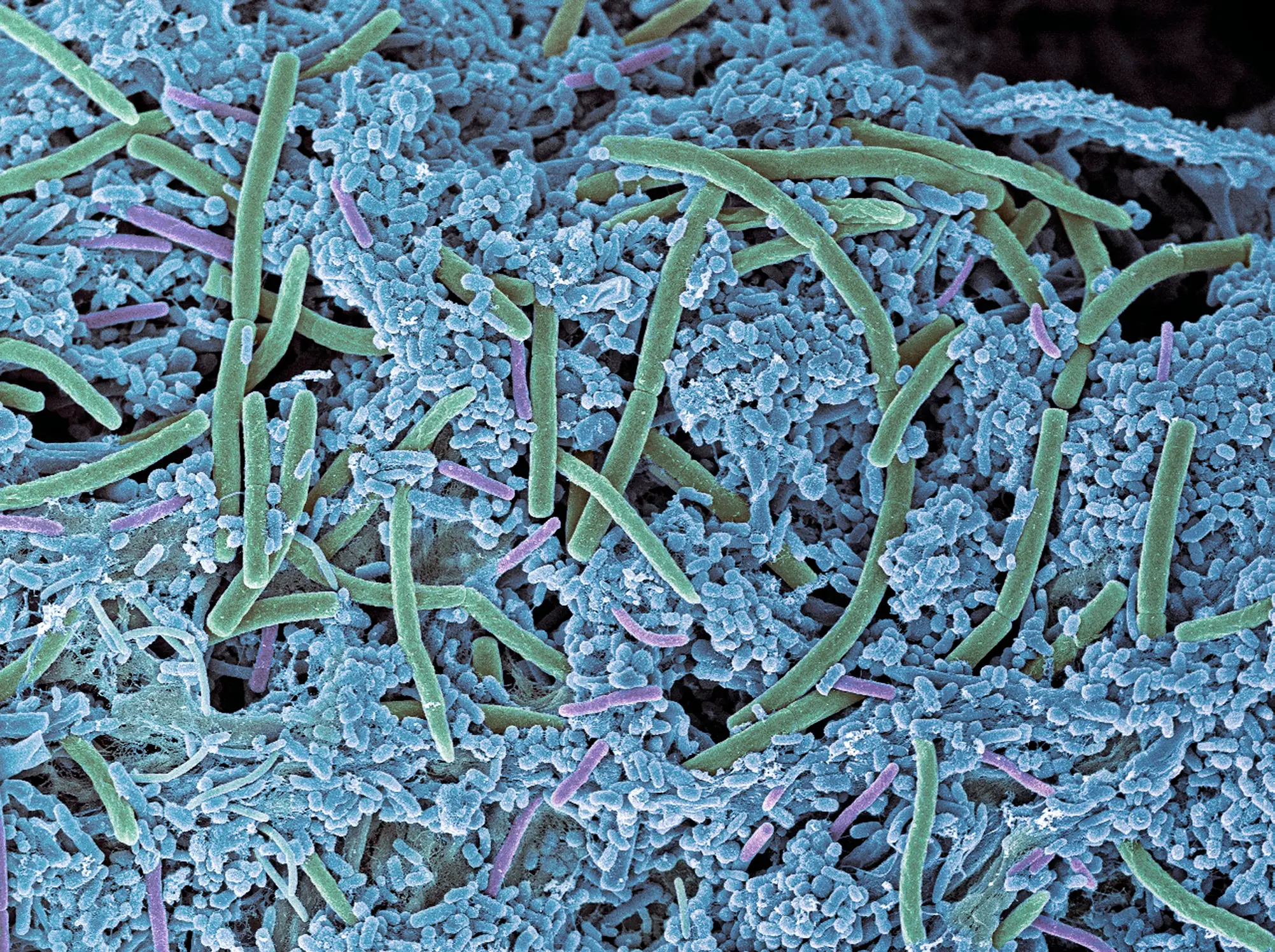
Cavities are causes by S mutans bacteria, which builds up in dental plaque (Getty Stock Images)

"Next time you get a cavity at the dentists, just blame your parents," he joked.

However, new research has found that kids are getting microbiomes from other non-related children, too.

The researchers at the University of Alabama at Birmingham Department of Biology and School of Dentistry found that a whopping 72 percent of children carried at least one strain of the cavity-causing Streptococcus mutans not found in any cohabiting family members.

Study author Stephanie Momeni said: "The literature tells us that we usually get this bacterium from our mothers."

"This is because we most commonly have more interaction with our mothers when we are very young. However, our data supports that children who interact with other children at school or in nurseries can, and frequently do, contract this bacteria from each other.”

This could come from sharing food or drink, or a lollipop, for example.

Forty percent of the children in the study did not share any S. mutans strains with their mothers.

Featured Image Credit: Getty Stock

Topics: Health, UK News, NHS, Food And Drink

Jen Thomas
Jen Thomas

Jen is an experienced SEO writer and radio presenter with too many houseplants and tattoos, and spends most of her time watching new bands or trying to teach her rescue puppy tricks.

X

@jenthomasradio

Recommended reads

Kim Kardashian slammed for response to Martin Brundle at Monaco Grand Prix(Sky Sports)Where Michael Jackson’s monkey Bubbles is now years after singer's deathJim Smeal/Ron Galella Collection via Getty ImagesIran World Cup tensions heighten with 24-hour 'ban' and national team members denied entry to USAFP via Getty ImagesBritish Kebab firm fined £500k for what it was actually selling as 'lamb kebabs'Media Wales

Advert

Choose your content:

23 hours ago
a day ago
2 days ago
  • LADbible
    23 hours ago

    Altra Experience Flow 3 and Wild 3+ Review: Built for Comfort, Control and Ground Connection

    Both trail and road versions in the Experience range offer a comfortable running solution in a super shoe dominated market.

    Lifestyle
  • Jewel Samad/Getty
    23 hours ago

    People are just realising what SPAM means after 89 years on the shelves

    SPAM is a cupboard staple for many, but did you know what the name means?

    Lifestyle
  • Instagram/niv3n
    a day ago

    Man, 28, with end of life kidney failure shares signs he missed

    The 'fit and active' lad from Preston couldn't believe his diagnosis at first as he 'felt fine'

    Lifestyle
  • YouTube/Jazza Truxx
    2 days ago

    21-year-old HGV driver shares payslip to show how much they really make

    It's a demanding job, and at one point he said his eye swelled up due to stress

    Lifestyle
  • What happens to your body when you stop eating sugar for 14 days
  • Dentist warns sparkling water is doing more damage to your teeth than you thought
  • Your reusable water bottle may contain more bacteria than you realise, an expert explains
  • Jaw-dropping simulation shows what happens to your body when you stop eating sugar for two weeks