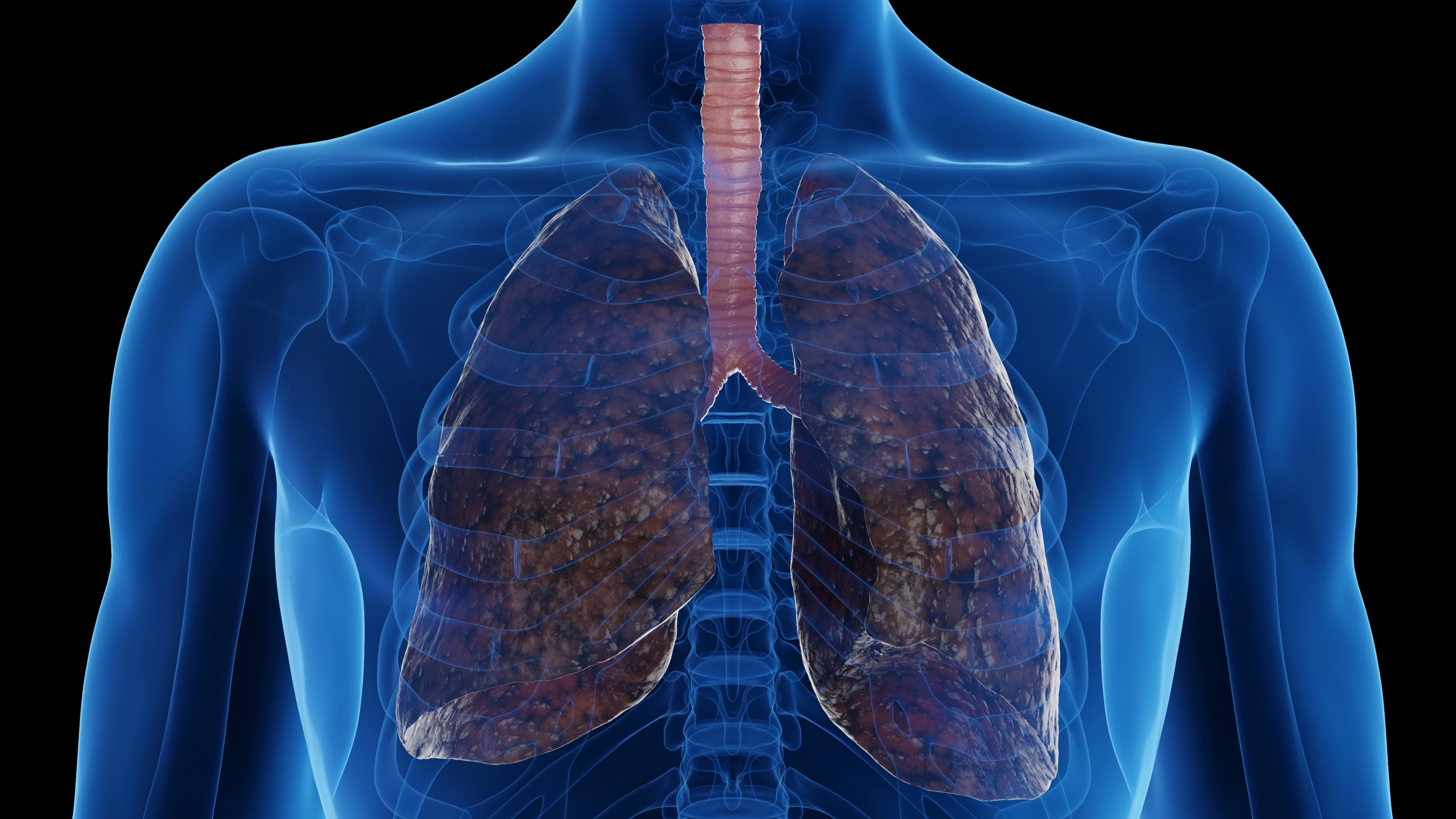
Concerning simulation shows true impact smoking has on your lungs

In life, a lot of people have to see it to believe it - and this statement also rings true when it comes to health matters.
Although we are all well aware of the internal damage that sparking up a cigarette can cause, as we can't see it for ourselves, a lot of smokers put it to the back of their minds.
But this simulation which shows how your lungs can dramatically deteriorate might just be the wake up call you need.
As well as saving you a boatload of money, binning off this bad habit will boost your physical and mental health. According to the NHS, the improvements are 'almost immediate'.
Advert
You can feel the benefit of stopping smoking in as little as 20 minutes after your last puff, as your pulse rate and blood pressure will drop and begin to return to normal, while your circulation should also get a good boost.
After 48 hours, you'll have the same carbon monoxide levels as a non-smoker, while your ability to smell and taste things will also improve as your lungs get rid of all the mucus.
Two weeks into being abstinent, you will notice a big difference in your circulation and breathing, and by the time you've got a few months under your belt, you'll be feeling like a new person.
Breathing will feel easier, you will likely be rid of any cough or wheezing, and your lung function will have increased by up to 10 percent.
When you're a year into stopping smoking, you will have halved your risk of suffering a heart attack, and when a decade has passed, your risk of death from lung cancer will have also been slashed by 50 percent.
Don't just take our word for it though - as former smokers who have shared their experiences of quitting have told how much better they feel after saying goodbye to cigs.
Private health provider Bupa explains that the habit is the most common cause of preventable disease in the UK - warning that it can cause heart disease, cancer, lung diseases and other sinister side effects.
It warns: "On average, smoking reduces your life expectancy by 10 years. After you reach 40, each additional year you smoke reduces your life expectancy by another three months.
"Although smoking increases your risk of many serious illnesses, most of the deaths caused by smoking are due to three main conditions.
"These are lung cancer, chronic obstructive pulmonary disease (COPD) and cardiovascular (heart and circulation) disease."
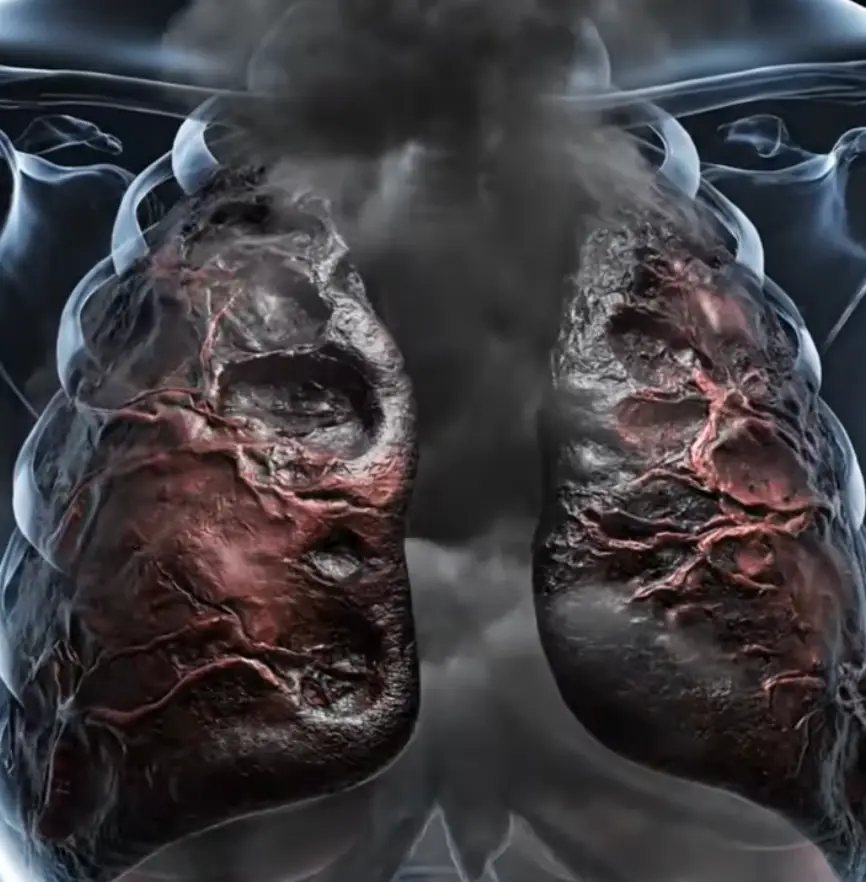
Explaining the toll that the habit takes on your lungs, Bupa states: "If you’re regularly breathing in smoke, your airways and lungs will get damaged. The smoke irritates and inflames your airways.
"It can become harder for you to get air in to and out of your lungs and you can get COPD. Most people who get COPD are long-term smokers.
"The damage to your airways from smoking makes you more at risk of getting an infection like pneumonia. And if you have asthma, smoking may make your symptoms more severe, or last longer.
"If you smoke, you may feel that your breathing is OK, but your lungs may be damaged even before you have any symptoms."
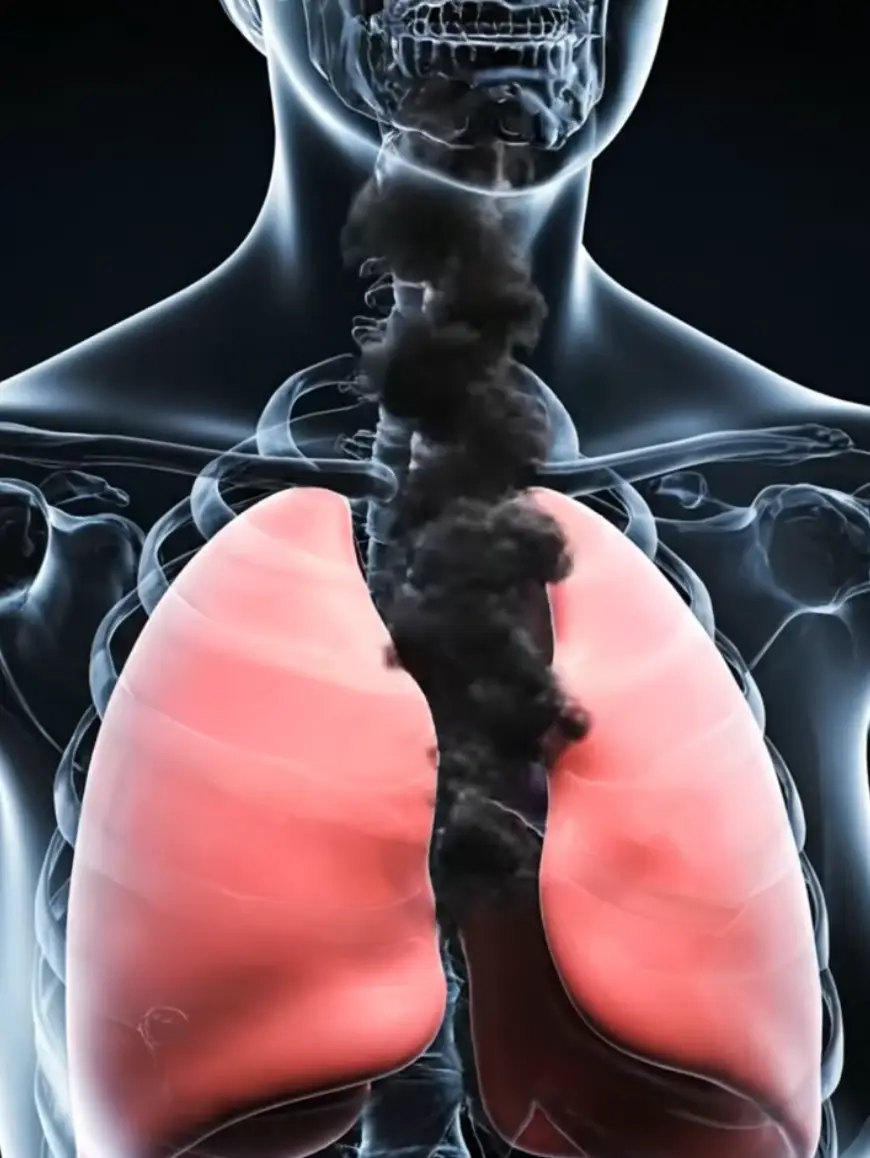
A YouTube video shared by the Health Cartoon Corner offers a visual representation of these cautionary comments by showing how the health of your lungs diminishes with every cig you smoke.
The short clip begins by showing a pair of pink, healthy lungs - which are soon polluted by some nasty-looking cigarette smoke.
"The inhalation of toxins causes immediate and irreversible damage," the video explains. "The healthy, pink tissue rapidly necrotises."
Bathing the 'delicate lining' of your lungs in this toxic fog on a regular basis is obviously going to cause a ton of damage.
Tobacco treatment expert Maher Karam-Hage explained that tar is to blame for wreaking havoc on your lungs rather than nicotine - and a thin coating of this 'black, sticky substance' is left behind with each cig you smoke.
"Many structures in the body are capable of repairing themselves," he previously told the MD Anderson Cancer Center. "If you break a bone, for instance, it will eventually mend. If you cut your skin, it will heal.
"Even the liver can grow back sometimes if a portion of it is removed. But lung tissue doesn’t grow back. Once it’s gone, it’s gone.
"It happens silently. So, smokers just keep walking around because they don’t feel anything. But once you develop something like COPD, there’s no going back.
"Once you get to that point, you’re never going to get off the oxygen tank."
 Olivia Burke