Brit holidaymakers going on summer holiday from 1st June issued urgent warning

While long airport queues are adding a different kind of burn to Brits' holidays in the sun, there’s something else that might cause a sting.
Holidaymakers have been issued an urgent warning that there could ‘soon’ be a slew of flight cancellations on the horizon.
This comes as the Middle East conflict has caused oil supplies to become restricted.
And it was warned yesterday (16 April) that Europe has ‘maybe six weeks or so [of] jet fuel left’ – taking us to the beginning of June, AKA when plenty of us start travelling off on our summer holidays abroad.
Advert
Iran continues to have a strong hold on tankers passing through the Strait of Hormuz, and Fatih Birol, executive director of the International Energy Agency (IEA), said this is causing ‘the largest energy crisis we have ever faced’.
Which countries will be most affected by the aviation fuel shortage?
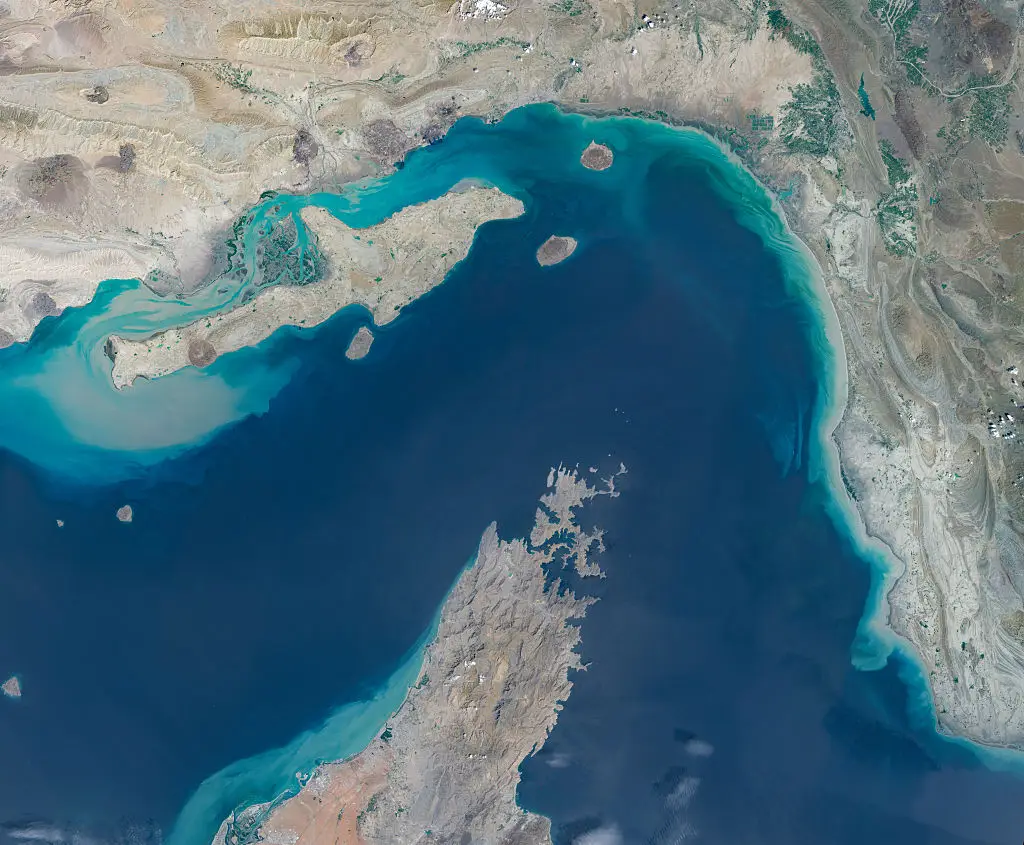
The head of the world’s energy watchdog told the Associated Press that Asian countries such as Japan, India and China that rely on energy from the Middle East are on ‘the front line’.
However, the pressure will then crank on ‘Europe and the Americas’.
Birol explained that if the Strait of Hormuz does not get reopened, then some flights in Europe ‘from city A to city B might be cancelled’ due to a lack of jet fuel.
Amaar Khan, head of European jet fuel pricing at Argus Media, told PBS: "Every passing day that the Strait of Hormuz remains shut, Europe is edging closer to supply shortages.
"The strait accounts for around 40 percent of Europe's jet fuel imports, but no jet fuel has passed the strait since the war broke out."
What can travellers expect if the aviation fuel shortage continues into the summer?
First off, since aviation fuels makes up about 30 percent of the operating costs for flights, the cost is likely to get passed on to customers in the form of more expensive plane tickets.
But travellers may also see chaotic flight schedules, with some journeys cancelled.
Shye Gilad, a former airline captain, told the Independent that low-cost airlines are less able to weather the storms caused by rising fuel prices than more premium airlines.
He said: "Leisure travelers and budget conscious travelers are going to absolutely feel it first because it may make the difference between going and not going."
What is the current outlook in the UK?
A spokesperson for the UK government said airlines in the UK ‘are clear that they are currently not seeing disruption to supply’.
And Airlines UK also said it wasn’t seeing disruption to jet fuel supply.
It told the BBC that it is talking to the government about ‘crucial measures’ that would be needed to support the industry in the event of fuel disruption ‘including reducing regulatory burdens, to protect consumers, trade, and the UK's competitiveness’.
Earlier on Thursday, easyJet chief executive Kenton Jarvis said all the airports it serves are ‘operating as normal’.
He continued: “We only ever in this industry have three to four weeks visibility (of jet fuel supplies), and that is the same as it was pre-crisis.
“We have visibility to the middle of May, and we have no concerns.
“What we’re seeing is airports and fuel suppliers working well to bring jet fuel to the airports.”
A Government spokesperson said: “We continue to engage with British airlines to support their operations against the backdrop of war in the Middle East, and to limit the impact on passengers.
“Most airlines purchase their aviation fuel in advance to offset price fluctuations, however we are aware of the impact to businesses, and are working with international allies to see a reopening of the Strait as soon as possible.”
 Jess Battison