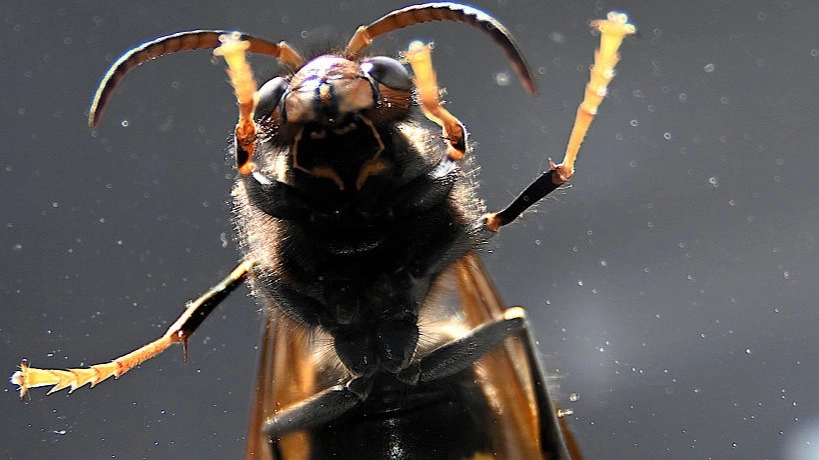
UK put on Asian Hornet alert due to heatwave with strict instructions if you see one

The hot weather the UK is experiencing means the population of Asian Hornets is expected to rise, which would have serious consequences for the local ecosystems.
It's just been the hottest May on record for the UK and the scorching temperatures are posing a threat to life as the increased heat is putting more of a strain on the vulnerable.
The received wisdom you've heard about opening the windows to let fresh air in is misleading as well, since you're likely letting more hot air in unless you do it at night-time.
Such warm weather is leading to higher numbers of Asian Hornets as well, the Independent warns, with England already seeing an increase in the numbers of the stinging insects.
Advert
The real danger they pose isn't the painful stings they can use to attack humans with, but the absolute carnage they can wreak on honeybee populations.
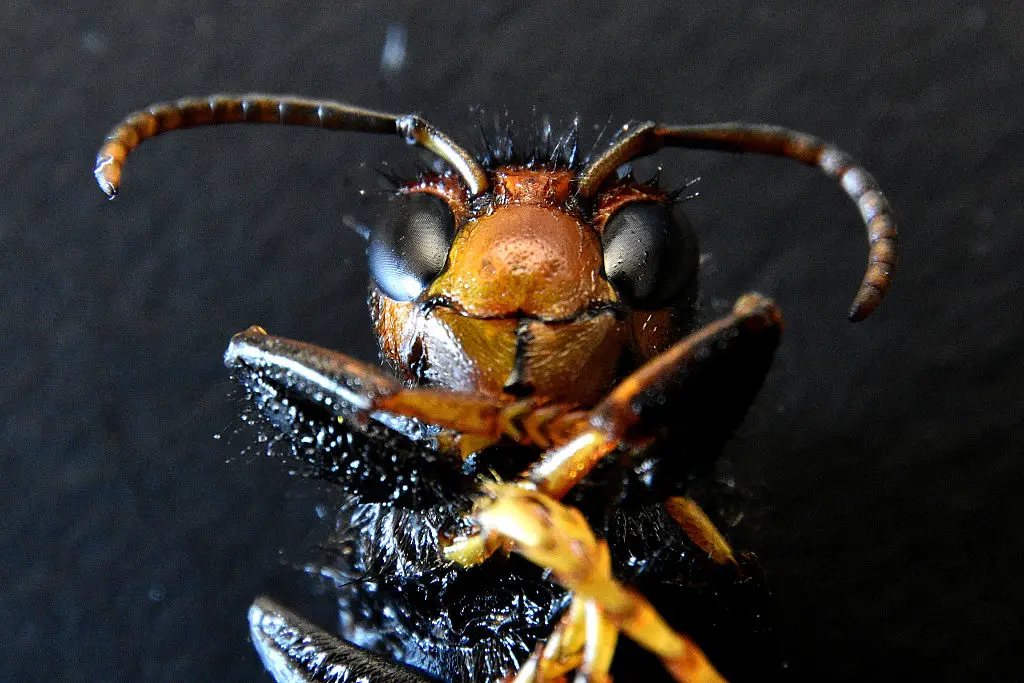
Asian Hornets have spread across the world thanks to global warming and they absolutely love killing honeybees, with the friendlier buzzing bees playing a vital role in pollination and the growth of plants.
So having a bunch of angry hornets set on killing them means very bad things, with hornet expert Luke Newnes telling the Independent: "We’re no longer talking about isolated coastal incidents.
"Sightings are appearing much further inland, and many experts now believe the focus has shifted from eradication to long-term management."
Advice for those who sighted the invasive pest might once have been to get rid of them, but their numbers in the UK have grown to such a point that it's about arming the authorities with the information they need.
If you see an Asian Hornet then don't try and find its nest or attack it, since you'll likely get some painful stings which can cause some unpleasant symptoms.
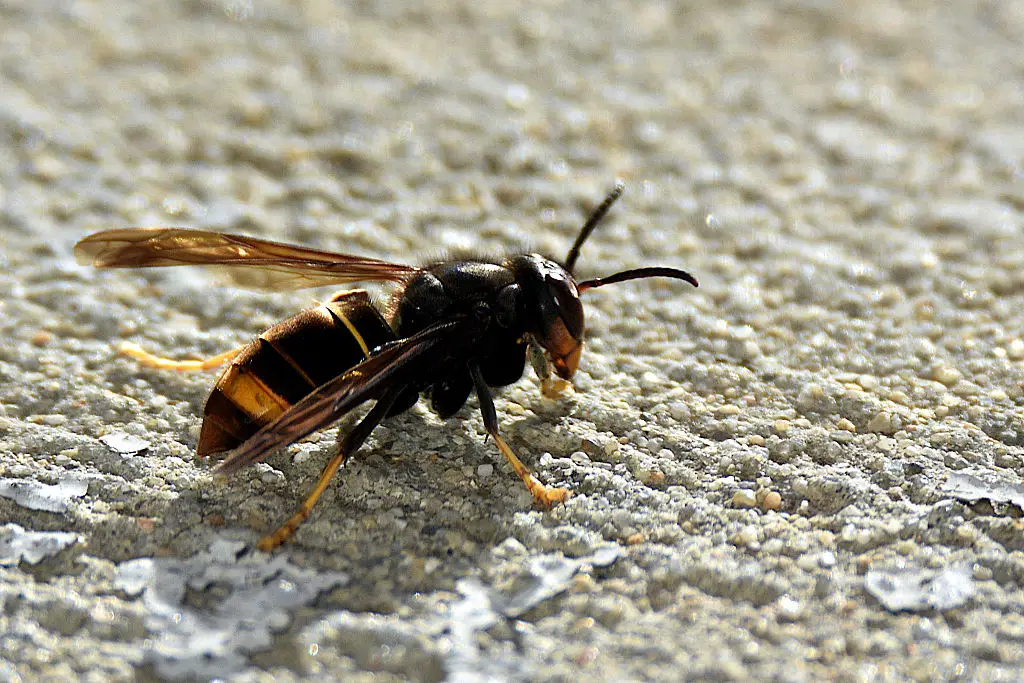
Instead, you should download the 'Asian Hornet Watch' app and report the sighting so the authorities can get a clearer picture of what's going on.
In 2024, the Department for Environment, Food and Rural Affairs Chief Plant and Bee Health Officer (what a long job title) Professor Nicola Spence offered up this advice: "By ensuring we are alerted to possible sightings as early as possible, the public can help us take swift and effective action to stamp out the threat posed by Asian hornets.
"While the Asian hornet poses no greater risk to human health than other wasps or hornets, they can damage honey bee colonies and harm other pollinators.
"Please continue to be vigilant for any Asian hornets and if you think you’ve spotted one, report your sighting through the Asian hornet app or online."
Topics: Environment, UK News, Animals
 Joe Harker