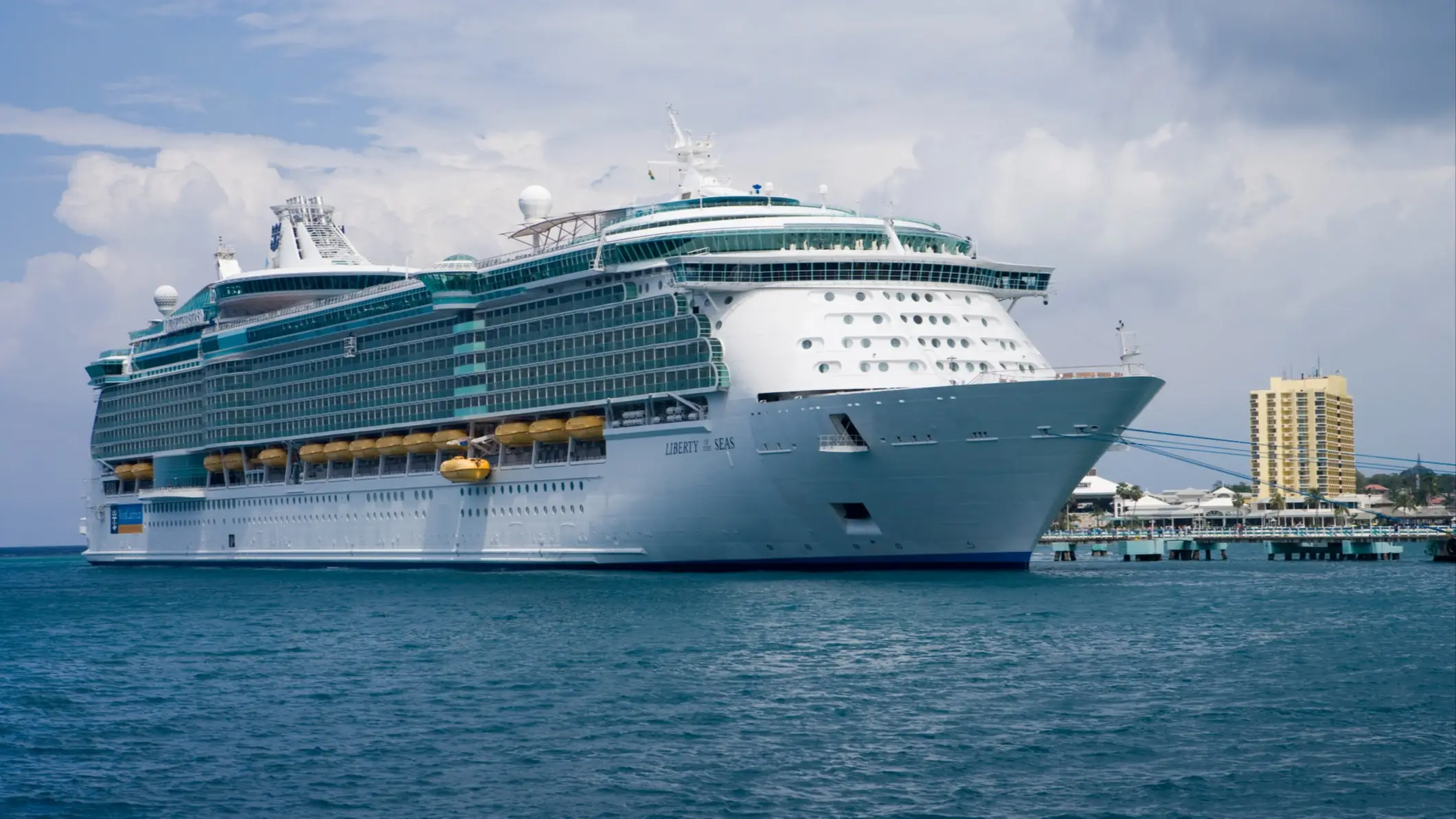
Being on a cruise too long could give you medical condition that can last for years and affect body and mind

We've all experienced post-holiday blues but returning from a cruise can have you feeling like you're still at sea for days on end.
You're on land, but you can still feel the ship moving and you're having difficulty concentrating on your day-to-day activities.
It's not just your body yearning for another week at sea - even if it is absolutely 'terrifying' at night - it could actually be a medical condition.
One man has spoken about the consequences of living on a cruise ship for over two decades, while another opened up about his bizarre health impact - but what about when you get off?
Advert
Mal de Débarquement Syndrome (MdDS), also known as Disembarkment Syndrome, translates directly to 'sickness upon disembarking' and impacts the body's balance system.
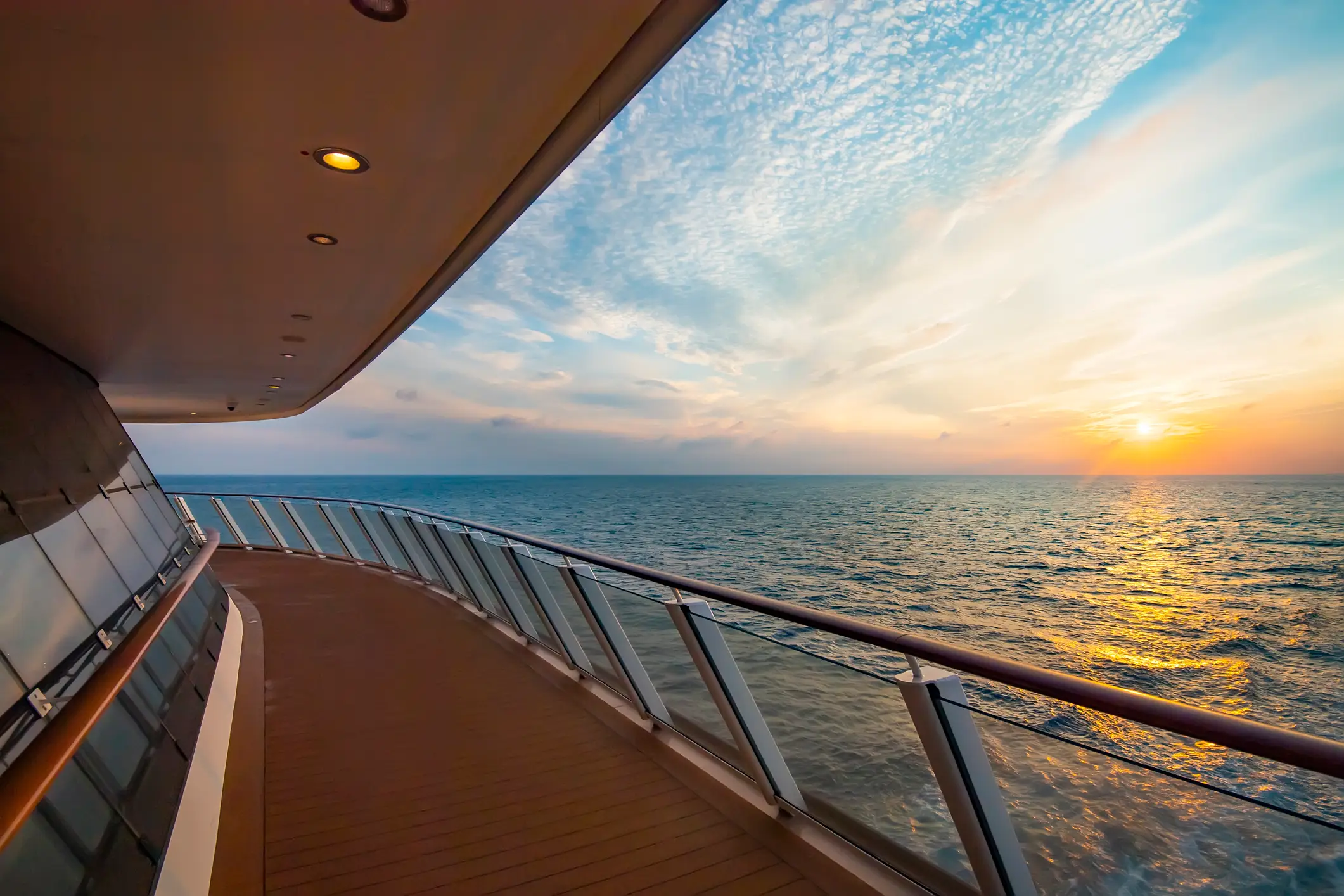
The condition tends to occur after a cruise holiday or flight as the body struggles to re-adjust to land.
It can also occur after extended land travel or sleeping on water beds, or in rare cases, MdDS can occur after non-motion events or for no specific reason.
What are the symptoms of Mal de Débarquement Syndrome?
Impacting the inner ear or brain, sufferers may feel a rocking or swaying sensation and experience symptoms like brain fog, confusion, anxiety, unsteadiness and depression, according to the Cleveland Clinic.
Symptoms are often temporary and only last around 24 hours post-cruise or flight.
However, in rare cases, people have reported experiencing symptoms for weeks and even years.
Standing still or lying down can lead symptoms to worsen, which is understandably frustrating.
How do you get rid of Mal de Débarquement Syndrome?

Experts advise visiting a doctor if symptoms persist after a few weeks, as testing for other health conditions may be needed or a specific treatment plan may be prescribed.
There's no test to diagnose Mal de Débarquement Syndrome and there is no cure, though some sufferers have reported that motion sickness medicine can help.
The MdDS Foundation was founded in 2007 in order to find a cure for the disorder and has reported that women aged between 30 and 60 are most likely to develop it.
The research also found that there is an increased chance for symptoms to reappear after an initial bout.
Several Reddit threads have been created with post-cruise swaying as the subject and passengers have shared advice on how they deal with the symptoms.
One person shared their experience, writing: "I usually have a mild case for a few days after a cruise. It’s weird because I don’t feel the movement while on the ship but after I get off I feel like I’m moving."
Another added: "It happens every time I have gotten back on land from a cruise. It goes away after 2-5 days, just try to rest relax and not worry about it. It will go away."
Topics: Health, Travel, Cruise Ship
 Danni King