
Influencer ‘thought she would die’ after eating tuna as experts warn of its ‘colossal’ health risk

Brit influencer Grace Beverley has urged people to learn from her mistakes after she overindulged in one of her favourite snacks.
The mum-to-be, 29, explained that the nosh she dined on up to twice a day was actually causing chaos for her health-wise, but she had no idea until a doctor clued her in.
In a TikTok video shared on Wednesday (29 April), which has since racked up more than one million views, she told how medics urged her to steer clear of it for at least 'a few months'.
The businesswoman - known for founding brands such as TALA and Shreddy - explained that she was polishing off a couple of tins of tuna per day this time last year.
Advert
It's a cheap and convenient choice for many people who want to sneak some omega 3 into their diets, but a lot of folks aren't aware that eating too much of it can have a serious impact on your health.
Consumer rights organisation Foodwatch previously sounded the alarm and warned tuna-lovers that it actually poses 'a colossal risk to public health'.
After purchasing 150 tins of tuna from the UK, France, Italy, Spain, and Germany, experts found that every single one of them 'were contaminated with mercury'.
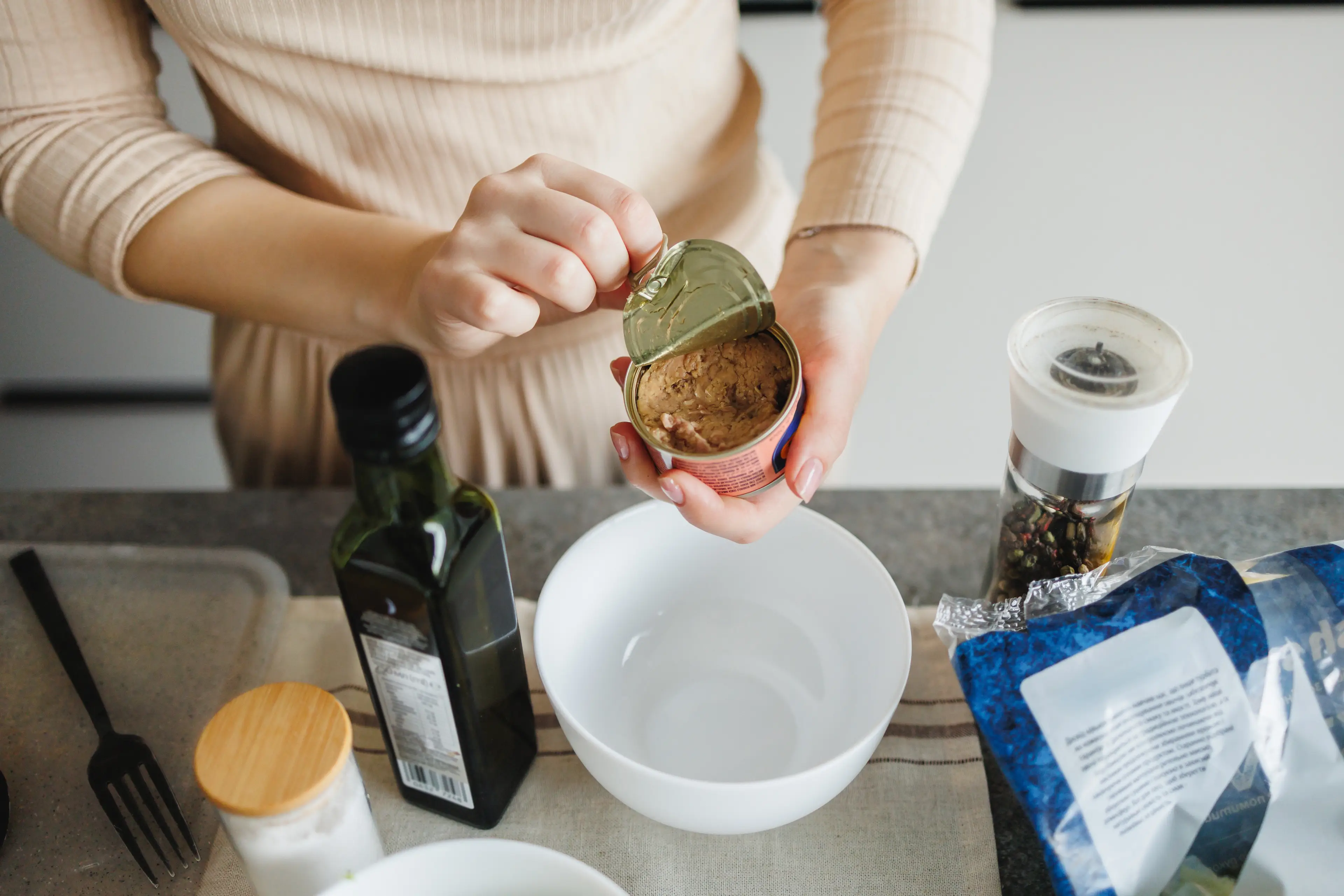
Exposure to mercury could cause health problems, such as vision, hearing, and speech disturbances. More seriously, the metal has been linked with life-threatening lung damage and even some cancers.
The NHS recommends eating at least two portions of fish a week - but in Grace's case, this was her daily intake.
The social media star explained that it's an easy snack to grab while she's 'in a rush' or 'at work', but said she had no clue incorporating it into her diet so frequently was wreaking havoc on her health.
"Last winter, I had a load of testing around why my hormones were so f****d up, and why I was having so much inflammation," she told her 469,200 TikTok followers. "I'd put on a lot of weight really easy.
"Anyway, I did a load of hormone tests, GI tests, blood tests, all of this. And the doctor called me when I wasn't expecting it - and I was like, 'Oh f**k, I'm dying'."
Thankfully, this was not the case.

Grace explained that her doctor then quizzed her about how much 'tinned fish she eats' and how she informed the medic she typically gobbled down two portions of tuna each day.
Recalling the conversation, the influencer went on: "She said, 'You know your meant to have two servings a week?!'
"And I said, "No, obviously I didn't know that... and also what am I meant to eat? Because when it's in the cupboard and I'm in a rush and I'm at work, it's important that tuna is available to me," she joked.
Grace said the doctor then informed her she was 'borderline for mercury poisoning', while she also had 'incredibly high arsenic levels'.
As a result, she was advised to steer clear of fish for a few months.
Mercury poisoning isn't a walk in the park, as it causes symptoms such as anxiety, depression, irritability, memory problems, numbness and tremors - but most notably, it causes severe neurological effects.
Having high amounts of this in your body can 'lead to long-term and sometimes permanent' health problems, according to Heathline.
It warns: "Mercury exposure can lead to developmental problems in the brain, which can also affect physical functions such as motor skills. Some children who are exposed to mercury at a young age may develop learning disabilities. Adults with mercury poisoning may have permanent brain damage, permanent kidney damage and circulatory failure.
"When detected early, mercury poisoning can be halted. However, neurological effects from mercury toxicity are often permanent."
Arsenic poisoning is also quite a rough ride, as it causes symptoms such as red or swollen skin, abdominal pain, nausea and vomiting, diarrhoea, an abnormal heart rhythm and muscle cramps.
Heathline says that long-term exposure to this can cause 'more severe' issues and urges people to seek medical attention fast if they notice their skin darkening, a recurring sore throat or persistent digestive issues.
Although you might be borderline addicted to tins of tuna, I think we can all agree that getting your fix isn't worth running this kind of risk.
Topics: Food And Drink, Health, Science, Lifestyle
 Olivia Burke