Scientists discover worrying impact vaping can have on lungs in just 24 hours

Vaping for just a few days can cause lasting lung damage, new research has revealed.
According to a new study published in the scientific journal JCI Insight, tooting on a vape for just a brief amount of time has been linked to injuries in the 'deepest and most delicate regions of the lung'.
The study also found that prolonged exposure could also contribute to chronic lung disease, caused by sustained cellular injury and disruption of normal repair.
"Our findings suggest that even short-term vaping exposure can initiate injury in the deepest and most delicate regions of the lung," Dr Irina Petrache, senior study author and researcher at National Jewish Health, said.
Advert
"Importantly, some effects persisted after exposure ended and altered the immune response to a subsequent viral infection."
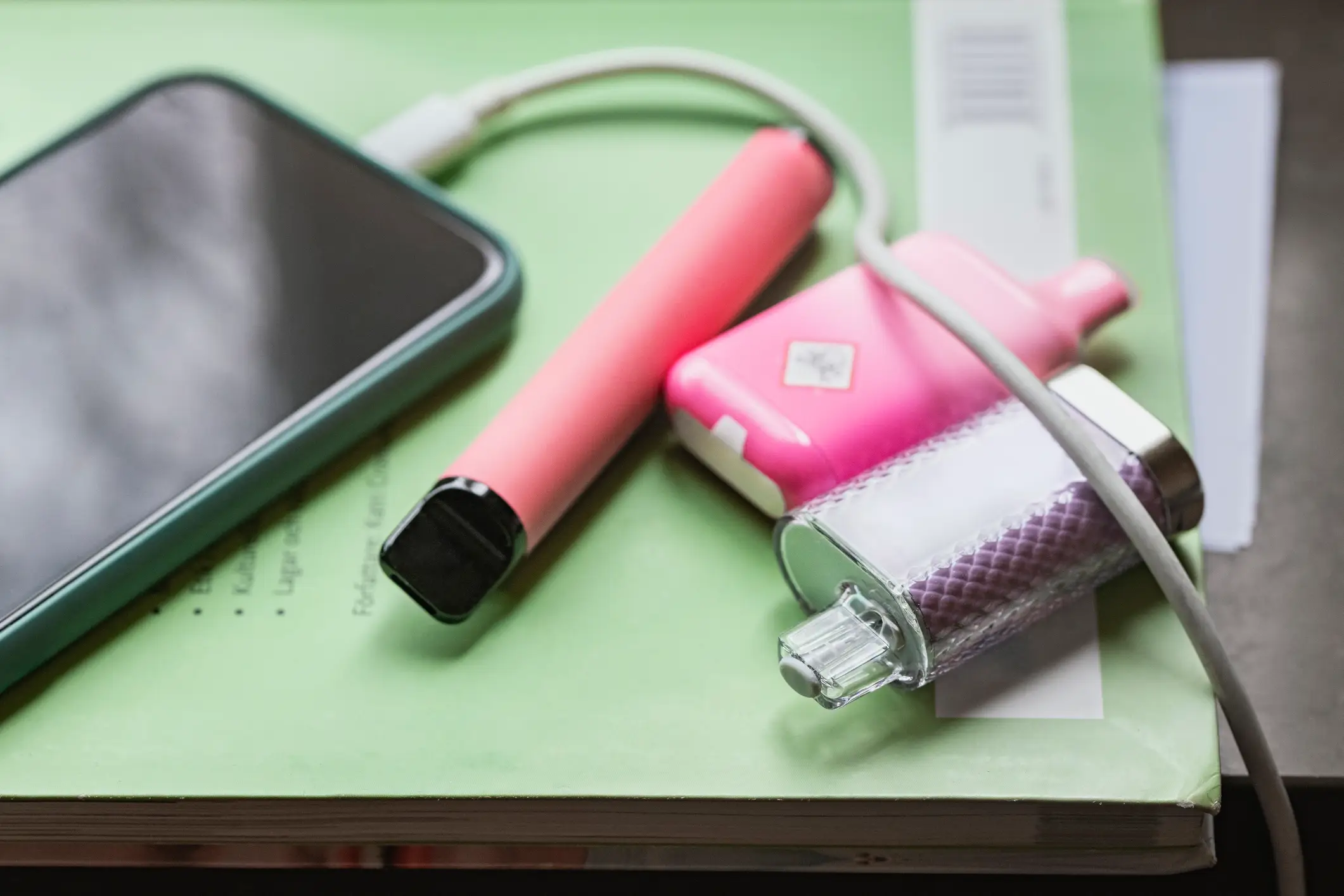
Usage of vapes and e-cigarettes has exploded in the past decade as younger people picked up the habit as an alternative to smoking. According to one ONS survey, vaping has now overtaken smoking in popularity, with 5.4 million adults using vapes while 4.9 million prefer a traditional cigarette.
However, the research is yet to fully catch up with the trend, meaning that many people are inhaling a substance without a clear idea of the long-term impact it has on their bodies.
According to the latest guidelines from the NHS, vaping is considered a safer alternative for people who already smoke cigarettes. This is because vapes have removed the toxic chemicals found in cigarettes - such as tar, carbon monoxide and arsenic - which have been linked to several health conditions, such as lung cancer, stroke and heart disease.
However, this does not mean that vaping is completely safe, with healthcare guidance stating that people who've never smoked or vaped should not pick it up.
In the study conducted by National Jewish Health, researchers focused on how tissues in the distal lung - the deep, delicate region where oxygen passes into the bloodstream - reacted when exposed to either e-cigarette vapour alone or a combination of e-cigarette vapour and a respiratory virus.
The findings showed that within 24 hours, e-cigarette vapour damaged the protective barrier of the distal lung, triggered cellular stress, impaired cells’ internal process for clearing damaged components, slowed cell growth and repair, and increased cell death.
Signs of lung stress persisted 10 days after just a five-day exposure period ended, the study noted.
Researchers also observed lasting changes in barrier function, tissue remodelling, and Th1 immunity - a branch of the immune system critical to fighting viral infections.
Previous vaping exposure also increased the quantity of SARS-CoV-2 - the virus responsible for Covid-19 and suppressed several antiviral genes following infection.
"The findings, which will need to be confirmed in future studies in people, point to biological mechanisms that may help explain why vaping has been linked to lung injury and greater susceptibility to respiratory infections," Petrache added.
 Brenna Cooper