Energy bills are rising by 26% in January: here’s what it means for renters, flatshares and young families

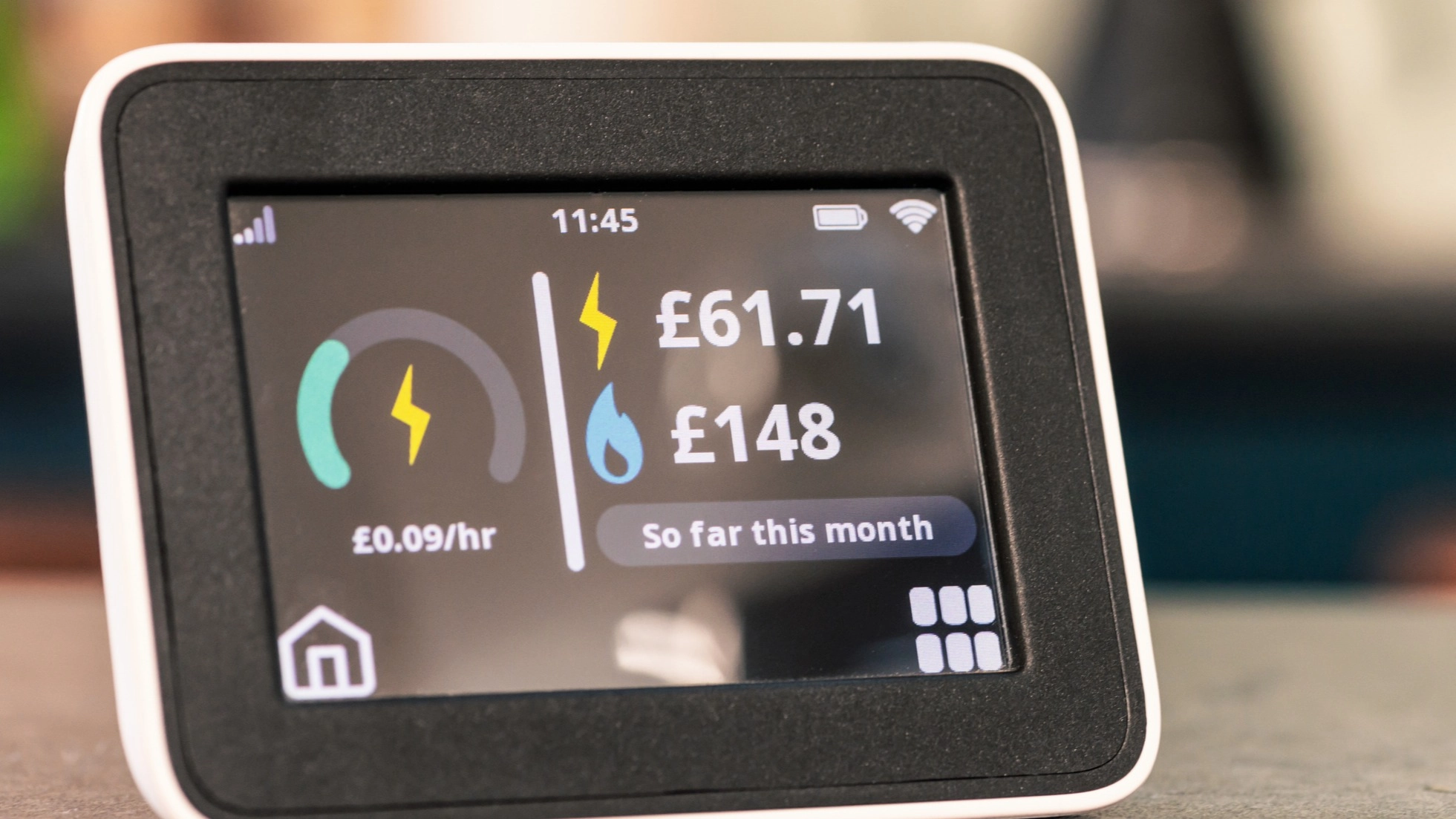
The average UK household faces energy bills of over £2,000 a year as the energy price cap will rise by 26 percent from 1 January, representing the third consecutive rise in costs.
At the moment the average home in the UK would pay £1,723 a year on energy bills if the price cap stayed where it is, but it moves up and down every three months and right now we're on a run of increases with a four percent increase in October and a 13 percent increase in July.
Ofgem have announced the 26 percent rise starting in the new year and running through to the end of March, which would increase the average price for a dual fuel household using electricity and gas by £443 to an annual cost of £2,166.
This only applies to those living on a standard variable tariff and won't impact those who pay a fixed rate, and the actual figure you'd pay will depend on your energy usage, where you live and how you pay.
Advert

Ofgem has various tables for you to see exactly how your bills are going up, but to illustrate an example if you're on a direct debit single rate then the average daily standing charge for electricity will be 54.77p a day, those in Merseyside and North Wales will pay the most at 67.59p per day while London is on the lowest at 42.88p per day.
Meanwhile, you'll pay on average 32.69p per kilowatt hour (kWh) of electricity, but again Merseyside and North Wales pays the most at 34.44p per kWh, while the East Midlands have the lowest rate at 31.65p.
Martin Lewis has crunched the numbers for his Money Saving Expert site and found that over the three months the 26 percent increase will dictate the price cap Ofgem's typical UK household will be paying an extra £57 a month.
What it means for renters
Not everyone who lives in a household is directly responsible for sorting out the energy bills, for some renters the cost of their bills is still included within the rent to their landlord.
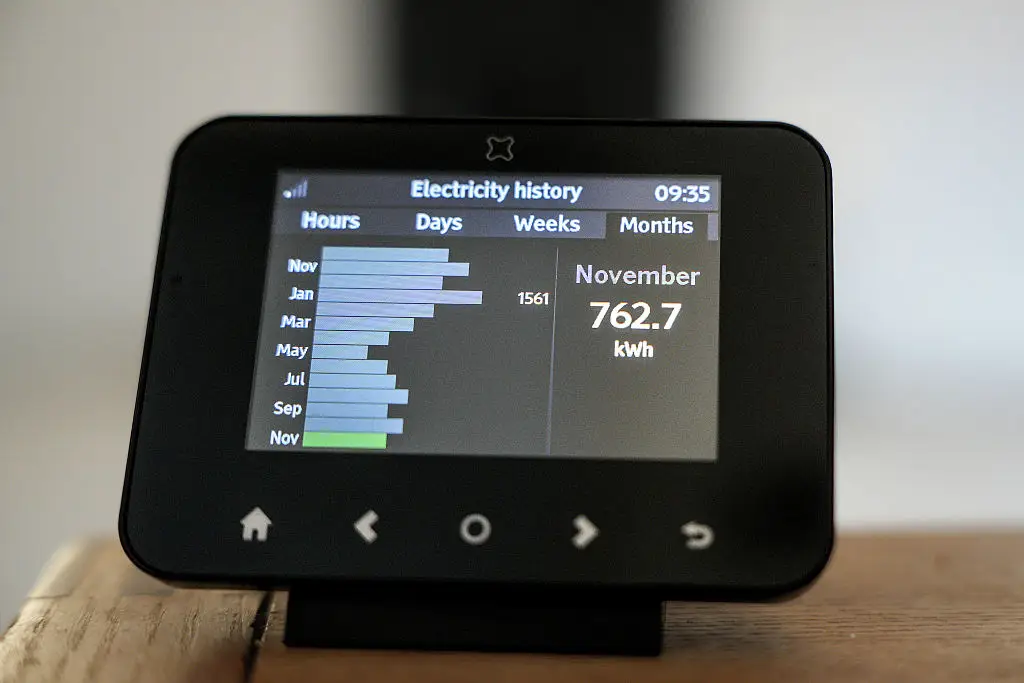
That's just how much they're personally paying, not how much the property's electricity bill is.
With the Renter's Rights Act kicking in landlords are only allowed to put the rent up once per year and must give two month's written notice, so renters on a bills included deal will get plenty of advance warning if they'll have to pay more.
A rent increase also can't be done within the first 12 months of a new tenancy.
If you're renting and want to know exactly where you stand then the first thing to do is read your tenancy agreement which should outline who pays the energy bills for the home.
Renters who directly pay for the energy bills have the right to switch suppliers, and if you're in a flatshare you should be having that conversation with those you're living with about what to do.
20 million households to receive £100 help
Some help is on the way, Brits don't pay VAT on electricity bills which started back on 1 October and will run through to 30 June next year.
Around 20 million households will also receive £100, as long as they're in Council Tax bands A through to D.
The government has a tool you can use to check which Council Tax band you're in, and there are ways you can try to challenge and change it if you believe your home is in the wrong one.
Of these 20 million homes, around 13 million will receive the £100 automatically as they pay by direct debit and won't need to do anything.
Other households will be contacted by their council to be asked whether they want their £100 by bank transfer or would prefer it was added to their Council Tax account as credit.
Payments will start being made on 4 January and the scheme will stay open until the end of May.
What to do before January
Unfortunately it sounds like a number of Brits are planning on cutting down on Christmas to absorb rising energy costs, with research from MoneySuperMarket finding that 32 percent are preparing to trim down non-essential spending.
Going out for the holidays, the Christmas dinner, presents and travelling to see loved ones are all places Brits are looking at scaling back so there's money to go on rising bills.
As for keeping those bills as low as possible, Martin Lewis' team have found that the current cheapest fixed rate tariff, which won't be affected by the price cap rise, is two percent higher than the current cap but will be significantly cheaper than the bills in January.
Shop around for some fixed rate deals which might mean you pay slightly more in December but a lot less from January through to March next year.
If you're already on a tariff then check when it ends and what time you'll need to be looking for more deals, and if you're struggling to pay your bills there is support Ofgem has information on where you can go for help.
Topics: Money, LADwallet, UK News, Cost of Living
 Joe Harker