Expert warns of worrying problem with emergency plans if UK suffers 'black sky event'

An expert has warned of the worrying problems with the UK's current emergency contingency plans amid growing fears of the nation being cut off and plunged into darkness in a 'black sky event'.
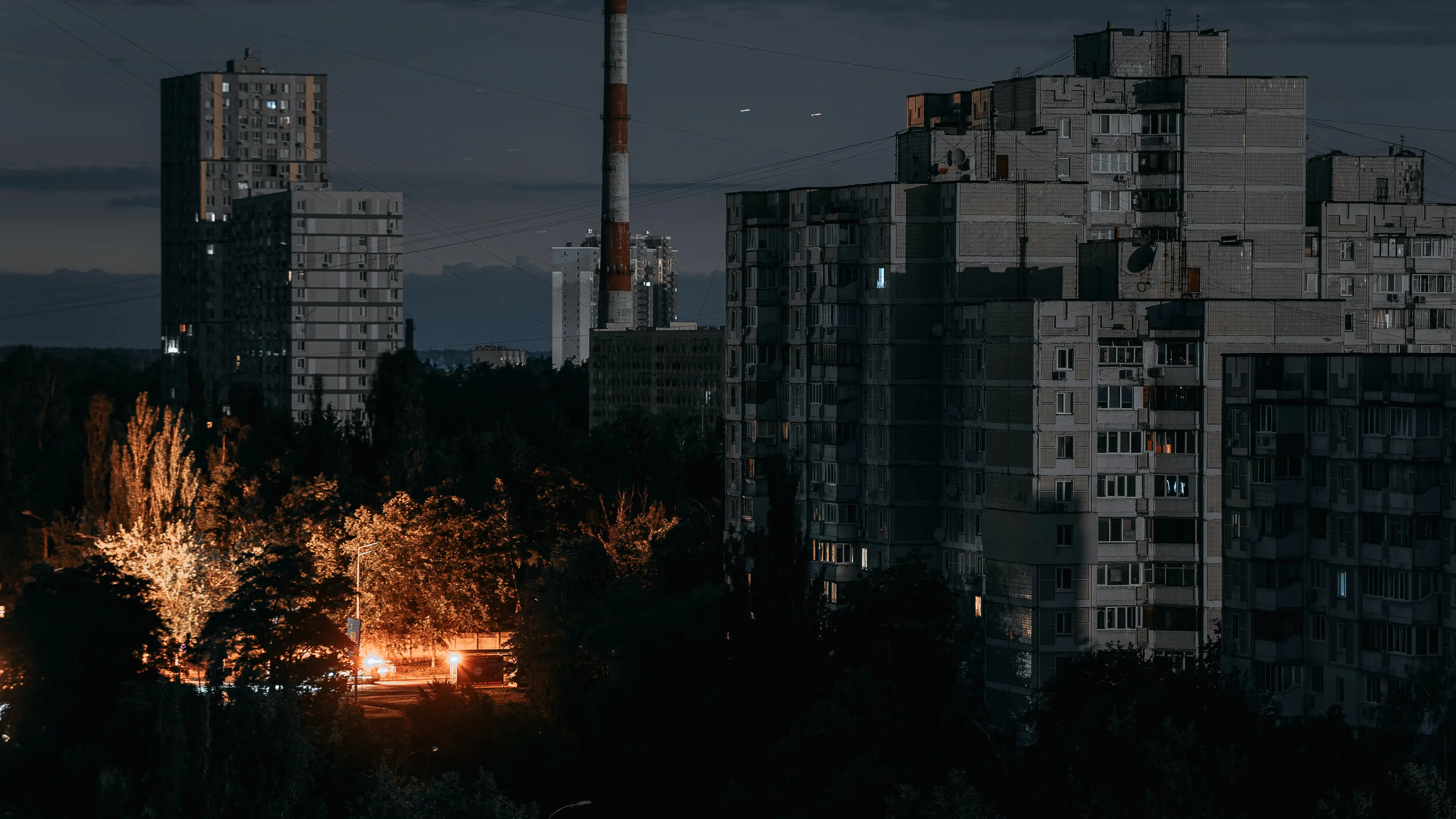
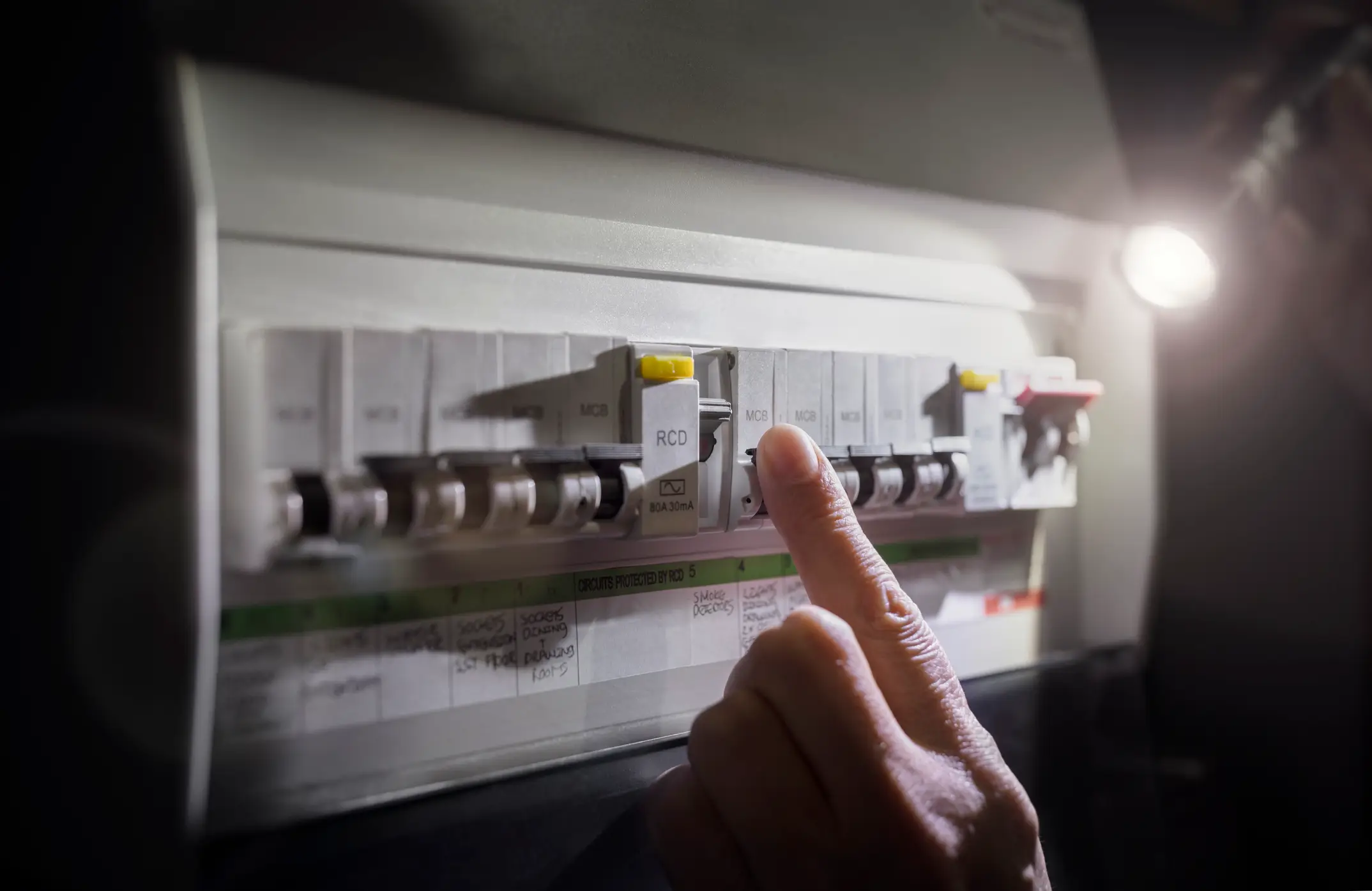
Although the realistic chance is still considered to be rare, Brits could face outages to major infrastructure and critical services including internet and mobile connectivity, as well as heating and lighting, water supplies, shops and payment systems and transport if the country fell into darkness.
A 'black sky' event defines a catastrophic scenario in which the national electricity grid suffers a complete and prolonged outage across the UK.
But recent fears about threats to vital infrastructure from the likes of Russia and Iran have been revealed in a raw resilience committee report, which stated clearly that the UK is 'dangerously underprepared' for crisis.
Advert
It also revealed how Brits are being kept in dark over threats from the likes of Russia and Iran, and that leaders had to 'move fast' in order to 'turn things around'.
The potential concept of a 'black sky event' has gained significant attention in recent weeks amid growing fears of cyber-hacking and stockpiling warnings. Other experts have warned of one particular item everybody needs to be able to maintain updates with what's going on in the outside world should other methods of communication fail.
It follows a resilience summit in which UK's ability to withstand a grid failure for a minimum of 72 hours was assessed with Brits given advice on ways to be able to cope with the potential of major power outages or cyber attacks.
UK infrastructure is 'vulnerable to power outages'
The recent resilience report raised particular concern with the UK's methods of communication in the event of a crisis and said that national resilience relies too heavily on digital communications, which could fail and are more vulnerable to the likes of power outages.
It was already revealed that the BBC and Government have announcement protocols in place to ensure that emergency messages can still be broadcast out.
At the BBC, this reportedly includes around 100 people being involved in a 'special emergency radio studio' using FM and back-up generators.
The report claimed: "National resilience is heavily reliant on digital communication, but the supporting infrastructure remains vulnerable to power outages and/or damage to subsea cables.
"Existing mitigations are not yet sufficiently rigorous or enduring to guarantee communications through prolonged disruption.
"Older technologies also remain important where digital communications fail, making the Government’s dependence on digital systems without comprehensive back-up arrangements a significant resilience weakness."
It recommended that the Government develops a response plan in the event of a widespread national power outage, interference, or subsea cable disruption, setting out 'plans for the deployment of resilient back-up communications across different scenarios'.
It went on to suggest the Government abandons the plan to switch off Digital Terrestrial Television, which risks weakening national resilience 'by reducing universal access to communication'.
It follows the UK switching off legacy PSTN and ISDN landline phone networks at the end of January next year due to aging copper infrastructure and rising fault rates.

Expert reveals flaws with emergency system
Speaking to LADbible, telecommunications and data expert and CEO Andrew White has explained the flaws with the current system, explaining that there are other communication routes the UK Government could take but that steps to take in the event of a power outage need to be communicated now.
In the event of a total blackout, phone signals, home broadband and WiFi connections would not be possible, meaning other methods of communication have to be followed.
"A blackout is the one emergency where the usual ways of reaching the public stop working," White explained.
"Home broadband routers go off when the power does. And once the old copper telephone network is switched off, a digital landline also depends on that router, unless it has a battery back-up.
"So much of the communication has to happen before the event, as well as during it.
"I would suggest three things. Firstly, tell people now what to do in a prolonged blackout: where to listen, where to go and what to expect. Then nobody depends on receiving instructions at the moment they are hardest to deliver.
"Secondly, treat each route to the public as a chain, from control room to transmitter or mast to the listener, and describe every link in that chain in a common way. I use four tests: Power, Path, Protection and Proof. Thirdly, test the whole chain end to end, regularly, and act on what fails.
"[In the UK] there is no common, standardised way to describe how resilient a communications link actually is.
"Service level agreements tell you what you will be paid when a link fails. They do not tell you how long it will run on batteries, or whether its ‘back-up’ route shares the same duct or the same power supply.
"Many mobile sites have back-up power measured in hours rather than days. So resilience today is patchy and, more importantly, largely unmeasured."
Emergency communication options in event of blackout
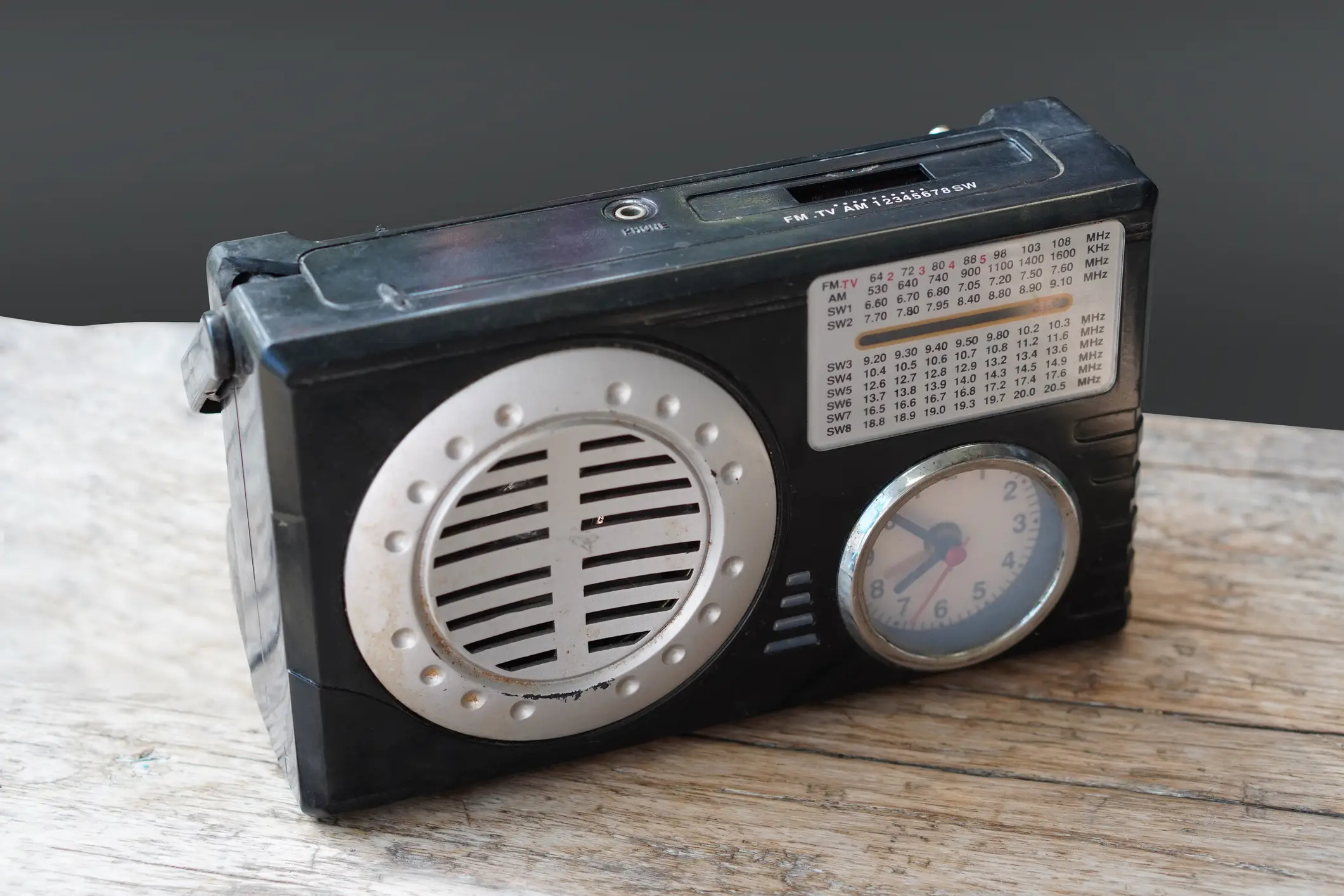
Andrew White went on to explain what emergency communication options there are in the event of a major blackout. The option of a battery powered or wind-up FM radio for mass updates is still considered the most reliable choice.
"Broadcast radio remains the most robust option. One transmitter covers a whole region, and battery, wind-up and car radios need no mains power," he explained. "Car radios are often overlooked. There are millions of them, each with its own battery.
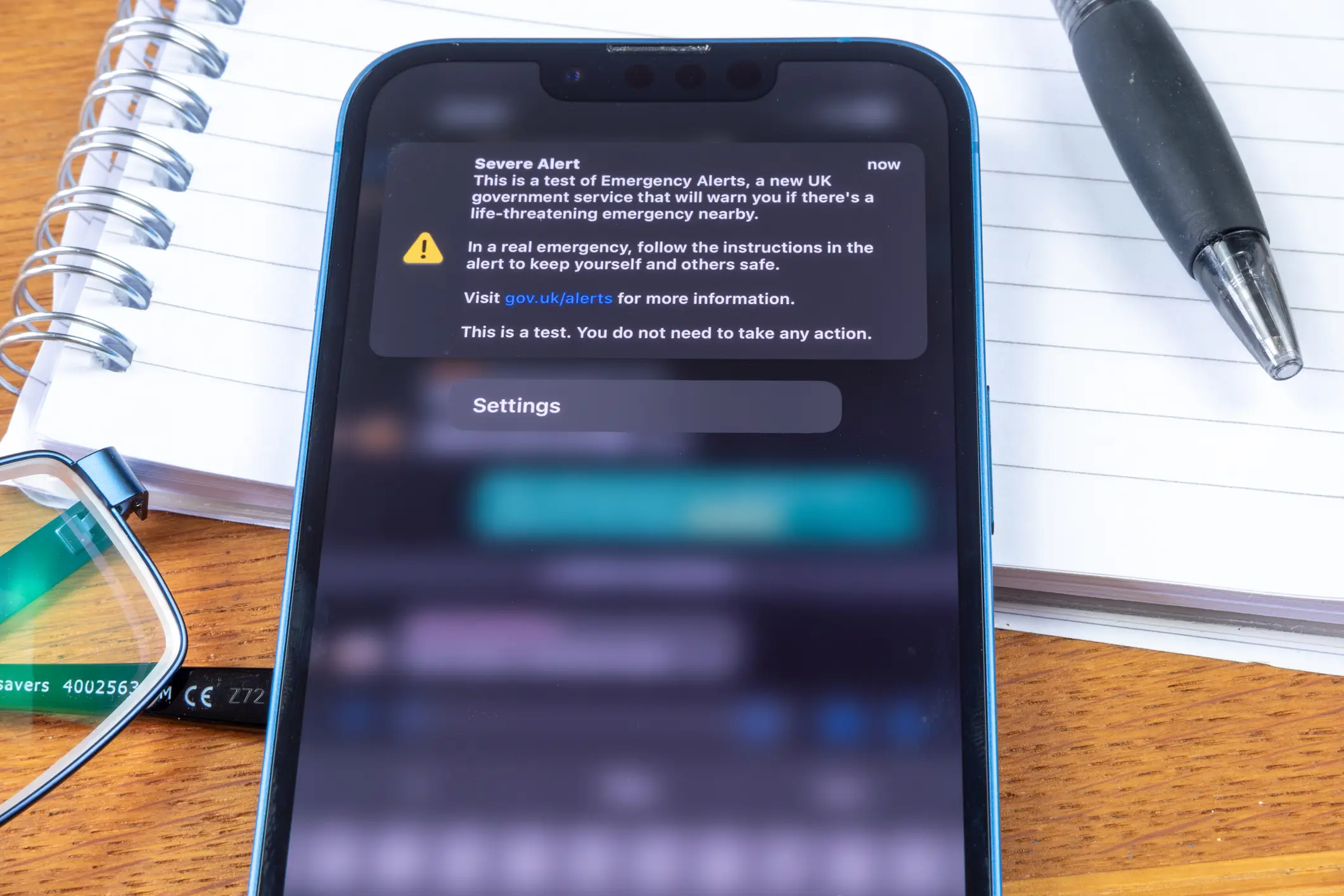
"Emergency Alerts to mobile phones will reach people as long as nearby masts still have power. Customers of a failed mobile network can also be allowed to roam onto whichever network survives.
"I have seen this work in practice. But it has to be agreed and tested in advance, because the surviving network can be overloaded.
"On terrestrial television, keeping a broadcast route that does not depend on the internet has real value in a cyber attack or a subsea cable failure.
"But in a power cut, a mains-powered television does not help. In a blackout, radio does the heavy lifting."
Brits have already been issued with repeated warnings about preparing for at least three days, which involve stockpiling essential items like non perishable food and water to cope in a crisis situation.
One particularly striking statistic highlighted revealed that there are already more than 90,000 attempted cyber-attacks against the UK's defence system every year. Recovery from cyber-attacks alone already costs the UK £14.7 billion a year.
A Cabinet Office spokesperson said: "We thank the Committee for their report, which we will carefully review. It highlights the need for action across government and society to boost our collective resilience - closely involving local, regional and national bodies. That is exactly what this government is doing," the statement read.

"From launching a national campaign to raise awareness of the simple steps households can take to stay safe in everyday emergencies, to delivering the largest home defence exercise in recent history next year, and investing over £1 billion in pandemic security - our work on resilience goes further than successive governments have ever gone before.
"However, we know there is still more work to do to make the UK the most resilient country we can be, including working with and learning from our allies. This was top of the Security Minister's agenda when he met some of the UK's closest allies aboard HMS Prince of Wales in Oslo this month."
Topics: UK News, Originals, Technology
 James Holt