Sainsbury's announce major change to tomatoes, cucumbers and peppers amid UK drought

Earlier this week, British supermarket chain Sainsbury’s announced major ‘long-term agreements’ set to impact year-round availability of tomatoes, peppers, and cucumbers across the country amid drought risk. Here’s everything you need to know.
Sainsbury’s has found itself in and out of the headlines lately, what with the news that shoppers would be prosecuted for swapping eggs, a woman was recently banned for allegedly being rude to staff, and the decision for white eggs to take precedence over brown.
On 23 July, one of the so-called ‘GOATs’ of UK supermarkets announced a ground-breaking 10-year partnership with Evesham Vale Growers and Thanet Earth, designed to ‘improve resilience’ in the salad category, which has been ‘historically impacted by weather-based shocks’, as per a notice.
Through its new partnership and agreement with the latter, Sainsbury’s is ‘helping to unlock a new opportunity for British cucumbers’ by expanding availability beyond the summer season into the winter months for the first time.
Advert
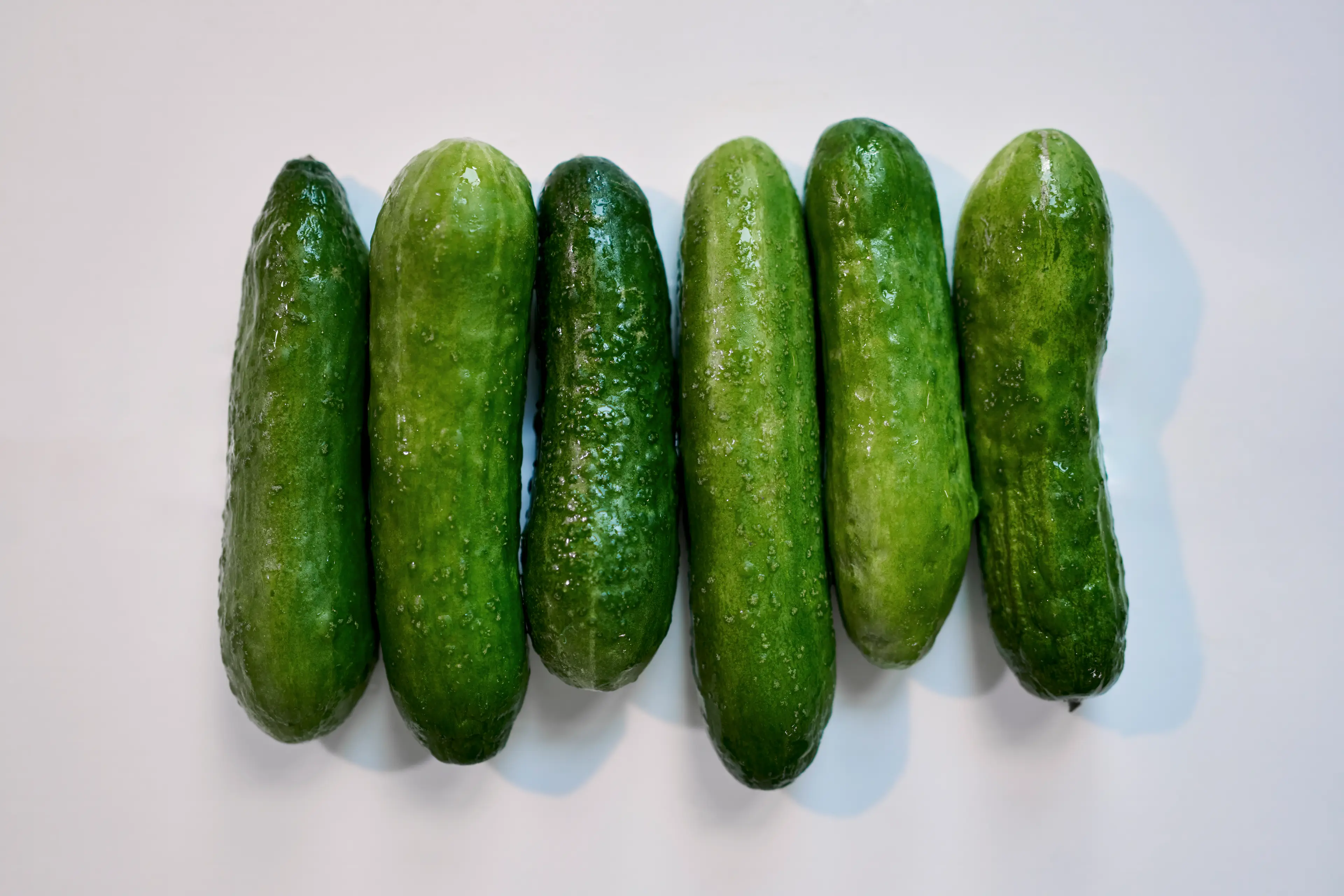
According to the brand, this has helped to ‘secure British-grown produce at a time when the category has traditionally relied more heavily on imports’.
With the agreement, Sainsbury’s plans to increase the volume of British-grown whole cucumbers on its shelves up to 60 percent this winter.
The cucumbers will be grown at Thanet Earth in Kent, the UK’s largest single-site glasshouse complex.
As per the notice, the farm uses supplementary lighting, heat, and CO₂ to carefully manage and create the conditions cucumber plants need to keep growing through the darkest months of the year.
Rob James, Technical Director at Thanet Earth commented: “Working with Sainsbury’s in this way means we can plan ahead with more certainty and keep pushing what’s possible for British growing.
“A good example is our investment in the technology needed to grow cucumbers through the winter, creating the right conditions for the crop and helping bring more British-grown produce to customers at a time of year when that has not previously been possible.”
Sainsbury’s also plans to build on the demand for British tomatoes by continuing its support of British Tomato Fortnight and Eveshame Vale Growers.
“Our long-standing partnership with Sainsbury’s is built on a shared commitment of growing and delivering great-quality tomatoes for its customers,” said Paul Faulkner, director at Evesham Vale Growers
“Having the confidence and certainty that comes with a long-term agreement allows us to look ahead to the future and invest in our business, build on the number of British grown tomatoes already on Sainsbury’s shelves, extend availability and ensure customers can enjoy more British-grown produce.”
The new agreements, among the longest in the industry, will give British growers the certainty they need to invest for the long term, as per the report.
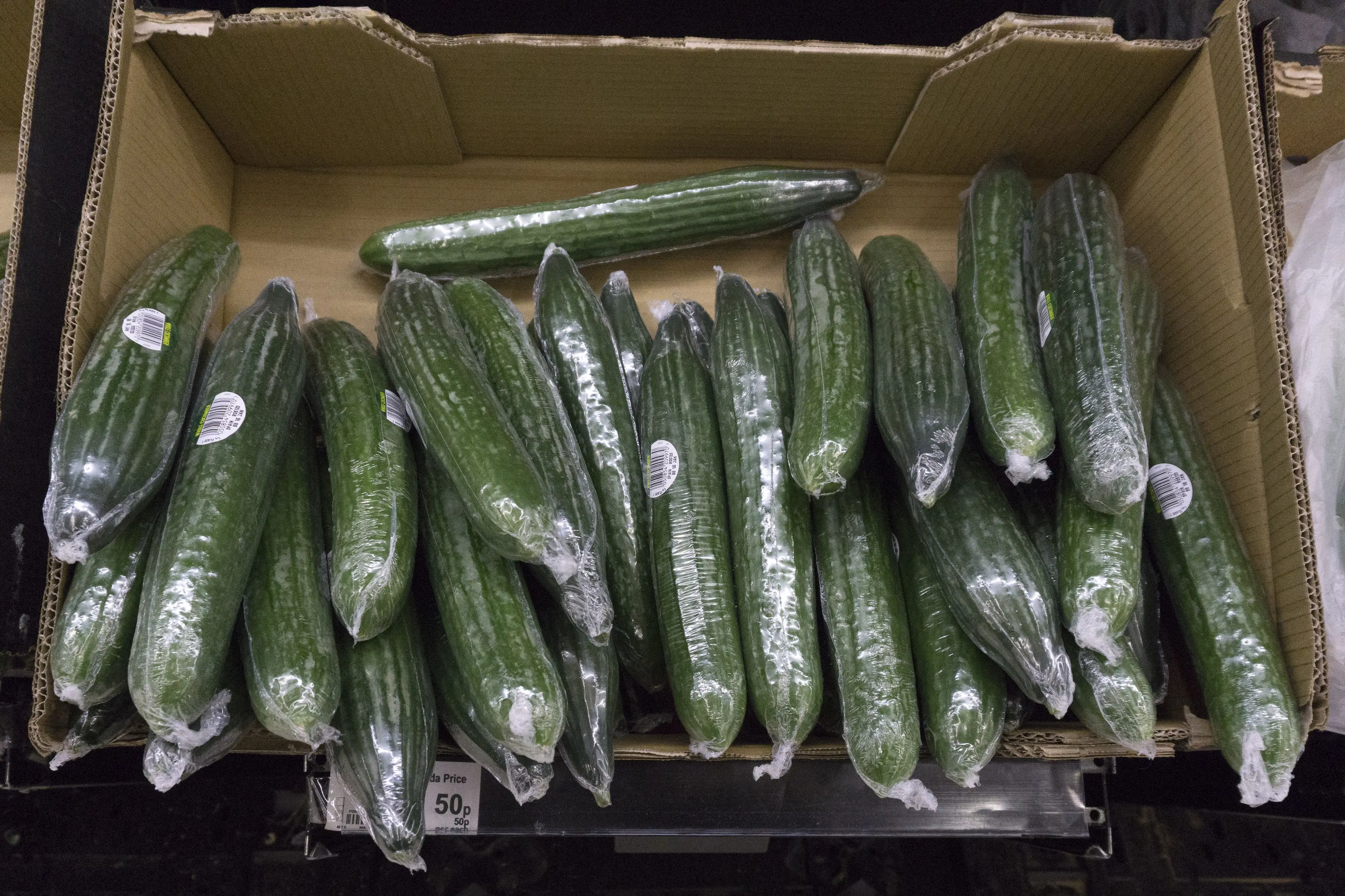
Sainsbury’s new partnership agreement comes more than three years after supermarkets imposed limits of three on packs of tomatoes - as well as cucumbers, peppers, lettuce, salad bags and some vegetables - after a combination of bad weather and related transport problems in North Africa and Europe led to widespread shortages on UK shelves, as per Worcester News.
Regarding the decision, Hannah O’Reilly, category director of produce at Sainsbury’s, added: "With our changing weather, it’s more important than ever to find new, innovative solutions to make sure our customers can continue to enjoy the quality produce they want all year-round.
“Investing in more British production and supporting our suppliers to innovate is helping us build a stronger, more resilient supply chain in a category that has been impacted by weather-based shocks in recent years.
“By giving our brilliant British growers the certainty to invest and innovate through long-term contracts such as these with Thanet Earth and Evesham Vale Growers will help us to continue to support British farming for years to come.”
Drought declared in the UK
The Sainsbury’s salad news comes amid the first parts of the UK officially declaring drought.
North Wales and the Upper Severn announced the change in status earlier this week, as reported by Natural Resources Wales (NRW).
The decision to declare drought comes after extended periods of hot and dry weather, with July on track to become the driest in almost 190 years.
Areas affected by the drought status declaration include North Gwynedd, Ynys Mon, South Gwynedd, Dee (Wales), Clwyd, and Upper Severn, as per Sky News.
Rhian Thomas, sustainable water and nature manager at NRW, said: "The prolonged period of hot, dry weather we have experienced this summer is now having serious impacts on the environment across parts of Wales.
"We have seen rivers fall to exceptionally low levels, groundwater continuing to decline, and increasing reports of environmental impacts affecting wildlife, fisheries, farming and sensitive habitats.
"The recent wildfires across North Wales and South East Wales are one of the clearest and most visible signs of how dry our landscapes have become.
"While drought status does not automatically mean water shortages for customers, it does reflect the growing pressure being placed on our environment."
Topics: Money, Sainsbury's, Food And Drink, Weather
 Ella Scott