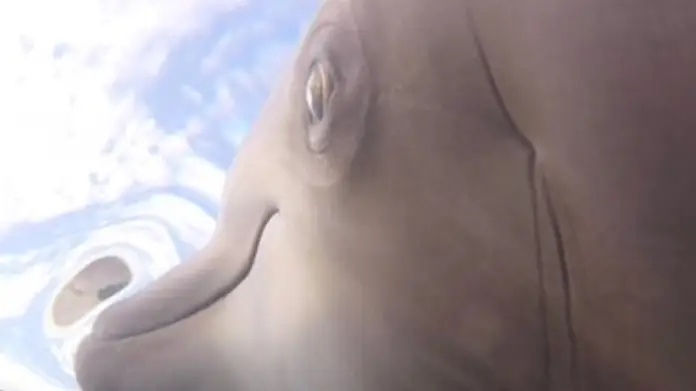
Scientists attached GoPro to dolphins in wild and proved they aren’t as cute as we think

Don't be deceived by their appearance - although dolphins are adorable, the aquatic mammals also have quite a dark side.
And after watching this footage of what they get up to when no one is around, it might make you think twice about approaching one in the wild.
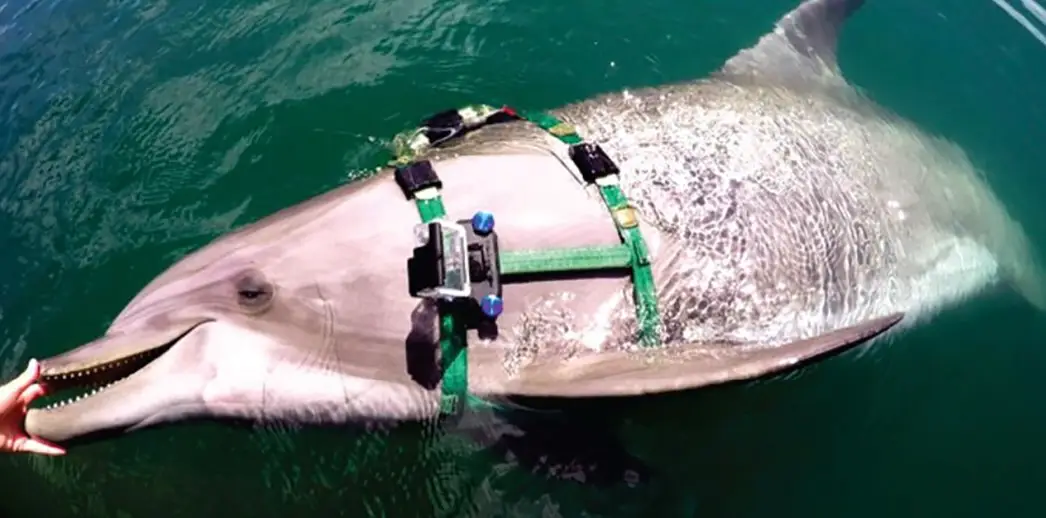
Scientists in the US strapped GoPro cameras to half a dozen bottlenose dolphins who were swimming freely to observe how they behave while trying to find their lunch.
These six mammals weren't just your run-of-the-mill dolphins, though, as they were actually trained by the US Navy to locate and mark underwater mines.
Advert
Kitting these lot out with camera equipment allowed researchers to gain some incredible insight into how they 'swam, searched, pursued, captured and eat' their prey for the first time.
The lead author of the 2022 study, the late Sam Ridgway, spearheaded the Marine Mammal Program in the Navy and was dubbed the 'father of marine mammal medicine' because of his extraordinary work in the field.
Before his death three years ago, the so-called 'Dolphin Doctor' shared the remarkable findings his team made while reviewing the GoPro footage of the creatures finding their next meals. Take a look at the footage here:
Between the six of them, they managed to consume hundreds of fish while out for a swim, as well as some other bizarre cuisine - venomous sea snakes - but it was the way they did it which really wowed the experts.
Audio captured by Ridgway and his team found that the dolphins would pinpoint their prey with sonar clicks, before letting out squeals of victory when they finally got something in their mouth.
Scientists previously thought that when dining on the ocean's offerings, dolphins would rush towards their target in an approach known as 'ram raiding', before gobbling them up.
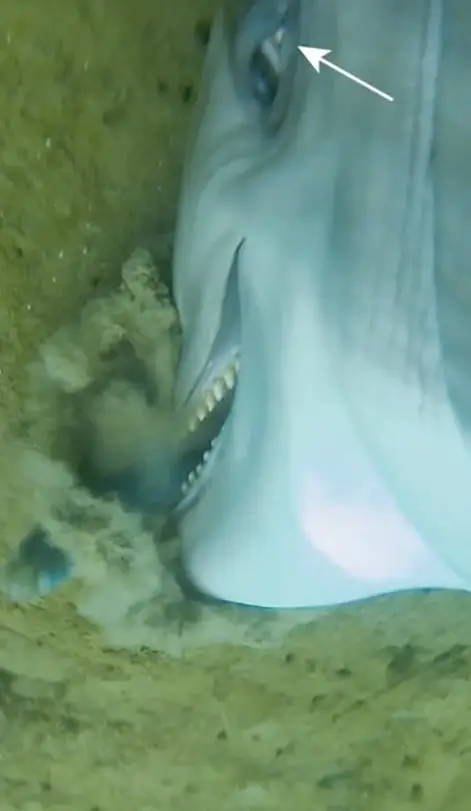
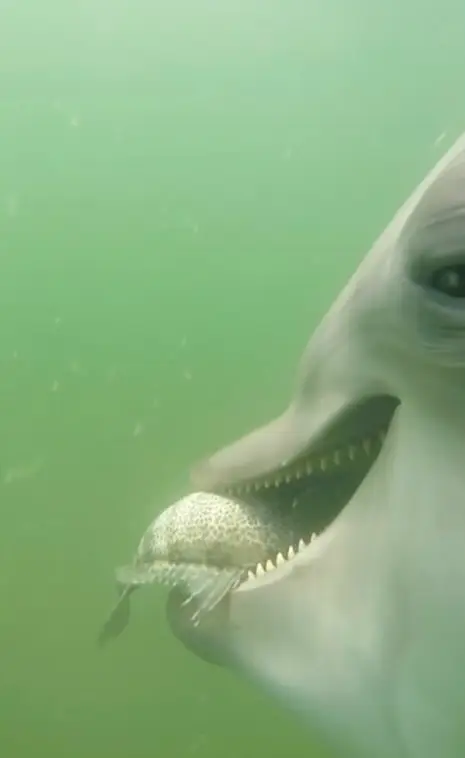
But the GoPro footage showed that these bottlenose dolphins actually used suction to get a meal into their mouth. They're able to do this by expanding their throats and flaring their lips. Clever b***ards.
This part of the footage is the bit which might ruin the illusion of them being extremely cute, though, as watching them gleefully suck up fish is a little bit unnerving to say the least.
What really shocked the scientists was how easily one of the dolphins put away eight yellow-bellied sea snakes, which are described as 'highly venomous, but also unpleasant and possibly even toxic to ingest' by the Australian Museum.
After pouncing on the sea snake, the footage shows how the dolphin triumphantly jerked its head before letting out a high-pitched 'victory squeal'.
Despite the risks that come with devouring one of these creatures, the dolphin showed no signs of illness after its dangerous dinner, the experts said.
Detailing the sounds that the dolphins made as well as their behaviour as they approached prey, the researchers wrote: "Searching dolphins clicked at intervals of 20 to 50 ms.
"On approaching prey, click intervals shorten into a terminal buzz and then a squeal. Squeals were bursts of clicks that varied in duration, peak frequency, and amplitude.
"Squeals continued as the dolphin seized, manipulated and swallowed the prey. If fish escaped, the dolphin continued the chase and sonar clicks were heard less often than the continuous terminal buzz and squeal.
"During captures, the dolphins’ lips flared to reveal nearly all of the teeth. The throat expanded outward.
"Fish continued escape swimming even as they entered the dolphins’ mouth, yet the dolphin appeared to suck the fish right down."
After watching the footage, a host of Reddit users admitted they wouldn't want to bump into a dolphin down a dark alley anytime soon.
One said: "Dolphins aren't to be trifled with."
Another added: "Freaking dolphins. Second biggest bastards of the mammal world."
And a third remarked: "Everything seems to emit a triumphant squeal when they catch their prey."
Similarly, scientists were left stunned by the footage they obtained after strapping cameras to polar bears.
 Olivia Burke