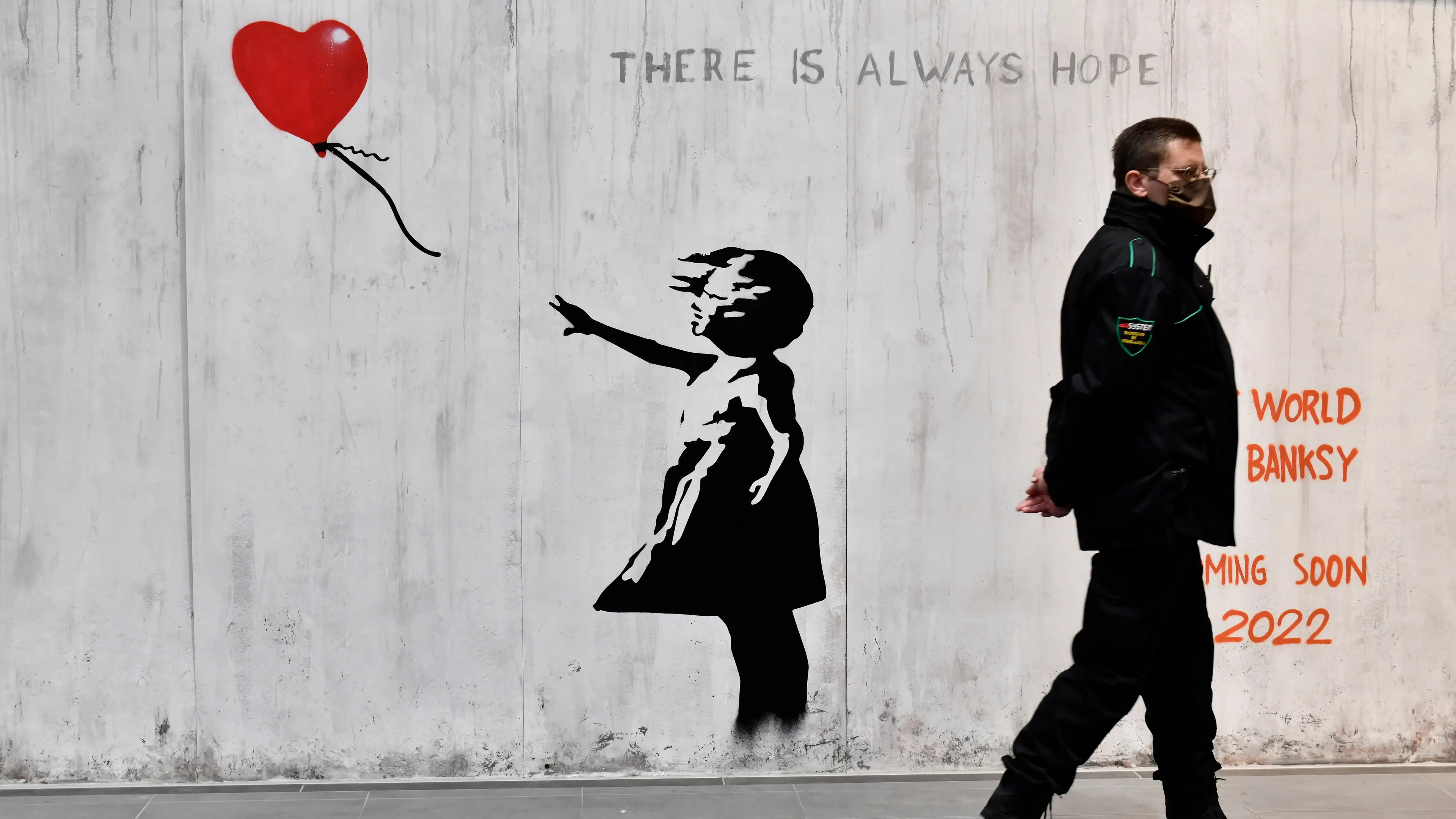
Years-long investigation ‘uncovers’ Banksy's identity as his lawyer responds

When we think of the great names in art, we no doubt look at Vincent Van Gogh, Rembrandt, Michelangelo and all the other ninja turtles as well.
But in terms of more modern times, perhaps the name that gets the most traction at the pub, unless you're specifically meeting to discuss art, is Banksy.
While there's no doubting his ability, the renowned graffiti artist has also indisputably increased his own standing within the art world by keeping his true identity a mystery.
Banksy's former manager Steve Lazarides previously explained: “The anonymity was a big thing, it started off with self-preservation in Bristol. He didn’t want to get caught, he didn’t want to go to jail, fair enough.
Advert
"And then as the years went by and it went on for longer, I think that the anonymity became quite a disease. Everyone has this figure in their mind, they have a folk hero, and it looks different in everybody’s mind. He’s never really got to enjoy the fame he got."
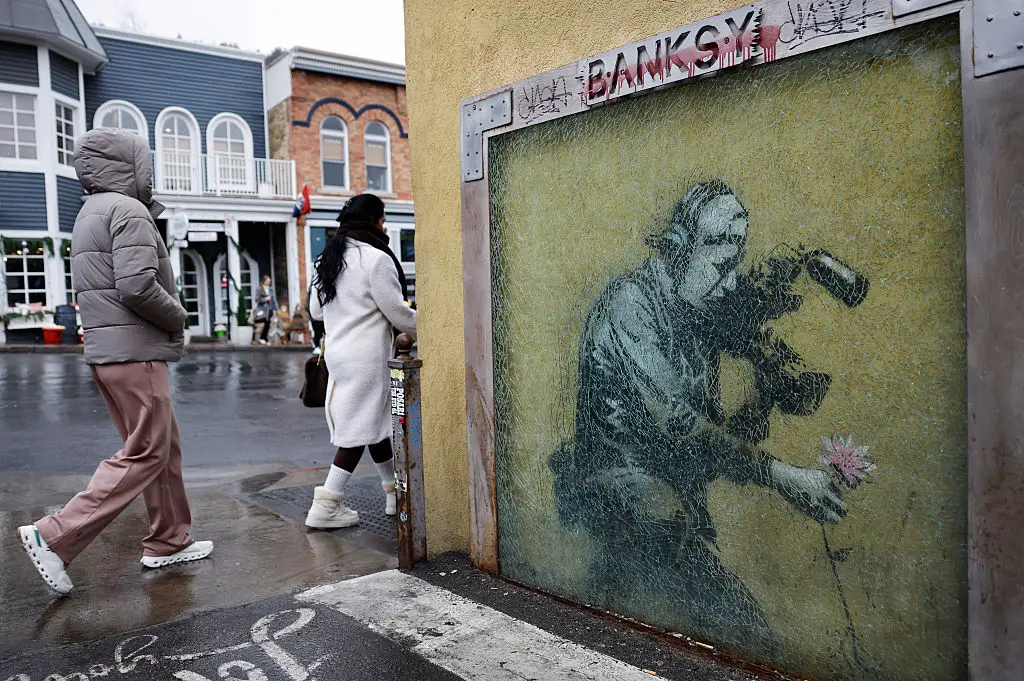
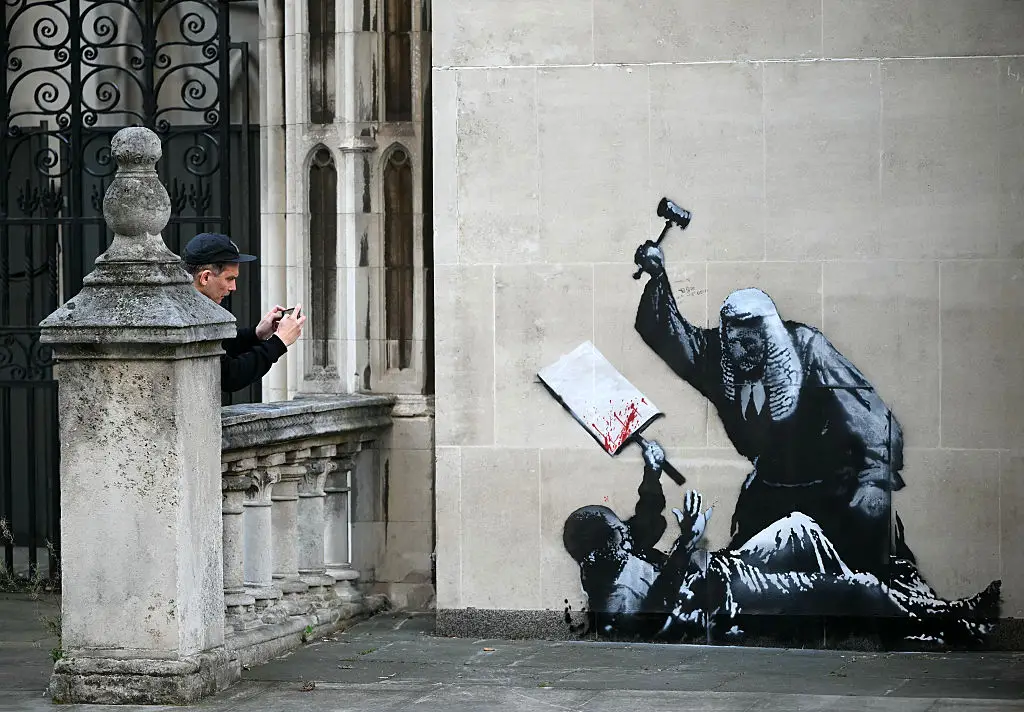
Ever since first appearing in the 1990s, there have been close shaves for Banksy, whether it be TV programmes or even potential court dates, particularly after he did one of his riskiest pieces yet on the side of a court building last year.
But now, following a years-long investigation from Reuters, the news agency thinks they've finally gathered enough evidence to conclusively uncover Banksy's true identity.
After interviewing a dozen Banksy-world insiders and experts, unearthing previously undisclosed U.S. court records and police reports, Reuters suggest that it could only be one man - Robin Gunningham.
Other publications have long suggested that Robin is the man behind the graffiti can, although he did also allegedly change his name to David Jones back in 2007.
However, Banksy's lawyer Mark Stephens has been quick to dispute the claims made by Retuers, and also suggests that it would be a bad thing for not just the artist, but everyone else, if the mystery associated with his name was no more.
He said in a reply to the agency that his client 'does not accept that many of the details contained within [the] enquiry are correct'. He added the findings 'would violate the artist’s privacy, interfere with his art and put him in danger'.
He added: "It protects freedom of expression by allowing creators to speak truth to power without fear of retaliation, censorship or persecution."
For years, Stephens wrote, Banksy has 'been subjected to fixated, threatening and extremist behaviour', while adding that unmasking him would also harm the public.
Working 'anonymously or under a pseudonym serves vital societal interests,' he wrote. "It protects freedom of expression by allowing creators to speak truth to power without fear of retaliation, censorship or persecution – particularly when addressing sensitive issues such as politics, religion or social justice.”
 James Moorhouse