What happened inside notorious scam centres as 11 members of mafia family executed for crimes

Myanmar's notorious scam centres recruited employees with the promise of legitimate jobs.
Instead, they kidnapped and forced staff to work in prison-like conditions with beatings, electric shocks, sleep deprivation and solitary confinement if they didn't hit financial targets.
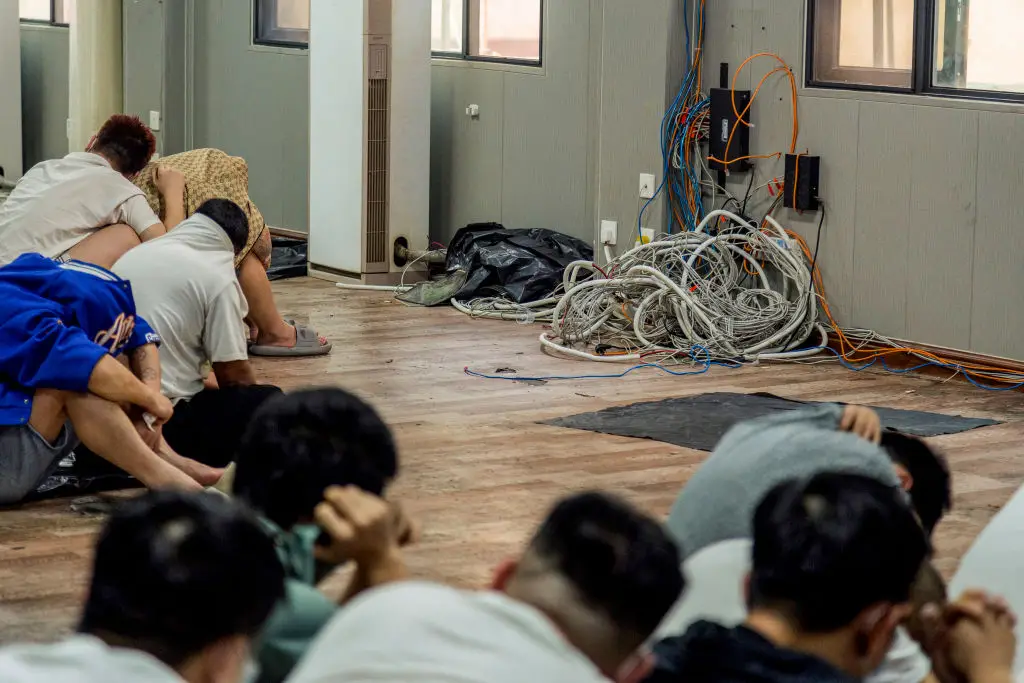
The scheme, along the Myanmar–Thai border, involved up to 100,000 workers and victims from other countries, who were beaten and forced to run online investment and romance scams.
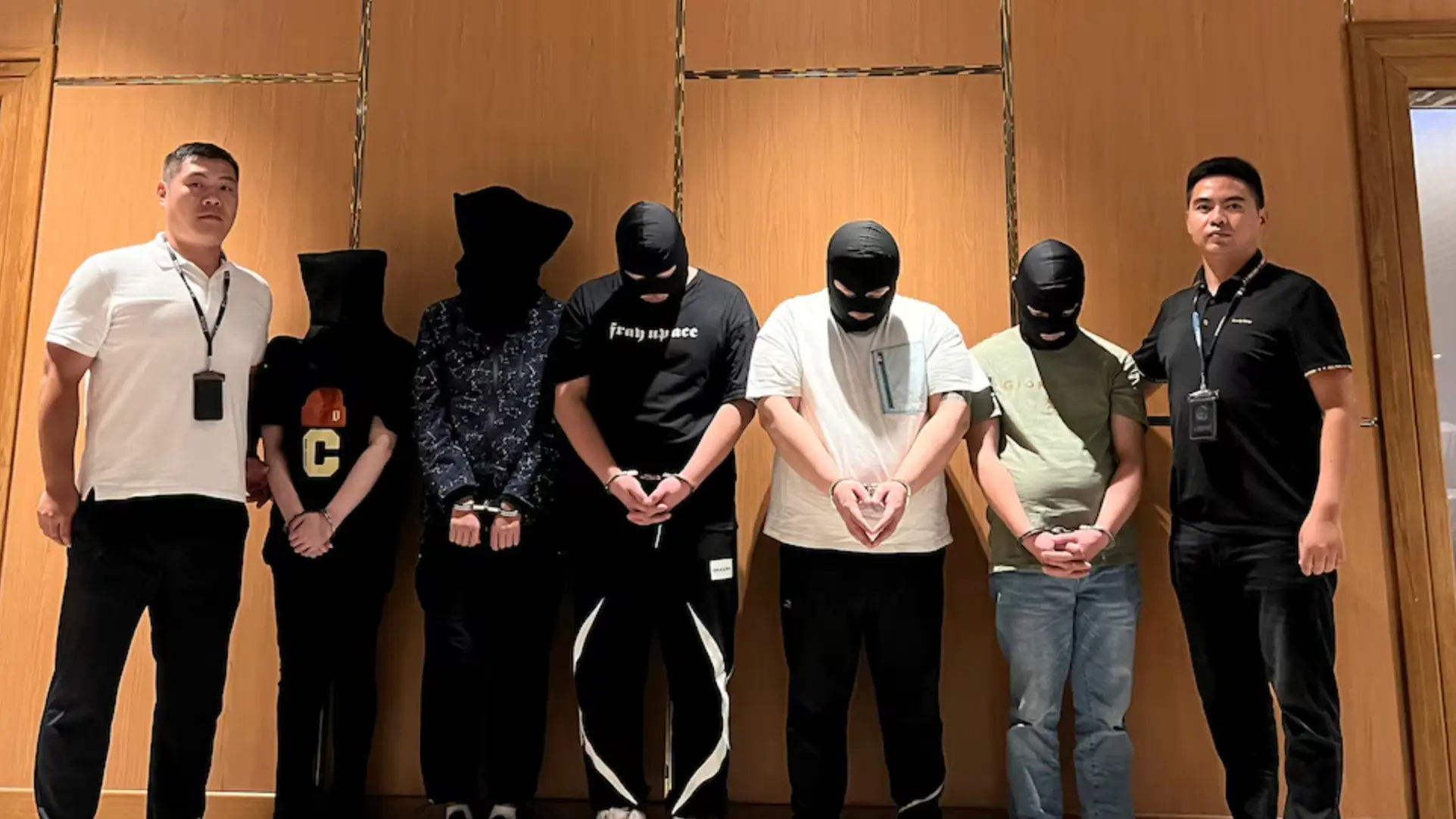
11 members of the Ming family were held accountable for running the $1 billion operation which led to the deaths of 14 Chinese citizens and injuries to several others.
Advert
After they were arrested in 2023, they were extradited to China and were charged with homicide, illegal detention, fraud and operating gambling establishments.
Family members including Ming Guoping, Ming Zhenzhen, Zhou Weichang, Wu Hongming and Luao Jianzhang, were found guilty and handed a death sentence by a court in Zhejiang province.
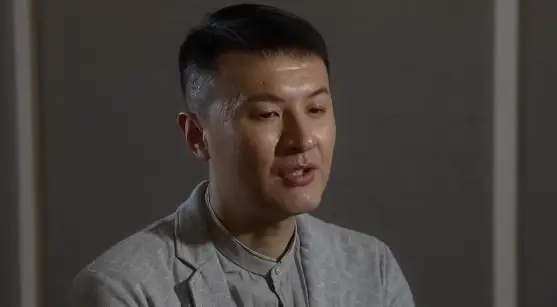
Xu Bochun, a Chinese actor, was kidnapped and forced to work in a scam centre for three months.
He enduring regular beatings and forced labour before his family paid a ransom for his release.
Bochun told The Washington Post that he was offered a 'paid acting gig' and was kidnapped at knifepoint near the China–Myanmar border.
He was marched through the jungle into northern Myanmar’s scam compounds, where traffickers sold him to a criminal cyber-fraud network.
The aspiring actor said there were no toothbrushes or showers and that the mattresses were stained with blood.
“They were training us to obey like slaves,” he added.
Within a week of arriving Bochun said he witnessed four people being shot dead when they tried to grab guns from the guards.
“I don’t know their names, don’t know where they were from, don’t know if they were Chinese, I just know they were cheated into going there,” he said.
“I bet their families don’t even know they were in Myanmar, don’t know that they died.”
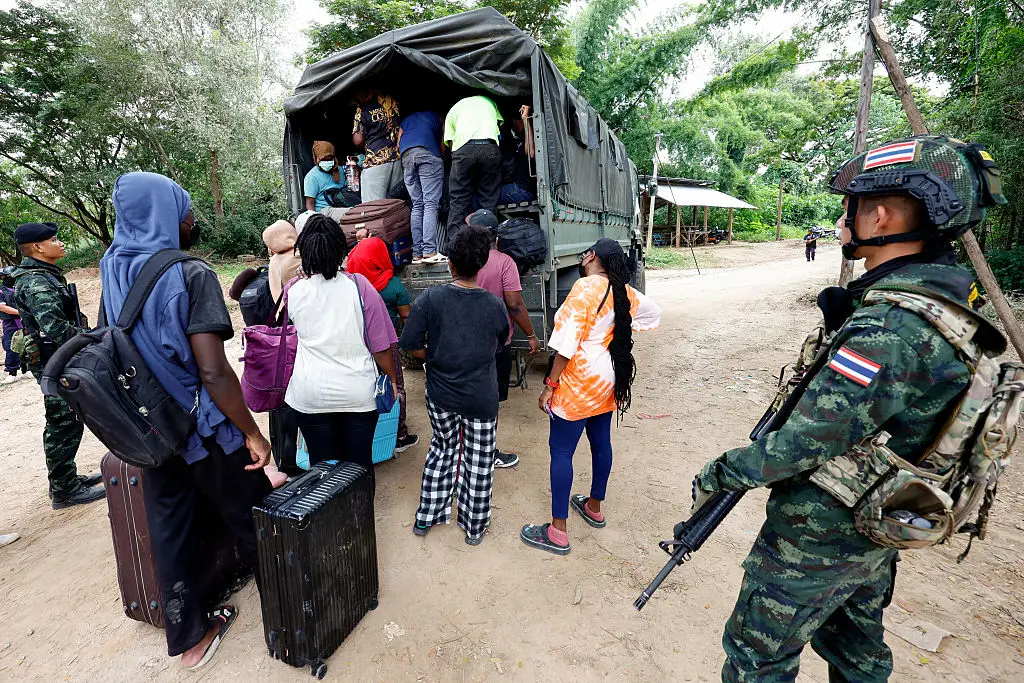
“The whole way we were yelling to sound the alarm, calling ‘save us.’ They understood too. They’d say ‘Chinese?’ But nobody cared,” he said of the guards at the border.
“They only recognised money, not people. It was a lawless place.”
The traffickers robbed them at the border by forcing them to unlock accounts on WeChat Pay and Alipay to transfer cash out.
They would then use and monitor the apps to obtain personal loans to ensure a steady supply of money.
Bochun and others were held under coercive, violent conditions until his family paid a ransom for his release in October 2023.
 Anish Vij