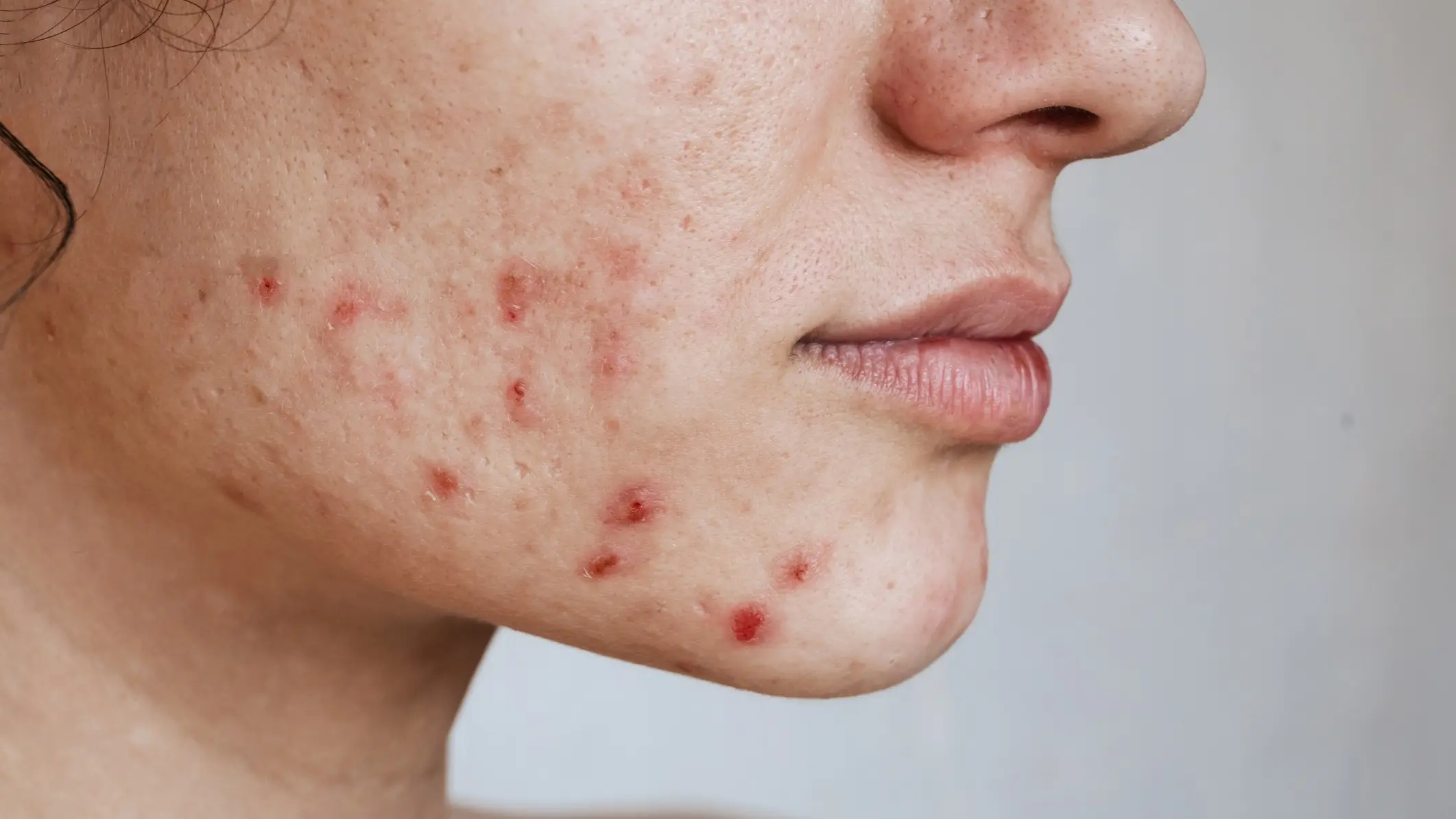
Skin expert explains huge rise of adults getting acne in their twenties

Nearly a third of acne prescriptions are now being given to adults, according to recent data.
Most of us will likely remember the stress of waking up before school and finding an eruption of pimples across our foreheads, only for our parents to promise us that it was only temporary and that we'd be acne-free by the time we reached adulthood.
Advice, which of course turned out to be a complete lie.
The good news is that twenty-somethings waking up with spots aren't alone, as data from Boots Online Doctor revealed that people aged 20 to 29 who are ordering acne treatment increased by 38 percent across 2025, following an increase of 96 percent in 2024.
Advert
So why are we all breaking out?
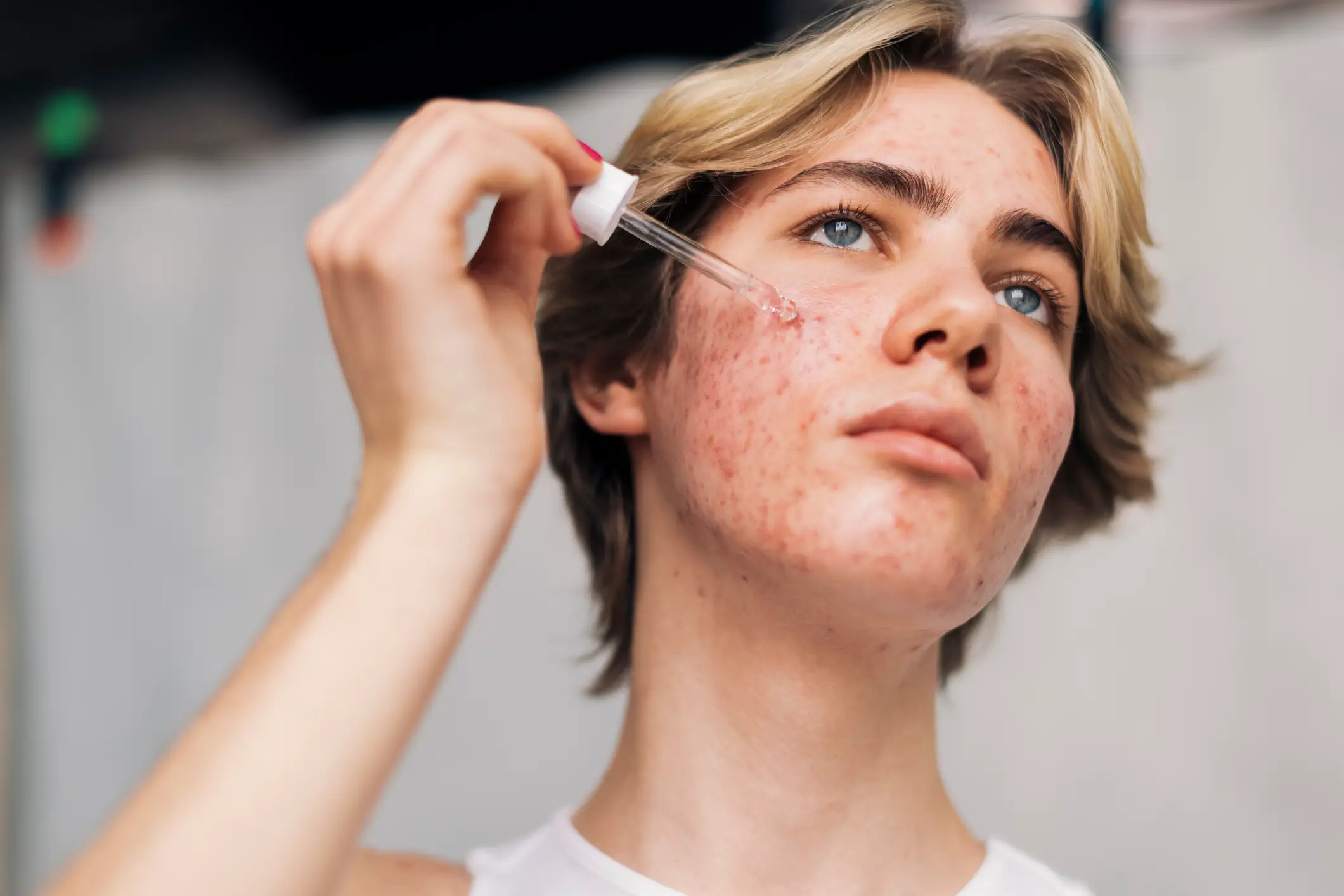
What causes adult acne?
According to Dr Susie Gawler, Clinical Lead for Acne & Skin at Boots Online Doctor, breakouts can occur in adults for several reasons.
This includes pollution, skincare routines and, of course, stress.
"Adult acne is something we are seeing even more in clinical practice, particularly among patients in their 20s who may not have experienced significant acne since their teenage years, or who are experiencing new-onset breakouts in adulthood," Dr Gawler explained.
"This can be influenced by a variety of factors, including hormones, stress, contraception, skin bacteria, skincare routines, environmental conditions or even genetic predisposition.
"For many adults, acne can have a significant impact on confidence and day-to-day life, particularly when it persists or returns beyond the teenage years."
The NHS adds that changes in testosterone can lead to acne breakouts.
Women are also more susceptible to adult acne, with menstruation, pregnancy and polycystic ovary syndrome being common contributors to breakouts.
People may also have certain triggers which lead to breakouts; these include smoking, steroid medications, certain cosmetic products and diets with a high glycaemic (GI) index.

How can you avoid or limit acne breakouts?
Fed up with getting the odd cluster of spots? Dr Gawler also outlined several tips which can minimise your risk of a breakout.
This includes:
- A simple and consistent skincare routine
- Use products suitable for acne-prone skin, such as retinoids or salicyclic acid
- Avoid picking or squeezing spots, as this can lead to inflammation and a higher risk of scarring
- Being mindful of acne triggers
Dr Gawler also advised seeking medical treatment if the acne is severe or persists, explaining that GPs can prescribe medication which is stronger than over-the-counter treatments.
"While it can feel frustrating and unexpected, especially for those who thought they had 'grown out' of acne, it is a very common condition with many treatment options available," she added.
"The key is understanding the triggers and seeking appropriate support rather than trying to manage it alone."
Topics: Health
 Brenna Cooper